Understanding Nighttime Leg Cramps: Causes, Prevention, and Solutions
Introduction: The Sudden Discomfort of Nighttime Leg Cramps
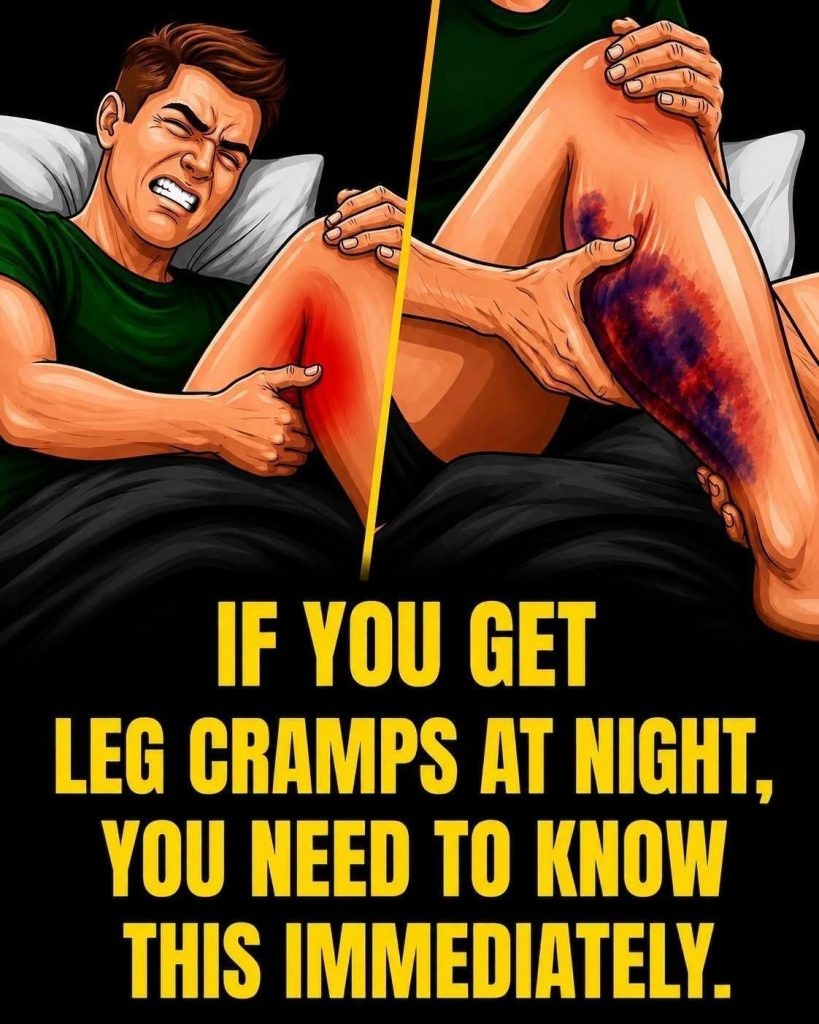
Waking up suddenly to a sharp, painful leg cramp is an experience familiar to many. Affected muscles—often in the calf, foot, or thigh—can seize up with intense contractions that leave lingering soreness, sometimes making it difficult to fall back asleep or function comfortably the next day. While occasional cramps are common, especially as we age, frequent episodes may suggest underlying health concerns that warrant a closer look.
What Are Nighttime Leg Cramps?
Nighttime leg cramps, also called nocturnal leg cramps, are involuntary, sudden spasms of the muscles that usually occur during sleep. Unlike restless legs syndrome, which is characterized by uncomfortable sensations and an urge to move, leg cramps involve actual tightness and pain caused by intense muscle contractions. Although most cramps subside within a few seconds to several minutes, the aftereffects—such as muscle tenderness—can persist for hours or even days.
Who Gets Nighttime Leg Cramps?
Leg cramps can affect people of all ages but are more prevalent in older adults. According to the Mayo Clinic, up to 60% of adults report experiencing leg cramps at night at some point, with increased frequency as individuals reach their 50s and beyond. Pregnant women are also more likely to develop these cramps, particularly during the second and third trimesters. Athletes, people taking certain medications, and individuals with chronic medical conditions may also be at greater risk.
Common Causes and Contributing Factors
The exact cause of nighttime leg cramps is not always clear, but research highlights several potential contributing factors. Understanding these can help individuals both prevent and manage cramps effectively.
- Dehydration: A lack of fluids can disrupt the electrolyte balance in the body, making muscles more susceptible to cramping, especially after exercise or during hot weather.
- Electrolyte Imbalances: Potassium, calcium, magnesium, and sodium are crucial minerals for proper muscle function. Low levels of these electrolytes can impair the ability of muscles to contract and relax smoothly, setting the stage for cramps.
- Prolonged Inactivity: Sitting for extended periods, particularly with crossed legs or poor posture, can restrict blood flow and contribute to muscle stiffness, making nighttime cramps more likely.
- Excessive Physical Activity: Intense exercise, especially without proper stretching and hydration, can lead to muscle fatigue and subsequent cramping at night.
- Aging: As we age, natural muscle loss and decreased flexibility increase susceptibility to cramps. Nerve function may also be compromised with age, further contributing to muscular spasms.
- Medications and Medical Conditions: Certain drugs—including diuretics, statins, and medications for high blood pressure—can alter mineral balances or affect muscle performance. Health conditions such as diabetes, peripheral artery disease, kidney disease, and neurological disorders have also been linked to more frequent cramps.
- Poor Circulation: Circulatory problems can prevent adequate delivery of oxygen and nutrients to the muscles, triggering cramps especially during rest.
Recognizing Symptoms Beyond the Typical Cramps
While occasional short-lived cramps are generally benign, frequent or severe cramps may be a signal of an underlying health issue. Warning signs that warrant seeking medical advice include:
- Frequent or persistent nighttime cramps
- Muscle weakness, swelling, or redness
- Numbness or tingling sensations
- Pain that lasts beyond the initial cramp
- Difficulty walking or performing daily activities
If cramps are accompanied by other symptoms such as changes in skin color, pronounced swelling, or signs of infection, medical attention should be sought promptly to exclude more serious conditions such as deep vein thrombosis or nerve disorders.
Preventing Nighttime Leg Cramps: Evidence-Based Strategies
Research and expert guidance suggest several lifestyle modifications that can help reduce the frequency and severity of nighttime leg cramps for most individuals:
Stay Hydrated
Drinking adequate water throughout the day supports healthy muscle function and helps maintain electrolyte balance. The amount required depends on individual needs, activity level, and climate, but aiming for about 8 cups of fluids a day is a sensible starting point.
Balance Electrolytes and Nutrition
Consuming a balanced diet rich in fruits, vegetables, lean proteins, and whole grains supplies the necessary minerals for muscle health. Bananas, oranges, leafy greens, nuts, seeds, low-fat dairy, and legumes are excellent sources of potassium, magnesium, and calcium.
Exercise Regularly but Wisely
Regular physical activity boosts circulation and keeps muscles strong and flexible. Gradually increasing the intensity and duration of exercise helps minimize fatigue and the risk of cramps. It’s also important to warm up and cool down with gentle stretching before and after exercise sessions.
Incorporate Gentle Stretching
Light stretching before bed can help reduce the chances of nighttime cramps. Calf stretches, hamstring stretches, and foot flexes are commonly recommended by experts and can easily be performed at home. Yoga and pilates may also help maintain general flexibility and muscle health.
Review Medications with a Healthcare Provider
If you are taking prescription or over-the-counter medications, speak with your healthcare provider about the potential side effects. Your physician may recommend alternatives or adjustments if medication is contributing to muscle cramps.
Footwear and Ergonomics
Supportive footwear and proper posture throughout the day can reduce muscle strain. Avoiding high heels, tight shoes, or prolonged periods of standing can also make a difference.
Effective Remedies for Acute Leg Cramps
If a leg cramp strikes in the middle of the night, certain steps can provide relief and speed recovery:
- Gently Stretch the Affected Muscle: For calf cramps, flex your foot upward toward your knee. Slowly and steadily hold the stretch—avoid jerking movements.
- Massage the Muscle: Kneading or rubbing the cramped area can help it relax.
- Apply Heat: Use a warm towel, hot water bottle, or heating pad to loosen the muscle. A warm shower can also be soothing.
- Walk Around: Gentle movement encourages blood flow and can relieve the spasm.
- Cold Packs: For lingering soreness, a cold pack may reduce any residual pain or inflammation.
Avoid sleeping with tightly tucked sheets or blankets that restrict foot movement, as these positions may predispose muscles to cramp during the night.
Medical Treatments and When to Seek Help
Most leg cramps can be managed at home with the above strategies. However, if cramps are very frequent, extremely painful, or interfere significantly with quality of life, consult a healthcare professional. In some cases, blood tests may be recommended to check for electrolyte disturbances, kidney or thyroid disorders, or circulatory problems.
For individuals who do not respond to lifestyle changes, certain prescription treatments may be considered. Medicines such as muscle relaxants or calcium channel blockers have been used in specific cases, yet these should always be discussed thoroughly with a medical provider due to potential side effects and limited evidence of effectiveness for nocturnal leg cramps.
According to the American Academy of Neurology and the Mayo Clinic, quinine, once commonly prescribed for leg cramps, is no longer recommended due to significant risks of serious adverse effects.
Expert Insights and Societal Perspectives
Medical experts emphasize the importance of distinguishing between common, benign cramps and those that could signal a deeper health issue. Dr. Michael Jaff, a vascular specialist featured by Harvard Health Publishing, notes that most nighttime cramps are harmless but ongoing discomfort, signs of poor circulation, or muscle weakness should not be ignored.
From a broader public health perspective, leg cramps are a prevalent complaint, especially in aging populations and among individuals with chronic illnesses. Increased awareness and education about prevention, healthy lifestyle choices, and the risks associated with self-medicating are crucial in reducing unnecessary suffering and improving overall sleep quality.
Conclusion: Supporting Healthy Muscles and Restful Sleep
Nighttime leg cramps are an often uncomfortable but generally manageable part of life for many. By prioritizing hydration, nutrition, exercise, and good sleep habits, most people can reduce their risk. Persistent or severe cramps, or those accompanied by other unusual symptoms, should always be evaluated by a healthcare provider to rule out underlying medical conditions. Listening to your body and taking proactive steps—backed by evidence and expert guidance—are the best ways to support your muscle health and maintain the restorative power of sleep.
Sources
- Mayo Clinic: Leg cramps
- CDC: Nighttime Leg Cramps
- NHS: Leg cramps
- Johns Hopkins Medicine: Leg Cramps
- BBC News: What causes night-time leg cramps?
- Harvard Health: Leg cramps during the night
Disclaimer: This content is intended for entertainment purposes only and is not based on real events.