
The Top Five Regrets of the Dying – A Life Transformed by the Dearly Departing
Confronting one’s mortality tends to ignite deep reflection, especially in the final chapter of life. When individuals find themselves in the quiet of their final days, the distractions of daily routines often dissolve into a backdrop, making space for existential contemplation. In these precious moments, many seek to extract wisdom from a lifetime of experiences, hoping to pass on meaningful lessons to loved ones and future generations. The universal human journey toward understanding and fulfillment often becomes most intense at the edge of life.
A Palliative Nurse’s Insights from the Deathbed

Bronnie Ware, an Australian nurse specializing in palliative care, devoted many years to caring for patients in the final weeks and days of their lives. With compassion and a readiness to listen, Ware collected hundreds of stories from those facing death, bearing witness to their honest reflections and heartfelt regrets. Her book, The Top Five Regrets of the Dying – A Life Transformed by the Dearly Departing, draws from these intimate conversations, revealing not only personal regrets but also universal truths about how people wish they had lived.
Through her work, Ware identified patterns among her patients’ final reflections. She discovered that despite varied backgrounds, people’s regrets converged around similar themes: a longing for authenticity, meaningful relationships, and personal happiness. These lessons, distilled from the lives of those nearing their ends, provide guidance for anyone striving to live more intentionally and to avoid similar regrets.
The Five Most Common Regrets of the Dying
1. Regret Over Dedication to Work

One of the most frequently expressed regrets was investing excessive time and energy into work at the expense of personal relationships and self-care. In modern culture, where career advancement and material success are often prioritized, many people find themselves caught in a cycle of ambition, sometimes neglecting their families, friendships, and passions. Ware frequently heard laments about missing out on pivotal moments with loved ones or sacrificing personal fulfillment for professional achievement.
This regret resonates with global trends. According to data from the World Health Organization (WHO), work-related stress can contribute to negative mental health outcomes, underscoring the importance of life-work balance. Experts such as Dr. Andrew Steptoe, a professor at University College London, affirm that quality relationships and time spent with loved ones are significant predictors of well-being and life satisfaction—more so than financial or professional status.
Yet, Ware’s observations offer hope. As she notes, it’s never too late to adjust priorities, allocate time for the people who matter, and pursue activities that bring genuine joy. The key lesson is clear: fulfillment is not measured by accomplishments alone, but by the richness of our human connections and the stories we create together.
2. Lament of Not Living Authentically

The second most common regret centered on missed opportunities to live authentically. Many patients reflected on years or decades spent conforming to the expectations of others, sacrificing personal dreams and individual expression for social approval or harmony. The pressure to fit societal norms—whether related to career choice, marriage, or lifestyle—often led to a persistent sense of dissatisfaction and lost potential.
Ware found that those who lived under these constraints typically expressed sadness over foregoing passions, hobbies, or identities that felt more true to their inner selves. The underlying message echoes the thoughts of psychologists and philosophers alike: self-actualization, or the realization of one’s unique potential, is fundamental to a meaningful life.
Choosing authenticity requires courage, especially in cultures where deviation from the norm can carry real risks. Nonetheless, as Ware’s accounts make evident, the price of nonconformity is often outweighed by the cost of lifelong regret. The lesson here is one of empowerment—encouraging each individual to nurture and honor their unique journey.
3. Regret Over Neglected Friendships

Ware’s third most frequent observation was regret over lost or weakened friendships. As workloads and responsibilities mount through adulthood, meaningful connections often fall by the wayside. Individuals expressed grief for friendships allowed to wither—those they failed to sustain due to distance, misunderstandings, or simple neglect.
Social connections are now widely recognized as a cornerstone of well-being. Research from organizations such as Harvard University’s Study of Adult Development has identified strong relationships as a key determinant of happiness and longevity. Friendships offer emotional support, companionship, and shared joy—elements whose absence is deeply felt in later years.
Ware encourages readers to rekindle old bonds and invest time in nurturing relationships that matter. Such efforts can have significant positive impacts on mental and emotional health. The memories and mutual support built through friendships become invaluable in both ordinary and challenging times, underscoring the societal importance of genuine social ties.
4. Suppression of Emotional Expression
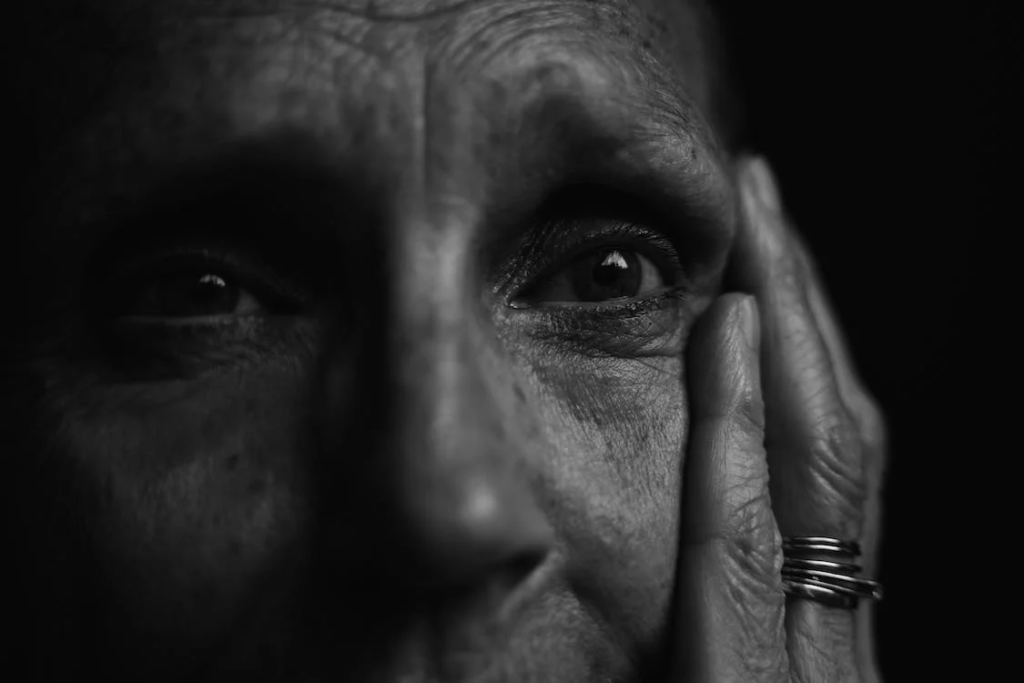
Many who approached the end of life expressed regret for not allowing themselves to express true emotions. Cultural expectations often teach stoicism, discouraging open vulnerability or feelings that might disrupt harmony. As Ware recounts, patients who bottled up emotions commonly faced accumulated resentment, unresolved conflicts, and a lack of internal peace.
Current psychological understanding supports the importance of emotional authenticity. The Mayo Clinic notes that repressing feelings can increase stress levels, reduce self-esteem, and contribute to long-term mental health challenges. Ware’s reflections affirm that expressing emotions honestly—even difficult ones—can facilitate deeper understanding, connection, and personal healing.
Ware’s experiences suggest that true strength lies not in emotional suppression but in the willingness to be vulnerable and honest. Embracing the full spectrum of human feelings ultimately allows for richer relationships and a greater sense of inner peace, both of which are deeply valued in one’s final days.
5. Regret for Failing to Prioritize Happiness

The final common regret among Ware’s patients was not permitting themselves to experience more happiness. Many realized, too late, that happiness is often a conscious choice contingent on attitude, perspective, and daily habits. People reflected on times they prioritized others’ expectations or postponed happiness for a future that, ultimately, never arrived.
Contemporary research from institutions such as the Centers for Disease Control and Prevention (CDC) links happiness to holistic well-being—including physical health, resilience, and quality of life. Ware’s observations reinforce the message that happiness should not be deferred indefinitely. Cultivating joy in everyday life and choosing contentment when possible can profoundly affect the way individuals look back on their lives.
This regret also illuminates a broader societal trend, as many cultures are redefining traditional notions of success. Rather than equating achievement with happiness, more people are seeking meaning through experiences, relationships, and mindful living. Ware’s testimony reminds readers of the importance of actively creating moments of joy and fulfillment, regardless of circumstances.
Global and Societal Reactions to Ware’s Findings
Bronnie Ware’s insights have resonated globally, sparking dialogue on death, meaning, and the pursuit of a purposeful life. Her work has been referenced in mental health campaigns, life coaching seminars, and even corporate wellness programs as organizations recognize the importance of holistic well-being over traditional productivity metrics.
Experts in palliative care, such as Dr. Kathryn Mannix of the United Kingdom, have praised Ware’s approach for promoting open conversations around dying and regrets. Internationally, cultures vary in how openly they address end-of-life issues; however, Ware’s work has found universality in its message. Many societies are now making concerted efforts to encourage end-of-life discussions—through advanced care planning, hospice care development, and public education.
On a personal level, Ware’s discoveries have inspired individuals worldwide to reconsider their own values and life trajectories. The five key areas of regret—work, authenticity, relationships, emotion, and happiness—offer a simple framework for self-reflection at any age.
Conclusion: Living with Fewer Regrets
The wisdom Ware gleaned while sitting with people at the threshold of life and death is rich with guidance for living fully. Her five core regrets are not simply personal testimonies, but calls to prioritize relationships, embrace authenticity, nurture happiness, express emotions honestly, and balance work with life. These lessons serve as gentle reminders to live mindfully, valuing both extraordinary and everyday moments.
By listening to those who have navigated life’s journey to its very end, readers are encouraged to make conscious choices, forge meaningful connections, and seek fulfillment. Ware’s work underscores the shared humanity that binds us all—regardless of culture or circumstance—and invites us to begin rewriting our stories today, empowered by the lessons learned from the dearly departing.
Sources
- Metro
- BBC News
- World Health Organization
- Centers for Disease Control and Prevention (CDC)
- Mayo Clinic
- The Guardian
Disclaimer: This content is intended for entertainment purposes only and is not based on real events.