
A Virginia Mother Convicted After Letting Son Walk Alone in Gated Community

The conviction of a Virginia mother for allowing her young son to walk alone in a gated community has sparked nationwide debate over parenting practices, legal standards, and childhood independence in the United States.
Background of the Case
Karyann Parkinson, a 36-year-old resident of Williamsburg, Virginia, and her 5-year-old son Sam embarked on a walk through their neighborhood on June 5. The community where they live is gated, with internal roads, ponds, and a defined perimeter. On the day in question, Sam rode his bike ahead, circled back to his mother, and explored their surroundings, reflecting a dynamic common in many child-parent outings.
Parkinson, eight months pregnant at the time, described her parenting philosophy as one rooted in fostering confidence and exploration. She and her husband believe that controlled, age-appropriate risks are integral to a child’s development, echoing sentiments frequently cited in developmental psychology. After the first walk, Sam requested to further explore the community alone. Considering the controlled environment and supportive family values, Parkinson consented.
The Incident: A Walk Alone
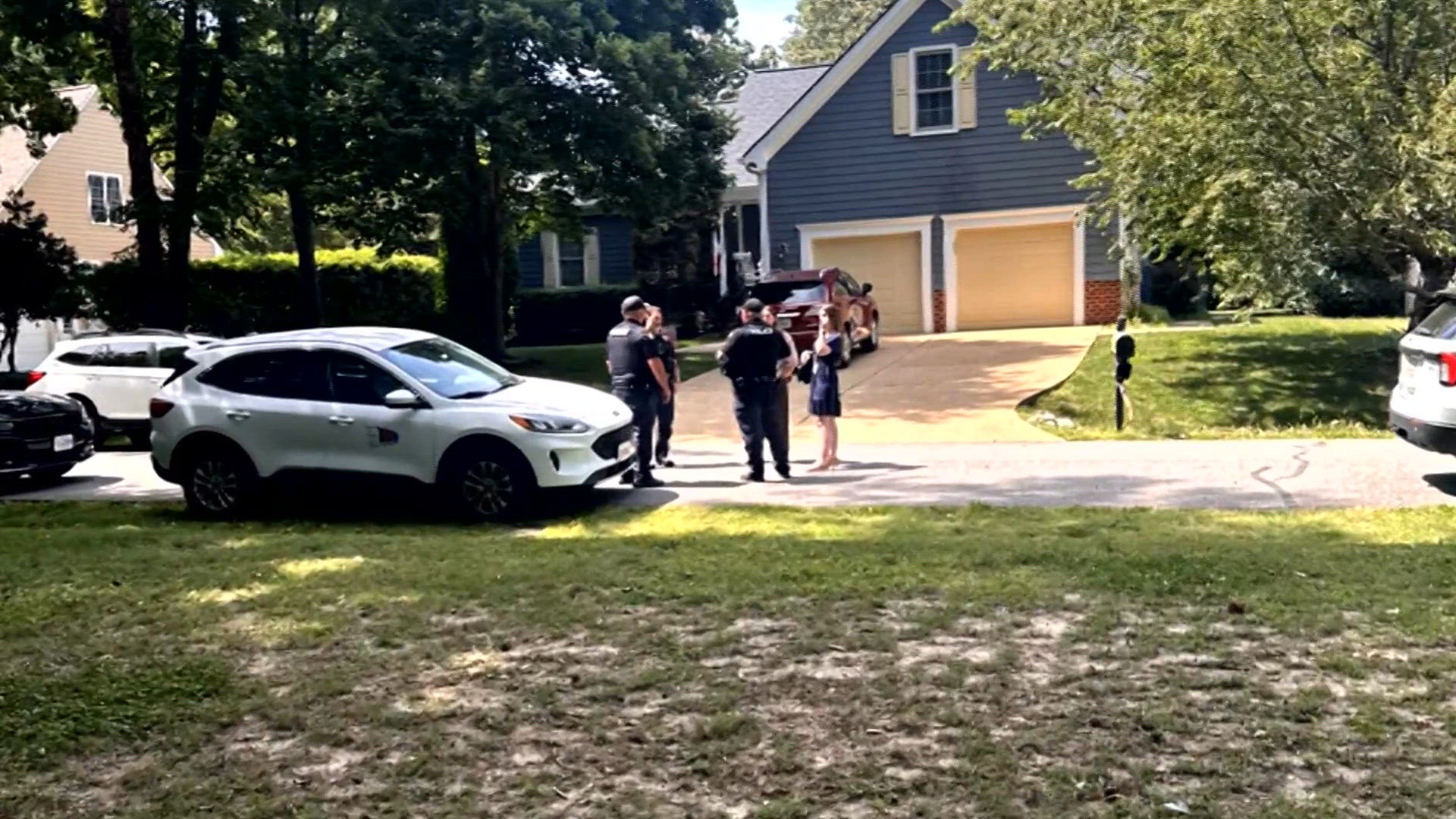
Within 20 to 30 minutes of Sam venturing out on his own, a concerned neighbor noticed the young boy outside and alerted community security. The security guard returned Sam to his home, where he appeared visibly shaken by the encounter, though unharmed. The guard informed Parkinson that her actions were in violation of community rules and, in his interpretation, Virginia law. He subsequently contacted local law enforcement.
Two weeks later, police officers appeared at the Parkinson family home with an arrest warrant for Karyann. This marked the beginning of a legal process that would test not only legal boundaries but prevailing social attitudes about child-rearing and independence.
Legal Proceedings and Outcome
Parkinson was charged and later convicted of contributing to the delinquency of a minor, a criminal misdemeanor in Virginia. The court sentenced her to six months of suspended jail time—a penalty that would not be enacted unless she violated further legal conditions. She was also offered a “withheld finding,” meaning formal conviction could be avoided if she acknowledged wrongdoing and completed stipulated requirements. Parkinson declined, citing a desire to stand for her principles and maintain her personal convictions regarding parenting practice. She feared setting a precedent that ordinary childhood experiences might be criminalized.
The conviction also resulted in official consequences beyond sentencing. Parkinson’s name, along with Sam’s, was placed on Virginia’s Abuse and Neglect Registry for seven years, a designation affecting future employment, professional licensing, and access to certain services. Parkinson has appealed the conviction, seeking judicial review and asserting that her actions reflect normal, reasonable parenting rather than neglect or endangerment.
Societal Debate: Parenting, Independence, and Safety

The case has ignited vigorous debate among parents, legal experts, child advocates, and commentators nationwide. Opinions diverge sharply. Some critics argue that allowing a 5-year-old child unsupervised access to a neighborhood—even a gated one—exposes them to avoidable risk. The child’s age, limited ability to assess danger, and possible exposure to unfamiliar individuals represent factors fueling concern.
Conversely, many support Parkinson’s position, declaring that community safety, parental discretion, and a child’s need for independence should not be criminalized. Advocates cite research from developmental psychologists who encourage age-appropriate exploration and risk-taking as foundational to building self-confidence and practical life skills. Prominent voices in “free-range parenting”—a movement supporting children’s autonomy—argue that societal overreaction has led to a culture of fear, where normal childhood activities are unduly restricted.
Parkinson herself described the incident as devastating. She expressed concerns that her children might be taken from her and worries about the broader psychological impact on both her family and the community at large. “I always loved letting my kids climb trees and go exploring…experiment with their surroundings,” she explained, emphasizing her view that the world should be seen as a good and safe place for children to grow.
Her attorney, Andrew S. Gordon, described the conflict as a legal and philosophical disagreement rather than straightforward criminality. “Once the criminal justice machine turns on, it can be very hard to turn that machine off,” he stated, referencing the challenge parents face when standard practices come under legal scrutiny.
Legal Standards: Neglect Versus Independence
The central issue in the Parkinson case is the definition of neglect within the legal framework. Virginia law, like many state statutes, bases allegations of child neglect or endangerment on whether a parent or guardian willfully exposes a child to situations that could result in harm. However, legal interpretation is heavily context-dependent—factoring in the child’s age, environment, length of unsupervised exposure, and community norms.
This case illustrates the tension between statute and parental choice. Advocates argue for clearer standards, emphasizing the need for discretion and the fact that risk tolerance differs across families and cultures. Critics counter that uniform minimum safety standards protect children from irreversible harm, even in seemingly safe environments like gated communities.
Expert Opinions and Research

Child development experts weigh in with nuanced perspectives. The American Academy of Pediatrics recommends closely supervising children under the age of eight, especially in public or semi-public spaces, due to their unpredictable decision-making and limited understanding of dangers. However, studies from developmental psychologists, including research published by the National Institutes of Health, note that children benefit from incremental increases in independence, provided adults carefully assess the risks and benefits.
“The balance between fostering independence and ensuring safety is delicate and dynamic, changing with each child,” says Dr. Lindsey H. Leininger, a health policy specialist. She underscores that age, maturity, and environmental safety must guide parental decisions.
Comparative international studies reveal a broader spectrum of practices. In some European and Asian countries, young children regularly walk to school or visit local parks without direct adult supervision, with societal trust and community-based oversight playing larger roles. Nevertheless, these differences stem from distinct legal standards, community layouts, and public transportation safety.
Community Context: Gated Communities and Safety
Gated communities are often perceived as safer environments due to restricted access, security patrols, and well-maintained grounds. Many parents cite these factors to justify increased childhood independence within such neighborhoods. However, community standards vary, and legal expectations can diverge from parental assumptions. The Parkinson case reflects the importance of understanding not only the physical environment but also the prevailing rules and customs in any shared space.
Neighborhood associations and security personnel often develop their own protocols to address concerns about unsupervised children. While these are meant to safeguard community members, they can at times result in unintended consequences or conflicts between residents and administrators.
Societal Reactions and Broader Implications

The repercussions of Parkinson’s conviction have reverberated through parenting forums, legal commentaries, and media reports. Many families have reconsidered their practices in light of heightened scrutiny, some becoming more cautious and others advocating for legal reform. The case highlights larger questions about parenting autonomy, government intervention, and the evolving nature of childhood in America.
Support groups and parenting organizations have called for greater transparency and consistency in child neglect laws, with some urging lawmakers to clarify thresholds for permissible independence. Meanwhile, legal analysts warn that the precedent could discourage parents from fostering resilience and self-sufficiency, potentially stunting development and limiting socialization.
Across social media and local gatherings, parents share stories about their own childhoods—often marked by greater freedom—which contrast sharply with contemporary constraints. Many voice anxiety about the legal system intervening in everyday family life, especially when no harm actually occurs.
The Parkinson family continues to appeal their conviction, aiming to prompt a reassessment of legal standards and encourage awareness around parenting diversity. The debate, meanwhile, underscores the complexities inherent in balancing individual freedoms, collective safety, and child welfare.
Conclusion
The conviction of Karyann Parkinson for allowing her son to walk unsupervised in a gated community encapsulates a broader societal discussion about childhood independence, parental responsibility, and community involvement. While the legal facts of the case remain contested and are subject to ongoing appeal, the incident shines a spotlight on American parenting practices and the difficult choices families make every day. As society continues to adapt to new realities—from housing structures to cultural norms—the importance of open dialogue, evidence-based decision making, and empathetic policy is more critical than ever.
Sources
- The Washington Post
- BBC News
- Reuters US News
- Centers for Disease Control and Prevention (CDC)
- National Institutes of Health
- Mayo Clinic
Disclaimer: This content is intended for entertainment purposes only and is not based on real events.