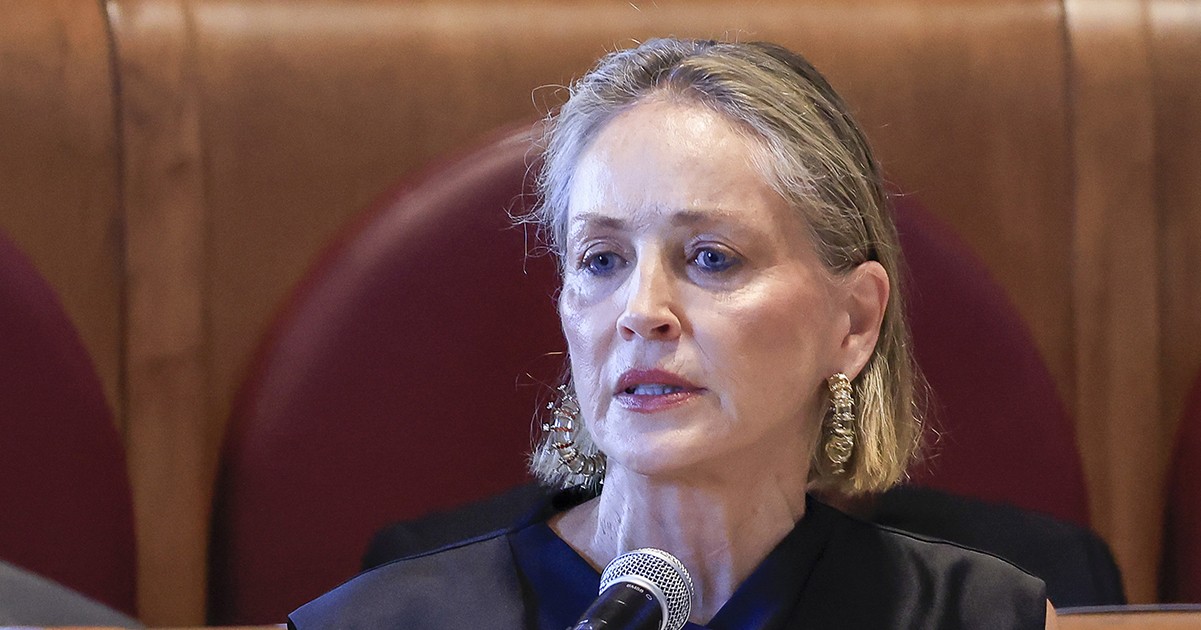
Sharon Stone’s Near-Fatal Stroke: Recovery, Visions, and Personal Struggles
Introduction
Sharon Stone, renowned for her starring roles in critically acclaimed films such as Basic Instinct, became the subject of global headlines in 2001 after she suffered a near-fatal stroke. This dramatic event marked a turning point in the life of the celebrated American actress, not only due to its physical and emotional toll but also because of its profound effects on her perceptions and personal experiences. Stone’s stroke and the arduous journey of recovery have since shaped much of her outlook, compelling her to reconsider priorities, confront fears, and embark on a search for deeper meaning.
The Stroke: A Life-Changing Medical Crisis
In September 2001, Sharon Stone was hospitalized following a stroke that resulted from a ruptured vertebral artery. The stroke was nearly fatal, and the subsequent hemorrhage threatened her life, requiring immediate and intensive medical intervention. According to reports from reputable health organizations, strokes are a leading cause of death and disability worldwide, often requiring months or even years of rehabilitation. Stone’s experience aligns with this statistic, as she underwent significant physical therapy, speech and motor skills retraining, and psychological recovery.
During her hospitalization and convalescence, Stone faced numerous medical challenges. Neurologists and stroke specialists note that recovery from a hemorrhagic stroke often involves overcoming paralysis, cognitive difficulties, and emotional instability. Stone herself has discussed these hurdles in interviews, revealing the loss of some sensory and cognitive abilities, which she had to relearn. The road to recovery was beset with uncertainty, pain, and frequent setbacks, but Stone’s resilience enabled her to gradually regain her independence.
Unexplained Visions During Recovery
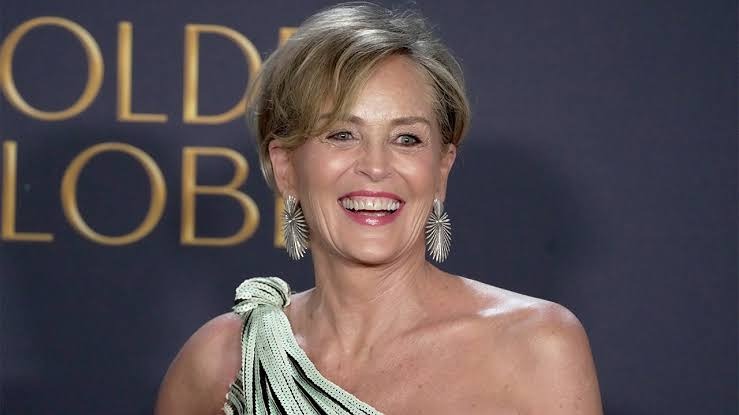
While recovering at home after her hospital discharge, Stone experienced phenomena that she has since described as both curious and comforting. On an episode of Mayim Bialik’s Breakdown podcast, she recounted a specific vision: “When I was first home from the hospital, I couldn’t sleep at night and I was sleeping in the day. When I was laying on the couch, sleeping and awake, these orbs sort of presented themselves to me. These five orbs presented themselves to me and they sort of talked to me, but in a digital language.”
Stone’s account of communicating with mysterious orbs has sparked interest and debate among both medical professionals and fans. While some experts associate such experiences with neurological phenomena related to brain injury or trauma, others interpret near-death experiences as transformative or spiritual events. In Stone’s case, the visions provided her with a sense of peace rather than fear, and appeared to convey messages about her future, specifically about her son Roan.
Stone described these orbs as distinct and clear; they “sort of talked” to her using what she characterized as digital language, a format unfamiliar yet strangely comprehensible. The actress admitted she found the experience unsettling yet peaceful, reinforcing her curiosity about consciousness and the mysteries of life after trauma.
Emotional Impact and Insight into the Future
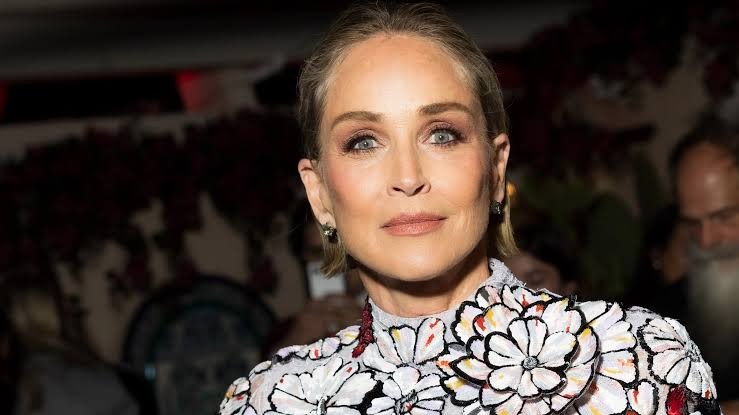
The content of Stone’s vision seemed to foreshadow significant personal events. She detailed a conversation with the orbs about her uncertainty—whether she was meant to survive or pass on. When she expressed concern about her son, Roan, she asked if the orbs would stay with him, especially since she worried he might be taken away from her. “I can only stay if two of you will stay with my son. Because I don’t want him to be alone, and I think he’s gonna get taken from me,” Stone remembered saying.
This premonition proved prescient. In 2004, after her divorce from then-husband Phil Bronstein, Stone lost primary custody of Roan. She attributes her loss, at least in part, to prejudice stemming from her film roles, particularly her performances in provocative movies like Basic Instinct. The period was emotionally devastating, compounding the isolation she felt during recovery. Stone’s visons, which had initially provided peace, later took on a bittersweet resonance.
Scientific Perspectives on Near-Death and Visionary Experiences
Medical and scientific research offers a variety of explanations for visions reported during near-death experiences or periods of severe trauma. The brain, particularly when recovering from a stroke or significant injury, may undergo changes that produce vivid dreams, hallucinations, or spiritual sensations. The Mayo Clinic and the World Health Organization (WHO) recognize post-stroke delirium and altered states of consciousness as not uncommon, often related to disrupted blood flow and neurochemical imbalances.
Some researchers focus on the psychological impact of survival and post-traumatic growth. According to the Centers for Disease Control and Prevention (CDC), patients who endure life-threatening events frequently experience shifts in worldview, increased empathy, and sometimes develop beliefs or convictions stemming from visions or unusual experiences. While the scientific community remains cautious in interpreting such events as supernatural, experts emphasize the healing power of personal narratives and the importance of social support.
Stone’s openness about her visions reflects broader societal trends in which survivors discuss their experiences, sometimes leading to improved mental health outcomes and deeper communal understanding. Discussions like hers foster greater awareness of post-stroke symptoms and encourage others to seek appropriate treatment and emotional help.
Sharon Stone’s Custody Battle and Hollywood Prejudice
Following her recovery, Sharon Stone’s life continued to be shaped by adversity, particularly regarding her role as a mother. Roan, adopted by Stone and Bronstein in 2000, was the focal point of a contentious custody battle. Stone has often speculated about the influence of Hollywood perceptions on the legal outcome, believing that her on-screen persona affected the public’s and related authorities’ views concerning her fitness as a parent.
The custody loss left Stone with profound grief. Many legal experts and advocates for parental rights recognize biases that sometimes affect custody arrangements, especially concerning public figures. The episode highlighted enduring challenges faced by women in show business, raising questions about privacy, reputation, and justice. Stone’s determination to raise awareness for issues faced by women in entertainment, as well as parents coping with health crises, has been a central theme in her activism since the incident.
Life After Stroke: Advocacy and Personal Growth
In the years since her stroke, Sharon Stone has become an advocate for stroke awareness and brain health. She frequently speaks at medical conferences, and collaborates with organizations such as the American Stroke Association to educate the public on stroke prevention and recovery. Her personal story resonates with survivors, highlighting the importance of seeking immediate medical attention, adhering to recommended therapies, and nurturing psychological wellbeing.
Stone has also discussed the long-term effects of her stroke, including changes in her physical abilities, memory, and emotional health. Her recovery, while ultimately successful, has not erased the scars of her ordeal. She continues to support others facing similar challenges, encouraging survivors to share their stories, seek support, and strive for recovery. Her advocacy underscores the necessity for ongoing research and resources for stroke survivors, a message echoed by the CDC and Mayo Clinic.
Cultural and Societal Reactions
The public’s response to Sharon Stone’s revelations has been a mix of fascination, empathy, and scientific debate. Many fans and observers admire her candor in discussing a subject often shrouded in stigma and silence. The conversation about visions and near-death experiences remains controversial; while some embrace the possibility of supernatural elements, others focus on medical explanations rooted in neurology and psychology.
Internationally, cultural attitudes toward visions and post-traumatic healing differ. In some societies, such experiences are integrated into spiritual traditions, while in others, they are viewed skeptically. Stone’s story bridges these perspectives, emphasizing both her peace with the unexplained and her commitment to scientific healing.
Conclusion
Sharon Stone’s near-fatal stroke in 2001 marked the beginning of a complex journey through recovery, visions, and personal hardship. Her candid discussion of both physical and emotional scars offers invaluable insight into the experiences of stroke survivors. Stone’s advocacy highlights the need for compassion, science-informed care, and understanding in dealing with trauma and its lasting effects. While her visions remain enigmatic, they provided peace and protection during a turbulent period and continue to influence her outlook.
Stone’s ongoing work in the fields of health advocacy, storytelling, and social justice reflects the transformative power of survival and resilience. Her story serves as both inspiration and education, reminding society of the fragility of life, the importance of support, and the mysteries that sometimes accompany recovery from serious illness.
Sources
- Reuters – Sharon Stone Opens Up About Stroke Recovery
- BBC – Stroke: Causes, Symptoms, and Recovery
- WHO – Stroke Health Topic
- CDC – Stroke Information and Resources
- Mayo Clinic – Stroke: Symptoms and Causes
- Entertainment Weekly – Sharon Stone Details What She Saw Following Near-Death Experience
- Newsner – Sharon Stone Coverage
Disclaimer: This content is intended for entertainment purposes only and is not based on real events.