A Former Atheist’s Six Minutes of Clinical Death: How the Experience Reshaped Her Understanding of God and Consciousness
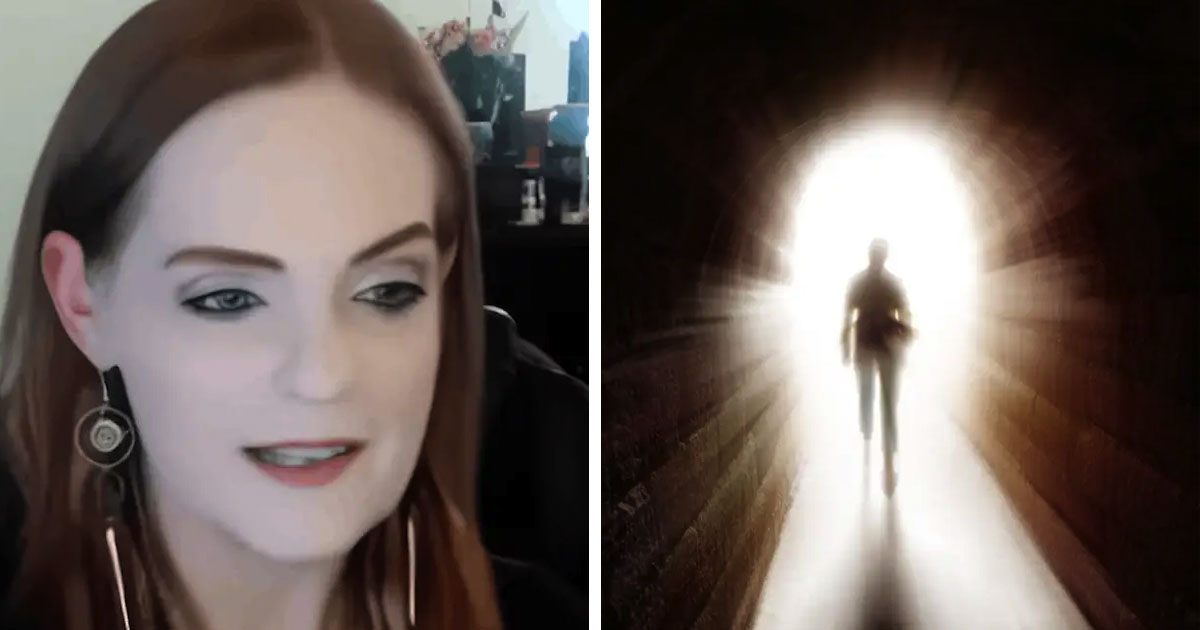
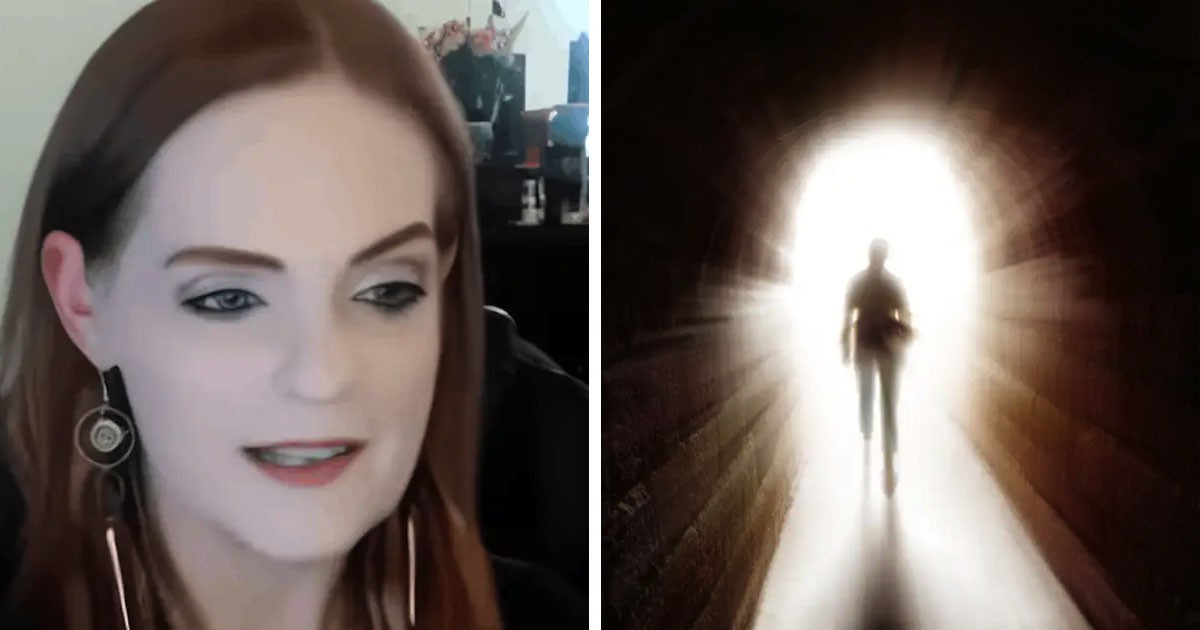
Dr. Anna Stone, once a self-identified atheist, underwent a dramatic personal transformation after she was clinically dead for six minutes. Her unique experience has sparked discussions about consciousness, spirituality, and what might happen after death.
The Event that Changed Everything: Dr. Anna Stone’s Medical Crisis
In 2016, at age 38, Dr. Anna Stone was living what by all outward appearances was a normal life, with a strong belief in rationality and science. Her worldview, marked by atheism, held that consciousness was a byproduct of the brain and ceased at the point of death. That year, her life took an unexpected and nearly fatal turn. An undiagnosed ectopic pregnancy ruptured inside her body, a condition where a fertilized egg implants outside the womb, most commonly in the fallopian tubes. This led to extensive internal bleeding, which was initially misattributed by healthcare providers to a suspected ulcer.
The misdiagnosis delayed emergency treatment, and as her internal bleeding grew more severe, Dr. Stone’s condition rapidly deteriorated. Medical interventions were initiated, but by the time doctors identified the true cause, she had lost a critical amount of blood—leaving her on the verge of death. Her heart stopped, and she was declared clinically dead for roughly six minutes before resuscitation efforts succeeded. This near-fatal medical emergency would become the catalyst for a series of events and revelations that fundamentally changed her perspective on life, consciousness, and spirituality.
Near-Death Experience: Observing from Beyond the Body
As Dr. Stone describes it, her experience during clinical death radically challenged her previous beliefs. She reported what is often termed a “near-death experience” (NDE), a phenomenon studied by both scientists and spiritual scholars. According to her account, featured in interviews published by reputable media outlets including the Daily Mail, she felt herself separate from her physical body, witnessing the medical personnel working frantically to save her life. She observed procedures, heard conversations, and was aware when healthcare staff called the official time of her death.
One particular interaction stood out. Dr. Stone recounted overhearing a doctor refer to her as a “junkie”—a statement that troubled her much less for its content than for the implication that she, now declared dead and clinically unconscious, could hear and remember it. Upon her revival, she later confronted the doctor, who admitted to making the comment and acknowledged that patients should not be able to recall anything under such conditions. This element of her story aligns with similar reports in the NDE literature, where uninvolved witnesses or patients describe events or conversations that took place while they were clinically unresponsive.
Altered Perceptions: Time, Self, and the Life Review
Dr. Stone’s vivid recollection extends beyond simply watching medical efforts. She described a profound disintegration of her sense of linear time. During those minutes, she perceived herself not as a single being bound to one moment, but as multiple versions of herself from various stages of life—ages two, six, twelve, and sixteen—all coexisting simultaneously. She believes these representations of self existed around her, creating an effect akin to a panoramic “life review.”
This experiential shift mirrors findings in several NDE studies, where survivors report stepping outside conventional perceptions of time and reliving significant episodes from their past. In Dr. Stone’s account, she saw herself through the eyes of others as well, gaining an awareness of her actions from friends’, family’s, and acquaintances’ perspectives. She describes recognizing past moments of selfishness, stating: “I got to see from their perspective how selfish I was. I was just going through my day, just doing my thing, and I was not considering other people.”
At one point in her vision, Dr. Stone encountered a version of herself from 2016, the year of her medical event, and claims to have been met by a presence that simply said, “nope”—a mysterious communication she interpreted as a sign that her time had not yet come to remain in this altered state. Shortly thereafter, she was revived by medical staff.
Spiritual Insights: A New Understanding of God and Consciousness
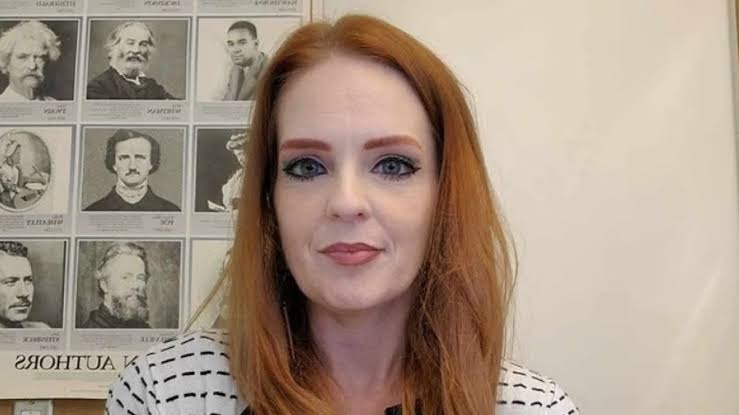
One of the most profound outcomes of Dr. Stone’s near-death experience was a dramatic reshaping of her spiritual outlook. Previously convinced of a purely materialist world, she now describes her understanding of God, or the divine, as fundamentally altered. Rather than envisioning a traditional deity, she now conceives of God as a vast, encompassing ocean, with every individual as a unique droplet that descends from, and eventually rejoins, this collective cosmic source.
Her metaphor of droplets and ocean evokes concepts found in both Eastern and Western spiritual traditions, including Vedanta’s Brahman and various mystical interpretations within Christianity and Sufism. Stone explains that, through her experience, she came to see all of humanity as fundamentally interconnected—political, religious, and cultural divisions seemed less significant or even illusory in this larger context of shared existence.
She articulated: “We’re all going to go to the same place at the end.” For her, the boundary lines that often separate groups had faded, lending a greater sense of compassion and unity with others and reframing her sense of purpose in daily life.
Physical and Psychological Aftereffects: Tangible Changes Post-Experience
In addition to these insights, Dr. Stone noticed direct changes in her behaviors and physical responses after recovering from surgery. Prior to the episode, she described herself as a heavy drinker. Upon returning home from the hospital, however, she discovered she could no longer tolerate alcohol. She describes an unusual phenomenon: whenever she attempted to drink, the liquid would foam up, become unpalatable, and she would be compelled to spit it out. This change, which she describes as consistent across different types of alcohol, led to her eventual abstention from drinking altogether.
Moreover, Dr. Stone reports that she began to perceive an internal guidance, a distinct inner voice warning her against specific actions, such as consuming alcohol or taking certain risks. These changes—heightened intuition and aversion to harmful behaviors—are sometimes reported among others who have had NDEs, though scientific explanations range from psychological shifts due to trauma, to neurobiological adjustments, to spiritual interpretations.
Her professional life also evolved. Inspired by the transformational aspects of her ordeal, Dr. Stone earned a PhD in spiritual psychology. She now works with youth who have experienced trauma, integrating her focus on the relationship between traumatic events, consciousness, and what she describes as “heightened sensitivity.” Her teaching methodology is deeply informed by her own journey, providing support to students facing adverse circumstances and seeking meaning beyond conventional frameworks.
Near-Death Experiences in Scientific and Cultural Context
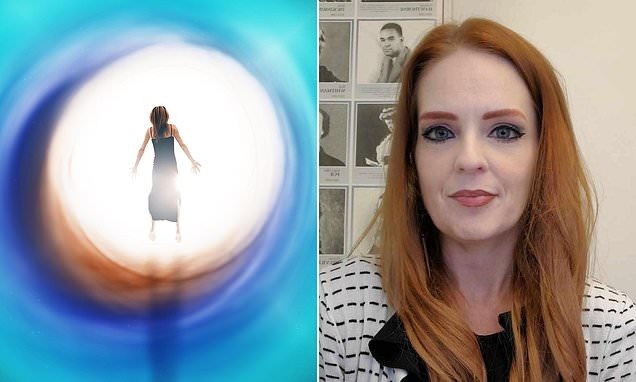
Dr. Stone’s story is part of a broader phenomenon that has fascinated researchers and the public alike for decades. Near-death experiences are reported in many cultures, often sharing several common themes: sensations of detachment from the body, vision of surroundings from an external perspective, encounters with beings or presences, a sense of transcendent love or peace, and life reviews. Scientific discussion of NDEs remains active and nuanced. Some scholars propose physiological explanations—such as brain hypoxia, neurochemical cascades, or REM intrusion—while others acknowledge that some elements, like accurate descriptions of resuscitation procedures, remain hard to explain through medical science alone.
In the field of psychology, post-traumatic growth and the development of new spiritual or existential perspectives after brushes with mortality have been widely documented. According to Dr. Sam Parnia, a leading researcher on resuscitation and consciousness at NYU Langone Health, “the science of what happens when we die is still in its infancy, but the accounts of patients who return from cardiac arrest can be profound, regardless of one’s beliefs.”
From a societal perspective, cases like Dr. Stone’s invite open dialogue on the nature of consciousness, the mind-body connection, and the ethical and existential questions raised by advances in critical care. While skepticism remains vital in evaluating any claims about the afterlife, many prominent medical centers now benefit from exploring patient experiences as part of holistic recovery and mental health care.
International and Societal Reactions
Society’s interest in near-death experiences is both scientific and philosophical. Reports such as Dr. Stone’s continue to capture international attention, inspiring published research, books, documentaries, and online communities dedicated to sharing similar accounts. Major health organizations, such as the World Health Organization (WHO) and the Centers for Disease Control and Prevention (CDC), acknowledge that advancing science in critical care medicine has increased the number of survivors of cardiac arrest and other extreme health events, bringing the topic of what people report during these episodes into public discourse.
Globally, NDEs are interpreted differently from culture to culture, often reflecting the spiritual narratives and religious symbols familiar to the person. Anthropologists note that these accounts, alongside the diversity of cultural interpretations, provide a rich field for understanding both the universality and diversity of human spiritual experience.
Expert Views: Weighing Science and Experience
Experts in neuroscience and psychology emphasize the value of approaching NDEs with both skepticism and empathy. While some elements can be explained by changes in brain chemistry during critical illness, others—such as the perception of real-world events during clinical unconsciousness—continue to generate debate. The consensus is that these experiences can have transformative effects on individuals, influencing outlook, mental health, and spiritual beliefs.
Ultimately, whether viewed through the lens of brain science, religious studies, or sociology, the stories of people like Dr. Anna Stone continue to renew interest in enduring questions about consciousness, mortality, and what may lie beyond.
Conclusion: The Lasting Impact of a Near-Death Experience

Dr. Anna Stone’s six minutes of clinical death had far-reaching consequences for her beliefs, outlook, and daily life. Moving from atheism to a nuanced view of consciousness and the divine, her account resonates with others who have been similarly transformed by brushes with mortality. While science continues to investigate the mechanisms behind such experiences, her journey underscores the profound personal and philosophical questions that arise at the boundaries of life and death.
As Dr. Stone herself puts it, “I really hope that there’s something after that makes all of this worthwhile.”
Further Reading
Sources
- BBC News
- Reuters
- The Guardian
- Mayo Clinic: Ectopic Pregnancy
- Centers for Disease Control and Prevention (CDC)
- World Health Organization (WHO)
- Daily Mail
- The New York Times – Near-Death Experiences
Disclaimer: This content is intended for entertainment purposes only and is not based on real events.