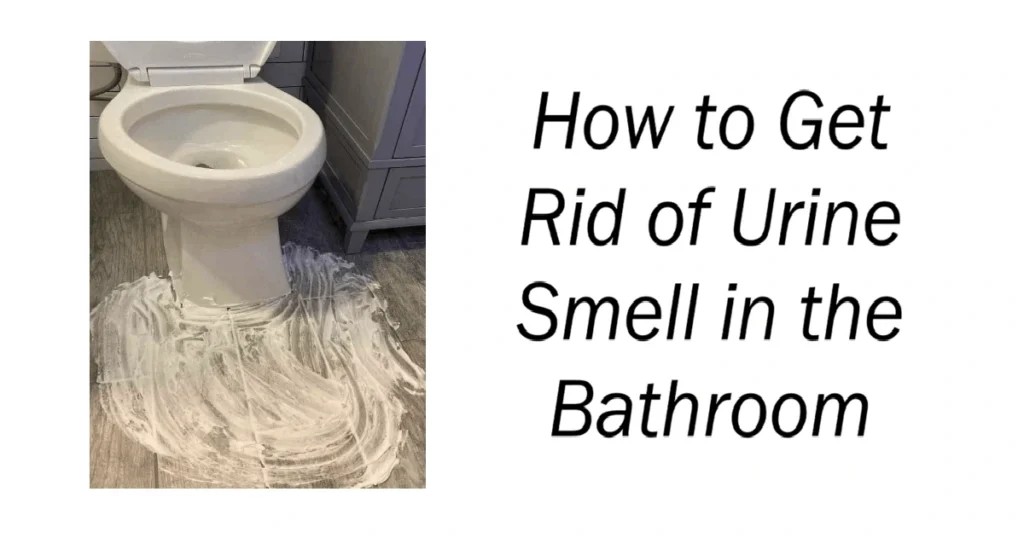
A bathroom can appear spotless yet still have a lingering urine-like odor. The toilet may be scrubbed, the floor mopped, and the waste bin emptied, but the smell can return shortly afterward. In many cases, this happens because the source is not inside the toilet bowl. Small amounts of residue can collect in hidden or absorbent areas, including toilet hinges, the floor around the base, grout lines, bathroom mats, cleaning tools, and spaces behind fixtures.
The most effective way to get rid of urine smell in the bathroom is not to cover it with fragrance. Air fresheners may temporarily change the scent of a room, but they do not remove the material creating the odor. A better approach is to identify the strongest-smelling area, clean it with products appropriate for the surface, allow the room to dry, and investigate possible plumbing issues when cleaning does not solve the problem.
This guide explains common causes of persistent bathroom odors, practical cleaning steps, safe product use, and signs that it may be time to contact a qualified plumber.
Why Does My Bathroom Smell Like Urine After Cleaning?
A urine-like smell commonly persists when residue remains on a surface that has not been fully cleaned. The odor may become more noticeable in a warm or humid bathroom because moisture and limited airflow can make existing smells seem stronger.
The inside of the toilet bowl is only one possible source. Splashing, drips, and residue can land on nearby surfaces that are often missed during routine cleaning. In a household with children, older adults, guests, or frequent bathroom use, these small deposits can accumulate over time.
Common locations to inspect include:
- The underside of the toilet seat and lid
- Toilet seat hinges, bolts, seams, and edges
- The exterior sides and rear of the toilet
- The floor directly in front of, beside, and behind the toilet
- The joint where the toilet meets the floor
- Tile grout, especially unsealed or damaged grout
- Bathroom rugs, mats, and fabric toilet-seat covers
- Toilet brush holders, mop heads, cloths, and sponges
- Areas affected by excess moisture or a plumbing leak
A systematic inspection is more useful than repeatedly applying stronger-smelling products. Begin where the odor is most noticeable and work outward from the toilet to nearby flooring, fabrics, and fixtures.
Find the Source Before You Clean
Before choosing a cleaning product, take a few minutes to identify the likely source. Open a window or switch on the bathroom exhaust fan so the room is comfortable to work in. Remove bath mats, waste bins, and portable items from around the toilet. This makes it easier to examine the floor and the back of the fixture.
Check the toilet seat hinges and the underside of the seat carefully. These areas can hold residue that is not visible at first glance. Look along the outside of the bowl, around the base, and into narrow gaps between the toilet and the wall. If the toilet can be safely accessed from the sides or rear, inspect those spaces as well.
Pay attention to whether there is unexplained dampness, staining, loose flooring, or discoloration at the base of the toilet. These signs do not automatically confirm a leak, but they are reasons to investigate further. If there is persistent moisture around plumbing, a professional inspection is often safer and more effective than repeated surface cleaning.
Clean the Toilet From Top to Bottom
Cleaning the toilet thoroughly means addressing both the bowl and the exterior surfaces. Wear household cleaning gloves, read the product label, and use a cleaner that is intended for bathroom surfaces. Different materials, such as ceramic, plastic, metal fittings, and natural stone flooring, may require different care.
Start with the least contaminated areas and work toward the toilet bowl. Clean the lid, the upper surface of the seat, the underside of the seat, and the hinge area. Then wipe the outer bowl, tank, flush handle, sides, rear surfaces, and the area around the base. Use disposable paper towels or a clean cloth that can be laundered afterward.
For removable toilet seats, follow the manufacturer’s instructions if you need to take the seat off for deeper cleaning. This may provide better access to hinges and mounting points, where residue can remain hidden. Do not force fittings or use abrasive tools that could scratch plastic or damage finishes.
Allow cleaned surfaces to dry fully. Drying matters because a damp bathroom can retain odors and can make it more difficult to tell whether the original source has been removed.
Clean the Floor Around the Toilet and Behind It
Routine mopping is useful, but it may not reach tight spaces around the toilet base or remove residue trapped along grout lines. Clean the floor around the toilet carefully, including the front, sides, and rear where accessible. Use a cloth, mop, or soft brush that is suitable for the flooring material.
Glazed ceramic or porcelain tile is generally easier to clean than porous flooring. However, the grout between tiles can hold moisture and residue, especially if it is old, cracked, unsealed, or worn. Vinyl, laminate, wood, and natural stone require more caution because excess water or unsuitable cleaners may cause damage.
For persistent organic odors, an enzyme-based cleaner labeled for urine or organic stains may be helpful. These products are formulated to address odor-causing organic residue rather than merely adding perfume. Always confirm that the cleaner is compatible with the floor, grout, and surrounding materials. Follow the label directions, including contact time, rinsing instructions, and ventilation advice.
Do Not Overlook Bathroom Grout
Grout is a frequent cause of difficult bathroom odors because it can be more absorbent than the tile around it. A floor may look clean while residue remains in the grout joints. Focus on grout closest to the toilet, particularly along the front edge and beside the base.
Use a tile-and-grout cleaner designed for your bathroom surface and a non-abrasive brush. Scrub gently enough to avoid damaging the grout or surrounding tile. After cleaning, remove the loosened soil, rinse according to the product instructions, and dry the area as completely as possible.
If grout is cracked, crumbling, permanently stained, or repeatedly retains odors despite careful cleaning, it may need professional repair, resealing, or replacement. Cleaning alone may not resolve an odor when moisture or residue has penetrated beneath damaged grout or flooring.
Wash Bathroom Mats, Rugs, and Fabric Items
Bathroom mats can absorb moisture, cleaning product residue, and odors. A mat may be the source of the smell even when the toilet and floor are clean. Check the care label before washing, since rubber-backed, memory-foam, cotton, and synthetic mats may have different washing and drying requirements.
Wash mats regularly using the temperature and detergent guidance on the label. If the mat still smells after it has been thoroughly washed and dried, replacement may be more practical than continuing to use an absorbent item that retains odor. Make sure mats are completely dry before putting them back on the floor.
Also wash reusable cleaning cloths and mop heads. Replace worn sponges and heavily soiled cloths as needed. Using a contaminated mop or cloth can spread odor-causing residue onto surfaces that were previously clean.
Clean the Toilet Brush and Its Holder
A toilet brush is another often-overlooked source of bathroom odor. After use, rinse the brush according to the cleaning product instructions and allow it to drain and dry as much as possible before placing it back in its holder. Water and debris can collect at the bottom of the holder, creating an unpleasant smell over time.
Wash the holder regularly, empty any collected liquid, and dry it before returning the brush. If the brush bristles are damaged, heavily stained, or difficult to clean, replacing the brush and holder can improve hygiene and reduce recurring odors.
Improve Bathroom Ventilation and Moisture Control
Ventilation will not remove urine residue by itself, but it can help reduce lingering odors and excess humidity. Use the exhaust fan during showers and baths and keep it running afterward if the manufacturer’s instructions allow. Opening a window, when practical and safe, can also improve air circulation.
Bathrooms that dry more quickly are generally easier to keep fresh. Wipe up splashes, avoid leaving wet towels on the floor, and hang mats so they can dry between uses. Good airflow also helps you recognize whether an odor has truly been eliminated instead of temporarily masked.
Use Cleaning Products Safely
When an odor persists, it can be tempting to combine products or use more cleaner than recommended. This is not a safe solution. Never mix bleach with ammonia, acids, vinegar, toilet-bowl cleaners, or other household chemicals. Some combinations can create hazardous gases or irritating fumes.
Use one product at a time, follow the manufacturer’s directions, and ventilate the room. If changing from one cleaner to another, rinse surfaces as directed and avoid applying products together. Keep all products in their original containers and store them securely away from children and pets.
Fragranced sprays, scented gels, and plug-in products may make a room smell different for a short period, but they should not replace cleaning or repair. If the odor remains after the fragrance fades, the source still needs attention.
When a Urine Smell May Indicate a Plumbing Problem
If you have cleaned the toilet, floor, grout, mats, and cleaning tools but the smell repeatedly returns, consider whether moisture is coming from a hidden plumbing issue. A leak around the toilet base, a failing seal, a loose connection, or water trapped beneath flooring can create persistent odor problems.
Contact a qualified plumber or building maintenance professional if you notice:
- Water or dampness around the base of the toilet
- Flooring that feels soft, loose, or unusually discolored
- A toilet that rocks or moves when gently touched
- Repeated moisture after the toilet is flushed
- An odor that seems strongest beneath or behind the toilet
- Visible damage to grout, flooring, or nearby walls
Early inspection can help identify the cause before moisture damages surrounding materials. Avoid sealing over a suspected leak with caulk or relying on air freshener as a substitute for repair.
Create a Simple Routine to Prevent Bathroom Odors
Once the source of the smell has been removed, regular maintenance can prevent it from returning. A practical bathroom routine does not need to be complicated. Wipe the toilet seat, hinges, exterior, and nearby floor regularly. Clean under the seat and around the base as part of normal bathroom cleaning rather than waiting for an odor to develop.
Wash mats and cloths frequently, clean toilet brush holders, and ensure reusable tools dry between uses. Check grout periodically for discoloration or wear. Keep the exhaust fan in working order and address spills promptly.
These habits target the areas where odors commonly develop. They also make it easier to spot changes, such as unexplained dampness or recurring staining, that may require a plumbing assessment.
Frequently Asked Questions
What is the fastest way to get rid of urine smell in a bathroom?
The fastest reliable method is to locate the strongest-smelling area and clean it thoroughly. Focus on the underside of the toilet seat, hinges, toilet exterior, base, nearby floor, grout, rugs, and cleaning tools. Remove and wash fabrics, then ventilate the room while surfaces dry.
Why does the bathroom smell like urine even though the toilet bowl is clean?
The odor may be coming from outside the bowl. Common sources include splashes on the floor, residue under the toilet seat, porous grout, mats, toilet brushes, or a damp area near the base of the toilet.
Can grout hold urine odor?
Yes. Grout may retain moisture and residue more easily than glazed tile, especially when it is old, porous, cracked, or damaged. Appropriate grout cleaning and, if necessary, repair or resealing may help.
Should I use bleach to remove urine smell?
Use products only as directed for the surface being cleaned. Bleach may be suitable for some cleaning tasks, but it is not appropriate for every material and should never be mixed with ammonia, vinegar, acids, or other cleaning products. An enzyme cleaner labeled for urine may be useful on compatible surfaces.
When should I call a plumber?
Arrange an inspection if the odor continues after thorough cleaning, particularly if there is unexplained moisture, damaged flooring, a loose toilet, recurring dampness after flushing, or a smell that appears to come from beneath the fixture.
Conclusion: Remove the Source Instead of Masking the Smell
A bathroom that smells like urine does not necessarily mean the room is poorly maintained. Often, the cause is hidden residue in an overlooked area such as toilet hinges, floor grout, a bath mat, a brush holder, or the space around the toilet base.
The best solution is a careful, methodical cleaning process: inspect the area, clean the toilet inside and out, address nearby flooring and grout, wash absorbent fabrics, maintain cleaning tools, and improve ventilation. Choose cleaners that are appropriate for the surface, follow product labels, and never mix household chemicals.
If the odor persists despite these steps, investigate the possibility of damaged grout, porous flooring, or a plumbing leak. Finding and removing the source is the most dependable way to keep a bathroom clean, fresh, and comfortable.
Sources
Disclaimer: This content is intended for entertainment purposes only and is not based on real events.