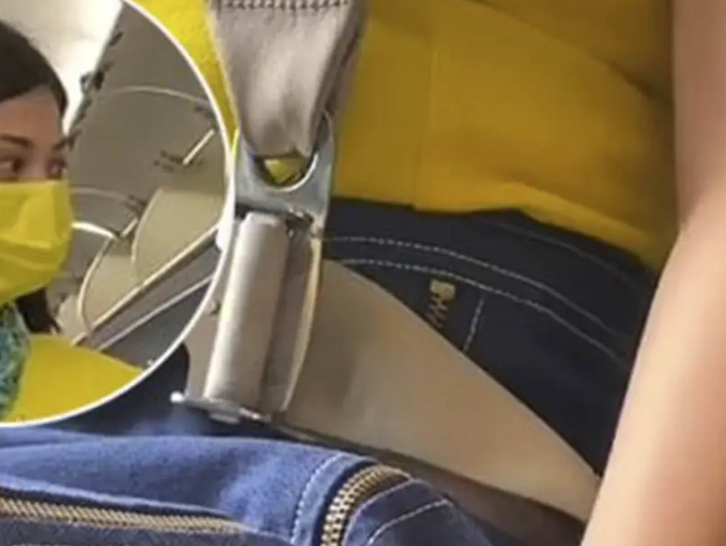
Have you ever looked toward the cabin crew during a flight and noticed something unusual? Instead of resting their hands on their laps or holding the armrests, some flight attendants sit with their hands tucked underneath their thighs.
At first glance, this posture might seem uncomfortable or even unnecessary. After all, flight attendants spend much of their working time assisting passengers, checking the cabin, and making sure everyone is prepared for departure or arrival.
However, there is an important safety reason behind this seemingly simple movement.
Henny Lim, a flight attendant with Cebu Pacific, recently shared an explanation on TikTok that caught the attention of many travelers. According to Lim, placing the hands underneath the thighs is part of a specific aviation safety procedure known as the bracing position. It is designed to help cabin crew members protect themselves if an unexpected impact occurs during one of the most critical phases of a flight.
The Safety Reason Flight Attendants Place Their Hands Under Their Thighs
Takeoff and landing are important stages of every flight. Although commercial aviation has extensive safety procedures, unexpected situations can still occur. An aircraft may experience an abnormal landing, sudden deceleration, or another event that requires crew members to prepare for a possible impact.
That is why flight attendants are trained to adopt designated safety positions when seated for takeoff and landing.
Lim explained that the posture involves several specific steps. Crew members first fasten their seatbelts and sit upright in their assigned seats. They then place their hands underneath their thighs, tuck their thumbs inward, keep their arms relaxed, and position their feet flat on the floor.
Every part of this position serves a purpose. Rather than allowing the body to move freely, the posture helps keep it in a controlled position if the aircraft experiences a sudden movement or impact.
The hands-under-thighs position may look unusual to passengers, but it is not simply a habit or a way to remain comfortable. It is part of a broader approach to reducing the risk of injury during an emergency.
What Is the Bracing Position?
The bracing position is a safety posture used in aviation training to help reduce injuries during certain emergency situations.
When an aircraft experiences a sudden impact, the human body may continue moving because of inertia. Without an appropriate protective position, a person’s arms, legs, or upper body could move uncontrollably and strike nearby surfaces or equipment.
This movement can increase the possibility of injury.
The bracing position is intended to help limit unnecessary body movement and reduce the risk of secondary impacts. In other words, it helps prepare the body for the possibility of sudden deceleration rather than leaving it completely unrestrained.
The exact posture may differ depending on the aircraft, seat design, and applicable safety procedures. Crew members are trained to follow the specific instructions provided for their aircraft and operating environment.
The U.S. Federal Aviation Administration (FAA) also recognizes the safety purpose of bracing positions. Its guidance explains that bracing can help reduce injuries associated with body movement and secondary impacts during an accident.
For flight attendants, this training is particularly important because they must be prepared to respond to emergencies while also protecting themselves.
Flight Attendants Are Doing More Than Just Sitting Still
Perhaps the most surprising part of Lim’s explanation is what cabin crew members are doing mentally while sitting in this position.
Although they may appear quiet and motionless, they are not simply waiting for the aircraft to reach the next stage of the journey.
According to Lim, flight attendants use this time to silently review important emergency procedures. They mentally go through the actions they may need to take if something unexpected happens.
This preparation can include recalling the locations of emergency equipment, reviewing how aircraft doors operate, remembering evacuation commands, and observing the conditions outside the aircraft.
Each detail could become important in an emergency.
For example, knowing where emergency equipment is stored can help crew members respond more efficiently when time is limited. Remembering the correct evacuation commands can help them communicate clearly with passengers. Understanding how the doors operate is also essential because an incorrect action during an emergency could create additional risks.
Flight attendants may also pay attention to what they can see outside the aircraft. Before opening an emergency exit, crew members must consider whether the surrounding conditions make that exit safe to use.
This mental review is part of their preparation for situations that passengers may never experience during an ordinary flight.
Why Takeoff and Landing Require Extra Attention
Passengers often associate airplane safety with the pilots in the cockpit, but cabin crew members also have essential responsibilities.
During takeoff and landing, flight attendants must follow strict procedures designed to prepare the cabin and crew for the possibility of an emergency.
Before departure, they help ensure that passengers are seated, seatbelts are fastened, and cabin items are properly secured. Before landing, they repeat important checks so that the cabin is ready for arrival.
Once seated in their designated positions, they must remain alert and prepared to act if necessary.
These procedures are not performed because an emergency is expected. Instead, they exist because preparation is an important part of aviation safety.
A well-trained crew needs to know what to do before a situation develops, rather than trying to remember every instruction under pressure.
For passengers, the quiet moments before takeoff and landing may seem uneventful. For flight attendants, however, they are an important part of maintaining readiness.
Flight Attendants Are Using Social Media to Share Aviation Safety Tips
Henny Lim is not the only flight attendant who has used social media to explain what happens behind the scenes during air travel.
Other crew members, including Esther Sturrus, have also attracted attention by sharing practical travel advice and details about their professional routines.
Their content covers a variety of subjects, from explaining how passengers can be more considerate during flights to offering simple tips for keeping clothes fresh during long journeys.
These videos give travelers a glimpse into the responsibilities that are not always visible during an ordinary trip.
Many passengers only interact with flight attendants when asking for assistance, ordering refreshments, or receiving safety instructions. Social media provides another opportunity to understand the training and preparation involved in their work.
It can also help correct common misunderstandings. A particular gesture or routine that seems strange to passengers may actually be connected to a carefully designed safety procedure.
What Passengers Can Learn From This Simple Safety Habit
Lim’s explanation highlights an important point: aviation safety depends on many small actions working together.
From fastening a seatbelt to securing loose belongings, following crew instructions, and maintaining the correct seating position, every procedure contributes to a safer cabin environment.
Passengers can also play an important role by paying attention to safety demonstrations and following instructions from cabin crew members. Although frequent travelers may feel familiar with the process, safety information should never be treated as something unimportant.
The next time you see flight attendants sitting upright with their hands tucked beneath their thighs, you may understand why they do it.
They are not simply waiting for takeoff or landing to finish. They are following a trained safety procedure while mentally preparing for the possibility that they may need to respond quickly.
It is a small movement that reflects a much larger responsibility: helping protect everyone on board.
And sometimes, the most important details of air travel are the ones passengers barely notice.