You notice a small, rough bump on your finger while washing your hands. At first, it seems like nothing more than dry skin or a minor irritation. But over the following weeks, the bump becomes more noticeable, and another one appears nearby.
For many people, discovering unusual growths on their hands can immediately raise questions. Is it a common wart? Could it be another skin condition? And why does it seem to be appearing in more than one place?
Warts on the hands are common skin growths caused by certain types of human papillomavirus, commonly known as HPV. Although the word HPV can sound concerning, many HPV types associated with ordinary hand warts are different from the types most commonly associated with genital infections.
Understanding the appearance, possible causes, and available treatment options can make these skin changes much easier to manage.
What Are Warts on the Hands?
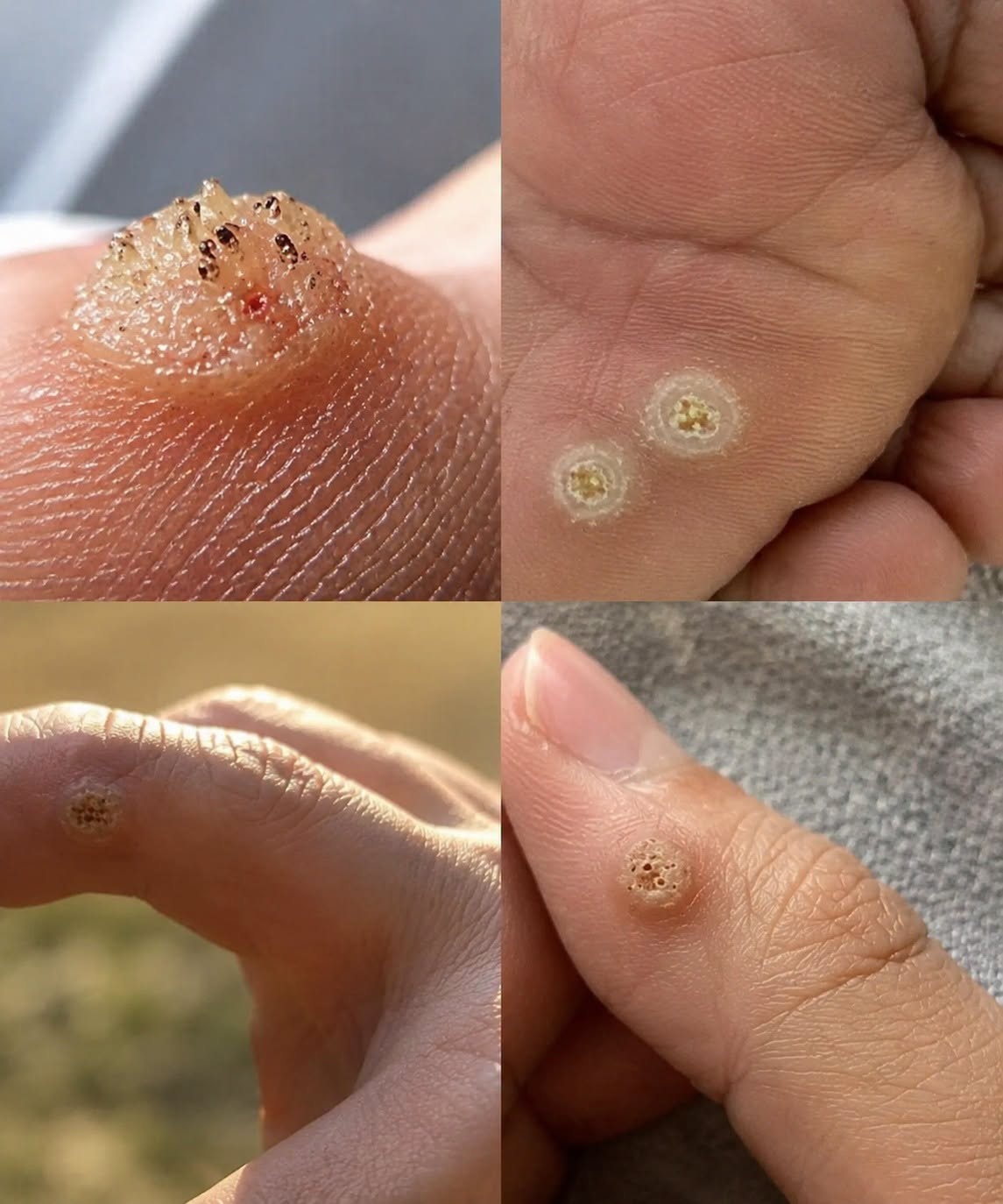
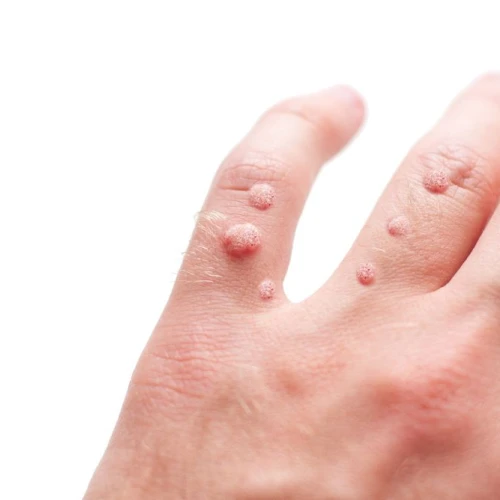
Hand warts are small, noncancerous growths that develop when certain types of HPV infect the outer layer of the skin. Common warts are particularly frequent on the fingers, around the nails, and on the backs of the hands.
They often have a firm, rough or grainy surface and may be similar in color to the surrounding skin. Some appear slightly gray, brown, pink, or lighter than the normal skin tone.
The most common types of HPV responsible for ordinary hand warts include HPV types 1, 2, and 4. These viruses can enter through tiny breaks in the skin that may not even be visible.
A person may notice only one wart, while others develop several over time. In some cases, warts can spread to nearby areas through repeated touching, scratching, or picking.
It is important to distinguish ordinary hand warts from genital warts. Although both are associated with HPV, they are usually caused by different HPV types and occur in different circumstances.
How Do Warts Develop?
HPV is primarily transmitted through direct contact with infected skin or through contact with contaminated surfaces. The virus can enter the skin more easily when there are small cuts, scratches, or irritated areas.
Everyday activities can occasionally create opportunities for transmission. For example, biting fingernails, picking at the skin around the nails, or repeatedly scratching irritated areas may create tiny openings through which the virus can enter.
Warts may also spread from one part of the body to another. Touching a wart and then repeatedly touching another area of damaged skin can potentially transfer the virus.
However, ordinary casual contact does not automatically mean that HPV will be transmitted. Healthy, intact skin provides an important protective barrier.
Shared personal items, such as towels or nail tools, may also provide opportunities for transmission, although the exact risk varies depending on the circumstances.
People with weakened immune systems may be more likely to develop persistent or multiple warts because their immune response may have more difficulty controlling the virus.
Common Symptoms of Hand Warts
The appearance of a wart can vary depending on its location and size.
Rough or Grainy Skin Growths
One of the most recognizable characteristics of a common wart is its rough surface. The growth may feel harder or more textured than the surrounding skin.
Some warts are round and clearly defined, while others have an irregular shape. They can occur individually or develop in clusters.
Small dark dots may sometimes be visible within the wart. These are often associated with tiny blood vessels within the growth and can be one feature that helps a healthcare professional identify a wart.
Changes Around the Fingers and Nails
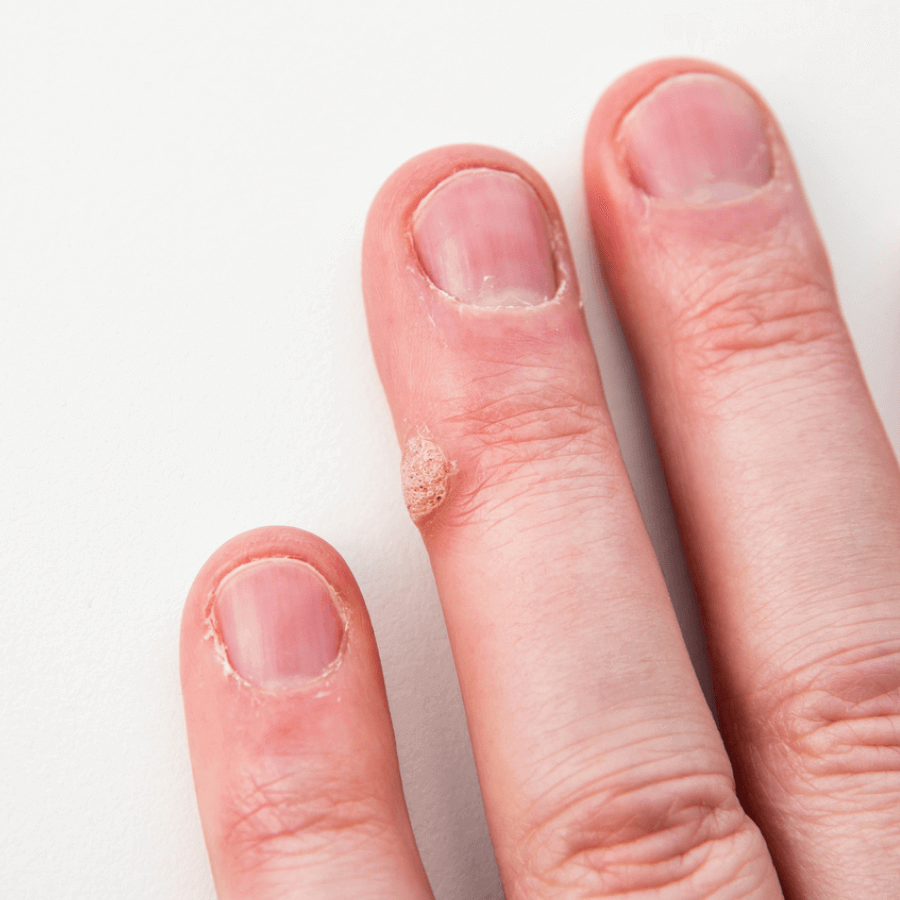
Warts can sometimes develop close to or underneath the fingernails. These locations can be particularly inconvenient because the growth may interfere with everyday activities involving the fingers.
A wart near a nail may also feel uncomfortable when pressure is applied to the area.
Mild Discomfort or Sensitivity
Many hand warts cause no symptoms at all. People may notice them only because of their appearance or texture.
Others can experience mild tenderness, especially when a wart is located in an area that repeatedly comes into contact with objects.
Scratching or picking at a wart may irritate the surrounding skin and potentially contribute to its spread.
Warts Versus Other Skin Conditions
Not every bump on the hand is a wart. Several common skin conditions can look similar, which is why trying to diagnose an unusual growth based solely on photographs or descriptions can be difficult.
A common wart usually has a firm, rough surface. In contrast, some fungal skin conditions may produce areas of scaling, dryness, redness, or itching.
Calluses and areas of thickened skin can also resemble warts, particularly on parts of the hands exposed to repeated friction or pressure.
Some other benign skin growths may have smooth surfaces rather than the rough texture commonly associated with warts.
Because appearances can overlap, a dermatologist or other qualified healthcare professional can provide a more reliable diagnosis when the cause is uncertain.
Are Hand Warts Dangerous?
In most cases, ordinary hand warts are benign and do not represent a serious health problem.
Their main concerns are usually cosmetic, functional, or related to irritation. A wart may become inconvenient if it develops in a location that is frequently used or exposed to friction.
Some warts eventually disappear without treatment as the immune system recognizes and controls the virus. This can take months or sometimes longer.
Other warts remain for an extended period or gradually increase in number.
It is worth seeking professional medical advice if a growth changes significantly, becomes unusually painful, repeatedly returns after treatment, or does not resemble a typical wart.
Professional evaluation is particularly useful when the diagnosis is uncertain. A healthcare provider can determine whether the growth is actually a wart or another type of skin condition.
How Are Hand Warts Diagnosed?
Most common warts can be diagnosed through a physical examination.
A healthcare professional will usually examine the size, shape, texture, color, and location of the growth. They may also ask questions about how long it has been present and whether similar growths have appeared elsewhere.
In unusual or uncertain cases, additional evaluation may be considered.
A small skin sample may occasionally be examined under a microscope when the appearance is atypical or another condition needs to be ruled out.
Routine HPV testing is generally not necessary for typical common warts on the hands. HPV testing is more commonly used in specific clinical situations involving other parts of the body.
For this reason, people should avoid assuming that every hand wart requires extensive laboratory testing. The appropriate evaluation depends on the individual appearance and clinical circumstances.
Treatment Options for Hand Warts
Some warts disappear without treatment, but treatment may be considered when they persist, spread, become uncomfortable, or cause cosmetic concerns.
Salicylic Acid
Salicylic acid is one of the most commonly used treatments for ordinary warts.
It works by gradually removing layers of thickened skin. Products containing salicylic acid are available in different strengths, and following the product instructions is important.
Treatment can take several weeks, and consistent application is often necessary.
People with sensitive skin or certain medical conditions should ask a healthcare professional before using wart treatments at home.
Cryotherapy
Cryotherapy uses extremely cold temperatures to destroy the wart tissue.
It is commonly performed by a healthcare professional using liquid nitrogen. The treatment may need to be repeated depending on the size and location of the wart.
Temporary irritation, tenderness, or changes in the treated skin can occur.
Other Medical Treatments
For persistent or difficult-to-treat warts, a dermatologist may consider additional treatment approaches.
Depending on the individual situation, options may include prescription medications, minor procedures, or other dermatological techniques.
The best approach depends on factors such as the number of warts, their location, their size, and how they have responded to previous treatments.

What Should You Avoid Doing?
One of the most important steps is avoiding unnecessary irritation.
Do not repeatedly pick, cut, or scratch a wart. Doing so can irritate the surrounding skin and may increase the possibility of spreading the virus to nearby areas.
It is also wise to avoid sharing personal items that come into direct contact with the affected area, particularly nail tools, towels, or other items used for personal care.
If you use a file or other tool specifically for a wart, it should not subsequently be used on healthy skin or shared with another person.
Keeping the surrounding skin clean and protected can also help reduce irritation.
How Can You Reduce the Risk of Warts?
There is no guaranteed way to prevent every wart, but several simple habits can reduce opportunities for HPV to enter or spread through the skin.
Keep cuts and scratches clean and protected. Avoid biting your nails or picking at the skin around your fingernails. Wash your hands regularly, particularly after touching a wart.
Avoid sharing personal grooming tools and keep manicure equipment clean.
If you already have a wart, try to minimize unnecessary contact with it. Covering the area when appropriate may also help reduce irritation and accidental touching.
A healthy immune system is another important part of the body’s natural defense against viral infections. Regular sleep, balanced nutrition, physical activity, and general healthy habits can support normal immune function.
When Should You See a Doctor?
Although most hand warts are harmless, professional evaluation is recommended when you are unsure what a skin growth is.
You should consider seeing a healthcare professional if the growth changes noticeably, becomes persistent or painful, repeatedly returns after treatment, spreads extensively, or interferes with normal hand function.
Medical evaluation is also important if the skin change has an unusual appearance or does not respond to typical wart treatments.
Rather than assuming that every unusual bump is a wart, getting an accurate diagnosis can help ensure that the appropriate treatment is chosen.
Final Thoughts
A small bump on the hand can easily become a source of curiosity and concern, especially when it changes slowly or appears alongside other similar growths. In most cases, ordinary hand warts are common, benign skin conditions associated with certain types of HPV.
They can sometimes disappear naturally, while persistent warts may benefit from treatments such as salicylic acid or professional cryotherapy.
The most important lesson is not to panic or attempt aggressive home treatment. Pay attention to changes in your skin, avoid unnecessary irritation, and seek professional advice when the diagnosis is unclear.
Human curiosity often begins with something as simple as noticing a small change on the skin. Learning what that change may mean turns uncertainty into understanding. With accurate information and sensible care, even an unfamiliar skin growth can become a manageable part of everyday health awareness.