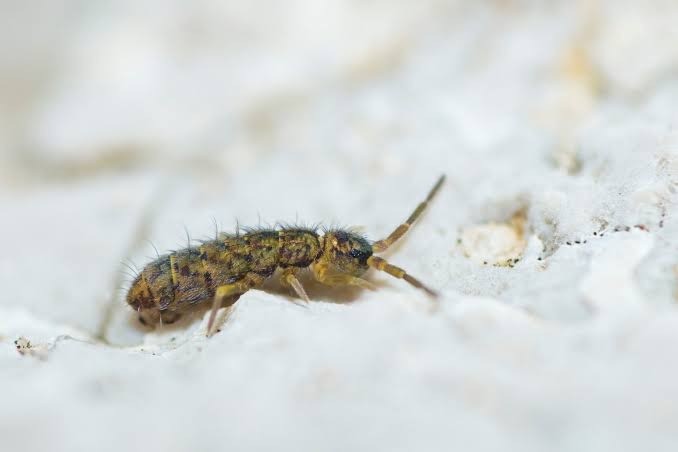
Finding tiny grey specks that suddenly jump around a sink, bathtub, shower tray, or bathroom floor can be surprising. They may look like dust, grit, or small pieces of debris until they move. In many homes, these tiny jumpers are likely to be springtails, a group of very small arthropods that are strongly associated with moisture.
Springtails are generally not harmful to people or pets. They do not bite, sting, or feed on blood, and they are not considered a typical household health threat. Their appearance can, however, be a useful clue that an area is staying damp. Condensation, slow plumbing leaks, wet bathmats, poor ventilation, mould growth, and moisture behind fixtures can all create conditions that support them.
The most effective way to manage tiny jumping specks is usually not aggressive pesticide use. Instead, it is to identify the insect correctly, remove visible specimens, clean the affected area, and—most importantly—reduce the excess moisture that allows them to survive.
What Are the Tiny Grey Jumping Specks in a Bathroom?
Springtails belong to the group Collembola. Although they were historically grouped with insects, they are now commonly described as close relatives of insects within the broader hexapod lineage. They are widespread outdoors, where they play an important ecological role by helping break down decaying plant material and by feeding on fungi, algae, and microorganisms in soil and leaf litter.
Most springtails are extremely small, often only a few millimetres long. Their colours vary by species and may include white, grey, brown, blue-grey, or nearly black. In a bathroom, they can appear as tiny moving dots rather than clearly recognisable animals.
The feature that makes springtails memorable is their jumping action. Many species have a forked appendage beneath the abdomen called a furcula. When released, this structure propels the animal away from a disturbance. The jump is quick and unpredictable, which is why a speck seen on the edge of a basin can seem to disappear instantly.
Springtails need humid conditions because they are vulnerable to drying out. They are therefore more likely to be noticed near damp drains, sink rims, shower seals, wet towels, plant pots, utility areas, and poorly ventilated cupboards. They may enter from outdoor areas, but they can also gather indoors wherever moisture and organic material are available.
How to Tell Springtails Apart From Other Household Pests
It is sensible to avoid assuming that every tiny moving speck is a springtail. Several household pests are often confused with one another, yet their behaviour, location, and appearance differ. Accurate identification can prevent unnecessary treatments and help you focus on the actual cause.
- Springtails: Often found in damp locations, including bathrooms, kitchens, basements, and around houseplants. They may be pale, grey, or dark and can jump when disturbed. They do not bite people.
- Fleas: Fleas are usually darker and laterally flattened. They can jump, but they are parasitic and are often linked to pets, animal bedding, carpets, or upholstered furniture. Flea bites may cause itching in some people.
- Bed bugs: Bed bugs are reddish-brown, oval, and larger than most springtails. They crawl rather than jump and are generally found near beds, furniture, luggage, or seams in fabrics.
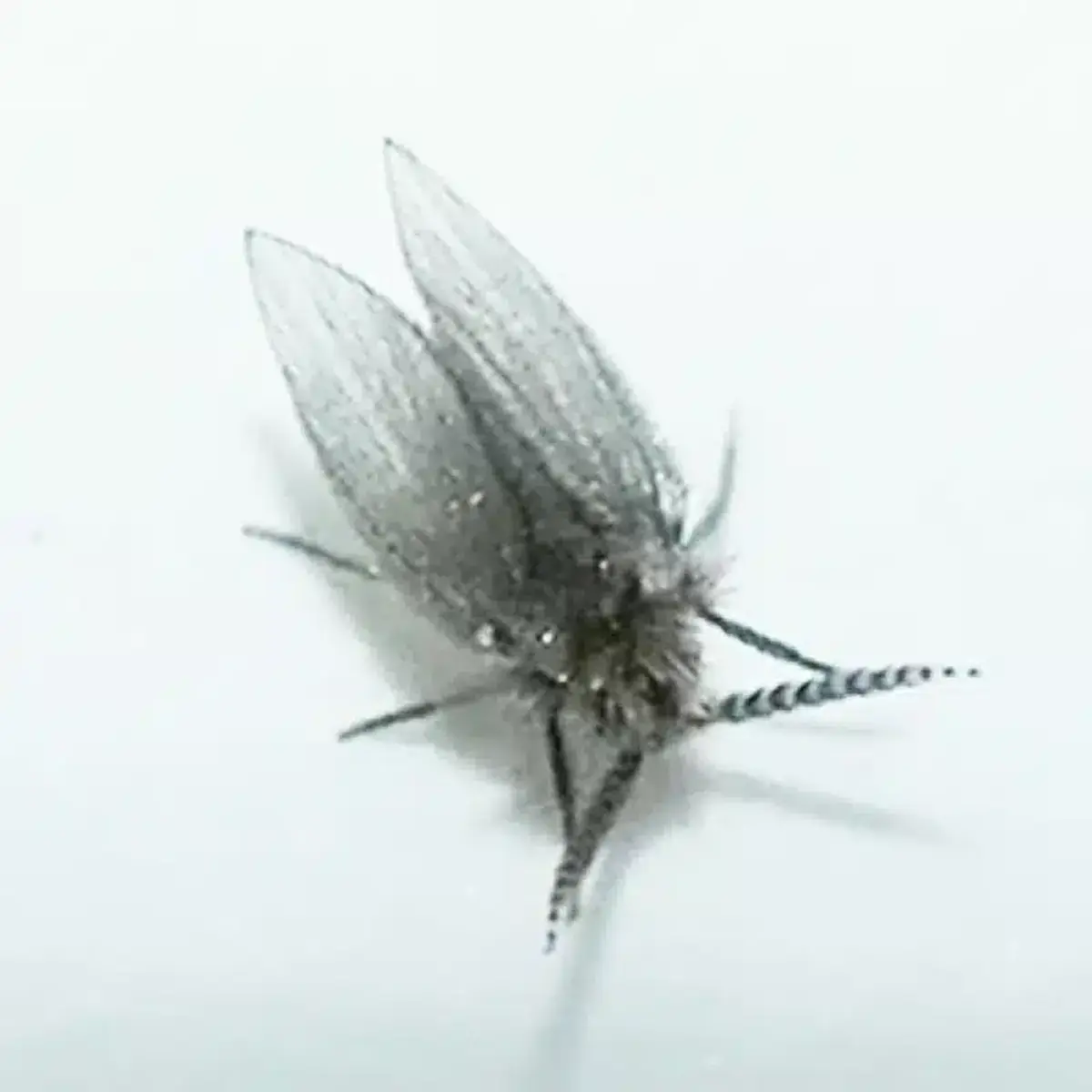
- Drain flies: Drain flies are tiny fuzzy-looking flies that rest on walls near sinks or showers. Unlike springtails, adult drain flies have wings and fly.
- Dust mites: Dust mites are too small to be clearly seen without magnification. They do not jump and are commonly associated with bedding, soft furnishings, and household dust.
If the specks are concentrated around a wet bathtub or sink and spring away when touched, springtails are a reasonable possibility. If you remain uncertain, take a close photograph in good light or ask a reputable pest-control professional, local extension service, or entomology resource for identification.

Why Springtails Appear in Sinks, Bathtubs, and Showers
Springtails are attracted to environmental conditions rather than to people. A bathroom offers several things they need: humidity, water droplets, crevices, fungal growth, and small amounts of organic matter. Their presence does not automatically mean a home is unclean or that a major plumbing failure exists. Even well-maintained homes can experience temporary springtail activity during humid weather.
Common reasons for a sudden increase include:
- High indoor humidity: Steam from showers and baths can remain in the room when ventilation is limited.
- Persistent condensation: Water collecting on windows, walls, pipes, and cooler surfaces can keep nearby spaces damp.
- Small plumbing leaks: A slow drip beneath a sink or behind a bath panel can create an unnoticed damp zone.
- Damaged sealant: Cracked grout or worn silicone around showers and tubs may allow water to reach hidden spaces.
- Mould, mildew, or biofilm: Springtails may feed on fungi and other organic material that develops in wet conditions.
- Wet weather: Rainy or humid periods can increase outdoor springtail populations and encourage movement toward sheltered indoor areas.
- Damp textiles and clutter: Bathmats, towels, sponges, cardboard, and stored items can retain moisture and reduce air circulation.
Although springtails may be seen close to a drain, that does not necessarily mean they are living or breeding inside plumbing pipes. They are often gathering around the moisture on surfaces near the fixture. A drain should still be cleaned routinely, but the wider moisture conditions in the room are usually more important.
Hidden Sources of Moisture to Check in Bathrooms and Kitchens
The source of dampness is not always obvious. A room may look dry after cleaning while moisture remains behind appliances, beneath cabinets, or inside enclosed voids. Looking carefully for patterns can help determine whether the problem is temporary humidity or an issue requiring repair.
Check the following areas:
- Inside cabinets beneath bathroom and kitchen sinks.
- Around pipe joints, shutoff valves, taps, and waste connections.
- At the base of toilets and around the edges of baths or shower trays.
- Behind washing machines, dishwashers, and refrigerators with water connections.
- Along damaged caulk, grout, or silicone seals.
- Under wet bathmats, laundry baskets, storage boxes, and cleaning supplies.
- Near windows, outside-facing walls, and corners where condensation forms.
- Inside poorly ventilated cupboards and beneath enclosed bath panels.
Look for damp wood, swollen cabinet material, peeling paint, recurring stains, a persistent musty smell, or mould that returns after cleaning. These signs do not prove the source of the problem, but they justify a closer inspection. Water damage should be addressed promptly because prolonged dampness can affect building materials and encourage mould growth.
Are Springtails a Sign of a Plumbing Problem?
A few springtails do not automatically indicate a plumbing defect. They may simply have entered during wet weather or found a humid area after a shower. However, repeated sightings in the same location—especially under a sink, behind a toilet, or around a bath panel—can indicate that water is lingering where it should not.
A possible leak becomes more likely when springtails appear alongside water stains, damp cabinetry, loose flooring, bubbling paint, recurring mould, or a musty odour. In these circumstances, removing the insects alone may only provide short-term improvement. The habitat will remain suitable until the water source is corrected.
Homeowners can carry out simple visual checks, but concealed leaks may require a qualified plumber. Avoid dismantling plumbing connections unless you have the skills and tools to do so safely. If water is close to electrical equipment or there is substantial visible damage, seek professional help without delay.
How to Get Rid of Springtails Safely
For most minor springtail problems, a moisture-control approach is practical and effective. The goal is to remove the insects you can see while making the area less hospitable over time.
Remove Visible Springtails
Wipe hard surfaces with a cloth, rinse the cloth appropriately, or use a vacuum with a suitable attachment. Empty or clean the vacuum according to the manufacturer’s instructions. This step reduces the immediate nuisance, although it will not solve an underlying moisture issue by itself.
Clean Damp Surfaces and Organic Residue
Clean sinks, shower edges, tiles, seals, and nearby surfaces using a household product suitable for that material. Follow the manufacturer’s directions carefully. Remove soap residue, hair, standing water, and other debris that can support microbial growth.
Never mix cleaning chemicals. In particular, bleach should not be mixed with ammonia, vinegar, acids, or other cleaners, because hazardous gases may be produced. Ensure good ventilation while using cleaning products and keep them away from children and pets.
Dry the Area Thoroughly
Run an extractor fan during bathing and for a period afterward where practical. Open a window if outdoor conditions allow. Wipe down shower walls, sink rims, and window ledges where water pools. Hang towels and cloths so they can dry fully, and wash bathmats regularly.
Repair Leaks and Damaged Seals
Fix dripping taps, leaking pipes, and faulty appliance connections. Replace deteriorated silicone or grout where water is entering gaps. If a repair is beyond your experience, a plumber or qualified maintenance professional can identify the source and recommend an appropriate solution.
Use Pesticides Carefully, If at All
Insecticides are often unnecessary for springtails when moisture control is successful. Products may provide limited short-term reduction but do not eliminate the damp conditions that attract them. If a pesticide is considered, use only a product legally approved and labelled for the intended location and pest, and follow every safety instruction. Do not apply products into drains unless the label specifically permits that use.
How to Prevent Springtails From Returning
Long-term prevention depends on maintaining a drier indoor environment. The United States Environmental Protection Agency advises controlling moisture as a central way to limit mould growth indoors. This principle is also relevant to springtails because the same damp conditions can support both fungal growth and moisture-loving arthropods.
- Use bathroom and kitchen extractor fans consistently and keep vents clean.
- Repair leaks as soon as they are noticed.
- Wipe down wet surfaces after showering, bathing, or washing dishes.
- Dry towels, mats, and sponges between uses.
- Inspect under-sink cabinets and behind appliances periodically.
- Keep indoor humidity at a moderate level; a hygrometer can help monitor it.
- Address recurring condensation by improving ventilation, insulation, or heating practices where appropriate.
- Keep gutters, downspouts, and exterior drainage functioning so water does not collect near the building.
- Avoid overwatering indoor plants and empty saucers that retain standing water.
The ideal humidity level varies with climate and building conditions. The EPA commonly recommends keeping indoor relative humidity below 60%, ideally between 30% and 50%, to help control moisture and mould. In very cold climates, lower levels may be necessary to reduce window condensation.
When to Call a Plumber or Pest-Control Professional
Do-it-yourself measures are usually suitable when only a small number of springtails appear in one damp area and the likely source of moisture is easy to correct. Monitor the area after cleaning and drying it. If the numbers decline, the moisture-control plan is likely working.
Consider contacting a plumber if you notice damp cabinets, a persistent drip, unexplained water use, staining, warped materials, or moisture around pipes and fixtures. A professional can investigate concealed leaks and make repairs that may prevent further damage.
Consider pest-control advice if the insects remain numerous after moisture problems have been addressed, appear throughout several rooms, or cannot be confidently identified. A qualified professional can distinguish springtails from fleas, bed bugs, or other pests and recommend proportionate treatment. In some cases, both plumbing and pest-control expertise may be useful, but resolving the water issue should remain the priority.
Are Tiny Grey Jumping Specks Harmful to Health?
Springtails themselves are generally considered harmless in homes. They do not bite or sting, and they are not known to spread disease to people. Their presence can still be worth investigating because persistent moisture may contribute to mould growth.
According to public-health guidance, damp indoor environments and mould can aggravate symptoms in people who have allergies, asthma, or other respiratory sensitivities. Not everyone reacts in the same way, but recurring dampness, visible mould, or a strong musty odour should not be ignored. The practical response is to remove the moisture source, clean affected materials appropriately, and obtain professional advice for larger or recurring mould problems.
Final Thoughts
Tiny grey jumping specks in a sink or bathtub are often springtails: small moisture-loving arthropods that can become noticeable in bathrooms, kitchens, and other humid spaces. They are usually a nuisance rather than a direct health hazard, and their sudden movement can make them seem more alarming than they are.
The most reliable solution is to focus on moisture. Remove visible springtails, clean the affected surfaces, dry the room thoroughly, improve ventilation, and investigate leaks or damaged seals. If the insects continue to return or signs of dampness are present, professional inspection can help identify the underlying cause. By making wet areas drier and better ventilated, you can reduce springtail activity and support a cleaner, more comfortable home.
Sources
Disclaimer: This content is intended for entertainment purposes only and is not based on real events.