A Simple Household Item Sparks Big Questions
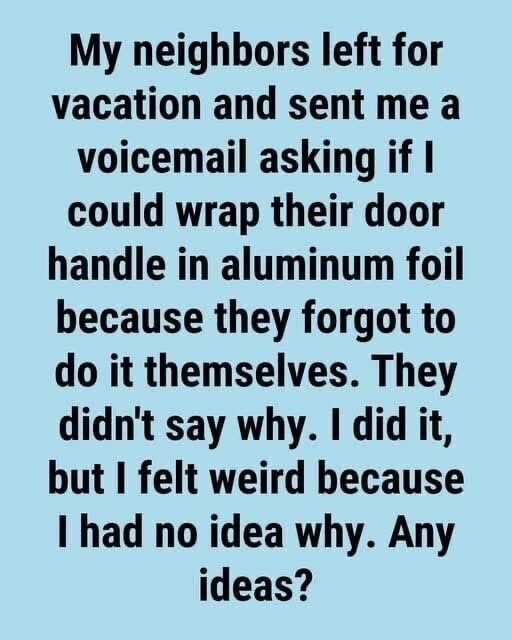
Imagine walking through your neighborhood early in the morning and noticing something unusual. A nearby homeowner has wrapped aluminum foil around their front door handle.
At first glance, it might seem strange. Why would anyone cover a door handle with kitchen foil?
Over the years, photos and social media posts showing aluminum foil wrapped around door handles have generated curiosity and debate. Some online discussions describe it as a clever home security trick. Others dismiss it as an ineffective myth. The reality lies somewhere in between.
While aluminum foil is certainly not a replacement for quality locks, security cameras, or proper outdoor lighting, some homeowners believe it can serve as a simple and inexpensive way to increase awareness of activity around their property.
Understanding why people use this method requires looking at both practical security concepts and the psychology behind low-cost protective measures.
What Is the Aluminum Foil Door Handle Method?
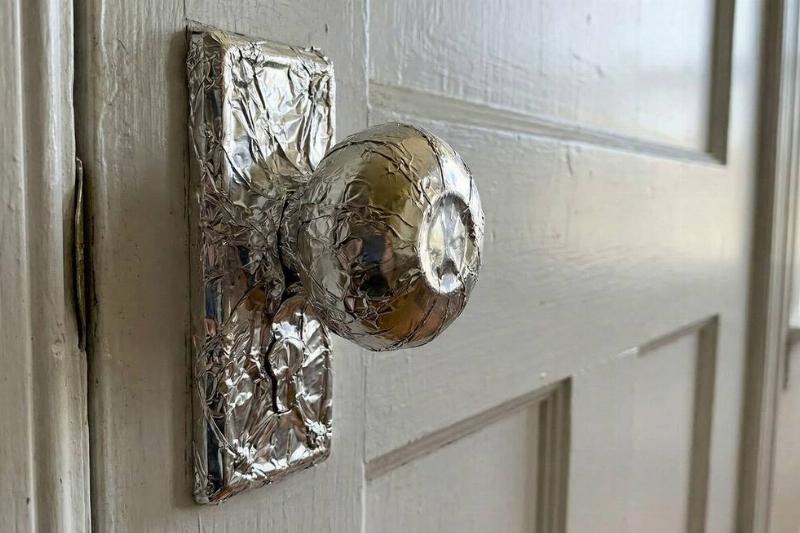
The aluminum foil door handle method involves wrapping a layer of household aluminum foil around the exterior handle of a door.
The concept is straightforward.
If someone touches or manipulates the handle, the foil may become wrinkled, torn, or displaced. The homeowner can then inspect the foil later to see whether it appears unchanged or disturbed.
Supporters of the technique suggest that it serves as a basic tamper indicator rather than a security barrier.
In other words, the foil does not prevent someone from attempting to open a door. Instead, it may provide clues that the handle was touched or manipulated.
This distinction is important because many online discussions exaggerate what the method can actually accomplish.
The Origins of the Idea
The exact origin of the aluminum foil door handle trick is difficult to trace.
Similar concepts have existed for decades in various forms.
Before modern security systems became affordable and widely available, people often relied on simple indicators to determine whether a door or window had been disturbed.
For example, some homeowners placed lightweight objects near entry points. Others used small pieces of tape, paper, or string to identify movement.
These methods were not designed to stop unauthorized entry. Instead, they acted as visual markers that could reveal whether an area had been disturbed.
The aluminum foil technique follows the same basic principle.
How the Method Is Supposed to Work
Supporters generally cite three potential benefits.
Visual Tamper Evidence
The primary purpose is visual detection.
Because aluminum foil wrinkles easily, any contact with the handle may leave visible marks.
If the foil appears significantly different from when it was first applied, a homeowner may suspect that someone touched the handle.
However, it is important to recognize that many harmless factors can also alter the foil’s appearance.
Weather conditions, strong wind, temperature changes, pets, or accidental contact can all affect the material.
Therefore, foil should never be treated as proof that someone attempted to enter a property.
Audible Awareness
Another commonly mentioned advantage is sound.
Aluminum foil creates a noticeable crinkling noise when handled.
In a quiet environment, that sound may be easier to hear than the movement of a bare door handle.
Some homeowners believe the noise could alert them to activity near an entrance during nighttime hours.
While this is possible under certain conditions, its effectiveness depends heavily on distance, environmental noise, and individual circumstances.
Psychological Deterrence
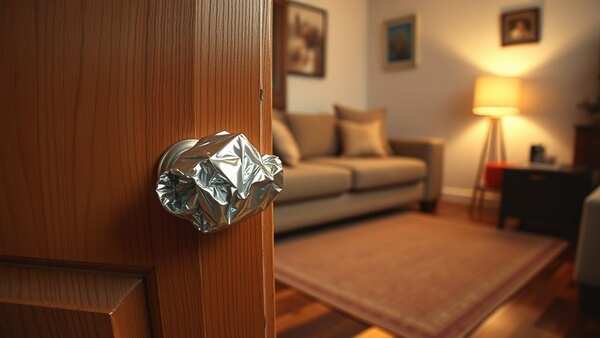
Some people suggest that visible foil may create uncertainty for a potential intruder.
An unusual security measure might cause someone to wonder whether additional monitoring systems are present.
Security experts often note that uncertainty can influence behavior.
However, there is little scientific evidence showing that aluminum foil specifically acts as a meaningful deterrent.
Its psychological impact likely varies depending on the situation.
The Science Behind Tamper Indicators
From a scientific perspective, aluminum foil possesses characteristics that make it useful as a basic tamper indicator.
The material is thin, lightweight, and highly susceptible to deformation.
Even minor pressure can leave visible impressions.
Because of this property, foil can record evidence of contact more easily than many other household materials.
This principle is similar to how manufacturers use tamper-evident seals on products.
The goal is not necessarily to stop access but to reveal whether access may have occurred.
However, unlike professionally designed tamper-evident materials, household foil is not standardized or controlled.
Its appearance can change for many reasons unrelated to human interaction.
Therefore, any conclusions drawn from disturbed foil should remain cautious and reasonable.
Common Myths About Aluminum Foil and Home Security
The popularity of this method has led to several misconceptions.
Myth 1: Foil Prevents Intrusion
Some social media posts imply that aluminum foil makes a door significantly more secure.
This is inaccurate.
Foil adds virtually no physical protection to a door or lock.
A person capable of opening a door would not be stopped by a thin layer of aluminum.
The method is purely observational.
Myth 2: Disturbed Foil Confirms Criminal Activity
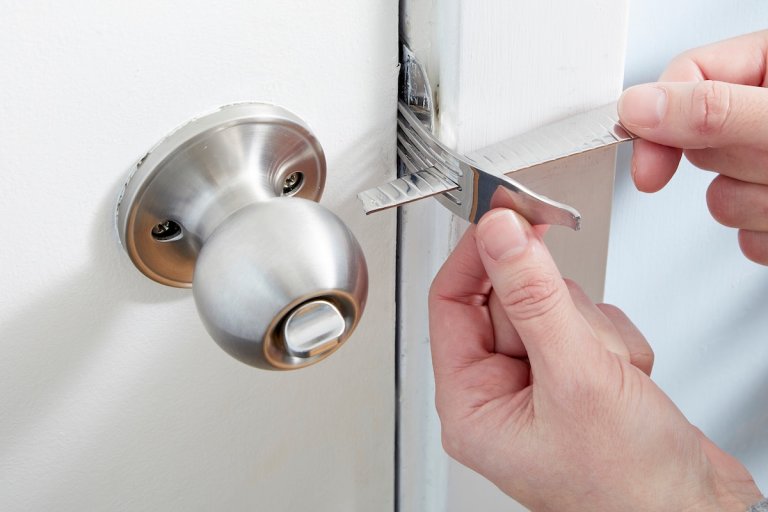
A wrinkled piece of foil does not automatically indicate malicious intent.
Many innocent explanations exist.
Environmental conditions, maintenance activities, visitors, or accidental contact can all affect the foil.
Any observation should be interpreted carefully and within context.
Myth 3: Foil Replaces Security Systems
No security professional recommends aluminum foil as a substitute for proper security measures.
Reliable protection comes from layered security strategies that combine physical barriers, visibility, monitoring, and awareness.
Foil can only serve as a supplemental observation tool.
What Security Experts Recommend Instead
When evaluating home security, professionals generally focus on proven measures.
Strong Locks
Quality deadbolts and properly installed locks remain among the most effective first lines of defense.
A secure locking system significantly increases resistance to unauthorized entry.
Outdoor Lighting
Well-lit entrances improve visibility and reduce concealed areas around a property.
Motion-activated lighting can provide additional awareness without increasing energy consumption.
Security Cameras
Modern camera systems offer real-time monitoring, recorded footage, and mobile alerts.
These technologies provide substantially more reliable information than simple physical markers.
Door and Window Maintenance
Even the best lock cannot compensate for a weak frame or damaged hardware.
Regular inspection and maintenance help ensure that security components function properly.
Community Awareness
Neighbors who communicate and watch out for one another often contribute significantly to neighborhood safety.
Awareness and cooperation remain valuable components of any security strategy.
Why People Still Like Simple Security Hacks
Despite advances in technology, low-cost security ideas continue to attract attention.
There are several reasons for this.
First, they are accessible.
Not everyone can immediately invest in sophisticated monitoring systems.
A roll of aluminum foil is inexpensive and available in almost every household.
Second, simple actions can create a sense of involvement.
People often feel more secure when they actively participate in protecting their homes.
Third, low-tech methods can complement broader security plans.
Even if they provide limited practical value, they may encourage homeowners to think more carefully about entry points and household safety.
The key is maintaining realistic expectations.
The Psychology of Visible Precautions
Researchers studying security behavior often note that visible precautions can influence how people perceive risk.
When individuals take even small protective actions, they may become more attentive to their surroundings.
This increased awareness can be beneficial.
However, there is also a potential downside.
If a simple measure creates a false sense of security, people may become less likely to invest in more effective protections.
Experts generally recommend using visible precautions as reminders rather than relying on them as primary safeguards.
Should You Try the Aluminum Foil Method?
Whether to use aluminum foil on a door handle is ultimately a personal choice.
As a temporary tamper indicator, it may provide a small amount of observational value.
As a conversation starter about home security, it certainly succeeds.
However, homeowners should understand its limitations.
The method cannot verify intentions, identify visitors, prevent entry, or replace established security practices.
Those seeking meaningful improvements in home protection should prioritize proven solutions such as quality locks, lighting, cameras, and regular property maintenance.
Viewed realistically, aluminum foil is best considered an inexpensive supplement rather than a security solution.
The Bigger Picture: Why Security Myths Spread Online
Stories about unusual home security tricks often become popular because they combine simplicity with curiosity.
People naturally enjoy discovering clever uses for everyday objects.
A common kitchen item transformed into a supposed security tool creates an appealing narrative.
Social media platforms further amplify these stories because they are easy to share and discuss.
Yet the popularity of a claim does not automatically confirm its effectiveness.
The best approach is to evaluate such ideas with a combination of curiosity and critical thinking.
Conclusion
The idea of wrapping aluminum foil around a door handle illustrates how simple household items can inspire surprisingly large conversations about safety and security.
While the method may function as a basic visual indicator of contact and may produce a noticeable sound when disturbed, there is no evidence that it provides significant protection on its own. Its value lies primarily in observation and awareness rather than prevention.
For homeowners, the most effective approach remains a combination of strong locks, adequate lighting, reliable monitoring systems, and good security habits. Simple techniques like the foil method can serve as supplemental tools, but they should never replace proven safeguards.
Ultimately, the enduring fascination with tricks like this reflects something deeply human: our desire to understand potential risks, find creative solutions, and feel more secure in the spaces we call home. Curiosity drives us to explore these ideas, while critical thinking helps us separate useful practices from exaggerated claims.
Sources
- National Crime Prevention Council (NCPC)
- U.S. Department of Justice – Home Security Resources
- International Association of Chiefs of Police (IACP)
- Consumer Reports Home Security Guides
- National Institute of Standards and Technology (NIST) Security Publications
- Federal Trade Commission (FTC) Consumer Safety Resources
- University research on situational awareness and environmental design for crime prevention (CPTED) principles.