
The Meaning and Significance of the “M” Marking on the Palm
Introduction to Palmistry
Palmistry, also known as chiromancy or palm reading, is the ancient practice of analyzing the lines and features of a person’s hand to interpret their personality traits, life experiences, and potential future. Emerging from the traditions of numerous cultures—including Indian, Chinese, Egyptian, and Greek civilizations—palmistry has evolved into both a spiritual practice and an area of cultural interest. Among the myriad of markings studied in palmistry, the “M” shape that sometimes appears on the palm stands out for its rarity and its alleged significance in personality and destiny interpretations.
The Origin and History of Palmistry
The roots of palmistry can be traced back thousands of years. Historical records suggest that the practice originated in India, was adopted by the Babylonians, Egyptians, and Greeks, and was later introduced to Western societies during the classical era. Over centuries, palmistry was shaped by mysticism and metaphysical philosophies before gaining popularity during the Renaissance and Victorian eras. Today, it is practiced worldwide as both an esoteric art and a tool for self-reflection.
Practitioners of palmistry analyze several elements of the hand, including mounts, shapes, and, most notably, the major and minor lines. Each line is thought to correlate with various aspects of human experience, such as the heart, head, fate, and life itself.
What Is the “M” Marking?
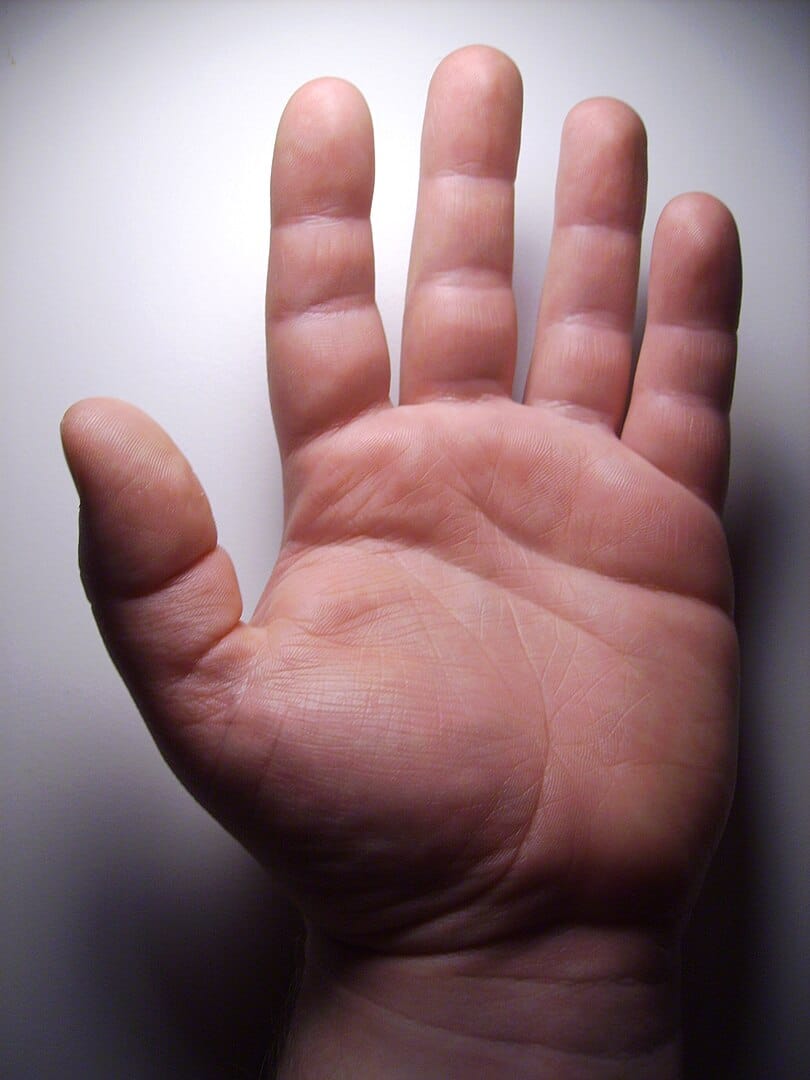
In palmistry, the “M” marking refers to a distinct pattern created where the major lines—heart line, head line, and life line—intersect or visually form the shape of the letter “M” on the palm. This configuration does not appear on every palm and is considered unique, found in roughly 1-2% of the global population.

According to tradition, this particular marking has been associated with intuition, strong character, leadership qualities, and success in both personal and professional domains. Some palmists believe that those with this symbol on their palm possess not only intelligence and determination but also enhanced perception—a keen ability to recognize dishonesty and make insightful decisions.
The Traits Associated with the “M” Marking
The “M” marking in palmistry is often linked with a unique blend of qualities:
- Intuition: Individuals are believed to have a strong gut instinct and are often able to navigate complex situations successfully.
- Leadership: The capacity for leading others and making decisions with self-confidence is frequently attributed to this marking.
- Success in endeavors: The “M” shape is seen as an indicator of outstanding potential for achievement, especially in roles that require communication and strategic thinking.
- Honesty detection: Many palmists assert that people with this marking are particularly adept at sensing untruths.
While these interpretations are drawn from the lore and literature of palmistry, it is important to recognize that there is currently no scientific evidence validating these characteristics as direct outcomes of having the “M” marking.
The Importance of Hand Dominance
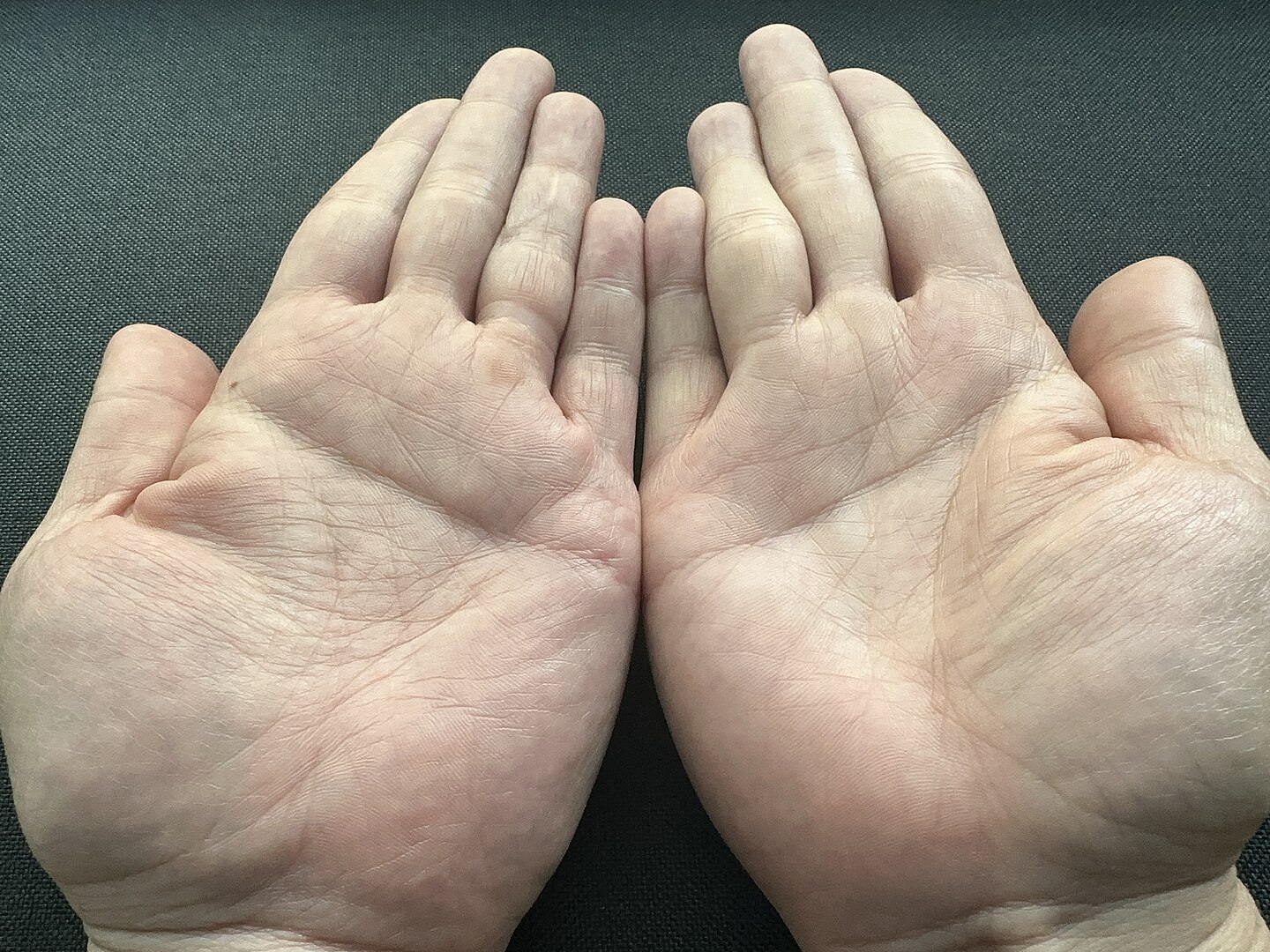
Another belief in palmistry is that the dominance of a person’s hand plays a significant role in the reading. If the “M” marking is most pronounced on the left hand of a right-handed person (or vice versa), some schools of thought suggest that this alignment amplifies the associated traits even further. The dominant hand is traditionally studied as a reflection of the present and future, while the non-dominant hand is thought to indicate inherited traits and potential.
How Common Is the “M” Marking?
The rarity of the “M” marking heightens its perceived significance. Although lines and markings on palms can vary widely among individuals, the intersection forming a clear “M” is estimated to occur in only about 1-2% of people. Practitioners often note that those with this marking tend to excel in activities and careers that value leadership, complex problem-solving, and communication skills, such as management, teaching, or entrepreneurship.
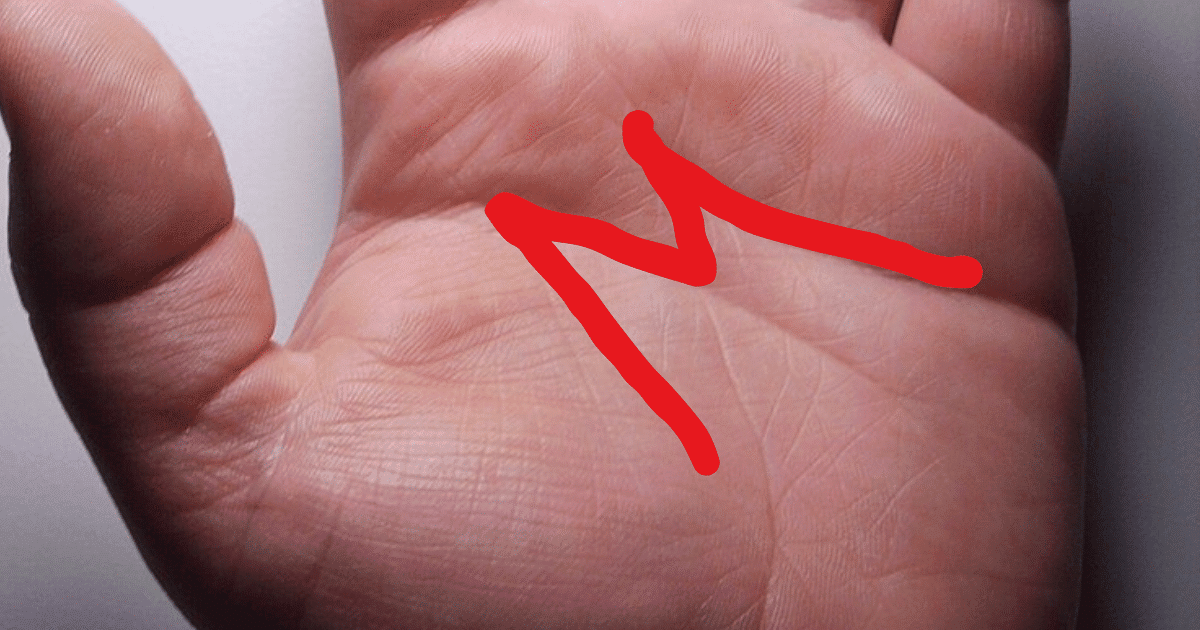
Whether present on one or both palms, this mark is interpreted by devotees of palmistry as indicative of a life defined by notable achievements, resilience, and a balanced approach to challenges. This symbolism has reinforced the “M” marking’s allure among those interested in personal reflection and self-improvement through the lens of palmistry.
Perspectives from Scholars and Experts
Expert views on palmistry and the “M” marking are varied. From an academic standpoint, mainstream science considers palmistry to be a pseudoscience—a belief system lacking empirical support and replicable data. Studies have shown that there is no scientific linkage between the lines on the palm and a person’s psychological or personal traits. Most experts in psychology and anatomy emphasize that hand lines are determined by genetics and in utero development, not by character or destiny.
However, sociologists and historians recognize the value of palmistry as a cultural and psychological phenomenon. Across the world, palmistry is embraced as a tool for reflection, self-discovery, or entertainment. In some societies, it remains intertwined with traditions, ceremonies, and rites of passage. The continued fascination with the “M” marking underscores humanity’s enduring curiosity about fate, personality, and the search for meaning in physical features.
Global and Societal Interpretations
Interpretations of palm markings can differ across countries and traditions:
- In some Asian and Middle Eastern cultures, the “M” shape has been viewed as a favorable sign, associated with wisdom and prosperity.
- In Western palmistry, the “M” is often celebrated as an indicator of charisma, resourcefulness, and potential for leadership.
- Contemporary societies often approach palmistry as a way to spark conversation and self-reflection rather than a factual analysis of one’s abilities or fate.
As interest in alternative spirituality, mindfulness, and self-exploration grows, the symbolic meanings attached to palm lines—including the “M” marking—continue to be a topic of intrigue across podcasts, books, and workshops.
The Role of Critical Thinking
While the allure of having a rare marking such as the “M” can inspire newfound confidence and curiosity in those who discover it, it is essential to approach all pseudoscientific claims with critical thinking. Individuals are encouraged to enjoy the interpretive aspects of palmistry with a spirit of open-mindedness, but not to base life-changing decisions solely on hand readings. Personal growth, success, and leadership are shaped by environmental factors, education, opportunity, and personal effort, rather than palm lines alone.
Conclusion: Balancing Tradition with Modern Insight
The “M” marking on the palm remains a fascinating topic at the crossroads of tradition, cultural symbolism, and personal curiosity. For centuries, it has been celebrated as a harbinger of intuition, leadership, and success. While there is no scientific backing for the predictive power of palmistry, the practice persists as a source of inspiration for those seeking meaning, self-reflection, or a greater sense of destiny.
Understanding the symbolism of palm markings invites us to reflect not just on ancient beliefs but on the universal human quest for self-knowledge and direction. Whether viewed as a mystical sign or a conversation starter, the “M” marking illustrates how cultural practices can continue to shape our understanding of individuality and potential in the modern world.
Sources
- BBC – The History of Palmistry
- Reuters – Modern Science and Palmistry
- The Guardian – Palm Reading: Why do people do it?
- Simple Wikipedia – Palm Reading
Disclaimer: This content is intended for entertainment purposes only and is not based on real events.