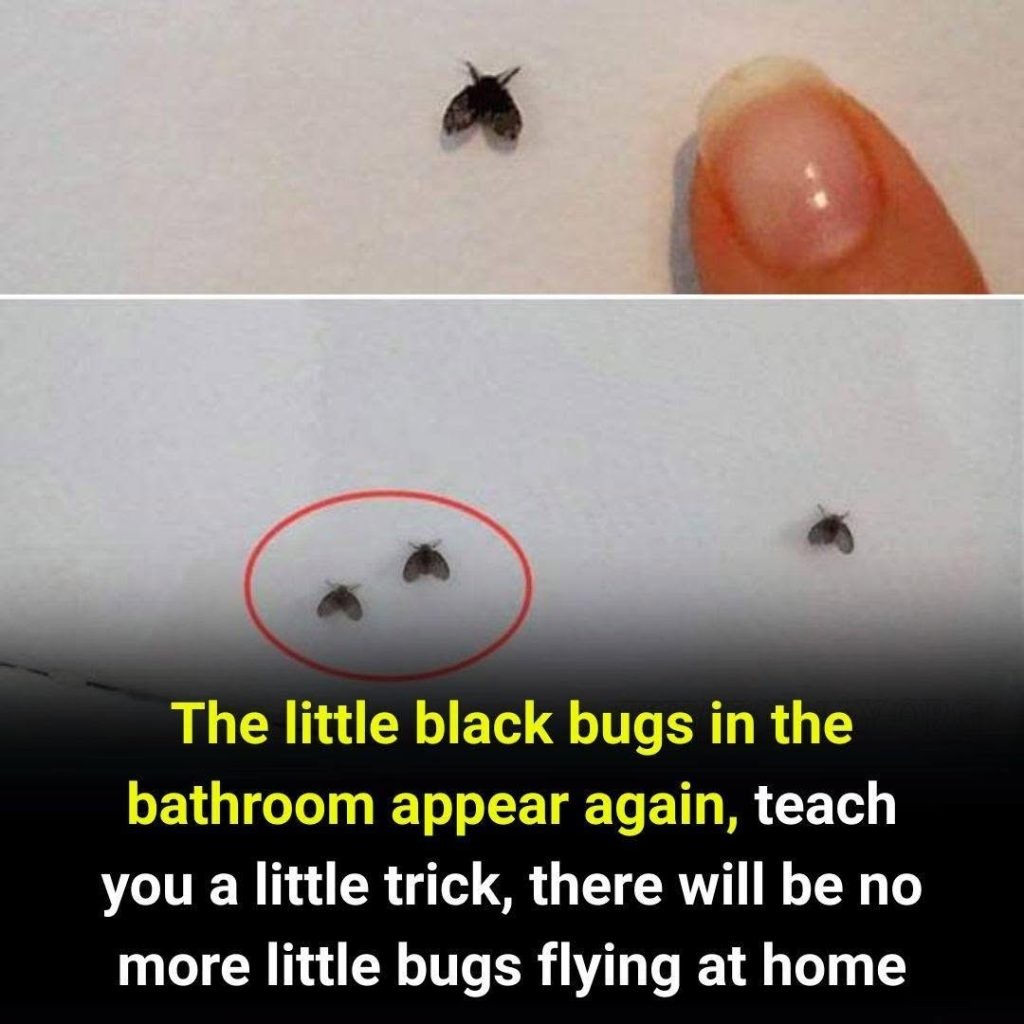
Have you noticed tiny, fuzzy insects resting on the walls of your bathroom, kitchen, laundry room, or basement? These small flies often resemble miniature moths, with broad wings, short bodies, and a soft, hairy appearance. They are commonly called drain flies, moth flies, filter flies, or sewer flies.
Drain flies can be frustrating, especially when they seem to reappear shortly after being swatted or vacuumed. The key to controlling them is not simply removing the adult insects that are visible on walls and ceilings. Successful drain fly removal depends on finding and cleaning the moist organic material where their larvae develop.
In most homes, that source is a drain, plumbing fixture, floor drain, sink overflow opening, or another damp area containing buildup. Regular cleaning, proper drainage, and attention to leaks can usually resolve a minor infestation without the need for aggressive chemicals.
What Are Drain Flies?
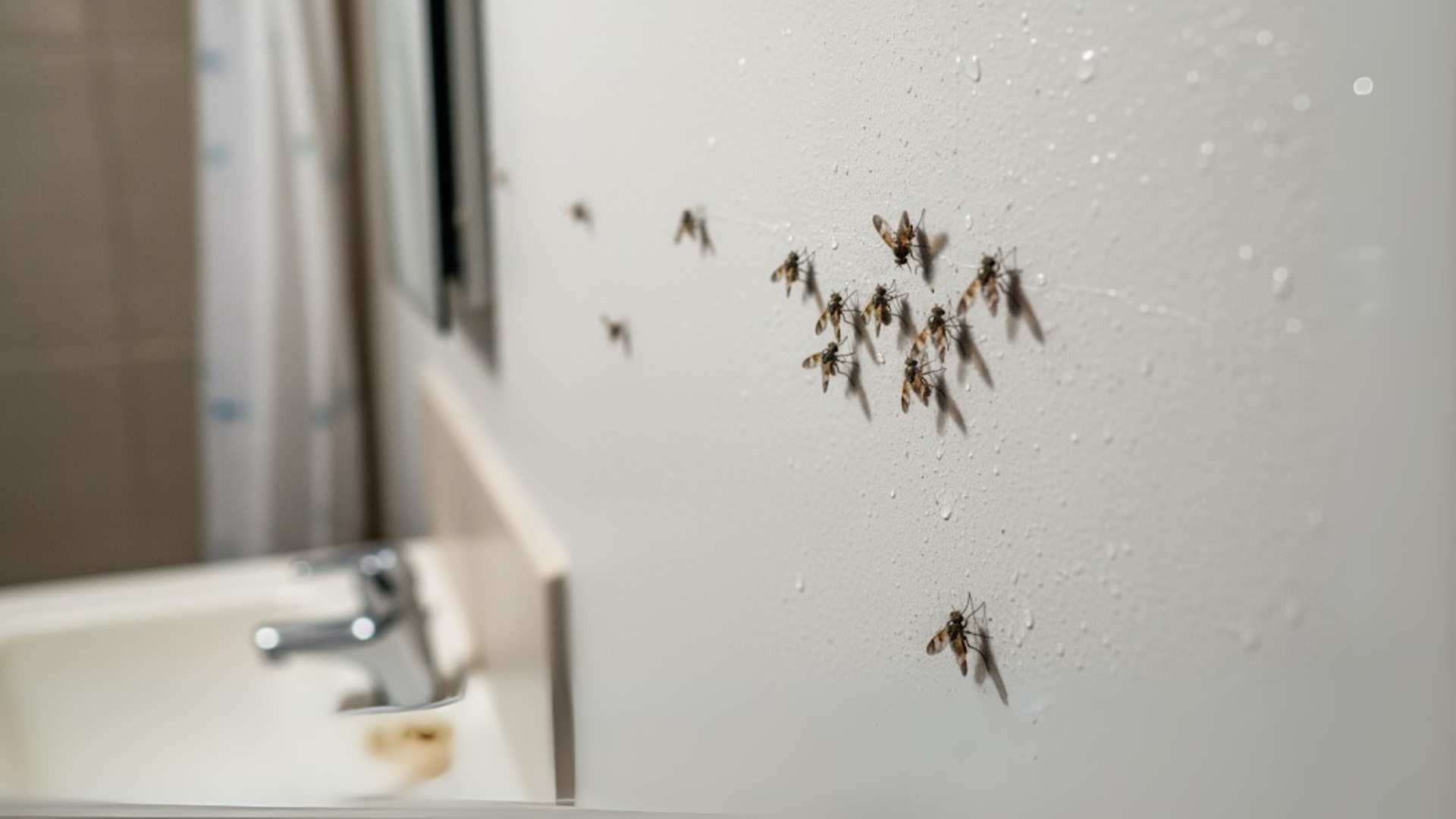
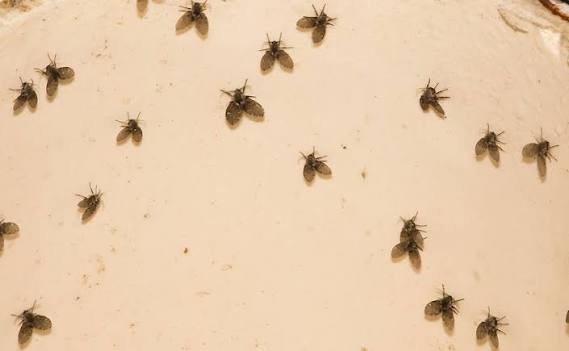
Drain flies belong to the insect family Psychodidae. The species most often found indoors are small, usually only a few millimetres long, and are often gray, brown, or dark in colour. Their wings are held roof-like over the body when they are resting, creating the moth-like shape that gives them one of their common names.
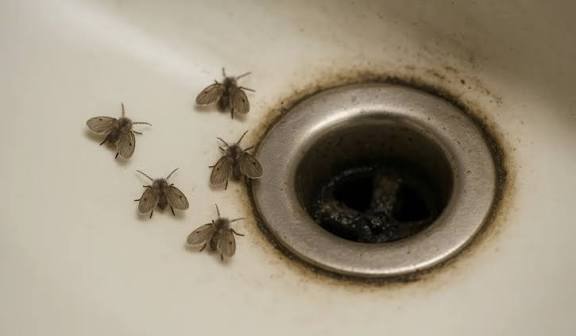
Adult drain flies are weak fliers. Instead of moving quickly around a room like fruit flies or houseflies, they often crawl or make short, fluttering flights before settling on a nearby surface. They are most likely to be found near sinks, shower drains, bathtubs, toilets, utility rooms, and floor drains.
Although people sometimes call them “sewer flies,” their presence does not automatically mean that a home has a sewer problem. They can breed in any consistently damp place containing a thin layer of organic material. This may include residue inside a slow drain, sludge in a rarely used floor drain, debris in a sink overflow channel, or moisture around a plumbing leak.
Why Drain Flies Appear Indoors
Drain flies are attracted to wet environments where organic matter has accumulated. Their larvae feed on microorganisms and decomposing material found in biofilm, the slimy layer that can develop inside pipes and drains. Common sources include hair, soap scum, toothpaste residue, skin cells, grease, food particles, and other household debris.
Bathrooms and kitchens provide suitable conditions because they are used frequently and contain plumbing fixtures that remain damp. A drain that appears clean from above may still have a coating of buildup along the inner walls of the pipe. This coating can support larvae even when water flows normally.
Other possible breeding areas include:
- Slow-moving or partially blocked sink, shower, and bathtub drains
- Garbage disposal units and kitchen sink strainers
- Overflow openings in bathroom sinks
- Unused floor drains in basements, laundry areas, or utility rooms
- Condensate pans and drains connected to air-conditioning equipment
- Wet mops, cleaning buckets, or poorly maintained mop sinks
- Leaks beneath sinks, behind appliances, or near damaged pipes
- Standing water around plumbing fixtures or in outdoor drainage areas close to the home
A few adult flies do not always indicate a major problem. However, repeated sightings over several days may mean that adults are emerging from an active breeding site. Since the insects develop quickly under favourable conditions, addressing the source promptly is more effective than relying on sprays alone.
Are Drain Flies Harmful?
Drain flies are generally considered nuisance pests. They do not bite people, sting, or feed on blood. They are not widely recognized as major transmitters of disease in ordinary household settings. Still, they may come into contact with drains, wastewater residue, and decaying material, so their presence can be an indicator that a fixture needs cleaning or that excess moisture should be investigated.
Good sanitation remains important in any kitchen or bathroom. Keeping drains clean, food-preparation areas hygienic, and plumbing in good repair helps reduce conditions that attract a range of household pests. If flies are coming from a damaged sewer line, a persistent leak, or a drain with a plumbing defect, professional assessment may be appropriate.
How to Confirm That Flies Are Coming From a Drain
Before treating a suspected drain, it helps to confirm the source. One simple approach is to place clear tape loosely over the opening of a dry or suspected drain overnight, with the sticky side facing down. Do not seal the drain completely if it is actively used. If small flies become trapped on the tape by morning, the drain may be a breeding site.
Check several locations rather than assuming the nearest drain is responsible. Inspect bathroom and kitchen sinks, showers, tubs, floor drains, laundry drains, and seldom-used fixtures. Also look for standing water, wet cabinets, and slow drainage. If you cannot find a source indoors, consider whether the insects may be entering from an outdoor area or breeding in a nearby plumbing void.
Step 1: Physically Clean the Drain
Physical cleaning is the most important step in drain fly control. Pouring a product down a drain may not remove the biofilm clinging to pipe walls, while scrubbing directly targets the material that supports larvae.
Start by removing the drain cover or stopper if it can be safely detached. Wear household gloves and remove visible hair, food residue, or debris. Use a stiff, flexible drain brush designed for plumbing fixtures to scrub the interior surfaces that you can reach. Pay attention to the underside of drain covers, stoppers, sink strainers, and the area immediately below the opening.
In a kitchen, clean the sink strainer and the rubber splash guard around a garbage disposal, if present. For bathroom sinks, do not overlook the overflow opening near the top of the basin. This narrow channel can stay damp and collect residue. A small brush may be useful for cleaning it.
After brushing, flush the fixture with water according to the plumbing manufacturer’s guidance. If the drain is slow, use a plunger or seek plumbing advice rather than assuming that a drain fly treatment will resolve the blockage. Cleaning may need to be repeated over several days to remove remaining buildup and interrupt the insects’ life cycle.
Step 2: Use Enzymatic or Biological Drain Cleaners Carefully
An enzymatic or biological drain cleaner may help reduce organic deposits after physical scrubbing. These products are formulated to break down residue through enzymes or beneficial microorganisms. They are often intended for routine drain maintenance rather than for clearing severe clogs.
Choose a product specifically labelled for the type of drain and plumbing in your home, and follow the manufacturer’s instructions exactly. Many products work best when left in place for a recommended period, often overnight, so they can contact buildup inside the pipe.
It is important to understand their limits. An enzyme-based cleaner may support a cleaning routine, but it may not remove heavy residue on its own. Mechanical cleaning with a brush remains valuable when drain flies are actively breeding. Never mix drain products, bleach, ammonia, acids, or other household chemicals. Combining cleaners can create hazardous fumes or damage plumbing components.
Step 3: Eliminate Moisture and Improve Drainage
Drain flies need moisture to breed, so reducing damp conditions is essential for long-term prevention. Repair dripping taps, leaking supply lines, and damaged drain pipes. Check underneath kitchen and bathroom sinks for dampness, warped cabinet material, or mildew-like odours that may point to a slow leak.
Keep shower and sink areas as dry as practical after use. Run an exhaust fan during bathing and for a period afterward to reduce humidity. If a bathroom has no fan, improving ventilation by opening a window when conditions permit can help manage moisture.
For rarely used drains, such as those in a basement or guest bathroom, periodically run water through them. Plumbing traps are designed to retain water that helps block gases and insects from moving through drain lines. A dry trap may allow pests or odours to enter from the plumbing system. If a drain repeatedly dries out or develops odours, a plumber can advise on the correct solution.
Household Methods to Avoid
Online advice about drain flies often includes unverified remedies, such as cigarette-butt water, flour mixtures, or combinations of dish soap and other ingredients. These approaches are not reliable ways to remove breeding material inside pipes. Some may add residue to the drain, create a blockage, or introduce unnecessary chemicals into the home.
Boiling water is also frequently recommended, but it should be used with caution. Very hot water may damage some plumbing materials, seals, or fixtures, particularly in older systems or pipes made from certain plastics. It does not replace physical cleaning of biofilm. Follow guidance from your plumbing manufacturer or a qualified plumber before using high-temperature water in a drain.
Insecticide sprays may kill adult flies that are resting nearby, but they do not address larvae inside a drain. They should not be sprayed into drains or combined with cleaners. For a household infestation, sanitation and moisture control are usually more useful and more sustainable than repeated pesticide use.
How Long Does It Take to Get Rid of Drain Flies?
After the breeding source is thoroughly cleaned, adult drain flies may still be seen for several days because existing pupae can continue to emerge. Consistent cleaning and inspection are more important than expecting immediate results after a single treatment.
If the number of flies declines over one to two weeks, the source has likely been addressed. If they continue to appear in similar numbers after careful drain cleaning, there may be another breeding location. Reinspect unused drains, sink overflows, garbage disposal components, floor drains, and areas with hidden moisture.
When to Call a Plumber or Pest Control Professional
Professional help may be needed when a drain fly issue persists despite regular cleaning. A licensed plumber can assess slow drains, damaged pipes, broken seals, sewer-line concerns, and leaks hidden behind walls or beneath floors. This is especially important if flies are accompanied by recurring drain odours, water damage, backups, or unusually slow drainage.
A qualified pest management professional may also help identify the insect correctly. Small indoor flies can be mistaken for fruit flies, fungus gnats, phorid flies, or other species with different breeding habits. Correct identification makes it easier to focus on the actual source rather than treating the wrong area.
Preventing Drain Flies From Returning
The most effective prevention plan is simple and routine. Clean drain covers and strainers regularly, remove hair and food debris before it enters the plumbing, and address leaks quickly. Keep kitchen sinks free of grease buildup, clean garbage disposal components as directed by the appliance manufacturer, and avoid allowing water to stand in trays, buckets, or seldom-used fixtures.
Drain flies are best managed by removing the environment that supports them. Once the organic buildup and excess moisture are eliminated, adult flies have far fewer places to lay eggs and develop. With regular drain maintenance, ventilation, and timely plumbing repairs, most households can keep bathrooms and kitchens cleaner while greatly reducing the chance of drain flies returning.
Sources
Disclaimer: This content is intended for entertainment purposes only and is not based on real events.