What to Do If You Find a Snake Inside Your House: Safety Steps and Prevention Tips
Introduction: Understanding Human-Snake Encounters
Discovering a snake inside your home can be an alarming experience for anyone. Many people associate snakes with fear due to their appearance and misunderstood behaviors. However, snakes play an important role in local ecosystems, often functioning as natural pest controllers. Understanding why snakes may enter homes, how to respond safely, and steps to prevent future incursions can protect both residents and wildlife.
Why Do Snakes Enter Houses?
Snakes generally do not seek out human habitation deliberately, but several factors can draw them into a house. According to wildlife experts, the most common motivations include:
- Searching for Food: Snakes prey on small animals such as rodents, birds, and insects. If a home has an infestation of these creatures, it increases the likelihood of a snake entering in pursuit of food.
- Seeking Shelter: Homes provide protection from predators, extreme weather conditions, and temperature fluctuations. Basements, crawl spaces, and attics can mimic the burrows and crevices snakes use for shelter in the wild.
- Access Points: Small gaps or cracks around doors, windows, foundations, pipes, and vents can serve as openings for snakes. Unlike larger mammals, snakes can compress their bodies to fit through remarkably small spaces.
- Warmth: Cold-blooded by nature, snakes often seek out warm locations, especially in cooler climates or seasons.
Understanding these reasons emphasizes the importance of maintaining a well-sealed and properly maintained household environment.
Immediate Steps When You Find a Snake Indoors
The first encounter with a snake indoors often induces panic. However, experts strongly advise remaining calm. Quick, impulsive actions could lead to unnecessary risk. Here are the recommended steps if you discover a snake inside:
- Keep Your Distance: Do not attempt to touch, capture, or trap the snake. Maintain a safe space between you, your family, and the animal.
- Ensure Safety of Children and Pets: Children and pets should be moved away from the immediate area and supervised to prevent accidental encounters.
- Block Off the Snake’s Path: If possible, gently close the doors to prevent the snake from moving into other areas of your home, but do not approach or corner the animal. Close internal doors and block gaps with towels if you can do so safely.
- Do Not Attempt Identification: Many snakes are harmless, but some can be venomous. Accurate identification is challenging without specialized knowledge. Avoid risking a close inspection.
- Contact a Professional: Call a licensed wildlife removal expert, animal control, or local pest management authority. These professionals are equipped to handle snakes safely and humanely.
Case Study: The Importance of a Calm Response
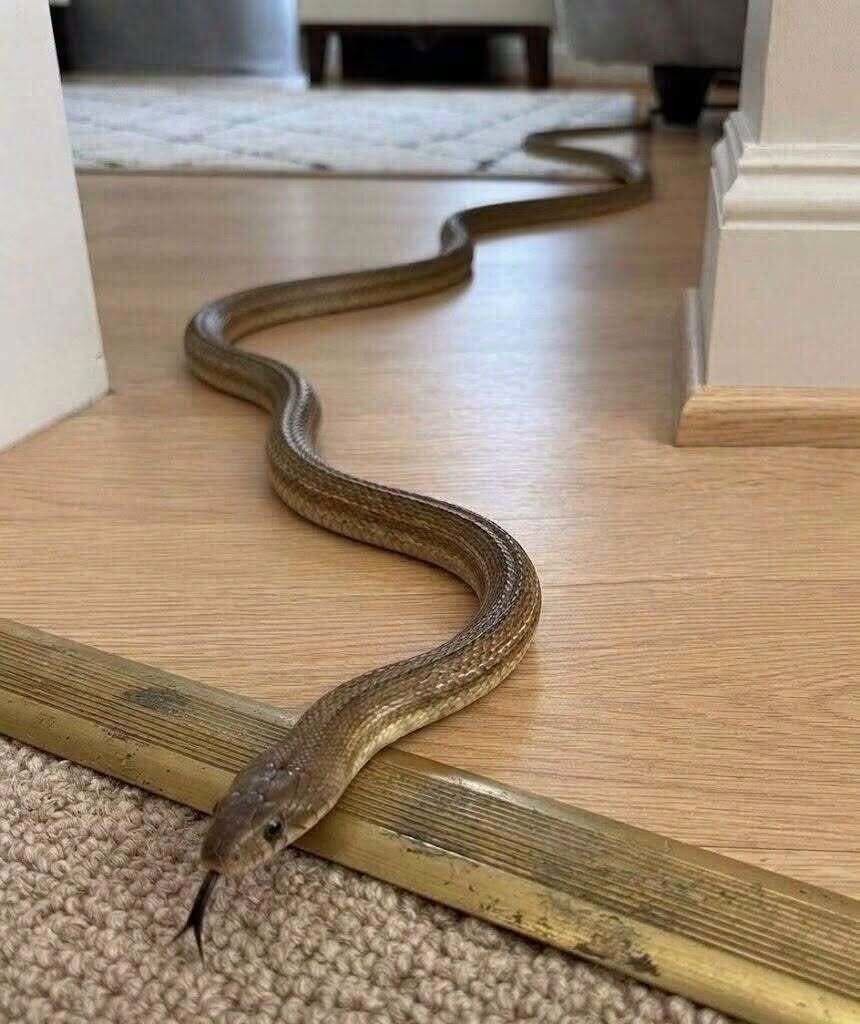
Consider the case of a homeowner who found a snake in their living room. Instead of panicking or attempting a DIY removal, the resident alerted a local wildlife professional. Upon arrival, the expert identified the animal and carefully captured it. The professional explained the probable reasons for the snake’s entry—searching for shelter and food. This incident highlights the value of a calm, measured response, which minimized stress for both the family and the animal.
Expert Advice and Insights
Wildlife specialists uniformly caution against attempting to confront a snake without proper training. Dr. Emily Taylor, a herpetologist at California Polytechnic State University, notes, “Most snake bites happen because people try to catch or kill snakes. Leaving them alone and calling an expert is the safest choice.” Similarly, organizations such as the U.S. Centers for Disease Control and Prevention (CDC) recommend maintaining distance and engaging professionals for removal.
Not all guests inside a home are venomous or dangerous, but misidentification can be common. Experts use specific physical features, such as head shape, scale patterns, and color, to distinguish species—criteria that are challenging for the average homeowner to assess in a stressful moment.
After Removal: Inspecting and Securing Your Home
Once the snake has been safely removed, it is crucial to investigate how it gained access to the property. Carry out a methodical review of the following:
- Doors and Windows: Check for gaps, loose weather stripping, and spaces under doors. Replace or repair as needed to close all potential entry points.
- Pipes, Vents, and Foundation: Examine areas where utilities enter the house and seal any visible cracks or holes. Install fine mesh screens over vents and ensure their integrity.
- Garages and Basements: Keep these high-traffic, accessible spaces closed when not in use, and inspect for any issues.
Many homeowners are surprised at how easily small gaps can allow access not only to snakes, but also to rodents and insects. A routine inspection twice a year can greatly reduce future risks.
Reducing Attractive Factors: Managing Food Sources and Hiding Spots
Because snakes frequently enter homes seeking food, eliminating the presence of rodents or insect infestations is pivotal in prevention:
- Store food in sealed containers to avoid attracting mice or rats.
- Clean up pet food promptly.
- Repair leaks and address standing water to deter insects.
- Address pest concerns quickly with appropriate measures.
Outdoor environments often unintentionally provide hiding places. These can include:
- Wood or debris piles near the home’s foundation
- Overgrown vegetation or bushes touching the walls
- Unmowed lawns
- Unused items, construction material, or garden equipment left outside
Regular landscaping, prompt removal of debris, and keeping the perimeter clear reduce the likelihood of snakes finding your property attractive for shelter.
The Importance of a Calm and Safe Response
Panic not only increases the risk of accidental injury, but can frustrate or alarm the snake, leading to unpredictable behavior. Keeping your distance, calmly securing children and pets, and contacting qualified experts are the best ways to ensure everyone’s safety, including the animal’s.
Remember, the presence of a snake indoors does not automatically mean danger. Most snakes are non-venomous and prefer to avoid confrontation. The key is not to provoke or entrap them—a principle reflected in safety guidelines from wildlife and public health authorities worldwide.
Long-Term Prevention Strategies
Once the immediate concern is resolved, focusing on prevention minimizes the chances of recurrence:
- Seal all cracks, gaps, and potential entry points using appropriate materials.
- Maintain doors and windows in good repair; take advantage of weather stripping and draft guards where needed.
- Keep the yard tidy by trimming grass, removing debris, and storing firewood away from the house.
- Inspect the property regularly for rodents and insects, and use safe pest control interventions as needed.
- Educate all household members about what to do if they see a snake—knowledge can help avoid panic.
In regions where snakes are common, some homeowners install physical barriers, such as snake-proof fencing or specialized screens, especially in areas adjacent to open land or forests.
Community awareness is also vital. Local councils and environmental agencies often provide information sessions on coexisting safely with local wildlife, including snakes. Working together as neighbors to keep shared spaces clean and free from pests can greatly reduce snake encounters across entire neighborhoods.
Global Views on Snakes in Residential Areas
Different parts of the world experience unique challenges and reactions to snakes entering homes. For example, in Australia and parts of India, snakes are common visitors to urban environments, prompting public health initiatives and widespread professional emergency response networks. In the United States, increased urbanization has sometimes brought snakes into contact with humans. In both cases, the emphasis remains on education, safe removal, and coexistence—recognizing snakes as important contributors to environmental balance.
Public perceptions are changing as more information becomes available. Many organizations campaign to dispel myths about snakes and highlight their role in controlling pests. Respectful coexistence, with careful risk management, is generally advocated by wildlife authorities worldwide.
Conclusion: Prioritizing Safety and Preparedness
The rare event of a snake entering your home need not provoke alarm if you act with knowledge and caution. By avoiding confrontation, seeking professional assistance, and fortifying your property, you can ensure your household remains safe. In addition to providing personal safety, these measures support both human and wildlife communities for a more harmonious coexistence.
Sources
Disclaimer: This content is intended for entertainment purposes only and is not based on real events.