What Should You Do After Receiving a Loved One’s Cremated Remains?
The phone call may come at the most ordinary moment.
You could be making breakfast, answering emails, driving home from work, or simply sitting quietly with a cup of coffee. Then someone tells you that your loved one’s cremated remains are ready to be collected.
For a moment, everything can feel different.
The ceremony may already be over. The flowers have been taken away. Friends and relatives have returned to their routines. The messages that arrived every day may have become less frequent.
And now there is a small container in your hands.
Many people are surprised by how emotional this moment can be. There is often no clear guide explaining what to expect, where to keep the remains, or what should happen next.
The most important thing to remember is simple: you do not have to make every decision immediately.
Receiving cremated remains can be both a practical responsibility and a deeply personal moment. Taking some time to understand what you have received and considering your options carefully can make the process feel less overwhelming.

What Are Cremated Remains?
People often use the word “ashes,” but the more precise term is cremated remains.
They are not the same as the soft, lightweight ash produced by burning wood. After cremation, the remaining bone fragments are carefully processed into a more consistent granular material.
The final appearance can vary, but cremated remains are commonly gray, pale gray, or off-white and may have a texture somewhat similar to coarse sand.
The amount and weight can also be surprising.
This is important to understand when choosing a permanent container. An urn needs sufficient internal capacity, so its physical appearance alone does not determine whether it will be appropriate.
If a family has not selected an urn beforehand, cremated remains are commonly returned in a temporary container provided by the funeral home or crematory.
That container may look simple.
This does not mean anything has gone wrong.
It is generally intended to protect the remains until the family decides what they would like to do next.
The First Thing to Do: Give Yourself Time
Perhaps the most important step is also the easiest to overlook.
You do not have to make a permanent decision on the same day you receive the remains.
Grief can affect concentration, memory, and decision-making. A person may feel completely certain about what they want one day and uncertain the next.
That is normal.
Unless there is a specific practical deadline, allowing yourself time can be helpful.
You might keep the temporary container in a safe, private location while you consider your options.
Some families immediately know that they want an urn at home. Others prefer a memorial location, scattering ceremony, burial, or another form of remembrance.
There is no single correct choice.
Choose a Safe and Meaningful Place
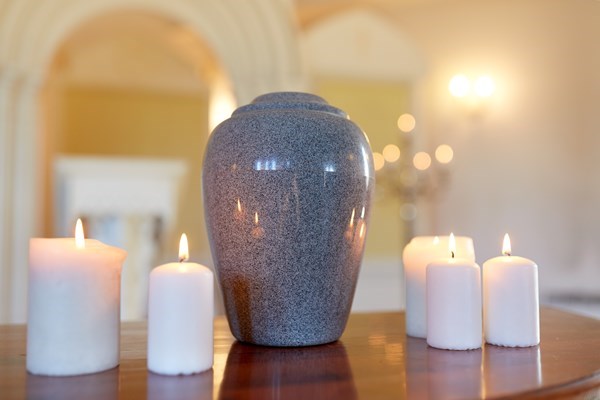
If you decide to keep the cremated remains at home for a while, think about both safety and meaning.
The container should be placed somewhere stable and protected from accidental damage.
Some people choose a quiet shelf, a cabinet, a dedicated memorial space, or an area containing photographs and other meaningful belongings.
Others prefer a location that reflects the person’s personality.
For example, someone who loved gardening might be remembered near photographs of their garden. Someone who enjoyed music might be honored beside their favorite instruments or albums.
The goal does not have to be elaborate.
A small photograph and a simple place of remembrance can be enough.
Choosing an Urn
An urn can be much more than a container.
For many families, choosing one becomes part of the memorial process itself.
Urns are available in many materials, shapes, and designs, including wood, ceramic, metal, stone, and biodegradable materials.
Some are traditional and understated.
Others are personalized with photographs, names, dates, artwork, or symbols connected with the person’s life.
When selecting an urn, consider several practical questions.
First, make sure the urn has enough capacity for the cremated remains.
Second, consider where it will be kept.
Third, think about whether the design reflects the person being remembered.
There is no requirement for an urn to look a particular way.
The best choice is often the one that feels appropriate to the family.
You Do Not Have to Keep Everything in One Place
Some families eventually decide to divide a portion of the cremated remains among relatives.
This can allow several people to create separate memorials.
One family member might keep a small memorial urn at home. Another might choose a keepsake container. Someone else might prefer a memorial location.
If a family considers dividing cremated remains, it is wise to handle the process carefully and respectfully and to check any applicable local rules.
The important point is that remembrance does not have to happen in only one location.
Consider Creating a Memorial
A memorial does not have to involve an elaborate ceremony.
It could be as simple as gathering a few close relatives for an afternoon and sharing stories.
Families may look through photographs, listen to favorite music, prepare a familiar meal, visit a meaningful place, or simply talk about memories.
These moments can help transform the physical presence of the cremated remains into something more personal: a reminder of a life and a relationship.
For some people, writing a letter can also be meaningful.
You might write about what you appreciated, what you learned, what you wish you had said, or the memories you hope to carry forward.
The letter does not have to be shown to anyone.
Its purpose can simply be to give your thoughts somewhere to go.
Scattering Cremated Remains
Some people choose to scatter cremated remains in a location that held special meaning for their loved one.
This could be a favorite natural setting, a place connected with family memories, or somewhere the person enjoyed visiting.
However, scattering is not automatically permitted everywhere.
Local laws, property rules, environmental regulations, and permission requirements can vary considerably depending on the location.
Before scattering cremated remains, research the relevant regulations and obtain permission where necessary.
It is also worth considering the emotional significance of the location.
A beautiful place may seem appropriate, but a location connected with a specific memory can sometimes feel even more meaningful.
Memorial Gardens and Dedicated Locations
Another option is placing cremated remains in a cemetery, memorial garden, columbarium, or another designated location.
These settings can provide a permanent place for family members to visit.
For people who appreciate having a physical location associated with remembrance, this can be comforting.
It can also provide a sense of continuity for future generations.
A child or grandchild may someday want to visit and learn more about the person they never had the opportunity to know.
A permanent memorial can become part of a family’s history.
Turning Remembrance Into Something Personal
Modern memorial practices can take many forms.
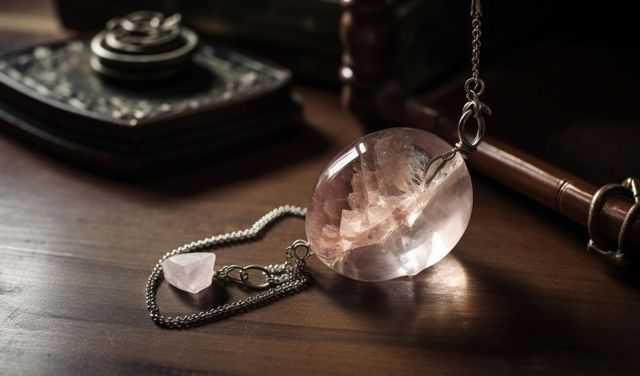
Some families create memorial jewelry or keepsake objects containing a small amount of cremated remains.
Others choose engraved plaques, memorial artwork, garden features, photographs, or digital collections.
These options are not necessary for meaningful remembrance, but they can provide another way of keeping memories present.
The important consideration is authenticity.
A memorial should reflect the person and the family rather than follow a trend simply because it is popular.
Sometimes the simplest remembrance is the most meaningful.
What If You Are Not Ready to Decide?
You may receive the cremated remains and feel completely uncertain about what you want to do.
That is okay.
There is no universal timetable for making this decision.
You can keep the remains securely stored while you talk with family members, learn about different options, and give yourself time to process your emotions.
In fact, delaying a permanent decision can sometimes be better than making one during a period of intense grief.
A decision made months later can still be a meaningful decision.
There is no requirement that remembrance happen immediately.
Talk With Your Family
Different family members may have very different ideas about what should happen next.
One person may want to keep the remains at home.
Another may prefer a memorial location.
Someone else may have remembered that the person had previously expressed a particular wish.
These conversations can sometimes be difficult, but they can also provide valuable information.
If the person left written instructions or clearly expressed their wishes while alive, those preferences may be an important part of the discussion.
Where disagreements arise, approaching the conversation with patience can help.
The purpose is not simply to decide what happens to a container.
It is to find a respectful way to honor someone who mattered to the family.
Keep Important Documents Together
There is also a practical side to this process.
Keep relevant documents from the funeral home or crematory in a secure place.
Depending on your circumstances and location, these may include certificates, authorization documents, receipts, or information concerning the disposition of the cremated remains.
If you are planning a burial, placement, transportation, or scattering, check the requirements in advance.
Rules can differ between countries, states, municipalities, cemeteries, and private properties.
Taking a few minutes to confirm the requirements can prevent unnecessary complications later.
There Is No Single “Right” Way to Remember Someone
One of the hardest parts of grief is the feeling that there must be a correct way to handle everything.
There isn’t.
Some people want a traditional memorial.
Others prefer something private.
Some families keep cremated remains at home for decades. Others eventually choose a cemetery, memorial garden, scattering location, or another form of remembrance.
Some people want photographs everywhere.
Others find comfort in keeping memories quietly to themselves.
All of these responses can be part of a normal grieving process.
What matters most is that the decision feels respectful and meaningful to the people involved.
The Meaning Behind the Container
A small container can seem surprisingly ordinary.
Yet for a grieving family, it can represent decades of memories, conversations, traditions, laughter, lessons, and shared experiences.
That is why receiving cremated remains can feel so emotionally complicated.
The container itself is not the person.
It is simply one physical part of a much larger story.
The photographs, stories, habits, expressions, recipes, songs, traditions, and lessons that remain in a family’s memory can be just as important.
A meaningful memorial does not have to be expensive or elaborate.
Sometimes it is simply telling a story about that person to someone who never met them.
A Gentle Way to Move Forward
If you have recently received a loved one’s cremated remains, start with the simplest steps.
Place them somewhere safe.
Give yourself time.
Talk with people you trust.
Learn about your options.
Check local requirements before making arrangements.
And most importantly, do not feel pressured to have everything figured out immediately.
Grief changes over time, and the way you remember someone may change with it.
A decision that feels impossible today may become clearer later.
Remembering Is More Than Choosing a Final Resting Place
Ultimately, receiving cremated remains is not just a logistical moment.
It can mark another stage in the process of adjusting to a profound change.
The container may eventually find a permanent place, but remembrance continues in countless other ways.
It lives in family stories.
It appears in photographs.
It survives in traditions passed from one generation to another.
It can be found in the recipe someone still prepares exactly the way their loved one taught them.
It can exist in a song, a garden, a favorite chair, or an ordinary phrase that suddenly brings back a familiar memory.
The most meaningful tribute may therefore not be the place where the cremated remains are kept.
It may be the way the person’s presence continues through the lives they touched.
When the time comes to decide what happens next, there is no need to search for a perfect answer.
A thoughtful one is enough.
And sometimes, the most important thing you can do after receiving a loved one’s cremated remains is simply to pause, breathe, remember, and give yourself permission to take the next step when you are ready.