She Sold Her Home to Keep Her Dying Son Comfortable, Then Faced Losing the Only Shelter She Had Left
Introduction
The journey of caring for a terminally ill loved one embodies profound emotional and financial challenges. In this article, we examine the true story of a mother who sacrificed her home to ensure her dying son’s comfort, only to face uncertainty over her own shelter after his passing. The narrative highlights not only personal hardship, but also broader societal issues—such as family responsibility, inheritance rights, and the importance of compassion in times of grief. Through careful analysis, expert perspectives, and context, we aim to provide an informative understanding of this moving situation.
The Difficult Decision: Selling Her Home for Her Son’s Comfort
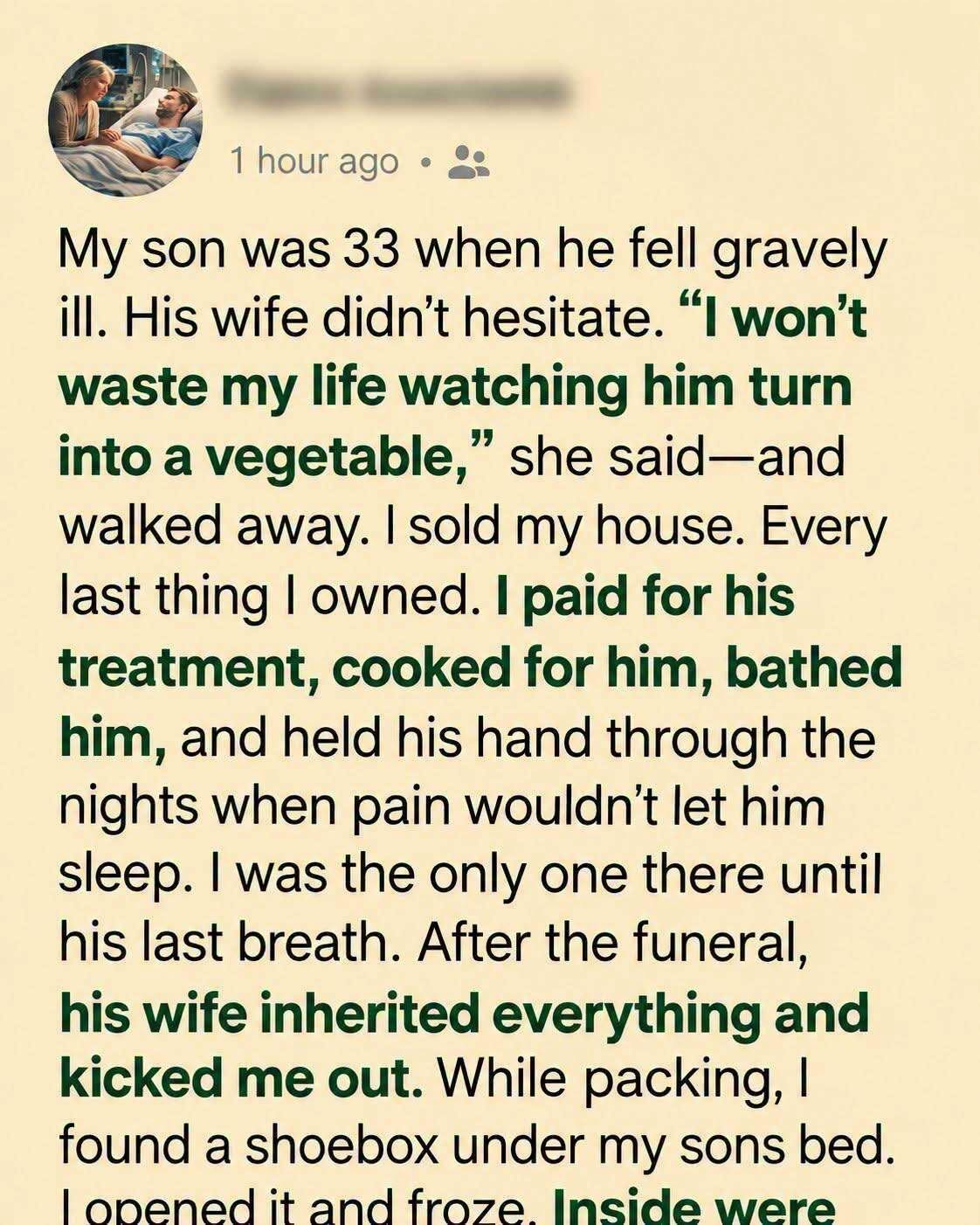
When confronted with her son’s terminal illness, the mother featured in this story made a deeply personal choice. Realizing that her son’s comfort and care required resources beyond what she could provide in her existing circumstances, she sold her home. This decision is not uncommon; according to palliative care experts, families often use savings or assets to support loved ones with high medical needs, especially when government or insurance support falls short (Mayo Clinic, WHO).
Her home represented stability, years of memories, and her own sense of security. Selling it meant uprooting her life, yet in doing so, she was able to provide a peaceful environment for her son’s final days—a gift valued by many families facing similar trials.
Facing Loss After Loss: The Days Following Her Son’s Passing
Grieving her son’s death, the mother’s ordeal continued. While funerals and the immediate aftermath bring emotional challenges, she soon faced an unexpected threat to the only shelter she had left. The return of her son’s estranged wife complicated her situation, introducing legal and familial dilemmas that reflect common patterns observed in inheritance disputes worldwide (The Guardian, BBC).
Inheritance and property rights become complex when relationships fracture or when significant assets are involved. Often, surviving loved ones must navigate difficult negotiations, legal frameworks, and emotional landscapes without much guidance or resources. In this case, the son’s wife, who had abandoned him during his illness, claimed the property, giving the grieving mother just one week to vacate.
Background: Family Dynamics, Grief, and Facing Adversity
The emotional impact of terminal illness and death on families is well-documented. Experts note that grief can amplify existing tensions, and disputes over property or inheritance are common triggers for family conflicts. According to studies in family psychology, stress during bereavement often exacerbates feelings of abandonment and betrayal, particularly where pre-existing marital discord is involved (WHO, Mayo Clinic).
In this story, the mother’s vulnerability was heightened by her prior sacrifices: having given up her home for her son’s comfort, she was left with little recourse when the property was threatened. Societal responses to such scenarios often call for compassion, mediation, and legal support—but in practice, many individuals find themselves alone.
Social services and legal aid can be instrumental in addressing these challenges, yet access varies worldwide. Many grieving families lack resources or knowledge about their rights, especially when complicated by sudden demands or threats of eviction.
Inheritance Law and Property Rights: A Closer Look
Inheritance laws differ by jurisdiction, but most legal systems prioritize spousal rights, sometimes above the interests of parents. In cases of contested inheritance, the process can be lengthy and stressful, with outcomes often influenced by prior arrangements, will documentation, and legal representation (BBC, The Guardian).
Experts recommend that individuals establish clear wills and estate plans to prevent disputes. In the absence of such documents, courts rely on statutory guidelines which may not reflect the decedent’s actual wishes. This story underscores the importance of legal literacy and timely action, especially in families facing complex medical and financial circumstances.
The Remarkable Secret: Legacy and Memory
Amidst turmoil, a surprising discovery altered the situation. Beneath the son’s bed, his mother found a dusty shoebox containing a carefully kept secret. While the exact contents remain unspecified in the draft, stories often portray such discoveries as letters, photographs, financial assets, or other personal items with profound significance.
Legacies left in such forms carry emotional weight. Whether they provide financial relief, comfort, or answers to unresolved questions, they can transform grief into gratitude. Literature and psychology experts note that tangible mementos often enable survivors to reconnect with lost loved ones, aiding the healing process (Mayo Clinic).
The implications of this discovery quickly became evident: the secret changed the dynamics between mother and daughter-in-law, challenging prior claims and inspiring renewed interest in the son’s wishes. Such moments remind us of the enduring bonds between individuals and the power of legacy in shaping outcomes after death.
Expert Views on Grief, Property, and Resilience
Healthcare professionals and social workers advocate for holistic support during bereavement. This includes not only emotional counseling but also practical guidance on financial and legal matters. According to the World Health Organization and Mayo Clinic, integrated care models help families manage grief while ensuring their basic needs are met.
Legal experts emphasize the necessity of well-documented estate plans. They note that clear communication and transparency among family members can prevent misunderstandings and reduce the incidence of inheritance disputes. When these elements are missing, mediation or arbitration may offer a less adversarial path to resolution.
Psychologists underscore the importance of community support for those suffering multiple losses. Friends, neighbors, and local organizations often play key roles in providing shelter, resources, and emotional solidarity. In cases like those described, resilient communities may mitigate isolation and help survivors rebuild their lives.
International and Societal Responses to Family Crisis
The themes in this story echo globally, with similar cases reported in media outlets across continents. Societies differ in their approaches to family crisis, inheritance, and support systems. In some cultures, extended family networks ensure collective care; in others, social safety nets and legal protections offer aid to vulnerable individuals (Reuters, BBC).
Public policy and charitable organizations increasingly recognize the need for targeted assistance. Housing insecurity, especially among elderly populations grieving lost loved ones, remains a priority in many nations. International bodies urge governments to enhance access to social services and legal advice, advocating for compassion and justice in family conflicts.
The Role of Compassion and Support in Difficult Times
Ultimately, this mother’s story highlights the importance of empathy, both at the individual and societal levels. Whether through official intervention or informal community outreach, efforts to ease suffering and provide shelter make a critical difference. Experts universally agree: compassion and understanding are essential for navigating the painful aftermath of terminal illness and loss.
Readers encountering similar challenges are encouraged to seek available resources—legal clinics, grief support groups, community organizations—and to advocate for fair treatment. The lessons found in stories like this remind us of our shared responsibility to support those in need, especially when they face hope and hardship in equal measure.
Conclusion
This story is more than a personal tragedy; it is a reflection of broader issues affecting families everywhere. From the emotional toll of caring for a loved one to the legal complexities of inheritance and housing, the mother’s journey reveals the depth of resilience required to face adversity. The remarkable secret left behind ultimately changed the course of her struggle, offering a measure of relief in the midst of profound grief.
As society reflects on stories like this, the call for empathy, improved legal awareness, and robust social support grows stronger. By understanding the realities faced by individuals in similar situations, we may inspire progress toward more compassionate systems of care and justice.
Sources
Disclaimer: This content is intended for entertainment purposes only and is not based on real events.