Your Eyes Can Betray You in Plain Sight
Introduction: The Mystery of Hidden Differences
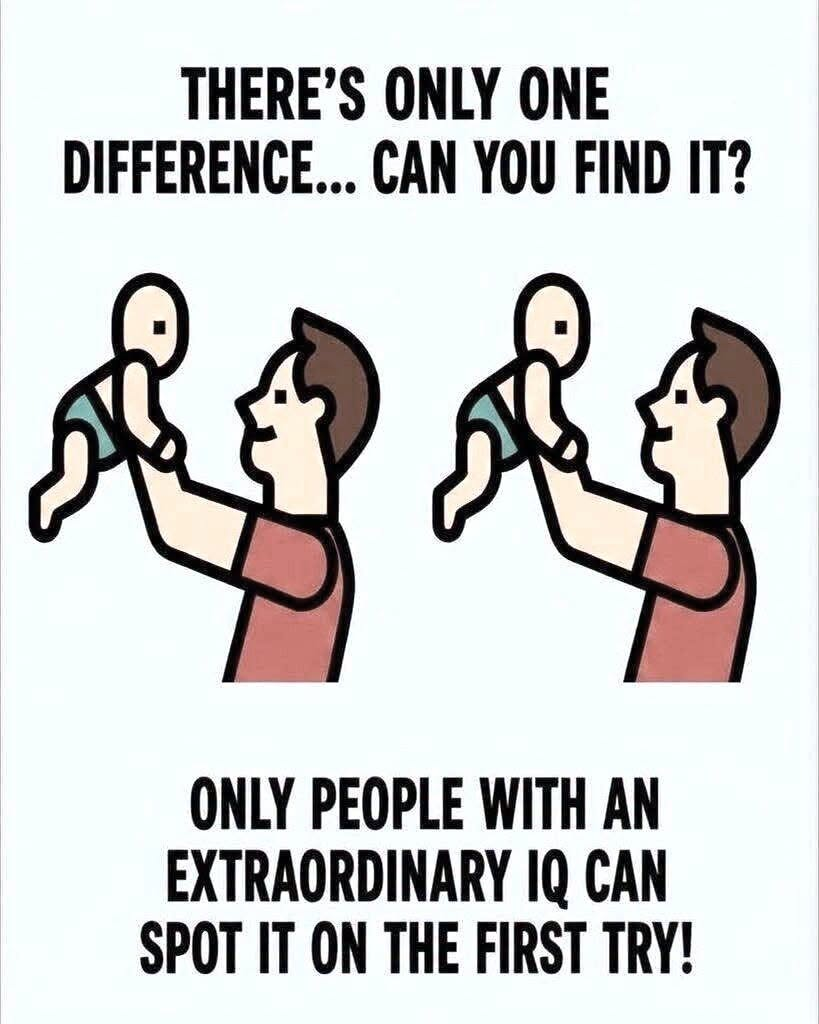
The experience of comparing two nearly identical images, only to struggle in identifying subtle differences, is a universal phenomenon. Whether engaging in recreational puzzles or professional visual analysis, many find it fascinating and sometimes frustrating when their eyes “miss” a detail that seems obvious in retrospect. This article dives deep into the science and psychology behind the phenomenon, explaining why our minds overlook changes in plain sight and how questioning initial perceptions can unlock deeper visual awareness.
Understanding Visual Perception: More Than Meets the Eye
The process of perceiving visual information is complex. Our eyes take in data, but it’s the brain that interprets, organizes, and prioritizes what we see. According to neuroscientists, this interpretation is influenced by a combination of sensory input, memory, expectation, and cognitive shortcuts known as heuristics. These mental shortcuts allow us to make quick judgments, but as a result, we sometimes overlook small discrepancies.
Research published by the National Institutes of Health indicates that humans are susceptible to “change blindness,” a condition where even significant changes in a visual scene go unnoticed unless attention is specifically directed toward them. This explains why in image comparison tasks, people often fail to spot minor variations unless they adopt a systematic approach or shift their focus.
The Role of Heuristics in Visual Processing
Heuristics play a central role in shaping our perception. These mental rules of thumb allow us to quickly recognize familiar patterns and ignore unimportant details. The brain’s preference for efficiency means it sometimes fills in missing information or glosses over differences, especially when images are nearly identical.
Psychologists highlight classic examples of heuristics in action, such as the way readers can comprehend sentences with jumbled letters or missing words, or how drivers instantly recognize traffic signs even from partial views. While these shortcuts are invaluable for navigating daily life, they contribute to the difficulty of spotting subtle changes in complex images.
Change Blindness: When Obvious Alterations Remain Unseen
Change blindness is a phenomenon where observers fail to notice changes in a visual stimulus. Studies demonstrate that even when told to look for differences, participants frequently overlook modifications unless the changes are stark or salient. As outlined by researchers at the BBC Future, change blindness is not limited to visual puzzles—it impacts real-world situations, such as noticing someone’s haircut or changes in a familiar environment.
Experimental evidence suggests that this blindness results from limited cognitive resources. We simply cannot process every detail simultaneously, so attention is directed toward features considered important. When details change in areas perceived as less relevant, they often go undetected.
Psychological Factors Affecting Perception
Several psychological factors influence the likelihood of detecting differences:
- Expectation: If viewers expect the images to be the same, they are less likely to spot differences.
- Prior Experience: Familiarity with similar puzzles can improve detection, as the brain learns to scan deliberately.
- Attentional Focus: Where attention is directed affects which changes are noticed—peripheral details are often missed.
- Motivation and Fatigue: Tired or unmotivated observers are less likely to notice small changes.
John Henderson, a cognitive psychologist, notes in Scientific American that attentional focus is crucial. Even minor distractions or assumptions can lead to overlooking obvious changes.
Spotting the Difference: Strategies for Success
While missing a difference in similar images is common, there are proven methods to improve detection:
- Systematic Scanning: Move your gaze from one section to another instead of randomly looking at the images.
- Compare Edge Details: Changes often occur at boundaries between objects or backgrounds.
- Take Breaks: Brief pauses can refresh focus and facilitate new insights.
- Use Physical Tools: Cover parts of one image with your hand or a sheet of paper to compare specific areas.
- Question Assumptions: Approach the task with the mentality that differences are present to encourage diligent searching.
Experts recommend “active viewing,” where observers shift focus and consciously challenge their initial perceptions, facilitating detection of overlooked differences.
The Power of Questioning First Impressions
Early judgments in visual analysis can be misleading. Scientists emphasize that challenging our automatic assumptions leads to more thorough scrutiny and improved detection. By questioning first impressions and remaining open to the possibility of unseen changes, viewers can reduce the impact of mental shortcuts and enhance their observational skills.
This concept is fundamental in scientific research, medical diagnostics, forensic investigations, and other fields where careful visual analysis is essential. Training professionals to question their first impressions has been shown to improve accuracy and reduce costly errors.
Applications in Everyday Life and Professional Fields
The ability to spot differences has practical implications across many domains:
- Medical Diagnostics: Radiologists must detect subtle changes in imaging to identify diseases.
- Security and Surveillance: Personnel analyze video feeds for abnormal activity or changes.
- Quality Control: Inspectors check products for defects comprised of tiny differences.
- Forensic Science: Detecting evidence requires precise attention to detail.
- Education: Visual puzzles nurture concentration and problem-solving skills among students.
These skills are honed through training, technology aids, and by fostering a culture of deliberate observation.
Global Approaches to Visual Training
Internationally, institutions invest in visual training programs, aiming to mitigate perceptual errors. The World Health Organization supports initiatives to improve diagnostic skills among healthcare workers, while manufacturing standards emphasize visual quality control. Advances in artificial intelligence also promise to support human observers by highlighting differences that might otherwise remain invisible.
Societal Reactions and Popular Culture
The popularity of “spot the difference” puzzles in newspapers, apps, and online games reflects society’s fascination with this visual challenge. These activities not only entertain but stimulate the mind, helping people practice observation, patience, and skepticism toward first impressions. Discussions among educators and psychologists endorse visual puzzles as valuable tools for cognitive development.
On social media, viral challenges often ask users to identify differences between images, sparking debate and camaraderie as users share their strategies and successes.
The Science Continues: Advancing Visual Awareness
Ongoing research is shedding new light on how humans perceive and detect changes. The development of better eye-tracking technology, advances in neuroscience, and computer vision algorithms all contribute to a deeper understanding of perception. As these discoveries are integrated into education, medicine, and daily life, our capacity to spot the invisible will continue to improve.
Conclusion: Embracing the Limits and Possibilities of Perception
Our eyes and brains are marvels of efficiency, but they are not infallible. Recognizing and understanding the limits of visual perception is the first step toward improvement. By embracing practices of questioning initial assumptions, systematically scrutinizing images, and valuing the role of attention, anyone can uncover hidden secrets in plain sight. As science continues to reveal the intricacies of the mind, it becomes clear that the journey to perfect perception is ongoing—encouraging us all to look closer, think deeper, and challenge what we believe we see.
Sources
- BBC Future
- National Institutes of Health
- Scientific American
- World Health Organization
- Reuters
- The Guardian
Disclaimer: This content is intended for entertainment purposes only and is not based on real events.