Simple homemade drinks made with familiar ingredients can be a pleasant part of a balanced wellness routine. Ginger, lemon, turmeric, garlic, onion, cabbage, dill, cinnamon, cloves, and honey have long appeared in home cooking and traditional food practices around the world. Their flavors, aromas, and nutritional qualities can make ordinary hydration more interesting while encouraging people to include a wider variety of plant foods in their diets.
It is important, however, to separate realistic nutrition information from dramatic “detox” claims. No beverage can remove a specific amount of toxins, cleanse blood vessels, reverse disease, or replace medical care. The human body already has highly effective systems for processing and eliminating waste. The liver helps process substances in the bloodstream, the kidneys filter waste and regulate fluid balance, the lungs remove carbon dioxide, and the digestive system helps eliminate material the body does not need.
That does not mean homemade drinks have no place in everyday life. When prepared safely, they may offer hydration, flavor, small amounts of nutrients, and a comforting ritual. They can also be a useful alternative to highly sweetened beverages. The key is to enjoy them as food-based drinks rather than as treatments or rapid health fixes.

Why Homemade Wellness Drinks Appeal to Many People
Homemade drinks are popular because they are affordable, customizable, and easy to prepare using ingredients already found in many kitchens. A warm ginger infusion may feel soothing on a cool day, while lemon can add brightness to plain water. Turmeric, garlic, cabbage, and herbs contribute distinctive flavors that may appeal to people looking for less sugary drink options.
There is also a cultural element. Across many regions, families have traditionally used herbs, spices, citrus fruits, and vegetables in teas, broths, and infusions. These practices can be meaningful and enjoyable, especially when they are viewed as culinary traditions rather than guaranteed medical remedies.
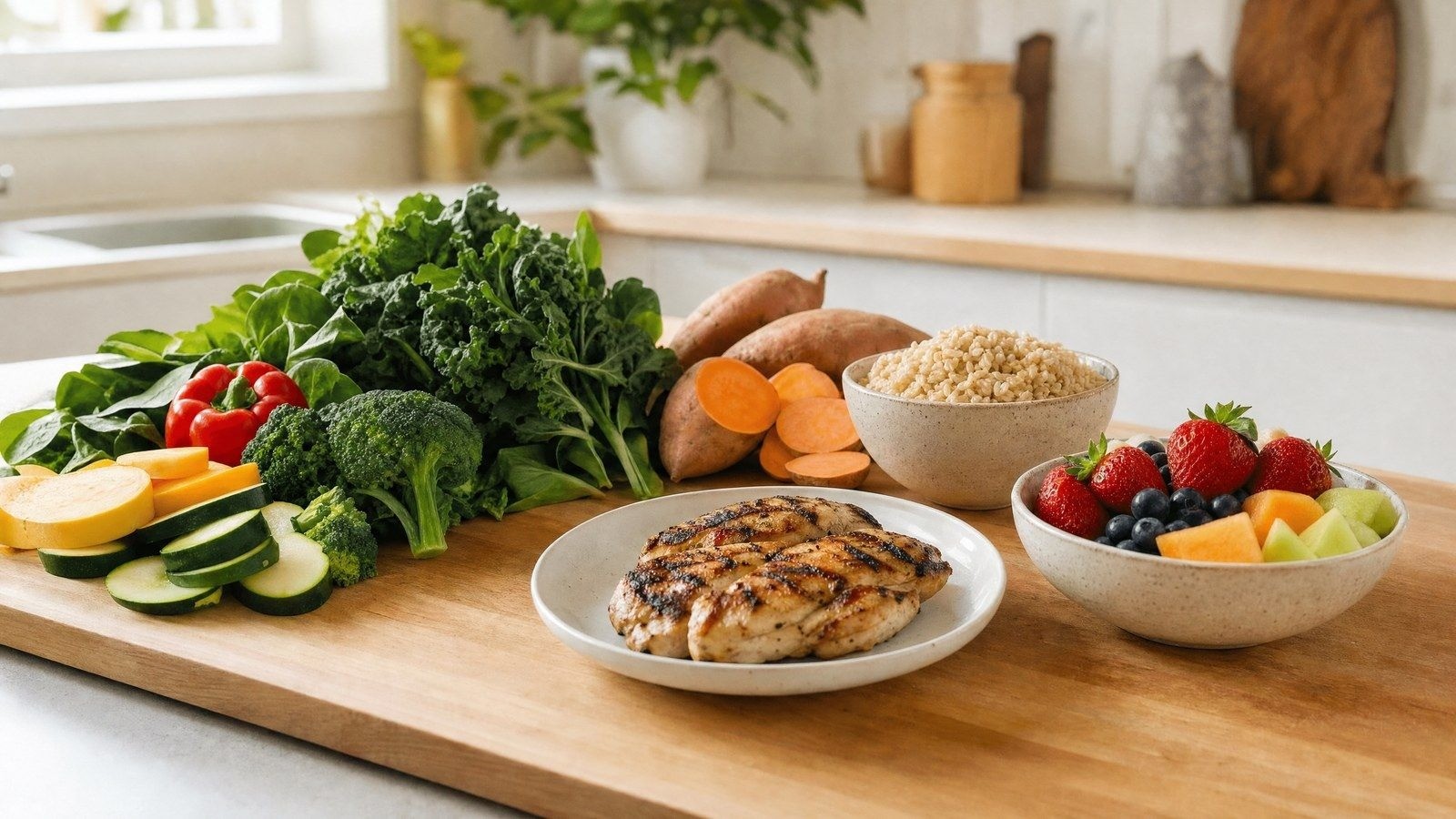
Nutrition experts generally emphasize patterns over single ingredients. One cup of a homemade drink will not determine a person’s health. Over time, habits such as eating vegetables, fruit, legumes, whole grains, and protein-rich foods; drinking enough fluids; sleeping well; and remaining physically active have a much more meaningful role in supporting overall well-being.
Homemade Ginger, Lemon and Turmeric Drink
This warming recipe combines ginger, lemon, turmeric, garlic, onion, and honey. It has a bold, savory-sweet profile that may suit people who enjoy strong flavors. The quantities can be adjusted to personal preference, particularly for garlic and onion, which can make the finished drink intense.
Ingredients
- 1 peeled lemon
- 1 thumb-sized piece of fresh ginger
- 1 garlic bulb
- 1 onion
- 1 litre of filtered water
- 2 tablespoons of turmeric powder
- 1 tablespoon of honey
How to Prepare It
- Wash the produce carefully. Peel and roughly chop the ginger, onion, and garlic.
- Pour the water into a clean saucepan and add the ginger, garlic, and onion.
- Bring the mixture to a gentle boil over medium heat.
- Reduce the heat and simmer for about 10 minutes.
- Stir in the turmeric powder, allowing it to disperse through the liquid.
- Remove the saucepan from the heat and let the mixture cool slightly.
- Squeeze in the lemon juice. Add honey only after the drink has cooled somewhat, then stir well.
- Strain the liquid if desired and serve warm or chilled.
For food safety, refrigerate leftovers in a covered container promptly. A homemade infusion with fresh ingredients is best consumed within a short period, generally within a few days. If it develops an unusual smell, color, or taste, discard it.
What This Drink Can and Cannot Do
This recipe may be an enjoyable way to increase fluid intake and experience the flavors of herbs, vegetables, and spices. Lemon contributes vitamin C, while ginger and turmeric contain plant compounds that have been studied in nutrition research. Garlic and onions contain sulfur-containing compounds and are commonly included in heart-healthy eating patterns such as Mediterranean-style diets.
However, research on individual ingredients does not prove that a concentrated homemade drink can prevent or cure illness. Turmeric’s best-known compound, curcumin, has been widely studied, but its absorption and effects in the body are complex. Similarly, garlic is a nutritious food, but it is not a replacement for prescribed treatment for high blood pressure, high cholesterol, or cardiovascular disease.
There is no established scientific evidence that drinking this mixture on an empty stomach, following it for three days, or consuming large quantities creates special cleansing benefits. A modest serving, enjoyed occasionally and according to personal comfort, is a sensible approach.
Evening Cabbage and Herb Infusion
Cabbage is more often served as a vegetable than used in a drink, but it can form the base of a mild savory infusion. Combined with dill, lemon, cinnamon, cloves, and a small amount of honey, it creates an aromatic beverage that may work as part of a quiet evening routine.
Ingredients
- ½ head of cabbage, chopped
- A small bunch of fresh dill
- A pinch of cinnamon
- 3 to 4 whole cloves
- 1 litre of water
- Juice and peel of 1 lemon
- 1 tablespoon of honey, or less to taste
How to Prepare It
- Rinse the cabbage, dill, and lemon thoroughly under clean running water.
- Chop the cabbage and place it in a saucepan with the dill.
- Add the water, cinnamon, and whole cloves.
- Add the lemon peel and lemon juice.
- Bring the mixture to a gentle boil, then lower the heat.
- Simmer for approximately 30 minutes.
- Allow the liquid to cool until it is comfortable to handle.
- Strain into a clean container and stir in honey to taste.
The drink can be served warm or refrigerated for later use. Because cabbage and fresh herbs are perishable, keep any leftovers chilled and consume them promptly. People who dislike the stronger aroma of cooked cabbage may prefer using a smaller quantity or preparing the drink as a light vegetable broth instead.
Nutritional Context for the Main Ingredients
Each ingredient in these recipes has nutritional value, but the amount transferred into a strained drink may be lower than the amount available when the food itself is eaten. Whenever possible, eating the cooked vegetables used in an infusion can help retain dietary fiber and other nutrients.
Ginger
Ginger is a widely used culinary spice. Evidence supports its use for some forms of nausea, including nausea during pregnancy and nausea related to certain medical treatments, although people should consult a healthcare professional for individual advice. Ginger may cause heartburn or digestive discomfort in some people, particularly in larger amounts.
Lemon
Lemon provides vitamin C and adds flavor without requiring large amounts of sugar. Adding lemon to water can help some people drink more fluids throughout the day. Acidic drinks can affect tooth enamel if consumed frequently, so it is sensible to drink them with meals or rinse the mouth with plain water afterward.
Turmeric
Turmeric is a golden-yellow spice used in many cuisines. It contains curcumin and related compounds, which scientists continue to study. Turmeric is generally safe in culinary amounts, but supplements and concentrated preparations can interact with some medicines or cause digestive side effects. People with gallbladder conditions or those taking medications should seek professional guidance before using large amounts regularly.
Garlic and Onion
Garlic and onion belong to the allium family of vegetables. They are flavorful additions to many balanced meals and contain naturally occurring compounds that have attracted scientific interest. Some people experience bloating, reflux, or digestive discomfort after eating them. Garlic may also increase bleeding risk when used in high supplemental doses alongside blood-thinning medication.
Cabbage and Dill
Cabbage is a nutrient-dense vegetable that provides fiber, vitamin C, vitamin K, and other micronutrients. Dill adds aroma and can contribute small amounts of vitamins and plant compounds. Cabbage, like other cruciferous vegetables, is a valuable component of a varied diet. People taking warfarin or other anticoagulant medication should maintain a consistent intake of vitamin K-containing foods and discuss major dietary changes with their medical team.
Honey, Cinnamon, and Cloves
Honey can make homemade drinks more palatable, but it remains a source of added sugar. The World Health Organization recommends limiting free sugars as part of a healthy diet. Honey should never be given to infants under 12 months because of the risk of infant botulism. Cinnamon and cloves are flavorful spices that are generally suitable in normal cooking amounts. Concentrated spice supplements should not be assumed to have the same safety profile as food use.
Important Safety Considerations for Homemade Drinks
A practical wellness routine should support health without creating unnecessary risks. Avoid adding baking soda to homemade “detox” drinks unless it has been specifically recommended by a qualified clinician for a medical reason. Baking soda is sodium bicarbonate, and consuming excessive amounts may disrupt the body’s acid-base balance and increase sodium intake. It is not needed for either recipe.
People who take prescription medicines should be cautious with frequent use of concentrated herbal or spice-based preparations. This is especially relevant for people taking blood thinners, diabetes medicines, blood pressure medicines, or medications that affect the liver or kidneys. Pregnancy, breastfeeding, kidney disease, gallbladder disease, and digestive conditions are also reasons to ask a doctor, pharmacist, or registered dietitian for personalized advice.
These drinks should not be used to delay medical evaluation. Seek professional care for persistent symptoms such as unexplained weight change, chest discomfort, severe abdominal pain, ongoing vomiting, blood in stool, yellowing of the skin or eyes, or significant fatigue. Nutrition can support health, but it cannot substitute for diagnosis and treatment.
Building a Realistic Daily Wellness Routine
The most dependable approach to wellness is built on consistent, evidence-based habits rather than restrictive cleanses. Water remains the best everyday beverage for most people, although individual fluid needs vary with age, activity, climate, health conditions, and diet. Unsweetened tea, milk, soups, and water-rich foods can also contribute to overall fluid intake.
A balanced eating pattern should include a variety of vegetables and fruit, whole grains, beans or other legumes, nuts and seeds where appropriate, and protein sources that suit individual preferences and needs. Regular physical activity supports cardiovascular health, muscle strength, mood, and sleep. Adults also benefit from adequate sleep, stress management, routine preventive care, and avoiding tobacco.
Homemade drinks fit best within this broader picture. They can offer comfort, flavor, and a small moment of intention in a busy day. Their value does not depend on extraordinary claims. A cup of ginger and lemon infusion or a warm cabbage and herb drink can simply be an enjoyable choice alongside nourishing meals and sustainable habits.
Final Thoughts
Homemade recipes using ginger, lemon, turmeric, cabbage, garlic, herbs, and spices can be creative additions to a daily wellness routine. They may help make hydration more appealing and encourage an appreciation for whole-food ingredients. Their benefits should be understood realistically: they are not detox cures, blood-vessel cleansers, or replacements for professional healthcare.
For long-term health, focus on the habits supported by strong evidence: drink enough fluids, eat a varied diet, include plenty of plant foods, stay active, sleep adequately, and consult qualified health professionals when needed. Small, repeatable choices are more meaningful than any short-term cleanse.
Sources
Disclaimer: This content is intended for entertainment purposes only and is not based on real events.