
A Simple Fruit With a Growing Reputation
In many tropical regions around the world, guava has long been enjoyed as a sweet and refreshing fruit. Found in markets, home gardens, and traditional recipes, it is often appreciated for its vibrant flavor and rich nutritional value.
But in recent years, guava has attracted growing attention for another reason: its possible role in supporting healthy blood sugar balance.
Nutrition experts and researchers have explored how guava, particularly its fiber-rich fruit and leaves, may fit into a balanced lifestyle focused on long-term wellness. While no single food can solve complex health concerns on its own, guava has become increasingly popular among people looking for smarter snack choices and more balanced eating habits.
Part of the fascination comes from how simple the fruit is. Unlike trendy supplements or highly processed wellness products, guava is a natural food that has been part of traditional diets for generations.
What Makes Guava Different?
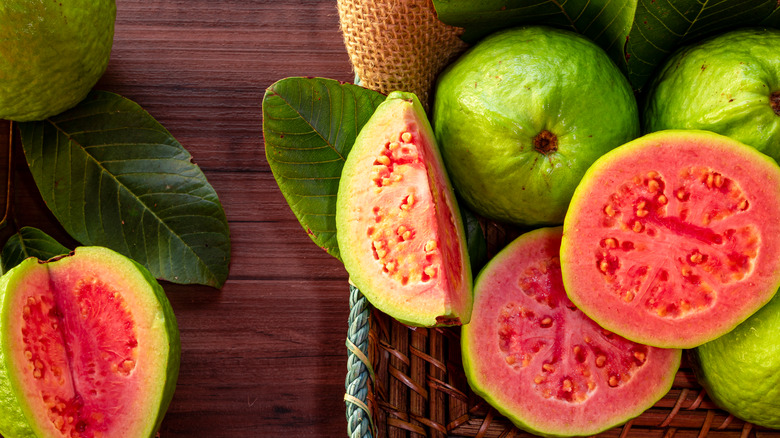
Guava stands out nutritionally because it combines natural sweetness with fiber, vitamins, and plant compounds that may support overall health.
One of the biggest reasons health professionals discuss guava in relation to blood sugar is its relatively low glycemic index. Foods with a lower glycemic index are generally digested more slowly, which may help reduce rapid increases in blood glucose after meals.
Fiber also plays an important role. The natural fiber found in guava slows digestion and can help people feel satisfied longer after eating. This may support appetite control and reduce the desire for highly processed snacks high in added sugar.
In addition to fiber, guava contains vitamin C, antioxidants, and various plant compounds that researchers continue studying for potential health benefits.
Understanding Blood Sugar Balance
Blood sugar management has become an increasingly important topic worldwide. Millions of people are now paying closer attention to nutrition, exercise, and lifestyle habits that may influence energy levels and long-term wellness.
Experts in Nutrition Science explain that blood sugar levels naturally rise after eating. However, highly processed foods rich in refined sugar and low in fiber may contribute to sharper spikes.
Foods containing fiber, protein, and slower-digesting carbohydrates often produce a steadier response.
That is one reason fruits like guava attract interest. Unlike many packaged snacks, whole guava provides nutrients alongside natural sugars, creating a more balanced nutritional profile.

Why Fiber Matters So Much
Fiber is one of the most important nutrients in discussions about healthy eating and blood sugar support.
When people eat fiber-rich foods, digestion slows down. This process can help the body absorb sugars more gradually instead of all at once.
Dietary fiber may also support feelings of fullness, which can influence portion control and eating patterns throughout the day.
Health professionals often encourage people to choose whole fruits over sugary beverages or heavily processed desserts because whole fruits retain their natural fiber structure.
Eating guava with the skin may increase fiber intake even further, depending on personal preference and preparation methods.
Guava Leaf Tea and Traditional Practices
Beyond the fruit itself, guava leaves have also gained attention in wellness discussions.
In several cultures, guava leaf tea has traditionally been consumed as part of everyday herbal practices. More recently, scientists have begun studying compounds found in the leaves to understand how they may affect digestion and glucose metabolism.
Some early studies suggest guava leaf extracts could influence how the body processes carbohydrates after meals. Researchers believe certain compounds may slow carbohydrate breakdown or support insulin activity in modest ways.
However, experts emphasize that research remains ongoing. While early findings are interesting, larger clinical studies are still needed to determine how strong and consistent these effects truly are in humans.
For this reason, guava leaf tea is generally viewed as a supportive addition to a healthy lifestyle rather than a replacement for medical guidance or prescribed treatment.

The Importance of Balanced Nutrition
Nutrition specialists consistently stress that no single fruit or beverage acts as a miracle solution.
Healthy blood sugar management typically involves a combination of balanced meals, physical activity, hydration, sleep, and individualized healthcare advice.
Guava works best as part of an overall dietary pattern focused on whole foods, vegetables, lean proteins, healthy fats, and controlled portions of carbohydrates.
This balanced approach is considered more effective than relying heavily on one specific food trend.
Experts also recommend paying attention to serving sizes. Even nutritious foods can affect blood sugar if consumed in excessive amounts.
Why Whole Fruits Are Often Better Than Processed Snacks
Modern grocery stores are filled with products marketed as “healthy,” but many contain added sugars and highly refined ingredients.
Whole fruits like Guava provide a different nutritional experience. In addition to natural sweetness, they offer fiber, water content, vitamins, and antioxidants.
This combination may help people feel more satisfied compared to highly processed snacks that digest rapidly.
Nutrition researchers often encourage people to focus on minimally processed foods because they tend to support more stable energy levels and healthier eating habits overall.
The Role of Antioxidants and Vitamin C
Guava is also widely recognized for its high vitamin C content.
Vitamin C supports immune function and helps protect cells from oxidative stress. Antioxidants found in fruits and vegetables are important because they help neutralize unstable molecules known as free radicals.
While antioxidants are frequently discussed in wellness media, experts caution against exaggerated health claims. Most benefits come from consistent long-term dietary habits rather than individual foods alone.
Still, including antioxidant-rich fruits in a balanced diet is generally recommended by nutrition professionals.

Scientific Interest in Plant Compounds
Researchers continue studying bioactive compounds found in plants to better understand their effects on metabolism and human health.
Guava contains various natural compounds that may influence digestion, inflammation, and cellular processes. Scientists in Food Science remain interested in how these compounds interact with the body.
However, experts emphasize the importance of careful interpretation. Early laboratory findings do not always translate into dramatic real-world effects in everyday diets.
This is why health professionals usually encourage realistic expectations when discussing functional foods and herbal products.
Lifestyle Still Matters Most
While foods like guava may support healthier eating patterns, experts repeatedly emphasize that lifestyle habits remain the foundation of long-term wellness.
Regular physical activity, stress management, sleep quality, hydration, and routine medical care all play major roles in maintaining overall health.
No fruit, tea, or supplement can fully replace these core habits.
People concerned about blood sugar or metabolic health are generally encouraged to speak with healthcare professionals who can provide personalized guidance based on individual needs and medical history.
Why Tropical Fruits Continue Gaining Popularity
Interest in tropical fruits has grown significantly in recent years as consumers search for flavorful foods with nutritional benefits.
Guava, dragon fruit, papaya, mango, and passion fruit have all gained attention for their vitamin content and unique flavors. Social media, wellness blogs, and nutrition influencers have helped introduce these fruits to wider global audiences.
At the same time, nutrition experts encourage people to focus less on “superfood” marketing and more on building sustainable eating habits with a wide variety of whole foods.

Reflection on Food, Wellness, and Human Curiosity
The growing interest in guava reflects a larger trend in modern health culture. People are increasingly curious about how everyday foods may support long-term wellness in simple, natural ways.
Part of the appeal comes from the idea that healthy choices do not always need to be complicated. Sometimes a traditional fruit enjoyed for generations can still offer valuable nutritional benefits.
At the same time, science reminds us to stay balanced and realistic. No single ingredient transforms health overnight, but consistent habits built around nutritious foods can make a meaningful difference over time.
Perhaps that balance between curiosity and evidence is what makes nutrition such a fascinating subject. Humans continue searching for better ways to care for themselves, often discovering that some of the most interesting answers have been growing in nature all along.
Sources
• Harvard T.H. Chan School of Public Health
• Mayo Clinic Nutrition Center
• Cleveland Clinic
• Medical News Today
• National Institutes of Health