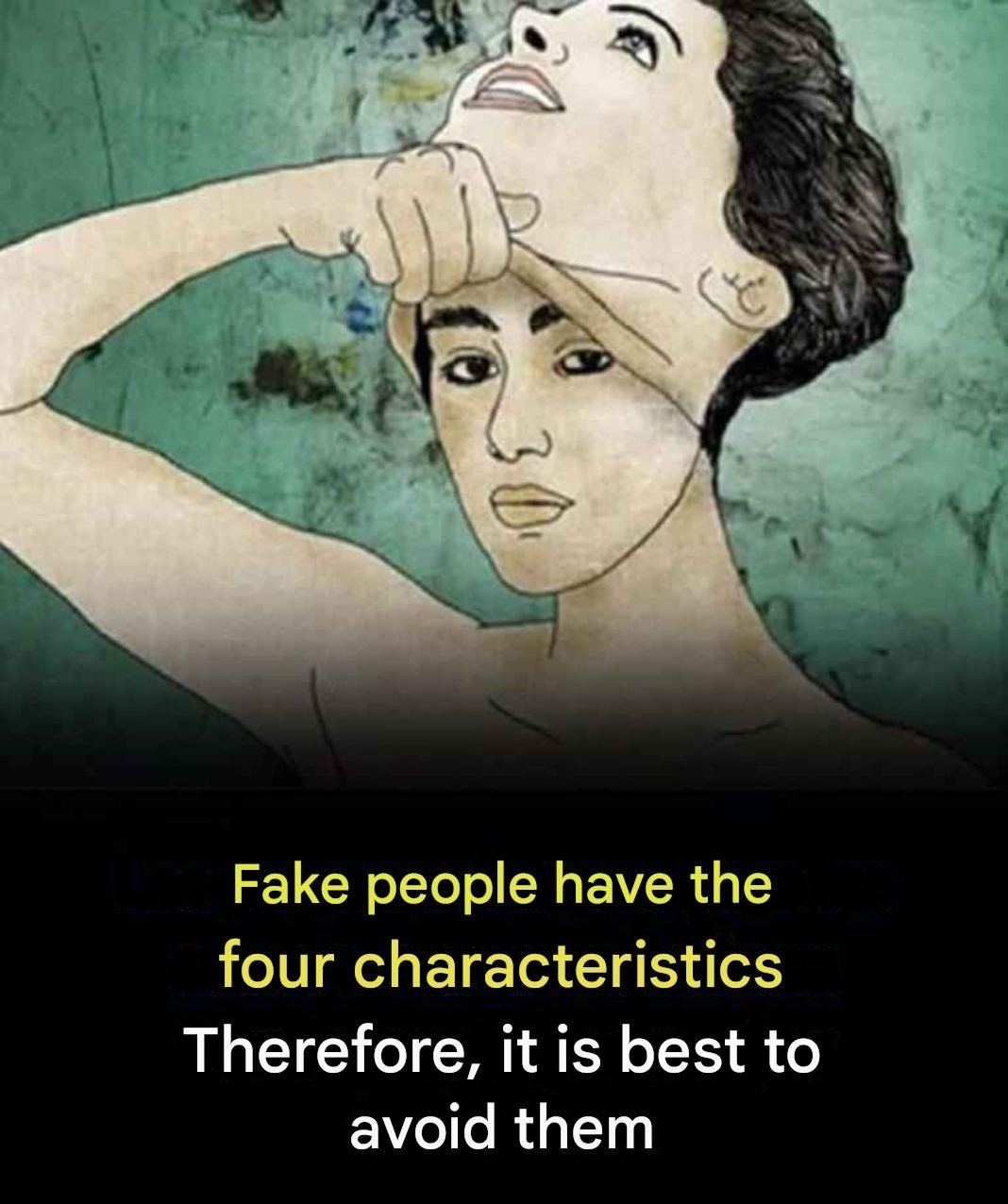
Understanding Fake People: Psychology, Traits, and Impact on Relationships
Throughout life, individuals encounter a wide variety of personalities. Among these, some people exhibit behaviors that invite suspicion about their authenticity. Frequently referred to as “fake people,” these individuals wear metaphorical masks, concealing their true intentions and personalities. While social adaptability is a trait most possess to some degree, a pronounced lack of authenticity can be emotionally taxing and disruptive in relationships and the workplace. This article provides an in-depth analysis of the phenomenon—its psychological roots, manifestations, and impact on social interactions, supplemented with expert views and research findings from reputable sources.
The Psychological Basis of Fake Behavior
Psychologists have thoroughly studied behaviors associated with inauthenticity. The “fake” persona is not simply a social inconvenience, but often rooted in deeper psychological needs and vulnerabilities. According to research published in personality journals, traits commonly linked to fake individuals include narcissism, Machiavellianism, and psychopathy:
- Narcissism: Characterized by an exaggerated sense of self-importance, need for admiration, and diminished empathy, narcissistic individuals often present themselves in ways designed to garner attention and approval.
- Machiavellianism: This trait involves strategic manipulation of others to achieve personal goals, often at the expense of genuine interaction.
- Psychopathy: Defined by a lack of guilt or remorse, people exhibiting psychopathic traits may engage in emotional harm without concern for consequences.
These traits, collectively referred to as the “dark triad,” are not present in every fake person, but they illustrate how emotional insecurity and a persistent need for social validation can manifest as inauthentic behavior. This is further compounded by childhood experiences where individuals may lack emotional bonding or validation, leading them to develop protective facades to cope with rejection. As noted by researcher Otto Kernberg, fake behavior may begin as a shield but over time transition into a barrier, limiting the capacity for meaningful relationships (PubMed).
Common Characteristics of Fake People
Expert analysis has identified recurring patterns and common traits associated with fake people. The following sections discuss four prominent characteristics, supported by psychological literature and real-life observations.
1. Inconsistent Behavior
A hallmark of fake individuals is their tendency to display inconsistent behavior. Unlike genuine people whose actions are relatively stable regardless of the audience, fake people often tailor their words, tone, and demeanor to fit the social environment. For example, they may be respectful and cheerful around authority figures but indifferent or dismissive with peers. Their interests and opinions can fluctuate depending on whom they wish to impress. This adaptability often goes beyond typical social courtesy, constituting habitual inconsistency that confuses others and erodes trust.
This pattern is frequently linked to motivations such as winning favor, gaining attention, or accessing social advantages. Fake individuals may exaggerate, contradict themselves, or make promises that shift with circumstances. As this behavior persists, friends, colleagues, or partners begin to question the individual’s sincerity and motives. While occasional flexibility is normal, persistent inconsistency signals a deeper problem—namely, difficulties with authenticity and self-acceptance.
2. Constant Need for Validation
A strong need for validation is another frequently observed trait. Individuals with this mindset depend heavily on external approval to feel secure. They solicit compliments, seek reassurance, and relish attention. The focus of social interactions often shifts toward their achievements, needs, or worries, reducing opportunities for balanced conversation and genuine connection.
This constant hunger for validation can undermine relationships, as interactions become increasingly superficial. The emphasis on being liked overshadows honesty and emotional openness. Over time, relationships may feel shallow and transactional, lacking the trust and depth essential to authentic bonds. While occasional encouragement is healthy, chronic dependence on others’ opinions can hinder emotional maturity and mutual respect.
3. Master of Manipulation
Fake individuals are frequently adept at manipulation, employing subtle or overt tactics to influence situations and emotions. Using charm, flattery, and carefully timed sympathies, they elicit responses that favor their interests. Manipulation is often masked by social niceties or apparent concern, making it difficult for others to discern underlying motives.
This behavior may include exploiting vulnerabilities, exaggerating accomplishments, or selectively omitting facts to preserve the preferred self-image. The manipulation is not always intentional or malicious—sometimes it serves as a self-protective strategy—but it creates uncertainty, erodes trust, and destabilizes relationships. A persistent manipulation undermines open communication and, combined with dishonesty, can create emotional confusion for those involved.
Small lies and inconsistencies accumulate, making it difficult to form genuine relationships. The inability to rely on truthful communication leads to skepticism and, ultimately, social distancing. Psychology experts warn that repeated dishonesty and manipulation can leave lasting emotional scars.
4. Lack of Boundaries
A disregard for personal boundaries is commonly observed in fake personalities. This trait can manifest as oversharing, invasive questioning, or inserting oneself into situations without invitation. Boundary issues range from subtle breaches—such as becoming too intimate too quickly—to overt actions that ignore explicit refusals. The effect on others is discomfort and the sense of being coerced into unwanted situations.
Another component of this characteristic is hypocrisy. Fake individuals may espouse values such as honesty or loyalty, but their behavior often contradicts these claims. Their words and actions diverge, weakening trust and undermining genuine communication. Over time, repeated boundary violations and hypocrisy become difficult to ignore, as observers learn to focus on actions rather than statements.
Why Do Fake People Behave This Way?
Understanding the motivations behind fake behavior helps contextualize its impact. Research indicates that much of this conduct arises from insecurity and fear of rejection. Childhood experiences, such as insufficient emotional validation or traumatic interpersonal relationships, may prompt individuals to develop protective strategies. These include adopting facades, mirroring others, or seeking approval through achievements—all as a means of avoiding vulnerability.
While these adaptations may offer short-term relief, they often become entrenched barriers in adulthood. The inability to forge authentic connections can lead to chronic loneliness, dissatisfaction, and emotional volatility. Experts recommend compassionate understanding, recognizing that these behaviors are less about malice and more about self-preservation. However, this does not excuse repeated breaches of trust or manipulation. Healthy relationships require boundaries, respect, and honest communication.
Impact on Relationships and Society
The presence of fake people in personal and professional settings can have significant consequences. In friendships, trust issues develop, creating emotional distance and difficulty in forming long-term bonds. In workplaces, inauthentic behavior leads to uncertainty, disrupts collaboration, and undermines organizational culture.
Societally, excessive emphasis on performance or image—amplified by social media platforms—encourages superficial interaction. Experts note that environments prioritizing popularity, appearance, or achievement may unintentionally promote inauthentic behavior. As a result, individuals may feel compelled to adopt masks to fit in, increasing stress and decreasing wellbeing.
While global attitudes toward authenticity vary, surveys consistently affirm that people value sincerity, transparency, and trustworthiness in relationships. International research shows that genuine behavior is correlated with higher satisfaction, stronger mental health, and social cohesion. Addressing fake behavior is not just a matter of individual awareness, but also of creating environments where honest self-expression is encouraged and valued.
Recognizing and Responding to Fake Behavior
Recognizing fake behavior allows individuals to protect their well-being and nurture genuine connections. Signs include chronic inconsistency, manipulation, boundary violations, and excessive dependence on validation. When these patterns emerge, experts recommend pausing to assess the situation rather than rushing to judgment.
Responding effectively involves setting clear boundaries, stating needs openly, and declining requests that feel uncomfortable. Trusting one’s intuition is important; discomfort may signal deeper issues. Ultimately, maintaining self-respect includes choosing not to engage with behaviors that undermine personal values or emotional safety.
It is crucial to acknowledge that inauthenticity often stems from insecurity rather than confidence. Compassionate support is valuable, but boundaries and self-care must come first. Developing the capacity to say “no,” clarify expectations, and communicate honestly is key to avoiding manipulation and fostering healthy relationships.
Building Genuine Relationships
Genuine relationships develop gradually through shared values, mutual respect, and authentic self-expression. They are founded on open dialogue, empathy, and the willingness to accept imperfections. This authenticity is vital not only for personal happiness but also for social and professional success.
Individuals seeking authenticity must focus on self-awareness—knowing who they are, what they value, and where their boundaries lie. This clarity attracts others with similar priorities and reduces vulnerability to manipulation or deceit. Repeatedly, studies show that authenticity fosters connection, resilience, and emotional fulfillment.
While societal pressures may encourage inauthentic conduct, maintaining genuine relationships is a lifelong endeavor. It requires patience, trust, and the ability to be oneself without fear of judgment. Ultimately, self-respect is the foundation upon which lasting bonds are built.
Conclusion
Understanding fake people involves more than labeling behaviors—it requires an analytical approach to psychological motivations, societal influences, and the impact on relationships. Approaching this topic with awareness and empathy allows individuals to protect themselves while maintaining openness to genuine connections. By prioritizing authenticity in interactions, setting boundaries, and trusting intuition, people can cultivate healthier and more satisfying relationships.
Recognizing that inauthenticity often arises from insecurity or past hardship provides perspective, but repeated manipulation or boundary violations should not be tolerated. Genuine relationships flourish in environments of respect, honesty, and mutual understanding, and are built slowly over time.
Sources
- ScienceDirect: Personality and Individual Differences
- PubMed: Kernberg Psychological Analysis
- BBC
- The Guardian
- Reuters
Disclaimer: This content is intended for entertainment purposes only and is not based on real events.