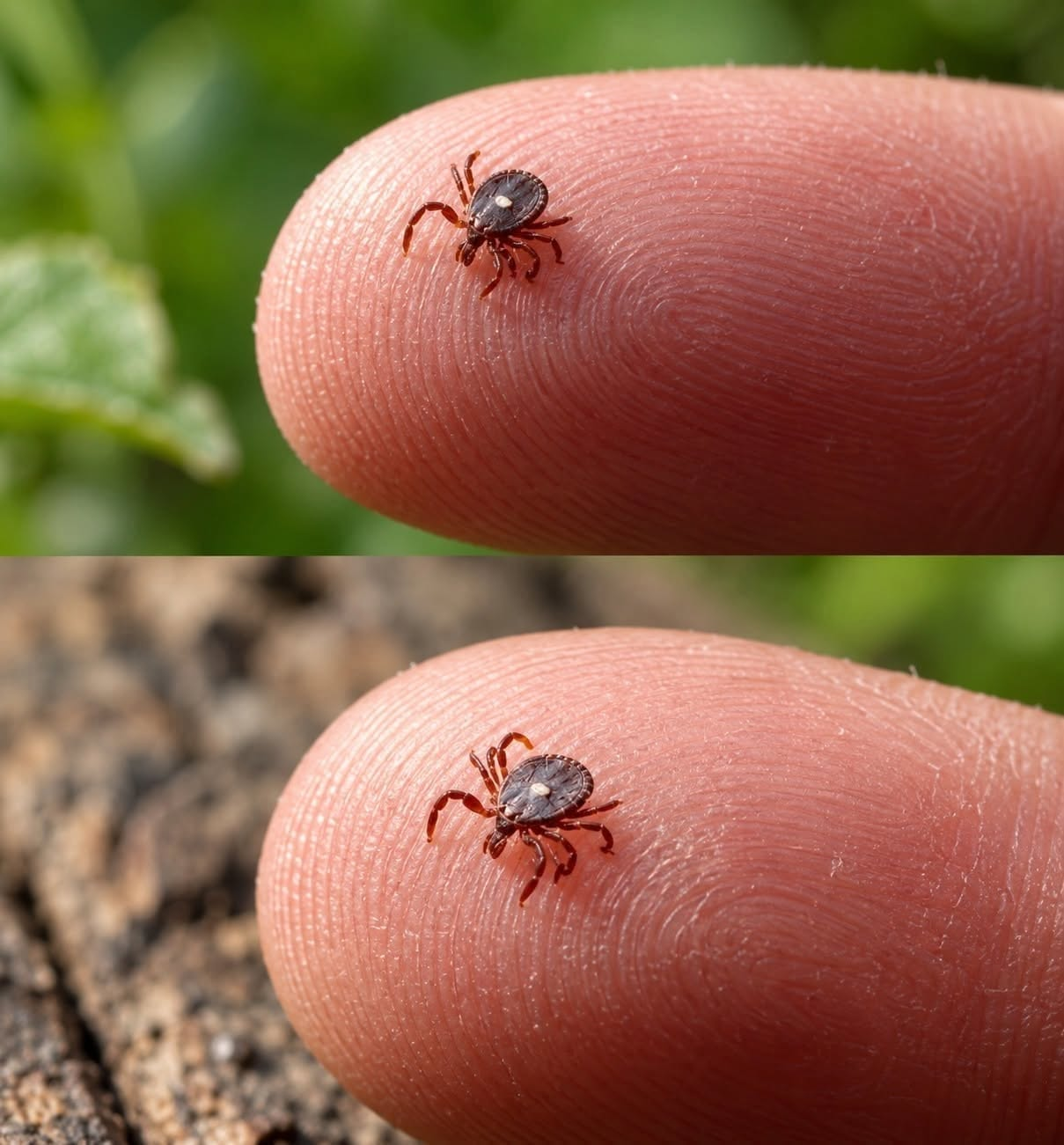
Don’t Panic: Here’s What to Do If You Find a Lone Star Tick
Introduction: Understanding Lone Star Ticks and Their Significance
Discovering a tick attached to your skin can be an unsettling experience, prompting fear and immediate action. Among various tick species in North America, the lone star tick (Amblyomma americanum) has drawn increased public attention in recent years due to its widespread distribution and potential health risks. Unlike some other ticks, the lone star tick can leave effects that extend well beyond the initial bite, raising important questions about tick bite safety, symptom monitoring, and potential long-term impacts like the development of alpha-gal syndrome, which can cause an allergy to red meats.
This comprehensive guide will provide science-based information on how to properly remove a lone star tick, what to expect in the hours and weeks after a bite, preventive measures, and what current research and expert opinion suggest about ongoing tick-borne health concerns. Whether you live in a high-risk region or encounter ticks occasionally, understanding appropriate actions and risks is essential to safeguarding your health.
What Is a Lone Star Tick?
The lone star tick is a species native to the southeastern and eastern United States but has been expanding its range north and westward. This tick is relatively easy to identify due to a distinctive white spot on the back of female adults, which gives the species its common name. Lone star ticks are active from early spring to late fall and are commonly found in wooded areas, overgrown fields, and wildlife habitats. They may attach to humans, pets, and wildlife, potentially transmitting several diseases.
Why Is the Lone Star Tick Unique?
While many ticks can transmit pathogens causing Lyme disease, ehrlichiosis, or Rocky Mountain spotted fever, the lone star tick is rarely associated with Lyme disease.1 However, it is a primary vector for ehrlichiosis and tularemia and has drawn scientific attention for its link to alpha-gal syndrome (AGS)—a type of red meat allergy triggered by tick saliva exposure. This condition is unique in that it can cause delayed allergic reactions after eating certain mammalian meats, and its mechanism is still being actively researched.
What to Do Immediately If You Find a Lone Star Tick Attached
If you notice a lone star tick attached to your skin, the most important step is to remain calm and take methodical action. Here are the recommended safe removal steps provided by the U.S. Centers for Disease Control and Prevention (CDC) and other public health agencies:
- Use Fine-Tipped Tweezers: Grasp the tick as close to the skin’s surface as possible. Avoid using your fingers, nail polish, petroleum jelly, or heat to remove the tick; these methods can increase infection risk.
- Pull Upward Steadily: Applying even, gentle pressure, pull the tick straight out without twisting or jerking, which could cause tick mouthparts to break off and remain embedded in the skin.
- Clean the Area: After removal, thoroughly clean the bite area and your hands using soap and water, rubbing alcohol, or iodine scrub.
- Dispose of the Tick Properly: Submerge the tick in alcohol, place it in a sealed bag or container, wrap it tightly in tape, or flush it down the toilet. Do not crush the tick with your fingers.
It’s beneficial to save the tick in case you develop symptoms later. Place it in a sealed bag with the date and location of the bite. This may assist medical professionals in diagnosis if illness arises.
Symptoms to Monitor After a Lone Star Tick Bite
Not all tick bites result in illness. However, lone star ticks are associated with some specific symptoms and diseases. After a bite, it is crucial to monitor for:
- Localized Rash or Redness: Mild irritation at the bite site is common. A circular rash or target-like appearance is rare with lone star tick but should be documented if noticed.
- Fever, Chills, or Muscle Aches: Symptoms resembling the flu may indicate a vector-borne infection.
- Headache, Nausea, or Fatigue: These may accompany tick-borne illnesses like ehrlichiosis or tularemia.
- Allergic Symptoms: Development of hives, swelling, or difficulty breathing after consuming red meat in the days or weeks after a bite may signal alpha-gal syndrome.
If you observe any of the above symptoms, especially within two weeks of the bite, seek medical advice and inform healthcare providers of your recent tick exposure. Immediate attention is warranted for severe symptoms such as trouble breathing or intense allergic reactions.
Lone Star Tick-Transmitted Diseases
While not all lone star tick bites result in illness, several notable diseases are associated with this tick:
Ehrlichiosis
Caused by bacteria of the genus Ehrlichia, ehrlichiosis typically presents with fever, headache, fatigue, and muscle aches. According to the CDC, early diagnosis and treatment are essential, as untreated cases can become severe.
Tularemia
Tularemia is a rare but potentially severe disease caused by Francisella tularensis. Symptoms can include ulcer at the bite site, swollen glands, and fever.
Alpha-Gal Syndrome
Alpha-gal syndrome leads to allergic reactions to the carbohydrate galactose-α-1,3-galactose, found in red meat. After a lone star tick bite, some individuals develop this unusual allergy, which can manifest as hives, swelling, stomach cramps, or even severe anaphylaxis hours after consuming mammalian meat products. The precise reasons why only some people develop AGS are not fully understood, but it is an active area of research.
Early identification of symptoms and prompt consultation with healthcare professionals are critical for prevention of complications.
Expert Perspectives and Ongoing Research
Scientists and healthcare professionals emphasize the need for awareness but discourage panic. According to Dr. Scott Commins, an immunologist who has conducted significant research on alpha-gal syndrome, the risk of developing AGS after a single tick bite is currently believed to be low, but repeated exposures increase risk.2
Ongoing research funded by the National Institutes of Health (NIH) is focused on the mechanisms behind AGS and on developing more effective diagnostics and treatment protocols for tick-borne diseases. The CDC and other public health officials also prioritize tick surveillance, public education, and research into vaccines or repellents.
Global and Societal Reactions
While lone star ticks are primarily a concern in the United States, global climate changes and increased international travel mean that tick-borne diseases are a growing concern worldwide. Experts from the World Health Organization (WHO) have called for improved tick management strategies and public awareness campaigns, particularly in areas where tick habitats are expanding.
Public health agencies advise caution when spending time in wooded or grassy areas, emphasizing the importance of clothing choices, tick repellents, and self-examination after outdoor activities. Increased reports of tick-borne illness have led to policy changes in several states, affecting disease surveillance and physician reporting practices.
Prevention: Reducing Your Risk of Lone Star Tick Bites
Preventing tick bites is the most effective strategy for reducing health risks associated with the lone star tick. The CDC and environmental health agencies recommend:
- Wear long sleeves and pants; tuck pants into socks when in grassy or wooded areas.
- Use EPA-registered tick repellents containing DEET, picaridin, or IR3535 on skin and permethrin on clothing.
- Conduct thorough tick checks on yourself, children, and pets after spending time outdoors.
- Shower within two hours of coming indoors to reduce the likelihood of tick attachment.
- Keep lawns mowed and clear brush to reduce tick habitats near your home.
Pet owners should consult veterinarians about tick preventive medications for animals, as pets can transport ticks indoors and also suffer from tick-borne diseases.
When to See a Doctor
Most tick bites do not lead to disease or severe reactions, but medical advice is necessary if you develop fever, rash, persistent pain, or allergic symptoms after a tick bite. Bring information about the tick (species, date, location of exposure) to your healthcare provider. Early intervention is critical in successfully treating many tick-borne illnesses.
In cases of severe allergic reaction—such as hives, swelling of the lips or face, difficulty breathing, or sudden fainting after consuming red meat—seek emergency medical attention immediately, as these could be symptoms of alpha-gal syndrome.
Conclusion
Lone star ticks are a growing public health concern in the United States, but staying informed and taking prompt, proper action after a tick encounter significantly lowers risks. Understanding tick biology, practicing preventive measures outdoors, and monitoring for symptoms ensures that you respond effectively if you or a loved one come across this tick. The scientific community continues to monitor lone star ticks and related diseases closely, and ongoing research offers hope for improved prevention, diagnosis, and treatment strategies.
Sources
- Centers for Disease Control and Prevention (CDC)
- National Institutes of Health (NIH)
- Mayo Clinic
- BBC
- Reuters
Disclaimer: This content is intended for entertainment purposes only and is not based on real events.