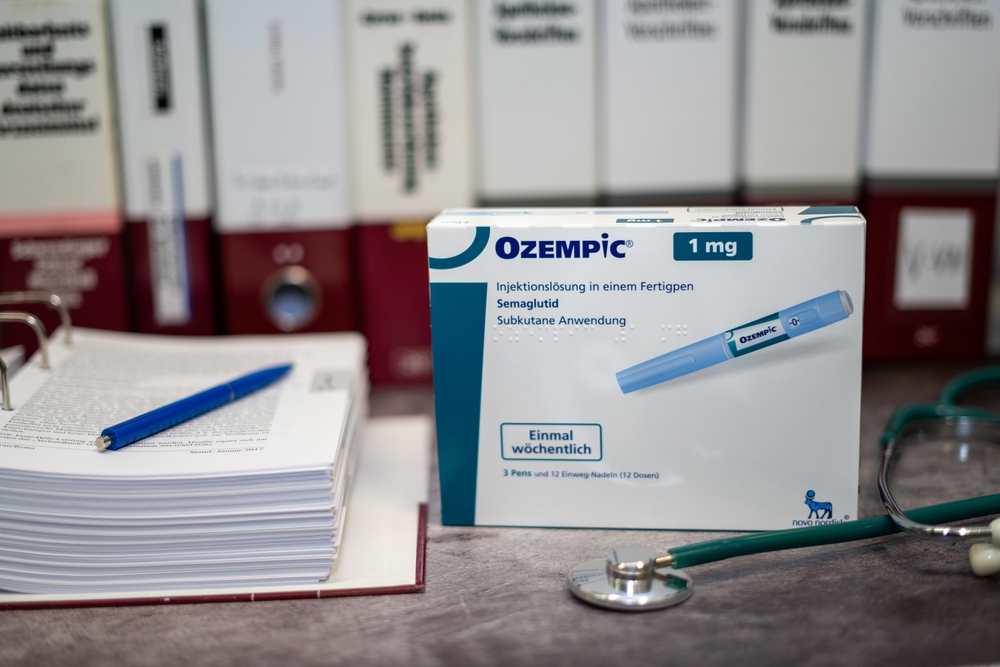
Ozempic users warned after experiencing strange side effect

Ozempic has become one of the most talked‑about prescription drugs in recent years, not only for its role in treating type 2 diabetes but also for its noticeable effects on weight loss. As its use has expanded, especially among people who do not have diabetes but are seeking to lose weight, questions have grown about its full range of side effects.
Among the emerging concerns is a potential impact on sex drive, or libido. While formal scientific data are still limited, many users are sharing personal experiences online, prompting interest from both patients and clinicians. Understanding what is known—and what remains uncertain—can help people make informed decisions about using this class of drugs.
What is Ozempic and how does it work?
Ozempic is the brand name for semaglutide, a prescription drug developed by Novo Nordisk. It belongs to a class of medications called GLP‑1 receptor agonists. These drugs mimic the action of a naturally occurring hormone in the body called glucagon‑like peptide‑1 (GLP‑1).
GLP‑1 plays several important roles in regulating metabolism. When activated, GLP‑1 receptors help:
- Increase insulin secretion from the pancreas when blood sugar is high
- Reduce the amount of glucose released by the liver
- Slow the emptying of the stomach, which can lead to a feeling of fullness
- Influence appetite centers in the brain, often reducing hunger
Ozempic is officially approved for adults with type 2 diabetes to help improve blood sugar control, alongside diet and exercise. The drug’s own website states that while Ozempic is not a weight‑loss medication, some patients may lose weight while using it. A higher‑dose version of semaglutide, sold under a different brand name, is specifically approved for chronic weight management in people with obesity or overweight and certain health conditions.
Rising off‑label use for weight loss
Because semaglutide can significantly reduce appetite and lead to substantial weight loss in many users, Ozempic has attracted global attention far beyond the diabetes community. Celebrities, influencers, and everyday users have discussed dramatic weight changes on social media, and demand for the drug has surged in several countries.
This widespread interest has contributed to supply challenges in some regions and has sparked debate about the ethics of using a diabetes medication primarily for cosmetic or non‑medical weight loss. At the same time, more people than ever are being exposed to GLP‑1 drugs, which naturally increases the number of reported side effects—both common and rare.
Commonly documented side effects of Ozempic include:
- Nausea, vomiting, or diarrhea
- Constipation
- Abdominal discomfort
- Gas and bloating
- Loss of appetite
Some users also mention cosmetic changes, such as sagging skin after rapid weight loss, although this is more likely related to weight change itself than to any direct effect of the drug.
User reports of changes in sex drive
Alongside digestive issues and weight changes, a growing number of people have begun discussing a more unexpected effect: changes in libido. On online forums and social media platforms, users have described very different experiences.
Some individuals say their sex drive dropped sharply after starting Ozempic. One user on a discussion thread dedicated to the medication wrote, “My sex drive is completely gone.” Another person, responding to a question about whether the drug had affected their libido, reported, “Mine has left the building. I miss it!” A third added, “Same. Got nothing. It’s like it has totally just quit and left.”
Others echoed similar concerns, with a user noting that after three to four months on Ozempic, they felt as if their sex drive had disappeared and wondered if others had gone through the same experience.
However, not all reports are negative. Some people describe the opposite effect, saying their sexual interest has improved:
- “Mine’s definitely improved, my husband loves it. I went years without any desire at all,” one user shared.
- Another commented, “Mine has improved greatly, and it was good before.”
These contrasting accounts highlight how complex and individual the relationship between medication, metabolism, mental health, and sexual function can be. Personal testimonies are valuable for raising questions, but they cannot, by themselves, prove cause and effect. That is where expert insight and controlled studies are needed.
How might GLP‑1 drugs affect libido?
Researchers are still working to understand all the ways GLP‑1 medications interact with the brain and body. While official prescribing information for Ozempic does not list low libido as a common side effect, experts say there are plausible biological mechanisms that could explain why some users notice changes in sexual interest.
Dr. James Simon, a reproductive endocrinologist, obstetrician‑gynecologist, and clinical professor at George Washington University, has noted that GLP‑1–based medications act in brain regions involved in many forms of reward and motivation. As he explained in comments reported by major U.S. media, “These drugs do work in the same places that pleasure and sexual interest are located in the human brain—male and female.”
Because GLP‑1 drugs influence appetite and reward pathways, some researchers suggest they may indirectly affect how people experience other forms of desire, including sexual desire. For example:
- If the medication blunts overall reward responses, some individuals might feel less motivated by food, sex, or other pleasurable activities.
- For others, improvements in body image, mood, and physical health after weight loss may strengthen sexual confidence and interest.
There are also broader health factors to consider. People with obesity or long‑standing type 2 diabetes often have higher rates of depression, hormonal imbalances, and cardiovascular problems, all of which can affect sexual function. When a person loses weight, improves blood sugar control, or reduces cardiovascular strain, those changes can, in theory, enhance sexual health.
Weight loss, cardiovascular health, and erectile function
For men in particular, erectile dysfunction (ED) is closely linked to blood vessel health. The same processes that contribute to heart disease—such as narrowing of the arteries and reduced blood flow—can also impair the blood supply needed for normal erections.
Dr. Taylor Kohn, a fellow in male reproductive medicine and surgery in the Department of Urology at Baylor College of Medicine, has highlighted this connection. Speaking about the long‑term benefits of weight loss and cardiovascular improvement in patients using GLP‑1 drugs, he noted that better heart and blood vessel health can lead to better erectile function. In his words, “We know that if you reverse cardiovascular disease, erectile dysfunction improves as well.”
From this perspective, any medication that contributes to sustained weight loss, improved blood pressure, and better blood sugar control—under proper medical supervision—may indirectly improve sexual function for some men. However, this does not rule out the possibility that a subset of users might notice reduced desire or other sexual changes, whether from the drug itself, psychological adjustments to rapid weight loss, or shifts in hormone levels.
What does the scientific evidence say so far?
At present, large clinical trials of semaglutide have focused mainly on outcomes such as blood sugar control, weight loss, cardiovascular events, and common gastrointestinal side effects. Libido changes have not been a primary endpoint in most of these studies, and sexual side effects are not prominently featured in official summaries.
That means most of the current discussion about sex drive and Ozempic comes from individual user reports, small observational studies, or expert opinion. While these early signals are important and warrant further investigation, they are not enough to establish a clear, universal pattern.
Several factors complicate the picture:
- Weight loss itself can dramatically affect body image, confidence, and relationship dynamics, which may either increase or decrease sexual interest.
- Changes in diet, alcohol intake, or exercise that often accompany starting a medication can independently influence libido.
- Co‑existing conditions such as depression, anxiety, or hormonal disorders may improve or worsen over time, affecting sexual health.
- Other medications taken at the same time, including antidepressants or blood pressure drugs, are known to influence sexual function.
Because of these overlapping influences, researchers caution against attributing every change in sex drive directly to Ozempic or any single GLP‑1 drug. More targeted studies will be needed to determine how often libido changes occur, in whom, and through which mechanisms.
Talking with your healthcare provider
For people using Ozempic or considering a GLP‑1 medication, the key step is open communication with a qualified healthcare professional. If someone notices a marked change in sex drive—whether a decrease or an unexpected increase—it is important to discuss this with their doctor rather than abruptly stopping the medication on their own.
A clinician can help:
- Review all current medications to see if other drugs might be contributing
- Evaluate overall physical and mental health, including hormone levels when appropriate
- Distinguish between temporary adjustment effects and ongoing problems
- Consider dose adjustments, switching to a different medication, or addressing related issues such as mood, sleep, or relationship stress
In some cases, sexual side effects may fade as the body adapts to the drug. In others, a change in treatment strategy may be appropriate. Because experiences vary so widely—some people report better sexual health, others worse—individualized care is essential.
Safe and informed use of Ozempic
Ozempic remains an important therapy for many adults with type 2 diabetes, offering improved blood sugar control and, for some, meaningful weight loss that can lower long‑term health risks. Its growing off‑label use for weight management has brought it into the public spotlight, but it also raises questions about how best to balance benefits and risks.
Key points for anyone considering or using Ozempic include:
- Use it only under the guidance of a licensed healthcare professional.
- Follow dosing instructions carefully and do not adjust or stop the medication without medical advice.
- Report new or unexpected symptoms, including changes in mood, digestion, or sexual function.
- Remember that lifestyle factors—nutrition, physical activity, sleep, and stress management—remain essential to long‑term health, even when using medication.
As more people use GLP‑1 drugs and more data become available, researchers and regulators will have a clearer picture of their full side‑effect profile, including any consistent impact on libido. For now, user experiences provide early signals and important questions, while formal studies and expert analysis work to provide more definitive answers.
Looking ahead
The conversation around Ozempic and sex drive reflects a broader shift in how society talks about both metabolic health and sexual wellbeing. People are increasingly willing to discuss intimate side effects publicly, which can help others feel less isolated and encourage more research into topics that were once rarely addressed.
At the same time, it is important to approach anecdotal reports thoughtfully. Not everyone will have the same experience, and one person’s reaction to a medication does not predict how others will respond. A careful, evidence‑based approach—combining clinical data, expert insight, and honest patient feedback—offers the best path to understanding how drugs like Ozempic affect the whole person, not just blood sugar or body weight.
Anyone worried about potential side effects, including changes in sex drive, should seek personalized medical advice. Together with a trusted clinician, patients can weigh the benefits and risks of treatment and choose options that align with their health goals and quality of life.
Sources
- Ozempic official prescribing information
- Reuters health coverage on GLP‑1 drugs
- BBC News – Health: Diabetes and weight‑loss medications
- NHS – Type 2 diabetes overview
- Mayo Clinic – Type 2 diabetes treatment options
- CDC – Type 2 diabetes basics
- WHO – Diabetes fact sheet
- UpToDate – Glucagon-like peptide-1 receptor agonists in the treatment of type 2 diabetes
Disclaimer: This content is intended for entertainment purposes only and is not based on real events.