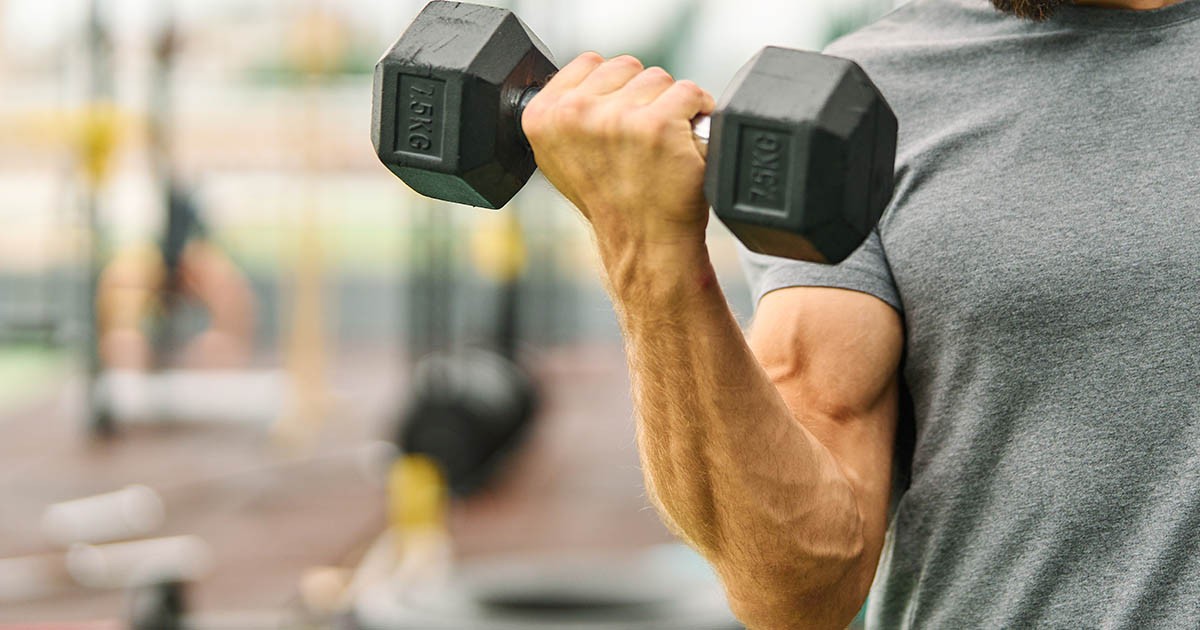
The gym can produce some surprising visual changes. After a demanding workout, shoulders may look broader, muscles can appear fuller, and the skin may become noticeably warm. Yet some men notice an unexpected change in the opposite direction: a temporary retraction that makes the penis appear smaller than usual.
It can be an uncomfortable topic to discuss, particularly in a locker-room environment where people may compare themselves without understanding how much the human body naturally varies. Online, this temporary effect has picked up informal names such as “gym penis” and “turtling.” Although those expressions sound dramatic, the underlying explanation is generally much more ordinary.
Rather than being a mysterious consequence of exercise, temporary retraction can be connected to normal changes in circulation, temperature, hydration and the nervous system. Understanding those processes can help separate an everyday physiological response from situations that may deserve professional attention.
What Does “Turtling” Mean After a Workout?
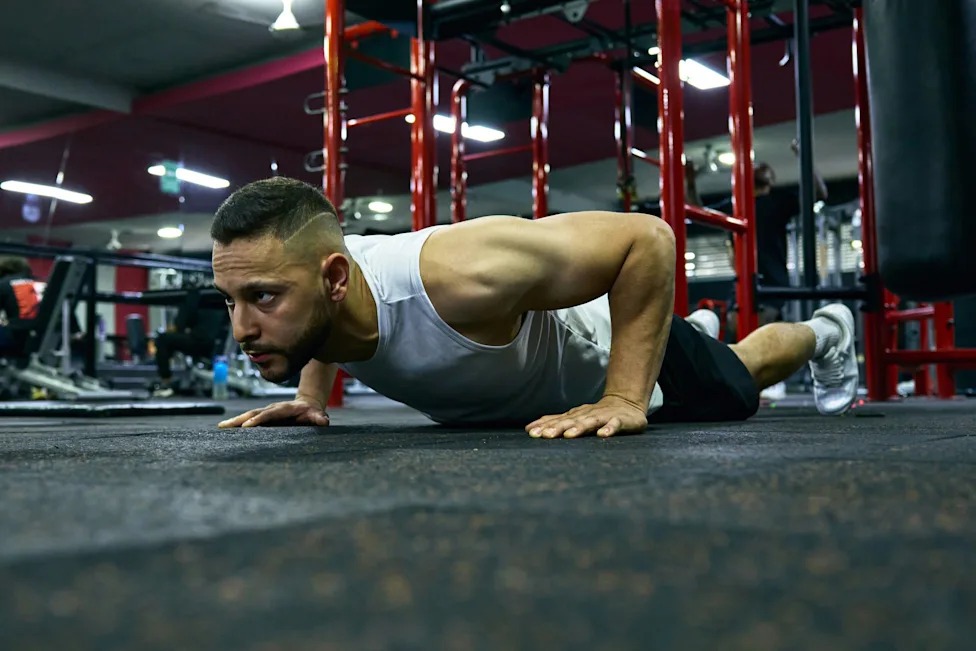
“Turtling” is an informal term describing temporary penile retraction, in which the penis appears to draw closer to the body and look smaller than it normally does when relaxed.
The effect can be particularly noticeable after demanding exercise. A person may observe it after weight training, running, cycling, interval workouts or other activities that place considerable demands on the body.
Importantly, appearance can change naturally from one moment to another. The relaxed appearance of the penis is influenced by temperature, circulation, muscle activity and the state of the autonomic nervous system. Therefore, a temporary difference in appearance does not necessarily indicate that anything has changed structurally.
Medical professionals have also emphasized that the degree of retraction can vary considerably between individuals. Some people may barely notice a difference, while others may experience a more obvious temporary change.
Why Can Exercise Cause Temporary Retraction?
The main explanation involves the body’s circulation and nervous-system response to physical activity.
During exercise, the cardiovascular system works harder to deliver oxygen and nutrients to tissues that need them. The heart pumps more blood, breathing becomes faster, and blood vessels adjust their diameter according to the body’s changing demands.
Working muscles require substantial circulation, particularly during strenuous activity. The heart, lungs and skin also become important parts of the body’s response to exercise.
At the same time, the sympathetic nervous system becomes more active. This system is associated with the body’s natural response to physical stress and heightened activity. It can influence heart rate, blood-vessel tone and several involuntary functions.
These changes can temporarily affect blood flow to areas that are not the immediate priority during exercise. As a result, the penis may appear more contracted or retracted than it does when the body is resting.
This is not necessarily a sign that the body is malfunctioning. It is better understood as part of a broader physiological adjustment taking place while the body responds to physical exertion.
Temperature Can Make the Effect More Noticeable
Temperature is another important factor.
Most people have experienced some degree of natural contraction in response to cold conditions. The body attempts to maintain a stable internal temperature, and blood vessels near the surface of the body can respond accordingly.
A workout can create an unusual combination of conditions. Someone may begin exercising in a cool gym, become warm during the session and then experience a rapid change in temperature afterward. Cold air, fans, air conditioning or a cool shower may make temporary retraction more noticeable.
This is one reason the appearance of the body immediately after exercise may not accurately represent how it looks under ordinary resting conditions.
Rather than focusing on a single moment, it is more useful to consider how the body changes as it returns to its normal resting state.
Could Hydration Play a Role?
Hydration may also influence how someone feels and looks after strenuous exercise.
During physical activity, the body loses fluid through perspiration and respiration. The amount varies depending on workout intensity, environmental temperature, humidity and individual physiology.
When someone becomes dehydrated, blood volume and circulation can be affected. Although hydration alone does not explain every instance of temporary retraction, maintaining adequate fluid intake is an important part of sensible exercise habits.
That does not mean drinking excessive amounts of water is necessary. For most ordinary workouts, drinking according to thirst and replacing fluids lost through prolonged or particularly demanding activity is a reasonable approach.
People exercising for long periods or in hot conditions may have different hydration requirements and should follow appropriate guidance for their circumstances.
Stress, Caffeine and Pre-Workout Products
Exercise is not the only factor that can activate the sympathetic nervous system.
Mental stress and anxiety can produce similar physiological responses. Someone who becomes self-conscious after noticing a temporary change may consequently become more anxious, potentially making the experience feel even more pronounced.
Caffeine can also stimulate the nervous system. Many pre-workout products contain caffeine or other ingredients designed to increase alertness and perceived energy.
For some people, these factors may contribute to a stronger sensation of being physically activated during or immediately after exercise. However, responses vary considerably, and it would be too simplistic to claim that caffeine or pre-workout supplements directly cause temporary retraction in every person.
The most useful approach is to view these factors as possible contributors rather than universal explanations.
Why the Psychological Effect Can Be Bigger Than the Physical One
For many people, the most significant part of the experience may not be the temporary physical change itself but the concern it creates.
Locker rooms and gyms can encourage comparison. When someone notices that their body looks different from what they expected, it is easy to wonder whether the difference is unusual.
That concern can lead to unnecessary embarrassment or self-consciousness.
Human bodies, however, naturally change throughout the day. Temperature, exercise, stress, hydration and circulation can all influence appearance. Comparing one person’s body at one particular moment with another person’s appearance is therefore unlikely to provide a meaningful medical comparison.
Understanding the normal physiology behind temporary changes can reduce unnecessary worry.
When Should a Persistent Change Be Checked?
Temporary changes associated with exercise are generally different from persistent or unusual symptoms.
If a change continues well after the body has returned to a resting state, or if it occurs alongside other new symptoms, seeking advice from a qualified healthcare professional is sensible.
Particular attention is appropriate when someone experiences persistent discomfort, changes in urination, new erectile difficulties, significant changes in sensation or an unexpected change in shape that does not resolve.
These symptoms do not automatically mean that there is a serious underlying problem. They simply provide a reason to discuss the situation with a professional rather than assuming that exercise is responsible.
A healthcare professional can consider a person’s broader medical history, medications, exercise habits and other relevant factors before determining whether further evaluation is appropriate.
How Long Does Temporary Retraction Usually Last?
For someone who notices the change only during or shortly after strenuous exercise, the appearance will generally begin returning toward its usual resting state as the body cools down and physiological activity settles.
The exact timing differs between individuals.
For some people, the change may become less noticeable relatively quickly. For others, it may take longer depending on exercise intensity, temperature, hydration, stress and individual circulation.
There is therefore no universal timer that determines exactly when the body should return to its usual appearance.
Allowing the body to cool down, replacing fluids appropriately and returning to a relaxed state are sensible steps after exercise.
The Cultural Side of Body Myths
The fascination with temporary bodily changes is not new.
Across cultures, people have created explanations for physical experiences that were not always easy to understand. Before modern physiology provided detailed explanations of circulation and the nervous system, unusual changes could easily become associated with folklore, superstition or cultural symbolism.
The informal language surrounding “turtling” belongs to a modern version of that tradition. Online communities often give ordinary physiological experiences memorable names, which can make them easier to discuss but can also make them sound more mysterious than they actually are.
There is no need to interpret temporary post-workout retraction as evidence of a hidden transformation or unusual phenomenon. Scientific explanations involving circulation, temperature and nervous-system activity provide a much more grounded framework.
That does not make the experience uninteresting. In fact, the ordinary explanation reveals how remarkably responsive the human body can be.
What Science Can Explain and What Remains Individual
Science can describe general physiological mechanisms, but it cannot predict exactly how every individual body will respond to a particular workout.
Two people can perform the same exercise and notice very different changes afterward. Differences in fitness, body composition, temperature, hydration, stress, medication use and individual physiology can all influence the experience.
This is why extraordinary explanations should be treated cautiously. Anecdotal experiences can be real to the person experiencing them without necessarily proving that a particular cause is responsible.
The best approach is to distinguish between observation and explanation.
Someone may accurately observe that their body looks different after exercise. Determining why that happens requires considering established physiological mechanisms rather than relying on an unusual explanation simply because it sounds compelling.
Returning to Normal After Exercise
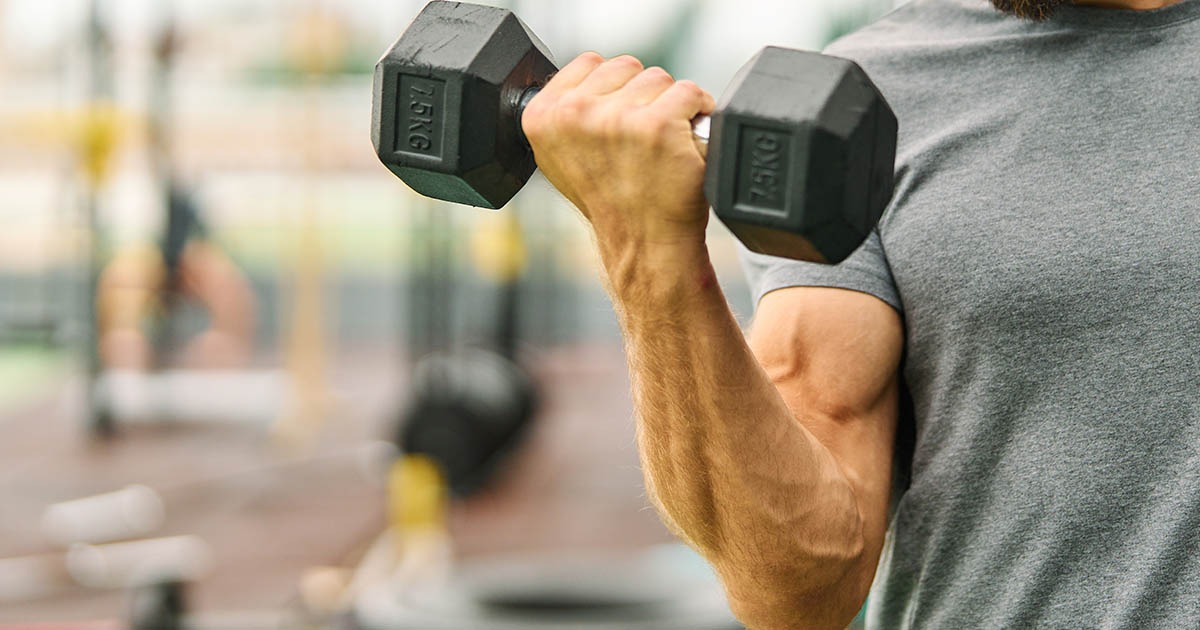
The body is constantly adjusting.
During exercise, circulation changes, the heart works harder, muscles consume more oxygen and the nervous system shifts into a more active state. Afterward, those systems gradually move toward their resting levels.
That transition explains why the body can look and feel different during a workout than it does before or afterward.
For men who notice temporary retraction, understanding this process can provide reassurance. A brief change associated with strenuous activity does not automatically indicate a permanent change or a problem with physical development.
The key distinction is between a temporary response that follows exercise and a persistent change accompanied by other symptoms.
A Better Way to Think About “Gym Penis”
The phrase “gym penis” may be memorable, but it can also make an ordinary physiological response sound more mysterious than it is.
A more useful perspective is to recognize that the human body does not remain visually identical throughout the day. Exercise, temperature, circulation and the nervous system can all influence appearance.
Rather than judging the body based on a single post-workout moment, it makes more sense to consider the broader pattern and allow time for normal physiological recovery.
For most people, curiosity about this phenomenon can be answered without sensational explanations. The science is already fascinating enough.
Final Thoughts: Why We Remain Curious About the Human Body
From ancient cultural traditions to modern fitness communities, people have always been fascinated by changes they observe in their own bodies.
Sometimes those observations become stories. Sometimes they become myths. And eventually, scientific research can provide a clearer explanation for what is happening beneath the surface.
Temporary post-exercise retraction is a useful reminder that the human body is constantly adapting to its environment. Blood flow changes, the nervous system responds, temperature shifts and the body gradually returns to equilibrium.
The next time an unusual post-workout change raises questions, curiosity is a good starting point. The important step is pairing that curiosity with reliable information and recognizing the difference between a temporary physiological response and a persistent change that deserves professional attention.
In the end, understanding the ordinary mechanisms behind an unusual experience does not make it less fascinating. It shows just how dynamic the human body really is.
Sources
Shutterstock, image reference provided for the article.
New York Post, reporting on temporary post-exercise penile retraction and expert commentary.
Metro, medical commentary concerning exercise-related changes and when professional assessment may be appropriate.
Cleveland Clinic, educational resources on exercise physiology, circulation and the body’s response to physical activity.
American College of Sports Medicine, educational guidance concerning exercise, hydration and physiological responses to physical activity.
Mayo Clinic, general medical information concerning exercise, hydration and symptoms that may warrant professional evaluation.