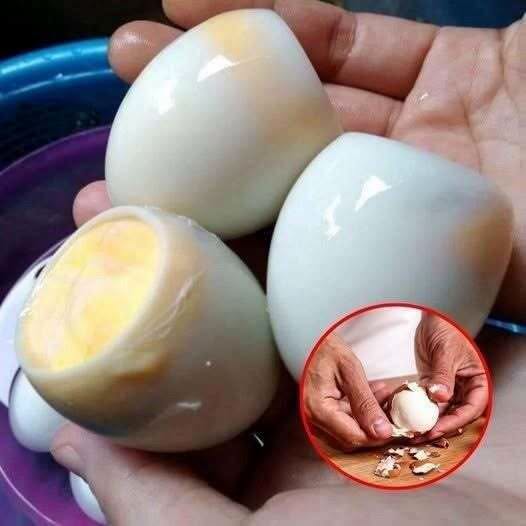
For generations, making hard-boiled eggs has been a simple kitchen tradition. Place eggs in water, heat them, cool them, and enjoy.
Yet even a basic task can come with small frustrations.
Sometimes eggs crack while cooking. Sometimes the shells seem difficult to remove. Sometimes the yolks develop a green-gray ring that makes them look less appealing.
These common kitchen challenges have encouraged many people to explore alternative methods, including baking hard-boiled eggs in the oven.
At first, the idea may sound unusual. Eggs are usually associated with boiling water, not dry heat. However, many home cooks have discovered that the oven method can be a convenient option, especially when preparing larger quantities.
So does baking eggs really work?
The answer is yes, with a few important details to understand.
The Idea Behind Oven-Baked Hard-Boiled Eggs
The concept is simple.
Instead of cooking eggs in simmering water, the oven uses surrounding heat to gradually warm the eggs until they reach the desired texture.
This method is similar to other oven cooking techniques where steady heat allows food to cook evenly.
The biggest difference is the experience.
With traditional boiling, you need to monitor a pot of water. With baking, the process is mostly hands-off.
This makes the oven method attractive for busy cooks who want a simpler routine.

How to Bake Hard-Boiled Eggs in the Oven
Preparing oven-baked eggs requires only a few basic items.
You need:
Fresh eggs
A muffin tin or baking dish
A bowl of ice water
A preheated oven
The general process is straightforward.
First, heat the oven to around 325–350°F.
Next, place each egg into a muffin tin. The cups help keep the eggs stable and prevent them from rolling around during cooking.
Bake the eggs for approximately 25–30 minutes.
While the eggs are cooking, prepare an ice bath. Once finished, immediately transfer the eggs into the cold water.
The ice bath stops the cooking process and helps cool the eggs quickly.
Why the Ice Bath Matters
Cooling eggs after cooking is an important step regardless of the method.
The sudden temperature change helps prevent overcooking and improves the final texture.
It also makes handling the eggs easier.
Many people believe the ice bath directly guarantees easy peeling, but the result depends on several factors, including the freshness of the eggs.
Older eggs often peel more easily because the internal structure changes slightly as eggs age.
Benefits of Baking Eggs Instead of Boiling
The oven method has several advantages.
Convenient for Large Batches
One of the biggest benefits is quantity.
A pot can only hold a certain number of eggs comfortably. An oven allows many eggs to cook at once.
This makes baked eggs useful for:
Meal preparation
Family gatherings
Weekly snacks
Large recipes
For anyone who regularly prepares multiple eggs, this method can save time and effort.

A More Hands-Off Approach
Traditional boiling requires attention.
You may need to:
Watch the water
Adjust the heat
Prevent overflowing
Monitor timing
Baking reduces the need for constant checking.
Once the eggs are placed in the oven, you can focus on other tasks.
Less Water Management
Another advantage is avoiding a large pot of boiling water.
There is no need to measure water levels or deal with bubbling water.
This can make the process feel cleaner and simpler.
Possible Downsides of Oven-Baked Eggs
Although the oven method works, it is not perfect.
Like any cooking technique, it has limitations.
Longer Cooking Time
The oven method generally takes longer than traditional boiling.
If you need eggs quickly, stovetop cooking may still be the better choice.
Boiling water transfers heat efficiently, allowing eggs to cook faster.
Possible Texture Differences
Some people notice slight differences in texture.
Oven-baked eggs may sometimes have:
Firmer whites
A slightly different yolk consistency
A less traditional feel
These differences are usually minor, but personal preference matters.
Risk of Overcooking
Cooking eggs too long can create unwanted changes.
An overcooked egg may develop:
A firmer texture
A drier yolk
A green-gray ring around the yolk
This color change is caused by a reaction between sulfur and iron compounds during cooking. It is harmless, but many people prefer a bright yellow yolk.
Does Baking Make Eggs Easier to Peel?
This is one of the biggest questions.
The answer is: sometimes.
The cooking method can influence peeling, but the age of the egg often matters more.
Fresh eggs usually cling more tightly to their shells.
Eggs that have been stored for several days often separate more easily after cooking.
For the best peeling results:
Use slightly older eggs
Cool them quickly
Crack the shell gently
Peel under running water if needed

Storage and Meal Preparation
Cooked eggs are convenient because they store well.
Unpeeled hard-cooked eggs can usually be kept refrigerated for about a week.
Peeled eggs are best enjoyed sooner because they lose freshness more quickly.
Keeping them properly chilled helps maintain quality.
Comparing Oven and Stovetop Methods
Both cooking methods have strengths.
The stovetop method is often preferred because it is:
Faster
Traditional
Easy to control
The oven method is popular because it is:
Convenient
Good for large batches
Less hands-on
Neither method is universally better.
The best choice depends on your schedule and cooking habits.
A Small Kitchen Experiment With a Big Lesson
The popularity of baking eggs shows something interesting about cooking.
Even familiar foods can be prepared in new ways.
Kitchen experiments often come from simple questions:
Can this be easier?
Can this save time?
Can this improve the routine?
Trying a different method does not mean replacing tradition. It simply expands the options available.
Conclusion: Finding the Method That Fits Your Kitchen
Baking hard-boiled eggs in the oven is more than just a cooking trend. It is a practical alternative that works well for many people.
It offers convenience, requires little attention, and makes preparing large batches easier.
However, traditional boiling remains a reliable choice for those who want speed and consistency.
In the end, cooking is about discovering what works best for your lifestyle.
A simple egg can remind us that even everyday routines can be improved through curiosity, experimentation, and a willingness to try something new.

Sources
United States Department of Agriculture (USDA). Food safety guidance for eggs and cooked foods.
American Egg Board. Educational resources on egg preparation and storage.
Food science resources from university extension programs on cooking methods and egg quality.