In the world of cooking, some ingredients look so similar that it is easy to assume they are interchangeable.
Green onions, scallions, spring onions, and chives often appear together in markets and recipes. They share a fresh green color, a gentle onion aroma, and the ability to add brightness to many dishes.
However, these ingredients each have their own characteristics.
Their differences may seem small, but choosing the right one can change the flavor, texture, and appearance of a meal.
Understanding these everyday herbs and vegetables helps home cooks use them more confidently and bring out the best in their recipes.
Green Onions and Scallions: The Same Ingredient
One of the most common points of confusion is the difference between green onions and scallions.
The answer is simple: they are generally the same ingredient.
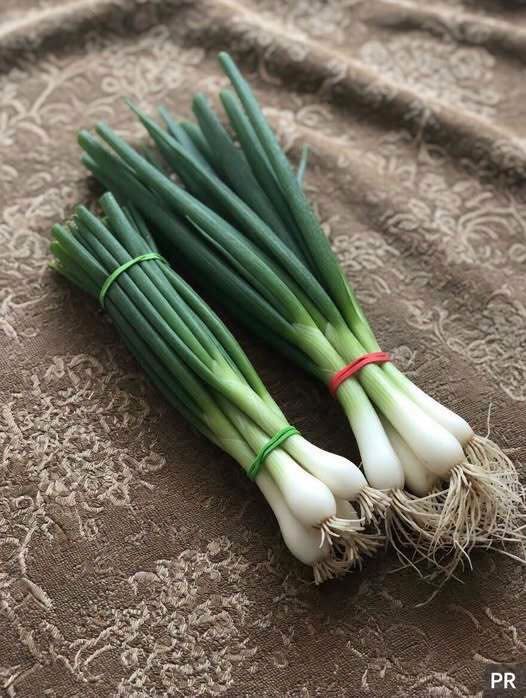
Both names refer to young onions harvested before the bulb has fully developed.
Because they are picked early, they have:
A long green stalk
A small white base
Little or no round bulb
A mild onion flavor
Green onions are popular because they are incredibly versatile.
They can be used raw or cooked and appear in many types of cuisine around the world.
Common uses include:
Salads
Soups
Noodles
Stir-fries
Rice dishes
Garnishes
The white section usually has a stronger onion taste, while the green tops offer a lighter and fresher flavor.
This makes green onions useful when a recipe needs a gentle onion note without the stronger taste of mature onions.
The Flavor Profile of Green Onions
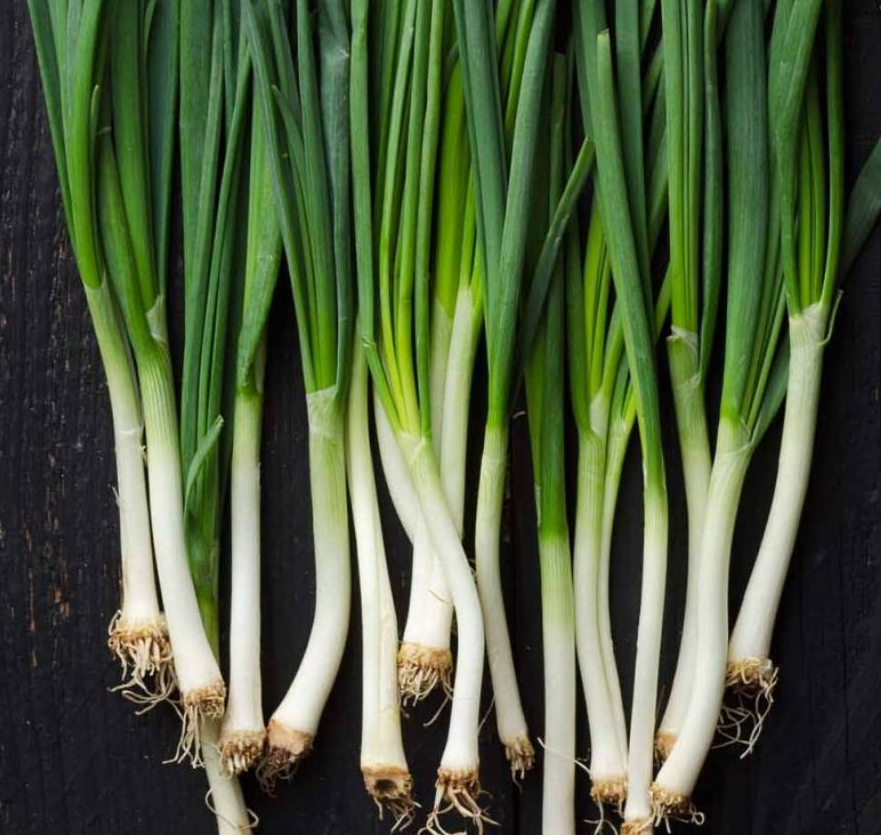
Green onions provide a balance between freshness and mild sharpness.
Unlike full-sized onions, which can have a powerful bite, young onions tend to taste softer and slightly sweet.
The green leaves add a grassy freshness that works especially well as a finishing touch.
For example, sprinkling chopped green onion over a finished dish can add:
Color
Aroma
Fresh flavor
A pleasant texture
This simple ingredient can make everyday meals feel more complete.
Spring Onions: A More Mature Version
Spring onions are closely related to green onions, but there is one important difference.
They are allowed to grow longer before harvesting.
As a result, spring onions develop a small visible bulb at the bottom.
This bulb gives them a deeper flavor.
Spring onions are:
More rounded in shape
Slightly stronger in taste
Sweeter and richer
Closer to mature onions
The entire plant can be eaten, including the bulb and green stems.
Cooking With Spring Onions
Because spring onions have more structure and flavor, they work well in cooked dishes.
They can be:
Grilled
Roasted
Sautéed
Slow-cooked
Added to sauces
When cooked, the bulb becomes softer and sweeter.
This makes spring onions especially appealing in recipes where the onion flavor needs to be noticeable but not overwhelming.
Many Mediterranean and Asian dishes use spring onions because they provide both visual appeal and a deeper flavor.
Chives: A Different Type of Ingredient
Although chives look similar to green onions, they are actually different.
Chives are a separate herb from the onion family.
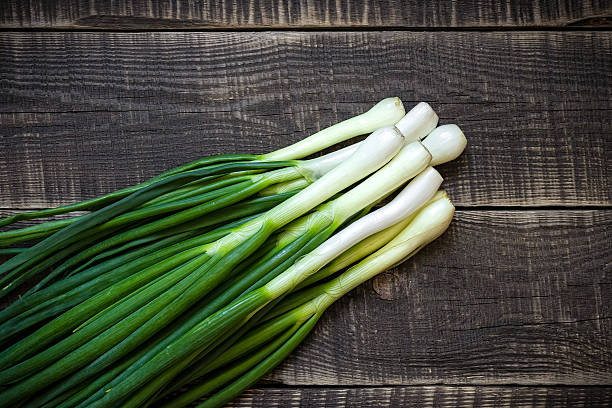
They grow as thin, hollow, grass-like stems and do not form a bulb.
Their flavor is much lighter.
Instead of adding a strong onion taste, chives provide a delicate freshness.
They are often used as a finishing herb rather than a main cooking ingredient.
Best Ways to Use Chives
Chives are especially good when added at the end of cooking.
They are commonly used with:
Egg dishes
Potatoes
Soups
Cream-based sauces
Dips
Salads
Their gentle flavor works best when it is allowed to stay fresh.
Cooking chives for too long can reduce their aroma, so many cooks prefer adding them right before serving.
Garlic Chives: A Related Alternative
Another ingredient that sometimes causes confusion is garlic chives.
Garlic chives look similar to regular chives but have a slightly different flavor.
As the name suggests, they provide a mild garlic note.
They are often used in:
Asian cuisine
Dumplings
Stir-fries
Savory fillings
Garlic chives offer a combination of onion-like freshness and gentle garlic flavor.
Comparing the Four Ingredients
Although these ingredients are related, each has a unique role.
Green onions and scallions:
Best for everyday cooking
Mild and versatile
Good raw or cooked
Spring onions:
Stronger flavor
Small bulb develops
Great for grilling and roasting
Chives:
Delicate herb flavor
Best as a garnish
Usually added fresh
Garlic chives:
Fresh herb with garlic notes
Popular in many Asian dishes

Why Choosing the Right One Matters
Using the right ingredient can improve a recipe in subtle ways.
A dish that needs a strong onion presence may benefit from spring onions.
A delicate dish may be better with chives.
A quick meal may need the convenience of green onions.
The choice is not about one ingredient being better than another. Each has a purpose.
Cultural Importance in Cooking
These ingredients appear in cuisines around the world.
Green onions and scallions are especially common in Asian cooking, where they are used for flavor, decoration, and balance.
Chives have long been valued in European and global cooking as a fresh herb.
Spring onions appear in many traditional dishes because they provide a bridge between mild young onions and stronger mature onions.
Their popularity shows how small ingredients can become important parts of culinary traditions.
Growing Your Own at Home
Green onions and chives are also popular choices for home gardens.
They are relatively easy to grow and can thrive in small spaces.
Many people grow them in:
Garden beds
Pots
Kitchen containers
Having fresh herbs nearby can make cooking more convenient.
It also allows people to enjoy ingredients at their freshest.

Conclusion: Small Differences, Better Cooking
Green onions, scallions, spring onions, and chives may look almost identical, but they each bring something unique to the kitchen.
Green onions and scallions offer everyday versatility.
Spring onions provide a deeper, sweeter onion flavor.
Chives add a delicate herbal finish.
Understanding these differences helps cooks choose ingredients with confidence and create dishes with better balance.
Sometimes, the smallest details in cooking make the biggest difference.
Sources
Encyclopaedia Britannica. Information on onions, herbs, and plant varieties.
United States Department of Agriculture (USDA). Food and nutrition resources.
University Extension Programs. Gardening and culinary herb guides.