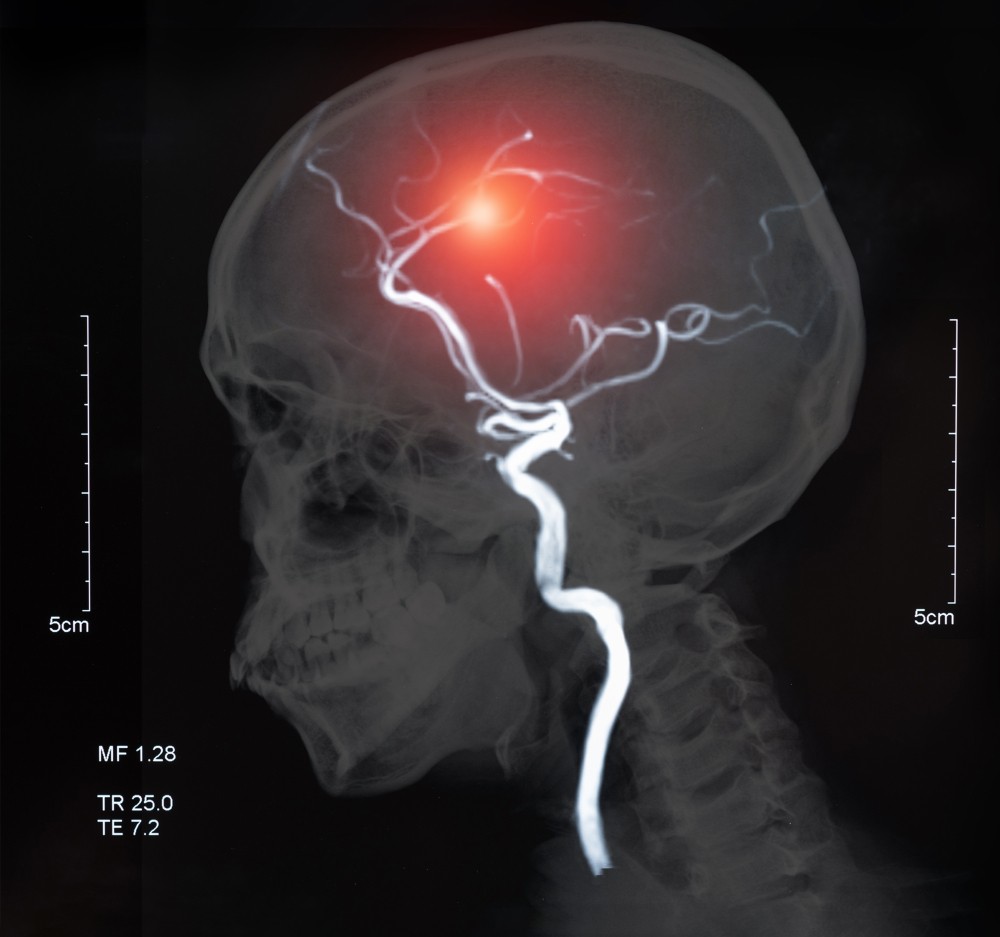
Brain Aneurysm Warning Signs, Risk Factors, Diagnosis and Treatment
A brain aneurysm is a weak or bulging area in a blood vessel in the brain. Often described as resembling a berry on a stem, an aneurysm may remain small and cause no symptoms throughout a person’s life. In other cases, it can enlarge, leak a small amount of blood, or rupture. A rupture is a medical emergency because it can cause bleeding in the space around the brain, known as a subarachnoid hemorrhage.
Understanding the possible warning signs of a brain aneurysm is important, but it is equally important to recognize the limits of symptom-based self-diagnosis. Many aneurysms do not cause noticeable symptoms before they rupture, and common symptoms such as headaches, nausea, or vision changes can have many other causes. Still, a sudden, severe headache or rapid neurological changes require immediate emergency assessment.
Medical organizations including the Mayo Clinic, the U.S. Centers for Disease Control and Prevention, and the Brain Aneurysm Foundation stress that prompt treatment can affect outcomes when bleeding in or around the brain is suspected. Anyone who develops sudden severe symptoms should contact local emergency services rather than attempting to drive themselves to a hospital.
What Is a Brain Aneurysm?

Brain aneurysms occur when part of an artery wall weakens and forms a pouch or balloon-like bulge. They can develop in several locations in the brain’s network of blood vessels. According to the Mayo Clinic, many aneurysms are discovered incidentally during imaging performed for another medical reason, while others are identified after symptoms develop.
An unruptured aneurysm may not need immediate treatment. Specialists consider its size, location, shape, evidence of growth, a person’s age, overall health, family history, and other risk factors when discussing whether to monitor or treat it. The decision is individualized because procedures also carry risks.
A ruptured aneurysm is more serious. Blood escaping from a ruptured vessel can increase pressure around the brain, reduce blood supply to brain tissue, and lead to potentially life-threatening complications. This is why emergency evaluation is essential when symptoms suggest a possible rupture.
Brain Aneurysm Warning Signs and Emergency Symptoms
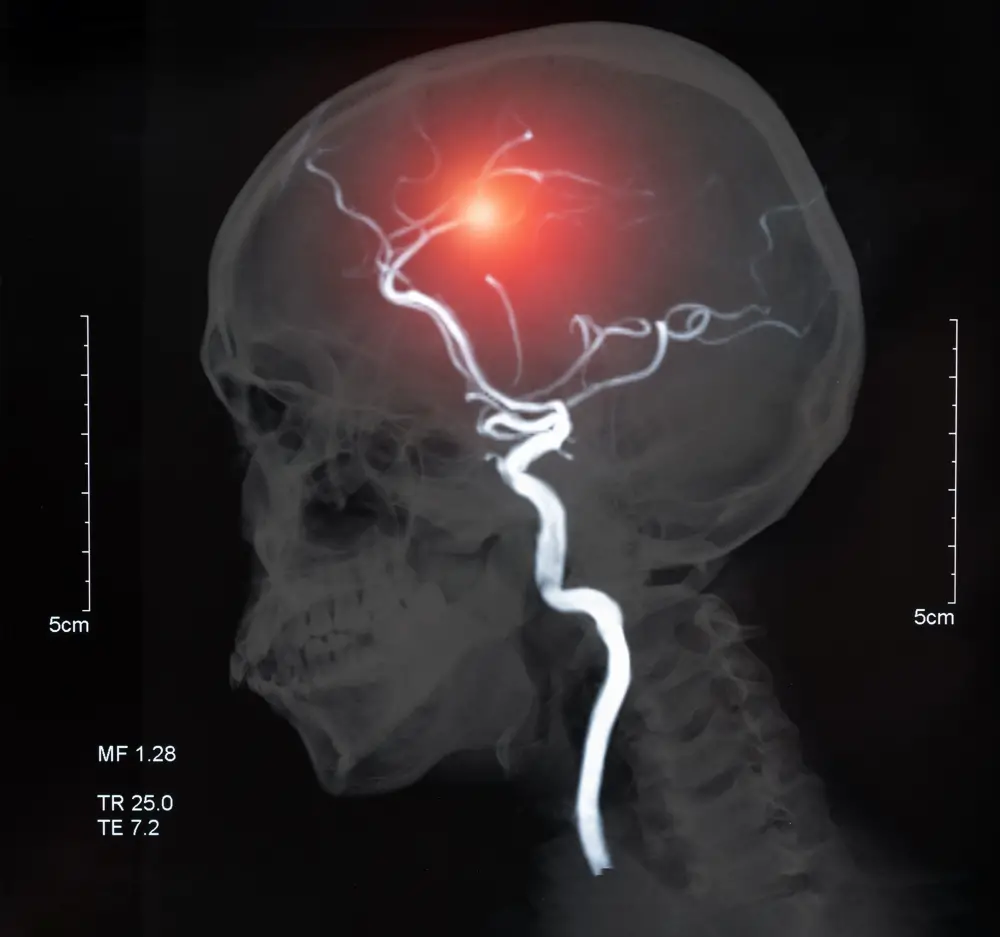
The most widely recognized warning sign of a ruptured brain aneurysm is a sudden, extremely severe headache. People may describe it as the worst headache they have ever experienced, or as a “thunderclap headache” because it reaches maximum intensity very quickly. This symptom is not unique to aneurysms, but it can signal serious conditions and should be treated as an emergency.
Other symptoms that may occur with a ruptured or leaking aneurysm include:
- A sudden, severe headache that peaks rapidly
- Nausea or vomiting
- Stiff neck
- Sensitivity to light
- Blurred vision or double vision
- Pain above or behind one eye
- A drooping eyelid or a dilated pupil
- Weakness, numbness, or difficulty speaking
- Confusion, unusual drowsiness, or loss of consciousness
- Seizures
Symptoms may vary from person to person. Some people experience only a sudden headache, while others may quickly develop neurological symptoms. A headache that feels different from prior headaches, comes on abruptly, or occurs with fainting, neck stiffness, vomiting, vision changes, weakness, or confusion should not be ignored.
It is not possible to determine the cause of these symptoms at home. Emergency clinicians can assess a person’s symptoms, medical history, neurological status, and imaging results. If a serious cause is suspected, immediate treatment may be needed.
Can a Headache Be a Warning Leak?

Some medical literature describes a “sentinel headache,” which may occur days or weeks before a major aneurysm rupture. It is thought to be associated with a small leak in some cases. However, not everyone with a ruptured aneurysm has a prior warning headache, and most severe headaches are not caused by an aneurysm.
The Brain Aneurysm Foundation advises people to take sudden and unusually severe headaches seriously, particularly when they occur with other symptoms such as neck pain, nausea, vision problems, confusion, or fainting. It is safer to seek urgent evaluation than to assume a severe headache is a migraine, stress-related symptom, or dehydration.
Emergency services are especially important if symptoms are sudden or worsening. A person with possible bleeding around the brain may become confused or lose consciousness unexpectedly. Calling emergency services allows trained responders to begin care and transport safely.

Symptoms of an Unruptured Brain Aneurysm
Most unruptured aneurysms do not cause symptoms. When an aneurysm becomes large or presses on nearby nerves or brain tissue, it may lead to signs such as pain above or behind one eye, a dilated pupil, double vision, facial numbness, or changes in vision. These symptoms warrant a timely medical evaluation, especially when they are new or progressive.
Routine screening is not generally recommended for everyone. However, clinicians may discuss screening with people who have a strong family history of brain aneurysms or certain inherited medical conditions. A healthcare professional can explain whether imaging is appropriate based on personal and family history.
Who Is at Higher Risk of Brain Aneurysm?
There is no single cause of every brain aneurysm. Instead, risk may reflect a combination of age, genetics, medical conditions, and lifestyle factors. The Mayo Clinic notes that aneurysms are more common in adults than children and occur more often in women than men.
Important potentially modifiable risk factors include smoking and high blood pressure. Smoking can damage blood vessels, while poorly controlled hypertension can place additional stress on artery walls. Avoiding tobacco and working with a clinician to manage blood pressure are among the most meaningful steps people can take to support vascular health.
Heavy alcohol use and use of stimulant drugs, including cocaine, may also raise risk because they can contribute to harmful blood pressure changes and blood vessel damage. People seeking help with substance use can speak with a healthcare professional or local support service without judgment.
Other risk factors may include a close family history of brain aneurysms, previous aneurysm rupture, certain connective-tissue disorders, and autosomal dominant polycystic kidney disease. Head injury and infection can affect blood vessels in rare circumstances, but they are not responsible for most brain aneurysms.
How Doctors Diagnose a Suspected Brain Aneurysm
When someone arrives with symptoms suggesting a ruptured aneurysm, a medical team acts quickly. A noncontrast CT scan of the head is commonly used first because it can identify bleeding around the brain. Depending on the timing of symptoms and the initial scan results, doctors may also recommend additional testing.
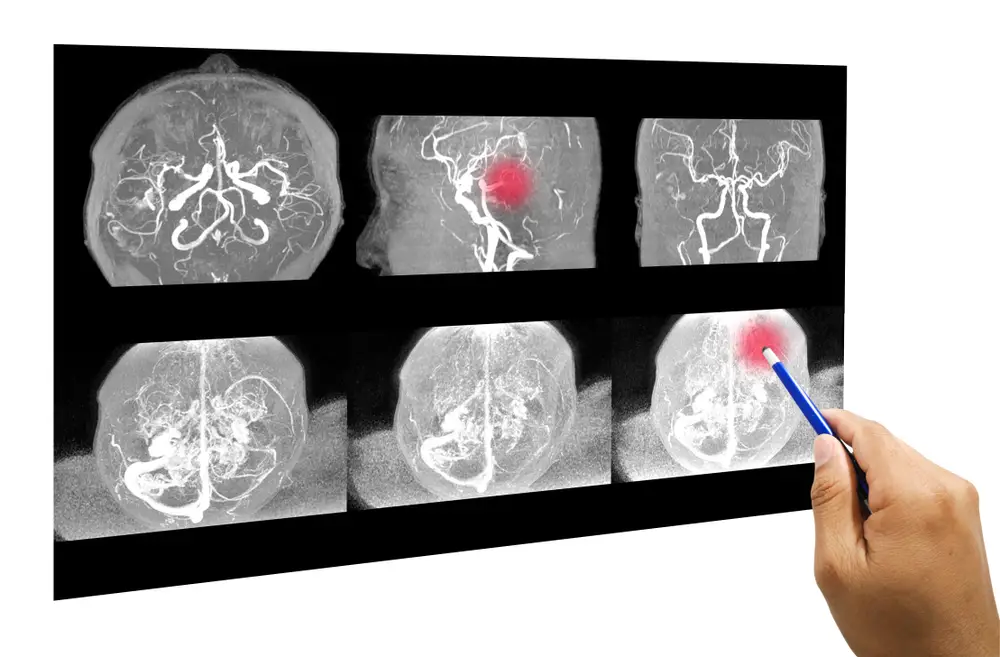
CT angiography and magnetic resonance angiography can provide detailed images of blood vessels and may help identify an aneurysm. In some cases, a cerebral angiogram is used. During this procedure, clinicians insert a thin catheter into an artery and inject contrast material to obtain highly detailed images of the brain’s blood vessels.
If clinicians still suspect subarachnoid hemorrhage after an initial scan, they may consider a lumbar puncture, also called a spinal tap, to look for evidence of blood in cerebrospinal fluid. The tests selected depend on symptoms, timing, medical history, and clinical findings.
Brain Aneurysm Treatment Options

Treatment depends on whether an aneurysm has ruptured, as well as its size, shape, location, and estimated future risk. For a ruptured aneurysm, the goal is usually to secure the aneurysm and prevent further bleeding as quickly as possible. Care may also include treatment for complications, monitoring in an intensive care setting, and rehabilitation when needed.
One established treatment is surgical clipping. A neurosurgeon accesses the aneurysm through an opening in the skull and places a small clip across its base. The clip prevents blood from flowing into the aneurysm while preserving blood flow through the normal artery whenever possible.
Another approach is endovascular treatment, which is performed from inside the blood vessels. A specialist guides a catheter through an artery, often beginning in the groin or wrist, to reach the aneurysm. Coils, stents, or other devices may be placed to reduce blood flow into the aneurysm.
Flow diversion is an endovascular option used for selected aneurysms. A stent-like device is positioned in the parent artery to redirect blood flow away from the aneurysm. Over time, this may encourage the aneurysm to close off. Not every aneurysm is suitable for every procedure, and treatment planning should involve an experienced neurovascular team.
Monitoring an Unruptured Aneurysm
For some people, careful monitoring is the safest choice. This approach may include follow-up imaging, blood pressure management, avoiding smoking, and discussing alcohol or drug use honestly with a clinician. Regular appointments give specialists an opportunity to identify changes in an aneurysm’s size or appearance.
Living with an unruptured aneurysm can cause understandable anxiety. Patients may benefit from asking their care team specific questions: How large is the aneurysm? Where is it located? What is the estimated risk of rupture? What symptoms require emergency care? How often will imaging be repeated? Clear information can help people participate in decisions and manage uncertainty.

Reducing Risk and Supporting Brain Health
Although not all aneurysms can be prevented, several evidence-based actions can support blood vessel health. These include not smoking, keeping blood pressure within a clinician-recommended range, taking prescribed medications consistently, following a balanced diet, staying physically active when medically appropriate, and limiting alcohol intake.
Stress management may support general well-being, but it should not replace medical treatment for hypertension or other health conditions. Sleep, regular medical care, social support, and activities such as walking, relaxation exercises, or counseling can be useful components of a broader health plan.
When to Seek Emergency Help
Call local emergency services immediately for a sudden severe headache, particularly if it is accompanied by neck stiffness, vomiting, fainting, seizures, confusion, weakness, numbness, speech difficulty, or vision changes. Do not wait to see whether symptoms improve, and do not drive yourself if you may be experiencing a neurological emergency.
Early medical assessment does not mean that a person definitely has a brain aneurysm. It means serious causes can be considered and ruled out or treated without delay. Rapid action is appropriate whenever symptoms could indicate bleeding in or around the brain.
Medical disclaimer: This article is for general educational purposes and is not a substitute for professional medical advice, diagnosis, or treatment. Always consult a qualified healthcare professional about symptoms or medical concerns. In an emergency, contact local emergency services immediately.

Sources
Disclaimer: This content is intended for entertainment purposes only and is not based on real events.