Late Night Sugar and Vascular Damage
Stroke is often described as a sudden medical emergency, and its symptoms can indeed begin without warning. A person may feel well before going to sleep and wake with weakness, speech problems, vision changes, or other neurological symptoms. However, most strokes develop in the context of risk factors that build over time, including high blood pressure, diabetes, high cholesterol, smoking, atrial fibrillation, obesity, physical inactivity, and poor sleep.
Daily routines can influence these long-term risks. Evening choices do not usually cause a stroke on their own, and no single food or beverage can predict an individual’s health outcome. Still, regularly consuming sugar-sweetened drinks late at night, using caffeine or alcohol in ways that interfere with sleep, and maintaining an inconsistent sleep schedule may contribute to conditions that affect cardiovascular and brain health.
Understanding these links can help people make practical, evidence-based changes. The goal is not perfection or fear around food and sleep. It is to support healthy blood pressure, stable blood sugar, adequate rest, and regular medical care over the long term.
Why Stroke Prevention Focuses on Long-Term Health
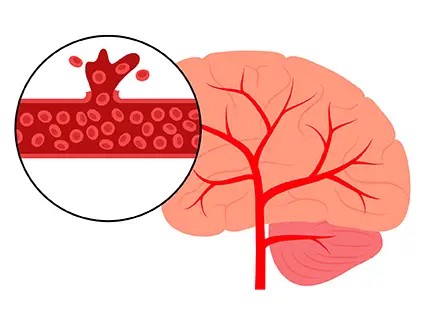
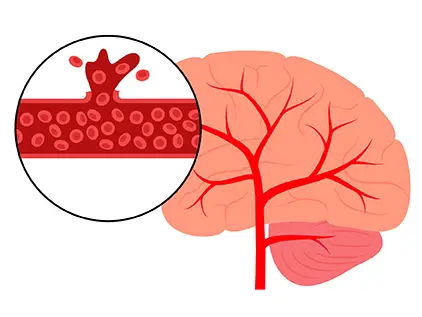
A stroke happens when blood flow to part of the brain is interrupted or when a blood vessel in the brain ruptures. The most common type is ischemic stroke, which occurs when a clot blocks an artery supplying the brain. Hemorrhagic stroke, caused by bleeding in or around the brain, is less common but also requires emergency care.
According to the World Health Organization, stroke is a major cause of death and long-term disability worldwide. Many risk factors are modifiable, meaning they can be managed through medical treatment and lifestyle changes. High blood pressure is especially important because it can damage arteries throughout the body, including those that supply the brain.
Blood pressure, glucose regulation, body weight, heart rhythm, and sleep are interconnected. For example, poor sleep can make blood pressure more difficult to control, while diabetes and insulin resistance can raise the risk of vascular disease. This is why prevention usually involves a broad approach rather than concentrating on one behavior alone.
Sugary Drinks, Blood Sugar, and Cardiovascular Risk
Sugar-sweetened beverages include regular soft drinks, sweetened teas and coffees, energy drinks, fruit drinks, sports drinks, and some flavored waters. These drinks can provide a substantial amount of added sugar with little fiber or nutritional value. Fruit juice may contain vitamins, but it can also be high in naturally occurring sugars and should generally be consumed in moderation.
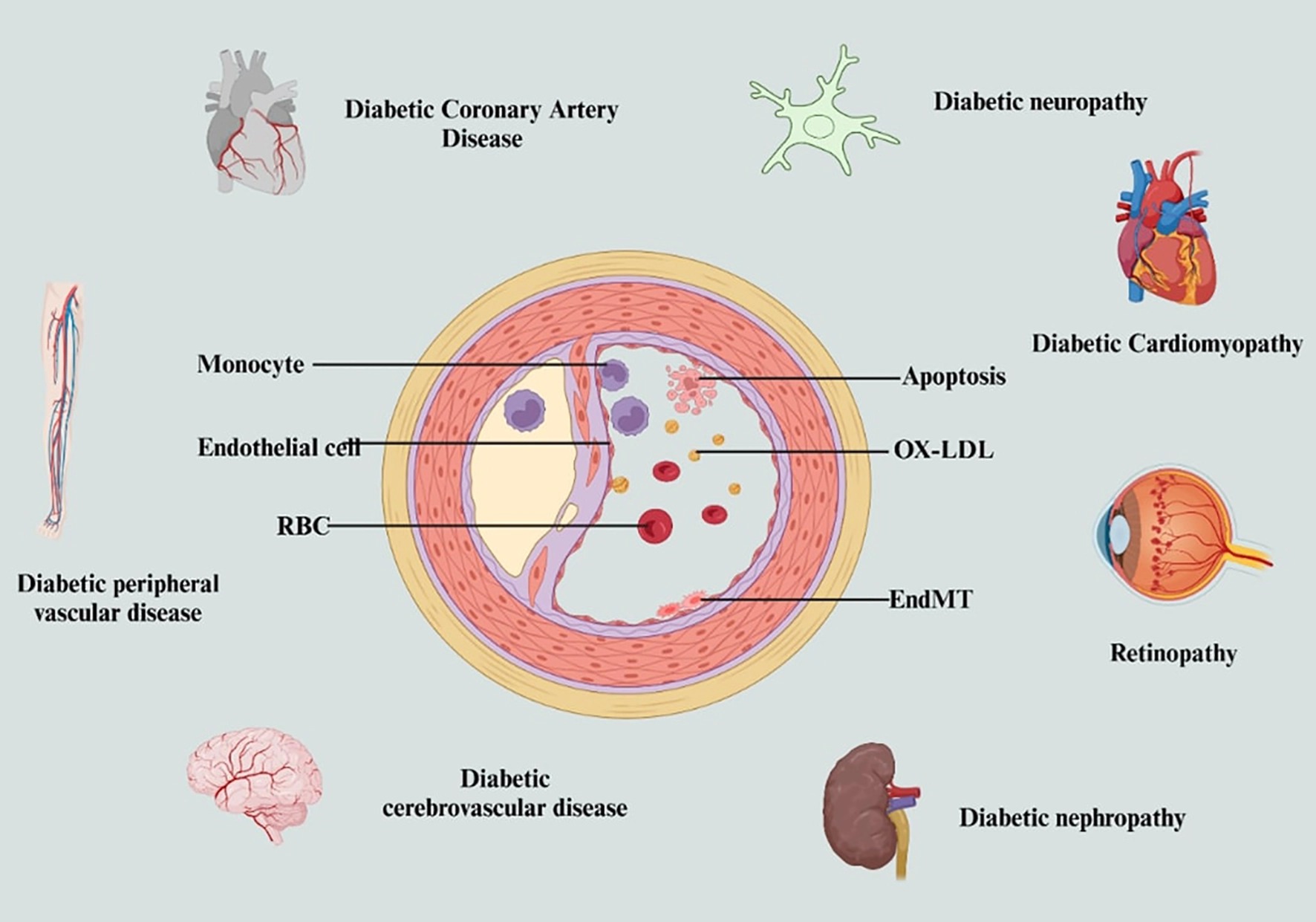
When a person drinks a sugary beverage, blood glucose can rise relatively quickly. The body responds by releasing insulin, a hormone that helps move glucose from the bloodstream into cells. In healthy people, this process is regulated efficiently. However, frequent intake of added sugars and excess calories can contribute over time to weight gain, insulin resistance, elevated triglycerides, and type 2 diabetes in some individuals.
These conditions are associated with a higher risk of cardiovascular disease. Research reviewed by the Harvard T.H. Chan School of Public Health has linked frequent consumption of sugar-sweetened beverages with increased cardiovascular risk. Observational studies can identify associations, but they cannot prove that a single drink directly causes heart disease or stroke. Diet quality, physical activity, smoking, health care access, genetics, and many other factors also matter.
The American Heart Association recommends limiting added sugars as part of an overall heart-healthy eating pattern. Replacing sugar-sweetened drinks with water, sparkling water without added sugar, or unsweetened beverages can reduce added-sugar intake without requiring a major change to meals.
The timing of drinks may also be relevant for some people. A large sweetened drink shortly before bed can add calories when a person is unlikely to be physically active afterward. For people living with diabetes or prediabetes, late-night intake of sugary drinks may make glucose management more difficult. Individual responses vary, so people using insulin or other glucose-lowering medicines should discuss dietary timing with a qualified clinician or registered dietitian.
Does Late-Night Sugar Directly Cause Stroke?
It is important to separate established facts from oversimplified claims. There is no reliable evidence that drinking a sweet beverage on one evening directly causes a stroke in an otherwise healthy person. Stroke is a complex medical event, and immediate risk depends on numerous factors, including existing vascular disease, blood pressure, heart rhythm disorders, and blood-clotting conditions.
The concern is repeated exposure over months or years. Regular consumption of sugary drinks may contribute to risk factors such as obesity, high blood sugar, type 2 diabetes, and unfavorable blood lipid levels. Those conditions can increase the likelihood of cardiovascular disease and stroke. Reducing sugary drinks is therefore one practical component of prevention, particularly for people who consume them frequently.
People should also be cautious about marketing claims that describe energy drinks or sweetened beverages as harmless ways to stay alert. Some energy drinks contain high levels of caffeine, added sugar, or both. Caffeine affects people differently and may cause palpitations, anxiety, or sleep disruption in sensitive individuals. Children, adolescents, pregnant people, and individuals with certain heart conditions may need specific guidance from health professionals.
Sleep, Blood Pressure, and the Nighttime “Dip”
Sleep is not simply a period of inactivity. During normal sleep, the body carries out important restorative functions. Heart rate and blood pressure commonly decline during the night, a pattern sometimes referred to as nocturnal dipping. This natural change may give the cardiovascular system a period of reduced demand.
The Centers for Disease Control and Prevention notes that adults generally need at least seven hours of sleep per night, although individual needs can vary. Consistently short sleep, poor sleep quality, and untreated sleep disorders have been associated with health concerns that include high blood pressure, obesity, diabetes, heart disease, and stroke.
Not everyone has the same nighttime blood-pressure pattern, and a person cannot determine whether they experience normal dipping based on how rested they feel. In clinical settings, clinicians may use ambulatory blood-pressure monitoring to assess blood pressure across a full day and night when it is medically appropriate.
Interrupted sleep can activate stress-related pathways in the body and may make blood pressure control more difficult. Common causes include insomnia, stress, pain, frequent nighttime urination, shift work, excessive screen use, caffeine intake, alcohol use, and sleep-disordered breathing. Addressing the underlying cause can be more helpful than relying on quick fixes.
Alcohol, Caffeine, and Evening Sleep Quality
Alcohol can make some people feel sleepy initially, but it does not necessarily improve restorative sleep. As alcohol is metabolized, it may contribute to fragmented sleep and reduced sleep quality later in the night. Alcohol can also worsen snoring and obstructive sleep apnea in some people. The American Heart Association and other health organizations emphasize that alcohol should not be used as a treatment for sleep problems.
Caffeine can remain in the body for hours. Coffee, tea, cola, energy drinks, chocolate, and some medicines may contain caffeine. A late-afternoon or evening caffeinated beverage may delay sleep onset or reduce sleep quality, especially in people who are sensitive to caffeine. The best timing differs among individuals, but many people benefit from avoiding caffeine later in the day.
Energy drinks deserve particular attention because they can combine caffeine with added sugars and other stimulants. Their ingredients and serving sizes vary widely. Anyone with high blood pressure, an irregular heartbeat, anxiety, trouble sleeping, or a known heart condition should consider discussing caffeine and energy-drink use with a health professional.
Sleep Apnea Is an Important Stroke Risk Factor
One sleep-related condition that should not be overlooked is obstructive sleep apnea. In this disorder, breathing repeatedly pauses or becomes shallow during sleep because the airway becomes partially or fully blocked. Symptoms can include loud snoring, gasping during sleep, morning headaches, daytime sleepiness, difficulty concentrating, and waking unrefreshed.
Sleep apnea is associated with high blood pressure and cardiovascular disease. It is more common in people with obesity, but it can affect people of different body sizes and ages. Untreated sleep apnea may increase stroke risk, particularly when it occurs alongside other risk factors. A clinician can assess symptoms and, if needed, arrange testing and treatment.
Not every person who snores has sleep apnea, and not everyone with sleep apnea snores loudly. Persistent daytime fatigue, witnessed pauses in breathing, or uncontrolled blood pressure are good reasons to seek medical advice.
Evidence-Based Evening Habits for Heart and Brain Health
Small, consistent changes can support better sleep and cardiovascular health. These habits are not substitutes for prescribed medicines or professional treatment, but they can complement an individualized care plan.
- Choose lower-sugar evening drinks: Water is an accessible choice for hydration. Unsweetened herbal tea may also be suitable for many people. Check labels on flavored drinks, teas, and energy drinks, as added sugar can be easy to overlook.
- Plan caffeine carefully: If caffeine affects your sleep, consider moving coffee, tea, cola, and energy drinks earlier in the day. Avoid using caffeine as a regular substitute for adequate sleep.
- Do not rely on alcohol for sleep: If alcohol is part of your routine, discuss safe and appropriate choices with a health professional, especially if you have high blood pressure, sleep problems, liver disease, take medications, or are pregnant.
- Keep a consistent sleep schedule: Going to bed and waking up at roughly similar times can help support the body’s sleep-wake rhythm. Adults should aim for the amount of sleep recommended for their age and health needs.
- Create a sleep-supportive environment: A quiet, dark, and comfortably cool room can make sleep easier. Reducing bright screen exposure before bed may help some people wind down.
- Manage diagnosed conditions: Take prescribed medication as directed and attend follow-up appointments for high blood pressure, diabetes, high cholesterol, atrial fibrillation, and sleep apnea.
- Adopt an overall heart-healthy lifestyle: Regular physical activity, a diet rich in vegetables, fruit, whole grains, legumes, and lean protein, smoking cessation, and stress management all play meaningful roles in stroke prevention.
Know the Warning Signs of Stroke: B.E. F.A.S.T.
Healthy habits reduce risk but cannot eliminate it completely. Recognizing stroke symptoms and seeking immediate emergency care can save lives and reduce disability. The B.E. F.A.S.T. acronym is widely used to help people remember key warning signs:
- B – Balance: Sudden loss of balance, dizziness, or difficulty walking.
- E – Eyes: Sudden trouble seeing, blurred vision, double vision, or loss of vision in one or both eyes.
- F – Face: Sudden facial weakness or numbness, especially on one side. A smile may look uneven.
- A – Arm: Sudden weakness or numbness in an arm or leg, especially on one side of the body.
- S – Speech: Slurred speech, confusion, trouble speaking, or difficulty understanding speech.
- T – Time: Call emergency services immediately if any of these symptoms appear. Note the time symptoms began, if known.
Other possible signs include a sudden severe headache, confusion, or sudden numbness. Symptoms that improve quickly may still indicate a transient ischemic attack, sometimes called a mini-stroke, and require urgent medical evaluation. Do not drive yourself or another person to the hospital if emergency services are available.
When to Speak With a Health Professional
Anyone concerned about stroke risk should consider a routine conversation with a doctor or other qualified health professional. Regular checks can identify high blood pressure, high cholesterol, diabetes, and irregular heart rhythms before they lead to complications. Many of these conditions have no obvious symptoms.
Seek medical guidance for persistent insomnia, heavy snoring, pauses in breathing during sleep, frequent palpitations, unexplained fatigue, or difficulty controlling blood pressure. Personalized advice is especially important for people who have already had a stroke or transient ischemic attack, as well as those with a family history of cardiovascular disease.
Evening routines are only one part of a larger health picture. Avoiding frequent sugary drinks, protecting sleep, limiting stimulants when they disrupt rest, and following medical advice can contribute to healthier blood vessels over time. The most meaningful approach is consistent prevention supported by reliable information and appropriate clinical care.
This article is for general educational purposes and is not a substitute for professional medical advice, diagnosis, or treatment. If you think you or someone else may be having a stroke, call emergency services immediately.

Sources
- Centers for Disease Control and Prevention: About Stroke
- Centers for Disease Control and Prevention: Sleep and Heart Health
- American Heart Association: Added Sugars
- American Heart Association: High Blood Pressure Facts
- World Health Organization: Leading Causes of Death
- Harvard T.H. Chan School of Public Health: Sugary Drinks and Cardiovascular Disease Risk
- Mayo Clinic: Sleep Apnea Symptoms and Causes
Disclaimer: This content is intended for entertainment purposes only and is not based on real events.