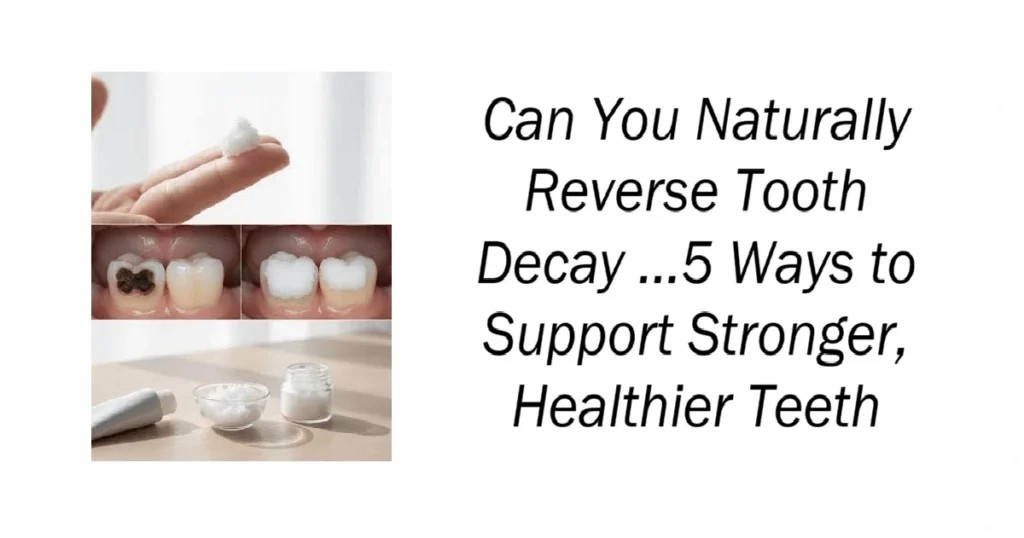
Tooth sensitivity, a chalky white mark on a tooth, or discomfort after a cold drink can be worrying. Tooth decay is one of the world’s most common health conditions, and it can affect children and adults regardless of how carefully they believe they brush. The encouraging news is that very early tooth decay may sometimes be stopped or partly reversed through a process called remineralization. However, this does not mean that every cavity can heal naturally.
There is an important difference between early enamel mineral loss and a cavity that has formed a physical hole in the tooth. In its earliest stage, decay may appear as a white or dull area on enamel. At this point, better oral hygiene, fluoride exposure, healthier eating patterns, and professional dental advice can help strengthen the tooth surface. Once decay has progressed into a hole, the missing tooth structure does not grow back on its own. A dentist may then need to provide a filling or other appropriate treatment.
Understanding this distinction can help people make informed decisions. Natural processes such as saliva-supported remineralization are real and valuable, but they work best as part of evidence-based preventive care rather than as a replacement for dental examinations. The following five approaches can support stronger, healthier teeth while reducing the risk of further decay.
Understanding Tooth Decay and Natural Remineralization
Teeth are covered by enamel, a highly mineralized outer layer that protects the softer inner parts of the tooth. Enamel is extremely durable, but it is not invulnerable. Dental plaque, a sticky film of bacteria that forms on teeth, uses sugars and carbohydrates from food and drinks. The bacteria produce acids, and repeated acid exposure can gradually remove minerals from enamel. This process is called demineralization.
Saliva provides a natural counterbalance. It helps rinse away food particles, neutralize acids, and supply minerals such as calcium and phosphate to the tooth surface. When conditions are favorable, these minerals can be redeposited into enamel. This process is known as remineralization.
The balance between demineralization and remineralization changes throughout the day. Frequent sugary snacks, sweetened drinks, dry mouth, and inconsistent brushing can tip that balance toward mineral loss. Fluoride, commonly found in toothpaste and professionally applied dental products, helps make enamel more resistant to acid and can support remineralization in early decay.
Dental organizations, including the American Dental Association and the UK National Health Service, emphasize that cavities are largely preventable. They also stress that an established cavity needs professional assessment. A dentist can identify whether an early lesion may be managed through prevention or whether restorative treatment is necessary.
1. Support Enamel Through a Balanced, Mineral-Rich Diet
Nutrition is important for oral health, although no food or supplement can reliably rebuild a tooth that has developed a cavity. Teeth, gums, jawbone, and saliva all depend on overall health. A balanced diet provides nutrients needed for normal body functions and supports healthy oral tissues.
Calcium and phosphate are central components of tooth enamel. Dairy foods such as milk, cheese, and plain yogurt can contribute calcium, protein, and phosphorus. For people who do not consume dairy, fortified alternatives, beans, tofu made with calcium salts, leafy green vegetables, nuts, seeds, and certain fish can also contribute nutrients. The exact nutritional value varies by product, so food labels can be useful.
Vitamin D helps the body absorb calcium and supports bone health. Sources include oily fish, eggs, fortified foods, and safe exposure to sunlight where appropriate. Public health guidance on vitamin D differs by country and individual circumstances, so people concerned about low vitamin D should speak with a healthcare professional.
Eating patterns matter as much as individual foods. Consuming a varied diet with vegetables, fruit, whole grains, protein-rich foods, and calcium-containing foods can support general health while limiting the conditions that favor decay. Cheese eaten as part of a meal, for example, may stimulate saliva and is less harmful to teeth than frequent sugary snacks. However, dietary choices should not be considered a substitute for fluoride toothpaste, cleaning between teeth, or dental care.
2. Reduce Frequent Sugar Exposure and Choose Water More Often
The frequency of sugar consumption is a major factor in cavity risk. When sugary food or drinks are consumed, plaque bacteria produce acids that temporarily lower the pH in the mouth. If this happens repeatedly throughout the day, enamel has fewer opportunities to recover through remineralization.
This does not mean every sweet food must be eliminated. Instead, a practical goal is to reduce frequent exposure. Having sweet foods occasionally with a main meal is generally less damaging than continuously grazing on sweets, biscuits, flavored drinks, or other sugary products between meals. Repeatedly sipping sweetened tea, soft drinks, energy drinks, fruit juice, or sports drinks can also expose teeth to sugar and acid for extended periods.
Water is usually the best everyday drink for teeth. In many communities, tap water may contain fluoride at levels intended to support dental health, although this varies by location. Plain water also helps rinse the mouth and supports hydration, which is important for saliva production.
People can lower their risk by making manageable changes:
- Choose water instead of sugary drinks most of the time.
- Limit sweet snacks between meals.
- Read labels for added sugars in drinks, cereals, sauces, and packaged snacks.
- Avoid holding or slowly sipping sweetened drinks over long periods.
- Keep naturally acidic drinks, including fruit juice and fizzy drinks, occasional rather than frequent.
After an acidic drink or food, it can be sensible to wait before brushing. Acid temporarily softens the enamel surface, and brushing immediately may contribute to wear. Rinsing with water and waiting around 30 minutes before brushing is commonly recommended by dental professionals.
3. Use Sugar-Free Gum as an Additional Preventive Tool
Chewing sugar-free gum after meals may help some people protect their teeth, particularly when brushing is not possible immediately. The main benefit comes from increased saliva flow. More saliva can help clear food debris, neutralize acids, and deliver minerals to the tooth surface.
Some sugar-free gums contain xylitol, a sweetener that is not used by oral bacteria in the same way as ordinary sugar. Research suggests xylitol may have a role in reducing cavity risk, but results vary depending on the product, dose, and how consistently it is used. It should not be described as a cure for tooth decay.
Sugar-free gum is not suitable for everyone. It may cause digestive discomfort in some people when consumed in large amounts because many sugar alcohols can have a laxative effect. People with jaw pain or temporomandibular joint symptoms may also find chewing gum uncomfortable. A dentist can offer individualized advice.
Most importantly, gum is an extra measure, not a replacement for brushing twice daily with fluoride toothpaste, cleaning between teeth, limiting sugar exposure, and attending dental appointments. Gum containing sugar does not offer the same protective benefit and may raise cavity risk.
4. Protect Saliva and Follow Consistent Oral Hygiene Habits
Saliva is one of the mouth’s most effective natural defenses. It helps dilute acids, wash away particles, support remineralization, and keep oral tissues comfortable. A persistently dry mouth can increase the risk of decay, bad breath, and oral discomfort.
Dry mouth can occur for many reasons, including dehydration, certain medications, some medical conditions, smoking, alcohol use, and mouth breathing. Anyone who regularly feels that their mouth is dry, sticky, or uncomfortable should discuss it with a dentist, doctor, or pharmacist. It may be possible to identify a contributing factor or develop a plan to protect teeth more effectively.
Brush twice daily with fluoride toothpaste
Brushing for two minutes twice a day with fluoride toothpaste is among the most reliable ways to prevent tooth decay. Fluoride strengthens enamel and helps reverse early mineral loss. After brushing, it is generally recommended to spit out excess toothpaste rather than rinsing immediately with water, because rinsing can reduce the fluoride left on teeth.
Adults should use a toothpaste with an appropriate fluoride concentration recommended in their country. People with a higher risk of cavities may be advised by a dental professional to use a prescription-strength fluoride toothpaste or mouth rinse.
Clean between teeth every day
A toothbrush cannot fully clean the spaces between teeth. Floss, interdental brushes, water flossers, or other suitable tools can help remove plaque from these areas. The best option depends on tooth spacing, gum health, dental work, and personal ability. A dentist or hygienist can demonstrate an effective technique.
Do not rely on abrasive home remedies
Homemade pastes containing charcoal, baking soda, clay, lemon juice, or abrasive powders are often promoted online as natural solutions. Some may be too abrasive for regular use or too acidic for enamel. They may also lack fluoride, which is important for cavity prevention. A reputable fluoride toothpaste is a more dependable option for everyday care.
5. Choose Evidence-Based Toothpaste and Professional Prevention
Fluoride toothpaste remains a cornerstone of modern cavity prevention. It has been extensively studied and is recommended by many public health and dental organizations. It is especially useful because it works directly at the tooth surface during daily brushing.
Hydroxyapatite toothpaste is another category that has attracted attention. Hydroxyapatite is similar to a mineral found naturally in teeth and bones. Some studies indicate that hydroxyapatite-containing products may help with sensitivity and enamel remineralization. However, the quality and findings of studies vary, and product formulations differ. People should not assume that hydroxyapatite toothpaste can heal an established cavity or that it automatically performs better than fluoride toothpaste.
For people at elevated risk of tooth decay, dentists may recommend additional preventive options. These may include fluoride varnish, higher-fluoride toothpaste, dental sealants for suitable teeth, dietary counseling, or more frequent monitoring. Individual risk can be influenced by previous cavities, dry mouth, orthodontic appliances, gum recession, medication use, diet, and access to regular dental care.
Routine dental visits remain important because decay can develop in places that are hard to see, including between teeth or around existing restorations. Early detection may allow for less invasive care and more focused prevention.
Can Oil Pulling Reverse Tooth Decay?
Oil pulling, usually involving swishing coconut, sesame, or another edible oil in the mouth, is sometimes promoted as a way to remove bacteria or reverse cavities. There is not reliable evidence that oil pulling can reverse tooth decay or replace conventional oral hygiene. While some people may enjoy the practice as part of a personal routine, it should not replace brushing with fluoride toothpaste, interdental cleaning, or professional dental treatment.
Likewise, no homemade rinse, vitamin combination, or “natural” paste can restore missing tooth structure once a cavity has formed. Claims that promise to cure every cavity without dental evaluation should be treated with caution.
When to See a Dentist for Possible Tooth Decay
Early decay may not cause pain, which is why preventive check-ups are valuable. However, certain changes should prompt a dental appointment. These include persistent sensitivity, pain when eating sweet, hot, or cold foods, a visible white, brown, or dark area, a rough or broken section of tooth, or a visible hole.
More urgent dental advice is needed for significant or worsening tooth pain, facial swelling, fever, or signs of infection. Difficulty breathing or swallowing alongside swelling requires emergency medical attention. Prompt care is important because oral infections can require timely treatment.
A Daily Checklist for Stronger, Healthier Teeth
- Brush twice daily for two minutes with fluoride toothpaste.
- Spit after brushing and avoid rinsing away toothpaste immediately.
- Clean between teeth every day using a suitable method.
- Choose water as the main drink and limit sugary beverages.
- Reduce frequent snacking on sugary foods.
- Eat a balanced diet that includes nutrient-rich foods.
- Consider sugar-free gum after meals if it is suitable for you.
- Stay hydrated and seek advice for persistent dry mouth.
- Attend dental check-ups as recommended for your needs.
- Arrange a dental assessment promptly if you notice pain, sensitivity, or visible changes.
Final Thoughts: Support Early Repair, But Treat Cavities Properly
Early tooth decay can sometimes be halted or partly reversed when enamel has lost minerals but has not yet formed a cavity. Fluoride, saliva, careful dietary habits, and consistent cleaning all help support this natural remineralization process. These steps can make a meaningful difference to long-term oral health.
At the same time, it is important to be realistic. A tooth with an established cavity cannot reliably rebuild its lost structure through diet, supplements, oil pulling, or homemade products. Seeking dental care early is not a failure of natural prevention; it is a sensible way to protect the tooth and potentially avoid more extensive treatment later.
The most effective approach combines daily evidence-based habits with professional guidance tailored to your individual risk. Healthy teeth are supported by consistency, early action, and accurate information.
Sources
Disclaimer: This content is intended for entertainment purposes only and is not based on real events.