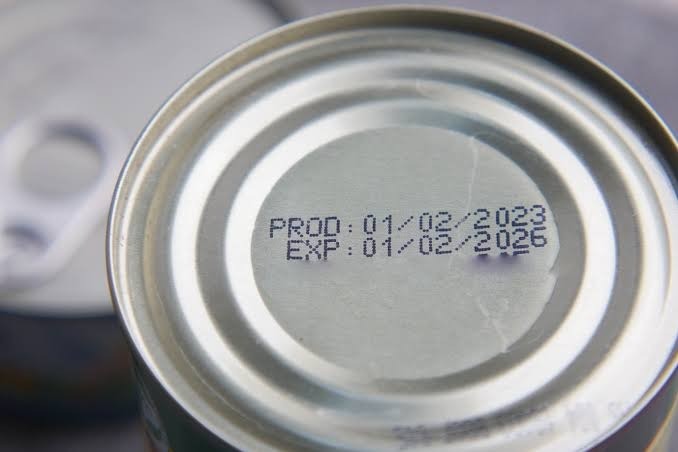
A can of beans, soup, vegetables, tuna, or tomatoes can easily get pushed to the back of a pantry. When it reappears months or years after the printed date, many people assume it must be thrown away. In many cases, however, a date on commercially canned food is mainly a guide to quality rather than an automatic food-safety deadline.
That does not mean every old can is safe to use. The condition of the container, the way it was stored, and the type of food inside all matter. Understanding the difference between a quality date and a safety concern can help households make informed decisions, save money, reduce avoidable food waste, and keep meals safe.
What Do Dates on Canned Food Really Mean?
Food-date labels can be confusing because the wording is not always standardized across every product and location. Common phrases include “Best By,” “Best Before,” “Best If Used By,” and “Use By.” For many shelf-stable canned foods, these labels generally indicate the period during which a manufacturer expects the product to have its best flavor, color, texture, and nutritional quality.
A “Best By” date is usually not the same as an expiration date. Passing that date does not automatically mean the food is unsafe. Instead, it may mean that a product is more likely to have changes in quality over time, such as softer vegetables, darker color, altered texture, or less vibrant flavor.
In the United States, federal date labeling is generally not required for most foods, with an important exception for infant formula, which must carry a “Use By” date related to nutrient content and safety. State rules and manufacturer practices can vary, so consumers should read labels carefully and follow any product-specific instructions.
For commercially canned goods, the date is best viewed as one part of the decision. The can’s physical condition is often more important than the calendar date when assessing whether it should be kept or discarded.

How Commercial Canning Preserves Food
Commercial canning is designed to create a shelf-stable product. Food is packed into containers that are sealed and heat-processed under controlled conditions. This process destroys microorganisms that could cause spoilage or illness and creates a vacuum seal that protects the food from new contamination while the can remains intact.
Because commercially canned foods are processed and sealed, they can have a long usable storage life. The U.S. Department of Agriculture states that commercially canned foods can remain safe indefinitely when the cans are kept in good condition. That guidance does not mean quality remains unchanged forever. Over time, flavor, texture, color, and some nutrients may gradually decline, especially when products are exposed to heat or poor storage conditions.
It is also important to distinguish store-bought canned food from home-canned food. Home canning requires carefully tested recipes, correct processing methods, and appropriate equipment. Safety guidance for home-canned foods is different and should be followed closely because processing errors can create serious risks. This article focuses primarily on unopened, commercially canned products.
How Long Can Canned Food Last After the Printed Date?
There is no single number that applies to every can. Storage temperature, food acidity, packaging condition, and the manufacturer’s quality standards all affect how well a product holds up. Still, widely used food-storage guidance provides useful general expectations.
High-Acid Canned Foods
High-acid foods include tomatoes, tomato sauces, pineapple, citrus fruit, berries, and some pickled products. Their acid content can affect the can lining and may contribute to quality changes sooner than in low-acid products.
For best quality, high-acid canned foods are commonly recommended for use within about 12 to 18 months. An intact can may remain safe beyond that window, but consumers may notice differences in taste, appearance, or texture. Tomatoes, for example, can become less bright in color or develop a more metallic flavor if stored for a long period.
Low-Acid Canned Foods
Low-acid canned foods include beans, peas, corn, carrots, potatoes, meats, poultry, fish, soups, and many mixed meals. These products often retain acceptable quality for two to five years when stored properly. Some may remain usable longer if the container is undamaged and conditions have been consistently cool and dry.
Again, the key distinction is between safety and quality. A can that is several years past its “Best By” date may not taste as fresh as a newer product, but an intact commercially processed can does not become unsafe solely because the date has passed.
Proper Storage Makes a Major Difference
Pantry conditions can significantly affect how long canned food maintains its quality. The ideal storage location is cool, clean, dry, and away from direct sunlight. A stable temperature is better than frequent temperature swings.
The USDA recommends avoiding storage temperatures above 85°F (about 29°C), because prolonged heat can speed quality deterioration. Cans should not be stored where they may freeze, become damp, or be exposed to high heat, such as in a hot garage, near a furnace, or inside a vehicle during warm weather.
Humidity also matters. Moist environments can lead to rust on the outside of cans, particularly around seams. Surface rust may sometimes be minor, but extensive rust or corrosion can weaken the metal and damage the seal. A dry kitchen cupboard or indoor pantry is generally a better choice than a basement with moisture problems or an outdoor storage area.
Organizing canned food by date can reduce waste. A simple “first in, first out” approach means placing newer purchases behind older cans and using the oldest intact items first. This method supports better quality while keeping pantry inventory visible.
When Should You Throw Away a Can?
An old date alone is not a reliable reason to discard commercially canned food. Damage to the can, however, can signal that the seal has been compromised or that the product should not be used. Do not open, taste, or serve food from a can with serious damage.
Discard canned food if you notice any of the following:
- Bulging or swollen ends: A bulging can can indicate internal pressure and should not be used.
- Leaks: Any leaking liquid, sticky residue, or wetness around the can may mean the container is no longer sealed.
- Deep dents: Dents on seams, rims, or edges can damage the seal. A sharply dented can should be discarded.
- Severe rust or corrosion: Rust that is deep, widespread, or concentrated around seams can compromise the container.
- Damaged seams or a loose lid: A broken or distorted seal is a clear reason not to use the food.
- Unusual appearance after opening: If food looks abnormal, has an unexpected odor, or liquid spurts from the can, do not taste it.
Food safety authorities emphasize that consumers should never taste food to determine whether a damaged can is safe. Some foodborne hazards cannot be reliably identified through taste, smell, or appearance. When there is doubt about a seriously damaged container, the safest option is to discard it according to local waste guidance.
What About Dented Cans?
Not every dent means a can must be thrown away. A small, shallow dent on the side of a can is often cosmetic if the can is otherwise intact. The greater concern is a deep dent, especially one located on the top or bottom rim, a side seam, or a double seam where the lid and body are joined.
These areas are essential to maintaining the airtight seal. If a dent is sharp, deep, or appears to have creased the metal, it is safer to discard the product. Consumers should also avoid buying cans with significant damage at the store, even if the printed date is well in the future.
Food Safety and the Risk of Botulism
Botulism is a rare but serious illness caused by a toxin produced under certain conditions by Clostridium botulinum. Proper commercial canning procedures are specifically designed to prevent this hazard. Problems are more likely when cans are damaged, improperly processed, or not adequately sealed.
For that reason, bulging, leaking, badly damaged, or otherwise suspicious cans should never be treated as ordinary food waste to inspect or sample. Food safety agencies consistently advise consumers not to taste questionable canned food. If someone thinks they may have eaten food from a damaged can and develops concerning symptoms, they should seek urgent medical advice or contact local emergency services.
Although this topic can sound alarming, commercially canned foods from reputable manufacturers are generally safe when unopened, undamaged, and stored correctly. The practical lesson is not to fear canned goods, but to inspect containers carefully and follow established food-safety guidance.
Nutrition in Older Canned Food
Canned food can remain a useful source of nutrition long after purchase. Many canned vegetables, fruits, beans, fish, and soups provide protein, fiber, minerals, and other important nutrients. Canning can preserve food at the time it is processed, helping make nutritious foods available year-round.
However, nutrients can change gradually during long storage. Vitamin C and some B vitamins are more sensitive to time and heat than minerals, protein, fiber, and many other nutrients. This is another reason to rotate pantry items regularly: using food closer to its quality date can provide the best balance of flavor, texture, and nutritional value.
For lower-sodium choices, shoppers can look for products labeled “no salt added,” “reduced sodium,” or “low sodium.” Draining and rinsing canned beans and vegetables can also reduce some sodium. Canned foods can be especially valuable for households seeking affordable, convenient ingredients with a long shelf life.
Reducing Food Waste Through Smarter Date Labels
Confusion about date labels contributes to avoidable food waste. The U.S. Food and Drug Administration and USDA have encouraged clearer labeling practices because consumers often interpret quality dates as strict safety deadlines. Throwing away intact, usable food unnecessarily affects household budgets and increases the environmental burden associated with producing, transporting, and disposing of food.
Using canned goods responsibly can support a more efficient food system. Before discarding an older can, check the type of date, inspect the container, consider how it was stored, and use credible food-safety guidance. When the can is in good condition, an older pantry item may still be appropriate for soups, stews, salads, casseroles, or other everyday meals.
At the same time, food-waste reduction should never override safety. A damaged can is not worth the risk. The goal is informed decision-making: avoid discarding food merely because a quality date has passed, while promptly discarding containers that show warning signs.
The Bottom Line on Expired Canned Food
Commercially canned food does not automatically become unsafe on the day printed on its label. For most products, “Best By” and similar dates are indicators of peak quality. Intact cans stored in a cool, dry place may remain safe beyond those dates, although flavor, texture, appearance, and some nutrients can decline over time.
Before using an older can, inspect it carefully. Do not use it if it is bulging, leaking, severely rusted, deeply dented near seams, or otherwise damaged. Never taste food from a questionable can to test whether it is safe.
With sensible storage, regular pantry rotation, and attention to container condition, canned foods can remain practical, affordable, and valuable staples. Knowing how to interpret dates correctly can help households reduce unnecessary waste without compromising food safety.
Sources
- USDA Food Safety and Inspection Service: Food Product Dating
- USDA Food Safety and Inspection Service: Keep Food Safe
- U.S. Food and Drug Administration: Confused by Date Labels on Packaged Foods?
- Centers for Disease Control and Prevention: Botulism Prevention
- National Center for Home Food Preservation: USDA Complete Guide to Home Canning
Disclaimer: This content is intended for entertainment purposes only and is not based on real events.