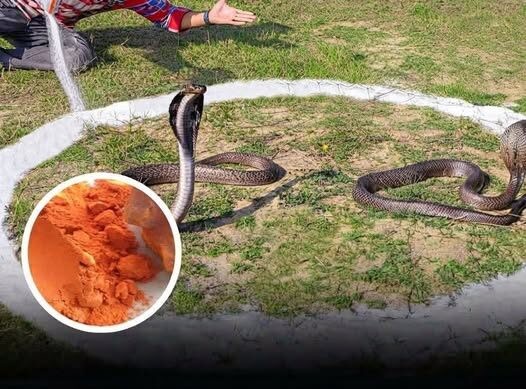
Seeing a snake near a front door, garden path, garage or shed can be unsettling, particularly for households with children or pets. In most cases, however, a snake is simply moving through an area in search of food, cover, water or a suitable temperature. Snakes are important parts of many ecosystems because they help regulate populations of rodents and other small animals. The most effective approach is not to rely on unproven repellents or attempt to handle wildlife, but to make the property less attractive and reduce opportunities for snakes to enter buildings.
Practical prevention focuses on the conditions that can bring snakes close to homes: hiding places, rodent activity, accessible water and gaps in walls, doors or foundations. These measures can lower the likelihood of encounters, although they cannot guarantee that snakes will never pass through a yard, especially in places near woods, fields, wetlands, rocky areas or undeveloped land.
Why Snakes May Appear Around Homes
Snakes do not usually seek out people or houses. They may appear on residential property because the surrounding environment offers resources they need. Many species hunt mice, rats, frogs, lizards, insects or birds. Others may use shaded vegetation, stone borders, woodpiles and stored materials as shelter from heat, cold or predators.
A yard can unintentionally provide all of these resources. Long grass and thick ground cover offer concealment. Birdseed scattered under feeders can attract rodents. Pet food left outdoors may draw small mammals, and those animals can in turn attract snakes. Leaking faucets, poorly drained gutters and containers holding rainwater can create damp areas used by insects, amphibians and wildlife.
Seasonal conditions can also affect snake activity. In warmer weather, snakes may be more visible as they move between shelter, food sources and places where they can regulate body temperature. During cooler periods, some species seek protected places to overwinter. Local species and behavior vary widely, so homeowners should consult regional wildlife agencies or extension services for location-specific guidance.
Make Your Yard Less Attractive to Snakes
The goal of snake prevention is to reduce shelter and prey close to high-traffic parts of the property. Start with the areas where people regularly walk, including entryways, patios, play areas, driveways, garden paths and routes to garages or sheds. Keeping these spaces open and visible can make a surprise encounter less likely.
Trim Grass and Dense Vegetation
Regularly mow lawns and trim tall grass along fences, foundations, walkways and property edges. Cut back low-growing shrubs, dense ground cover and overgrown plants near doors, windows, air-conditioning units and outdoor storage areas. This does not require removing every plant from a landscape. Instead, aim to maintain clear sightlines around the house and avoid creating thick, undisturbed cover immediately beside buildings.
A maintained buffer between vegetation and exterior walls can also make it easier to notice rodent burrows, damaged vents, water leaks or gaps that need repair. When working in overgrown spaces, wear appropriate footwear and gloves, and use tools to move materials rather than reaching into areas that cannot be seen clearly.
Remove or Organize Potential Hiding Places
Snakes may use piles of leaves, brush, rocks, lumber, corrugated materials, old garden supplies and other undisturbed objects as cover. Inspect corners behind sheds, beneath decks, beside fences and around outdoor equipment. Dispose of debris that is no longer needed, and avoid allowing clippings or branches to accumulate close to the home.
Firewood deserves particular attention. Store it neatly, ideally raised off the ground and positioned away from exterior walls and frequently used entrances. A woodpile can provide shelter for rodents and other small animals as well as snakes. If a woodpile must remain on the property, placing it farther from the house and using wood carefully can reduce the chance of an unexpected encounter.
Gardeners can also review compost areas, stacked pots, tarps and unused building materials. These items are not necessarily a problem when managed properly, but neglected piles can create long-term cover. Periodic cleaning and organization are more useful than a one-time effort followed by months of accumulation.
Control Rodents to Reduce a Major Food Source
Reducing rodent activity is one of the most important ways to discourage snakes from staying near a home. Mice and rats can thrive where food is easily available, and a property with a reliable rodent population may also attract predators that feed on them. Humane, integrated pest management methods can address the underlying conditions rather than relying only on repeated chemical treatments.
Secure Food and Waste
Keep household rubbish in containers with secure lids, and clean up spilled garbage promptly. Store pet food, livestock feed and birdseed in sturdy, sealed containers. If pets eat outdoors, remove bowls and leftover food after feeding. These simple routines can reduce food for rodents, raccoons and other animals that may contribute to wildlife activity near the home.
Bird feeders can be enjoyable and can support local birdwatching, but spilled seed beneath them may attract mice and rats. Choose feeder designs that limit waste where possible, sweep up seed regularly and consider placing feeders away from doors, patios and building foundations. Store seed in rodent-resistant containers rather than bags that can be chewed through.
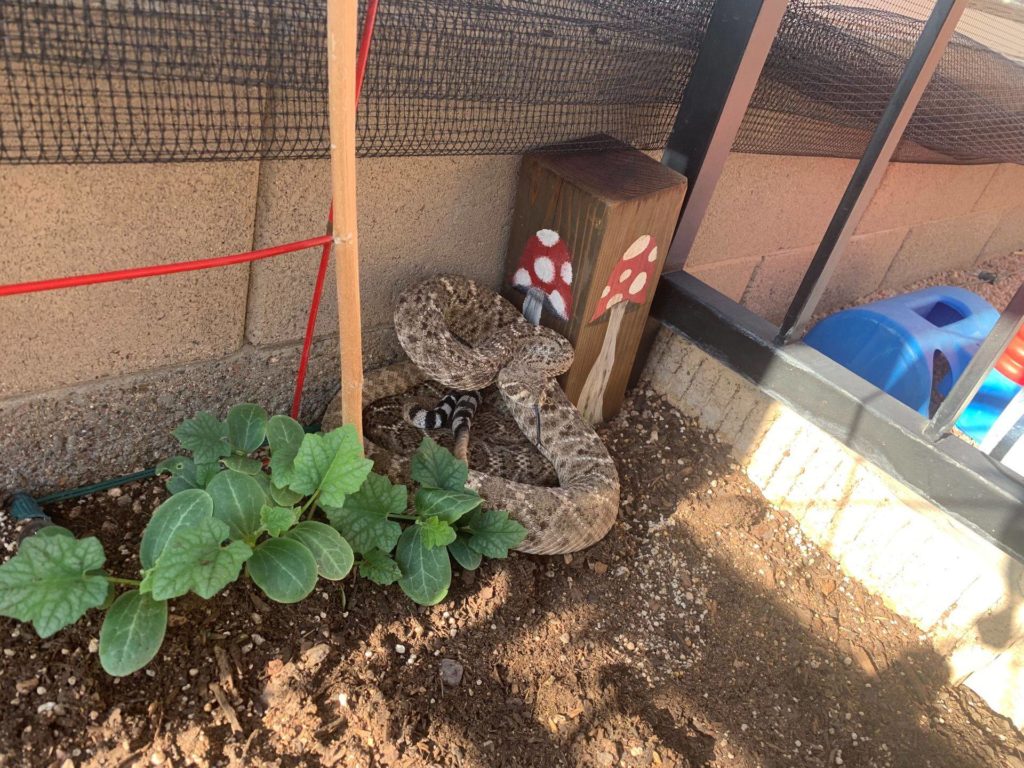
Address Signs of Rodent Activity
Look for signs such as droppings, gnaw marks, nesting materials, burrows or damaged food packaging. If rodents are active, identify how they are getting food, water and access to shelter. Sealing entry points, removing clutter and using traps or other approaches recommended by local public health or pest-control professionals may be appropriate.
Use caution with rodent-control products. Some poisons can pose risks to children, pets and wildlife when used incorrectly, and poisoned rodents may affect animals that consume them. A qualified pest-management professional can help households select methods suitable for the property and local regulations.
Eliminate Standing Water and Manage Outdoor Conditions
Water itself may not always attract snakes directly, but moisture can support insects, frogs and other prey species. Check outdoor faucets, irrigation systems and hoses for leaks. Clear gutters so water drains as intended, and empty unnecessary buckets, pots, toys and containers that collect rainwater.
Improve drainage in persistently wet areas near foundations, where practical. Keeping vegetation trimmed around these places can make maintenance easier. Homeowners should also examine exterior lighting near entrances. Lights can attract insects, which may attract animals that feed on them. Turning off unnecessary lights or using fixtures designed to direct light downward may reduce insect activity immediately around doors.
Seal Gaps That Could Let Snakes Enter Buildings
Snakes can enter surprisingly small openings, particularly young or narrow-bodied species. A careful inspection of the exterior can help prevent entry into homes, garages, crawl spaces and sheds. Focus on areas where pipes, cables, vents and utility lines pass through walls, as well as gaps around doors, windows, foundations and rooflines.
Inspect Doors, Screens and Foundation Openings
Install or repair door sweeps so that exterior doors fit closely to the threshold. Check garage doors because gaps along the bottom or sides may provide access to wildlife. Repair torn screens and make sure vents are covered with suitable, properly fitted screening that still allows needed airflow.
Examine cracks or openings in foundations and walls, then use materials appropriate for the structure and the size of the gap. Consult a building professional if there are signs of significant damage, moisture problems or structural concerns. It may be helpful to inspect from both inside and outside, since shelving, stored boxes or landscaping can hide an opening from one direction.
Garages, sheds and storage spaces should be kept as orderly as possible. Limiting clutter makes it easier to identify wildlife, rodent activity and building gaps. When opening a rarely used shed or moving stored items, pause and look carefully before placing hands or feet in concealed areas.
Why Homemade Snake Repellents Are Not a Reliable Solution
Online advice often promotes garlic, cinnamon, cloves, vinegar, ammonia, mothballs, essential oils or other strong-smelling household products as snake repellents. Credible evidence that these substances consistently keep snakes away from residential areas is limited. A smell that seems powerful to people does not demonstrate that it will overcome an animal’s need for shelter, warmth or food.
Some products can also create avoidable hazards. Mothballs and other pesticides should only be used according to their labels and are not a safe general-purpose wildlife deterrent. Certain essential oils and chemicals may irritate people, pets or beneficial wildlife. Do not mix fuels, pesticides or cleaning products into homemade treatments, and do not spread potentially harmful substances around gardens, patios or areas used by children and animals.
Physical maintenance, rodent control and exclusion repairs are more practical long-term strategies. They address the reasons a snake may be present instead of attempting to mask those conditions with scents.
What to Do if You See a Snake Near Your Home
If you see a snake outdoors, the safest immediate response is to stop, remain calm and give it plenty of space. Keep children and pets indoors or well away from the area. Most snakes will move on if they have a clear route away and are not approached, cornered or disturbed.
Do not try to pick up, chase, trap, relocate or kill the snake. Attempts to handle or harm a snake can increase the chance of a defensive bite. Even people who believe they can identify local species can make mistakes, particularly when an animal is seen briefly or from a distance.
If the snake is inside a building, trapped in an area, or located where people cannot safely avoid it, contact a licensed wildlife-control professional, local animal control service, park authority or relevant wildlife agency. Availability and responsibilities differ by region, so it is useful to know the appropriate local contact before an issue arises.
Responding to Potential Bites
Anyone who may have been bitten by a snake should seek urgent medical assessment, especially in regions where venomous species are present. Keep the person calm and still, move away from the snake, and call local emergency services or follow local medical advice. Do not attempt to capture the snake for identification. A description from a safe distance, including location, color patterns and size if observed, may help professionals, but treatment decisions should be made by medical experts.
If a pet may have been bitten, contact a veterinarian or emergency veterinary clinic promptly. Keep the animal calm and limit activity during transport. Avoid home remedies, cutting the bite area, applying ice, using a tourniquet or trying to remove venom, as these actions may cause additional harm.
Learn About Snakes in Your Local Area
Understanding which snakes live locally can replace fear with useful preparation. Wildlife agencies, natural history museums, university extension programs and park services often provide identification guides and information about whether medically significant species occur in a particular region. Use these resources to learn from photographs and descriptions rather than approaching a snake for a closer view.
It is also worth remembering that many snake species are nonvenomous and play a valuable ecological role by helping control rodents. Responsible coexistence means protecting people and pets through sensible property maintenance while avoiding unnecessary harm to wildlife.
Build a Routine for Long-Term Snake Prevention
Keeping snakes away from a home is best treated as part of routine exterior maintenance. Mow and trim regularly, clear debris after storms or seasonal yard work, monitor birdseed and pet-food areas, repair leaks and inspect doors, screens and foundation gaps. Pay extra attention to entryways, play spaces and pathways where an unexpected encounter would be most disruptive.
Even a well-maintained property may occasionally have a snake pass through. That does not necessarily mean prevention has failed. In areas with nearby natural habitat, wildlife movement is normal. The key is to reduce the features that encourage animals to remain close to the house and to respond calmly, safely and respectfully when one is seen.
Sources
- Centers for Disease Control and Prevention: Snakes and outdoor safety
- National Park Service: Information about snakes
- U.S. Environmental Protection Agency: Rodenticide safety information
- World Health Organization: Snakebite envenoming fact sheet
- American Veterinary Medical Association: Snake bites in pets
Disclaimer: This content is intended for entertainment purposes only and is not based on real events.