Why People Clip Wooden Clothespins in the Shower
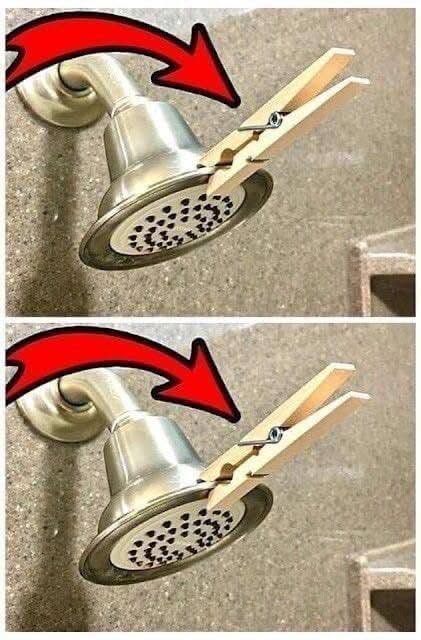
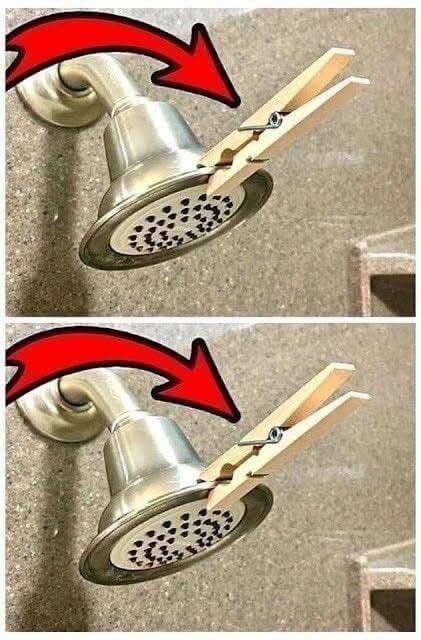
A simple wooden clothespin has become an unexpectedly popular bathroom accessory in home-organization and lifestyle tips. The idea is straightforward: place a small amount of fragrance on an unfinished wooden peg, then clip it in a dry location near the shower. When warm water creates steam in the room, the fragrance may become more noticeable.
This low-cost practice is often described as a way to make an ordinary shower feel more pleasant without using aerosol sprays, plug-in fragrance devices, or strongly scented cleaning products. It is not a substitute for cleaning a bathroom, addressing moisture problems, or treating a health condition. Instead, it is best understood as a small personal preference for people who enjoy a light scent in their surroundings.
Wooden clothespins can also be useful far beyond the laundry line. Clean, plain pegs can help organize cables, close dry-food bags, and prevent some utensils from slipping into serving bowls. Their usefulness comes from a simple spring mechanism, a compact shape, and the fact that unfinished wood can absorb a small amount of liquid.
How the Wooden Clothespin Shower Trick Works
The shower clothespin idea relies on the porous nature of unfinished wood. A drop of essential oil or another suitable fragrance can soak partly into the surface of a plain wooden peg. When the surrounding bathroom becomes warm and humid during a shower, more of the fragrance may be released into the air.
Steam does not turn the clothespin into a diffuser in the technical sense, and the scent is usually subtle. The fragrance will depend on the type and amount of oil used, the size of the bathroom, ventilation, the duration of the shower, and how close the peg is to heat and moisture. In a large or well-ventilated room, one clothespin may produce only a faint aroma.
This is one reason the method appeals to people looking for a modest effect rather than a room-filling fragrance. A single peg gives users a chance to test whether they like the scent without committing to a permanent product or a stronger fragrance system.
Choosing the Right Wooden Clothespin
An unfinished wooden clothespin is generally the most practical choice for this purpose. Bare wood is more likely to absorb a small amount of oil than plastic, metal, or heavily painted pegs. Look for a clean, dry clothespin with no visible mold, damage, splinters, varnish, or loose metal parts.
It is sensible to dedicate one clothespin to bathroom fragrance use. A peg that has been exposed to essential oil should not later be used for food storage, laundry involving sensitive fabrics, or other tasks where fragrance transfer would be unwanted. Keeping separate sets of clothespins for different household jobs is an easy way to avoid confusion.
People should also avoid placing an oiled clothespin directly on painted surfaces, polished wood, delicate plastics, or fabrics that could be stained. Essential oils can leave marks or affect finishes, particularly if too much oil is used. A shower curtain ring, a wire shower caddy, or another stable location away from sensitive materials may be a better option.
How to Try a Scented Clothespin in the Shower
Start with a dry, unfinished wooden clothespin and use only a very small amount of fragrance. One drop is usually enough for an initial trial. Apply the drop to the wooden part of the peg rather than the metal spring, then allow the clothespin to absorb the oil for a short time before placing it in the bathroom.
Clip the peg somewhere it will remain outside the direct water stream. For example, it may be attached to a shower curtain ring, a shower caddy, or another secure fixture near the shower. The goal is to keep the peg close enough for the warm, humid air to carry a light scent while preventing it from becoming soaked.
Avoid attaching it where it could fall into the shower, block a drain, touch the skin, or create a slipping hazard. It should also remain out of reach of young children and pets. If the bathroom has limited airflow, opening a window or using an exhaust fan can help manage humidity after bathing, which is important for maintaining indoor air quality and reducing excess moisture.
After several showers, the scent will likely fade. Rather than adding oil repeatedly without checking the peg, inspect it first. If the wood appears damp, stained, cracked, or dirty, replace it. A fresh clothespin is inexpensive and may be a more hygienic choice than trying to reuse a visibly worn one.
Essential Oil Safety and Fragrance Sensitivity
Natural does not automatically mean risk-free. Essential oils are concentrated aromatic substances, and some people are sensitive to fragrances. A scented clothespin should be considered optional, especially in shared homes where another person may have asthma, allergies, migraines, or a fragrance sensitivity.
The American Academy of Allergy, Asthma & Immunology notes that fragrances can trigger symptoms for some individuals, including people with respiratory conditions. Strong odors may also be unpleasant or irritating even when they do not cause an allergic reaction. For that reason, beginning with one drop and using good ventilation is a cautious approach.
Essential oils should not be applied directly to the skin without appropriate guidance and dilution, and they should not be consumed unless a qualified healthcare professional has provided specific advice. A scented clothespin is intended only as a household fragrance item. It should never be presented as a treatment for anxiety, insomnia, infection, congestion, or any other medical concern.
Households with babies, children, pets, or people with respiratory conditions may prefer to skip scented products entirely or ask a healthcare professional or veterinarian about individual concerns. If a fragrance causes coughing, wheezing, headaches, eye irritation, nausea, or skin discomfort after contact, remove it from the area and increase ventilation.
What This Shower Hack Can and Cannot Do
A clothespin with a light fragrance can add a pleasant sensory detail to a daily routine, but its role is limited. It does not clean shower surfaces, remove mold, eliminate moisture damage, or replace regular bathroom maintenance. It also cannot purify indoor air or reliably provide health benefits.
Maintaining a bathroom still requires practical steps: using an exhaust fan or opening a window where possible, drying wet surfaces, washing towels regularly, checking for leaks, and cleaning according to the product instructions for the surfaces involved. Public health agencies consistently emphasize moisture control as an important part of preventing dampness and mold growth indoors.
For many people, the appeal of the clothespin method is its simplicity. It uses a familiar household item, creates minimal waste when used sparingly, and allows the user to control the intensity of a fragrance. However, people who prefer a scent-free home can achieve an equally clean and comfortable bathroom through ventilation and routine cleaning alone.
Use Plain Clothespins to Organize Charging Cables
Wooden clothespins can be useful in drawers, travel bags, desks, and storage baskets. One practical use is keeping charging cables from tangling. Gather a cable into a loose loop, then gently clip the bundle with a clean, unscented clothespin.
The key is not to bend a cable sharply or compress it too tightly. Charging cords and data cables can wear out over time, especially near their connectors. A loose loop and gentle clip can keep the cable organized while reducing the chances of knotting with other cords.
For a lightweight cable, a clothespin can also be attached to the edge of a fabric organizer or storage pocket. This can keep a cable end visible and easier to reach. It is a basic organizational aid rather than a permanent mounting solution, so it should not be used to hold heavy adapters, power strips, or cables under tension.
Close Open Food Bags With a Clean, Dry Peg
A clean wooden clothespin can serve as a temporary bag clip for dry foods such as cereal, crackers, rice, pasta, snack foods, and baking ingredients. Fold the open edge of the bag over once or twice and place the clothespin over the fold. The peg helps keep the bag closed between servings.
This method may help reduce exposure to air and prevent dry foods from spilling in a cupboard or pantry. However, it is not an airtight seal. Foods that require refrigeration, freezing, or protection from moisture should be stored according to the manufacturer’s instructions and standard food-safety guidance.
Use only clothespins that are clean, dry, and reserved for kitchen use. Do not use a peg that has been in the bathroom, touched cleaning products, or absorbed essential oils. Cross-contamination can be avoided easily by keeping kitchen pegs in a labeled container away from household cleaning and fragrance supplies.
Keeping Serving Spoons From Slipping Into Bowls
Another simple use for a plain clothespin is to stop a serving spoon from sliding into a cool bowl. Clip the peg onto the handle, positioned so it catches on the bowl’s rim. This can keep the handle accessible and reduce the need to reach into food to retrieve a utensil.
This approach is best suited to cold or room-temperature foods, such as salads, fruit, snacks, or chilled side dishes. It should not be used with hot cookware, hot liquids, or dishes that have been heated in an oven or microwave. Wood can become hot, absorb moisture, or present a sanitation concern in high-heat food preparation.
As with food bag clips, kitchen clothespins should be washed or replaced when they become soiled. Since unfinished wood can absorb liquids, it is wise to avoid using a wooden peg where it will be immersed in food or exposed to raw meat juices, sauces, or other potentially contaminating substances.
A Small Household Tool With Flexible Uses
The renewed interest in wooden clothespins reflects a broader preference for inexpensive, multipurpose household tools. A basic peg can support tidier storage, help close a pantry bag, and—when used carefully—offer a subtle fragrance near the shower. None of these uses require specialized equipment or complicated instructions.
The most important consideration is using the right clothespin for the right task. Keep scented pegs away from food, avoid excess essential oil, prioritize ventilation, and use clean kitchen-specific pegs for food-related organization. With those practical boundaries in mind, an ordinary wooden clothespin can remain a useful addition to a simple, organized home.
Sources
Disclaimer: This content is intended for entertainment purposes only and is not based on real events.