What to Do If a Lone Star Tick Bites You
Discovering a tick attached to your skin can be unsettling, whether it happens after a hike, gardening, camping, or simply spending time in a grassy backyard. The concern may feel even greater when the tick appears to be a lone star tick, a species increasingly recognized in parts of the United States for its potential links to certain illnesses and to alpha-gal syndrome, a type of food allergy.
The most important response is practical rather than panicked: remove the tick as soon as possible, clean the area, and pay attention to how you feel in the days and weeks afterward. A tick bite does not automatically mean that a person will develop an infection or allergy. However, knowing the correct removal method and recognizing symptoms that warrant medical advice can help reduce risk and support timely care if it is needed.
How to Identify a Lone Star Tick
The lone star tick, scientifically known as Amblyomma americanum, is found primarily in the southeastern, south-central, and eastern United States. Its geographic range has expanded in some areas, according to public health agencies and tick surveillance researchers. These ticks are active in wooded areas, brush, tall grass, leaf litter, and places where deer and other wildlife are present.
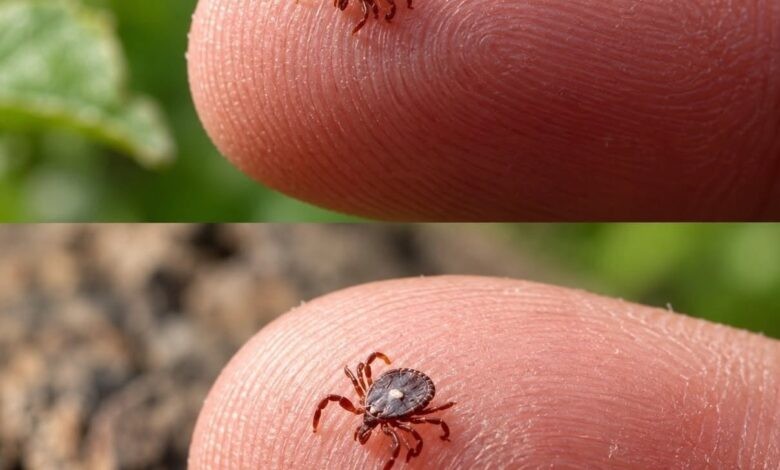
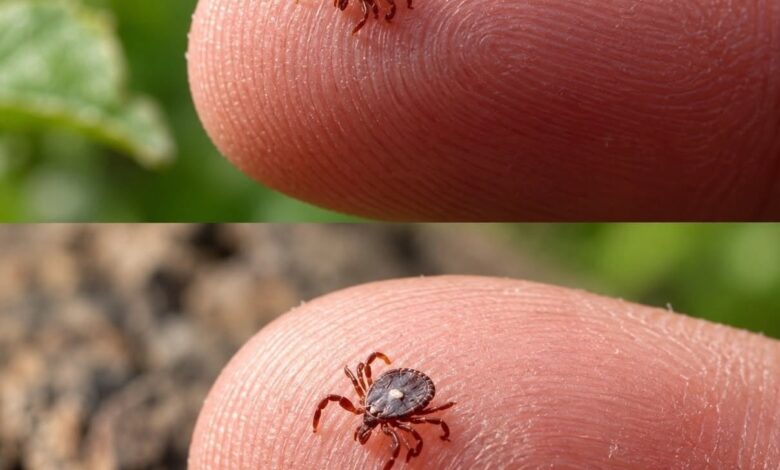
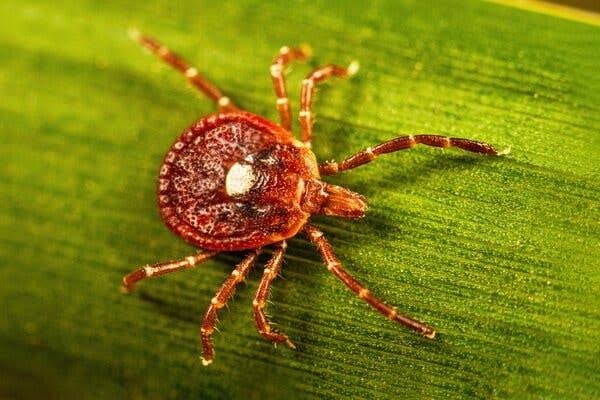
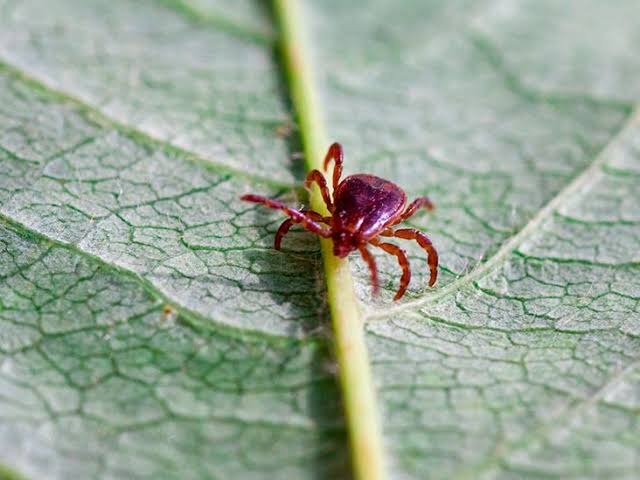
Adult female lone star ticks are often recognized by a single pale or white spot on the center of the back. This marking gives the species its common name. Adult males may have lighter markings around the edges of their backs instead of one central spot. However, identifying a tick based only on appearance can be difficult. Immature ticks, called nymphs, are very small and may be harder to identify than adults.
It is not necessary to confirm the tick species before taking action. Any attached tick should be removed promptly and carefully. If a person wishes to identify the tick later, a clear photograph may be useful for discussion with a local health department, extension service, or healthcare professional. Still, identification alone cannot determine whether a tick transmitted a disease-causing organism.
Remove an Attached Tick Promptly and Safely
Public health guidance from the U.S. Centers for Disease Control and Prevention recommends using clean, fine-tipped tweezers to remove an attached tick. Prompt removal is important because some tick-borne infections are more likely to be transmitted after a tick has been attached for a period of time, although the timing varies depending on the disease and tick species.
To remove a tick, use fine-tipped tweezers to grasp it as close to the skin’s surface as possible. Avoid squeezing the swollen body of the tick. Pull upward with steady, even pressure. Do not twist, jerk, or rapidly tug at the tick, as this can cause the mouthparts to break off and remain in the skin.
If small mouthparts remain after the tick is removed, do not dig deeply into the skin in an attempt to extract them. The skin may naturally push out small retained pieces over time. Keep the area clean and seek medical guidance if the site becomes increasingly painful, swollen, warm, or shows signs of infection.
After removing the tick, thoroughly wash the bite area and your hands with soap and water. An alcohol-based hand sanitizer may also be used if soap and water are not readily available. Clean the tweezers before storing them.
What Not to Do When Removing a Tick
Several home remedies are widely shared online, but they are not recommended by major public health authorities. Do not cover the tick with petroleum jelly, nail polish, gasoline, or other substances. Do not try to burn it with a match, cigarette, or heated object. These methods can irritate the tick, delay removal, and may increase the chance that it releases saliva or other material into the bite site.
The safest method remains simple: use fine-tipped tweezers, grip close to the skin, and pull upward slowly and steadily. Trying to force a tick to detach with heat or chemicals can make an already stressful situation more complicated.
What to Do With the Tick After Removal
Once removed, the tick can be disposed of by placing it in alcohol, sealing it in a bag or container, wrapping it tightly in tape, or flushing it down the toilet. Some people prefer to keep the tick in a sealed container in case a healthcare professional later asks about it. A photograph can also provide useful documentation of its size and appearance.
Routine testing of individual ticks is generally not recommended as a way to guide medical decisions. A positive test in a tick does not prove that a person was infected, and a negative result does not guarantee that the tick carried no risk. Testing methods and reliability can vary. Instead, healthcare professionals usually consider symptoms, exposure history, local disease patterns, and the timing of the bite.
It can be helpful to write down the date of the bite, where the exposure likely occurred, and any symptoms that develop. This information may help a clinician assess the situation if medical care becomes necessary.
Health Concerns Associated With Lone Star Ticks
A lone star tick bite does not mean illness will follow. Many people who are bitten never develop noticeable symptoms beyond mild local irritation. Nevertheless, lone star ticks have been associated with several health concerns, including ehrlichiosis and Southern tick-associated rash illness, often called STARI. Their role in transmitting some infections may vary by location and is an area of ongoing scientific research.
Ehrlichiosis is a bacterial illness transmitted by certain ticks, including the lone star tick in some regions. Symptoms can include fever, headache, fatigue, muscle aches, chills, nausea, or confusion. Symptoms often begin within one to two weeks after a bite, though timing can vary. Anyone who develops fever or feels significantly unwell after a tick bite should contact a healthcare professional promptly and mention the tick exposure.
STARI is characterized by a rash that may expand around the bite site and can resemble the bull’s-eye rash sometimes associated with Lyme disease. Unlike Lyme disease, which is most commonly associated with blacklegged ticks in specific regions, STARI has been linked to lone star tick bites. Researchers are still studying its exact cause. A spreading rash should be evaluated by a healthcare professional, particularly if it is accompanied by fever, fatigue, headache, or body aches.
Not every red mark after a tick bite is a sign of infection. Minor redness, itching, or a small bump can occur as a normal local reaction to the bite. However, a rash that expands, persists, becomes painful, or is accompanied by systemic symptoms deserves medical attention.
Understanding Alpha-Gal Syndrome After a Tick Bite
Lone star tick bites have also been associated with alpha-gal syndrome, sometimes called AGS. Alpha-gal syndrome is a potentially serious allergy to alpha-gal, a sugar molecule found in most mammals other than humans and other primates. People with the condition may have allergic reactions after eating mammalian meat, such as beef, pork, lamb, or venison. Some people may also react to certain mammal-derived products, although individual sensitivities vary.
Alpha-gal syndrome is unusual because allergic symptoms may be delayed for several hours after eating a triggering food. Reactions can include hives, itching, stomach pain, nausea, vomiting, diarrhea, swelling, shortness of breath, dizziness, or, in severe cases, anaphylaxis. The condition should be diagnosed and managed by a qualified healthcare professional, often an allergist.
Importantly, a lone star tick bite is not a diagnosis of alpha-gal syndrome. Most people who are bitten will not develop this allergy. There is also no reason to automatically eliminate foods from the diet after every tick bite without medical advice. However, a person who experiences recurring allergic symptoms, especially delayed symptoms after eating mammalian meat or related products, should discuss the pattern and their tick exposure with a clinician.
Emergency care is needed for signs of a severe allergic reaction, including trouble breathing, wheezing, swelling of the lips, tongue, throat, or face, fainting, or severe dizziness. People who have been diagnosed with a serious allergy should follow their clinician’s emergency action plan and carry prescribed medication, such as epinephrine, when advised.
When to Contact a Healthcare Professional
Medical advice is appropriate if you develop symptoms after a tick bite, especially fever, chills, headache, unusual fatigue, muscle or joint aches, nausea, a spreading rash, or swollen lymph nodes. Tell the healthcare professional when the bite occurred, where you may have been exposed, and whether you noticed the tick attached.
Parents and caregivers should follow the same approach when a child has a tick bite. Children may not always be able to describe symptoms clearly, so adults should watch for fever, rash, unusual tiredness, irritability, reduced appetite, or other changes in behavior. When in doubt, contacting a pediatric healthcare provider is a sensible step.
Preventive antibiotics are not routinely recommended after every tick bite. The decision depends on the type of tick, the location, the length of attachment, local disease patterns, and a person’s medical history. A clinician can provide individualized advice. Self-treating with leftover antibiotics or medications intended for someone else is not recommended.
How to Prevent Future Lone Star Tick Bites
Tick prevention is especially valuable during warmer months, but ticks can be active whenever temperatures are mild enough. When walking in wooded, brushy, or grassy places, stay near the center of trails and avoid brushing against tall vegetation where ticks may wait for a passing host.
Wear long sleeves, long pants, and closed-toe shoes when practical. Tucking pants into socks can create an additional barrier in areas with heavy tick activity. Light-colored clothing may make it easier to spot ticks before they attach.
Use Environmental Protection Agency-registered insect repellents according to product instructions. Repellents containing DEET, picaridin, IR3535, oil of lemon eucalyptus, or para-menthane-diol may help repel ticks when used correctly. Clothing and gear can also be treated with products containing permethrin, following all label directions. Permethrin should not be applied directly to skin.
After spending time outdoors, check your body, clothing, gear, children, and pets for ticks. Pay close attention to the scalp, hairline, behind the ears, under the arms, around the waist, behind the knees, and in the groin area. Showering soon after coming indoors may help remove unattached ticks and provides an opportunity to complete a thorough tick check.
A Calm, Informed Response Matters
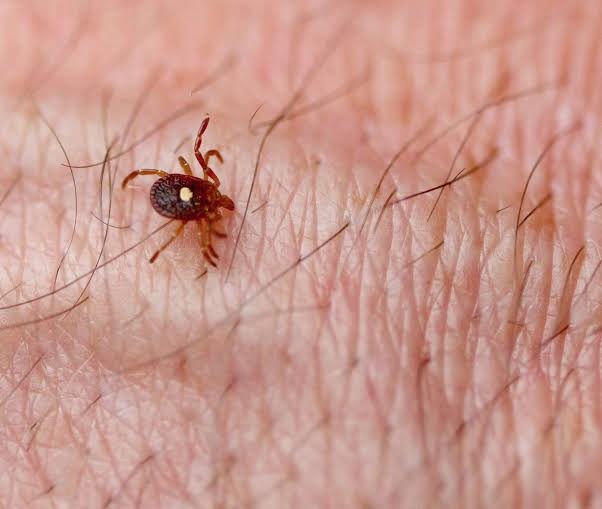
An attached lone star tick can be alarming, but the appropriate response is clear. Remove it promptly with fine-tipped tweezers, clean the skin, note the date and location of exposure, and monitor for symptoms. Avoid unproven removal methods, and do not assume that a bite will inevitably lead to illness or allergy.
Most tick bites can be managed with careful removal and observation. At the same time, symptoms such as fever, a spreading rash, or signs of an allergic reaction should not be ignored. By combining practical prevention, reliable public health guidance, and timely medical consultation when needed, individuals and families can respond to tick bites with confidence rather than fear.
Sources
- Centers for Disease Control and Prevention: What to Do After a Tick Bite
- Centers for Disease Control and Prevention: Tick Information
- Centers for Disease Control and Prevention: About Alpha-gal Syndrome
- Centers for Disease Control and Prevention: About Ehrlichiosis
- U.S. Environmental Protection Agency: Insect Repellents
- Mayo Clinic: Tick-Borne Diseases
Disclaimer: This content is intended for entertainment purposes only and is not based on real events.