Head Lice: Symptoms, Identification, Treatment, and Prevention
Persistent itching behind the ears, at the nape of the neck, or across the scalp can be frustrating and distracting. Head lice are one possible explanation, but they are not the only one. Dry skin, dandruff, eczema, contact dermatitis, psoriasis, and reactions to hair-care products may all cause itching or visible flakes. For that reason, the most useful first step is a careful scalp examination rather than assuming that any itch means there is a lice infestation.
Head lice are common, especially among school-aged children and people in close contact with them. They can be inconvenient for a household, but they are manageable. Health authorities emphasize that head lice are not linked to cleanliness, personal hygiene, socioeconomic status, or parenting. They are small insects that require a human host, and effective treatment focuses on confirming live lice, using an appropriate treatment method, and checking close contacts without unnecessary panic.
What Are Head Lice?
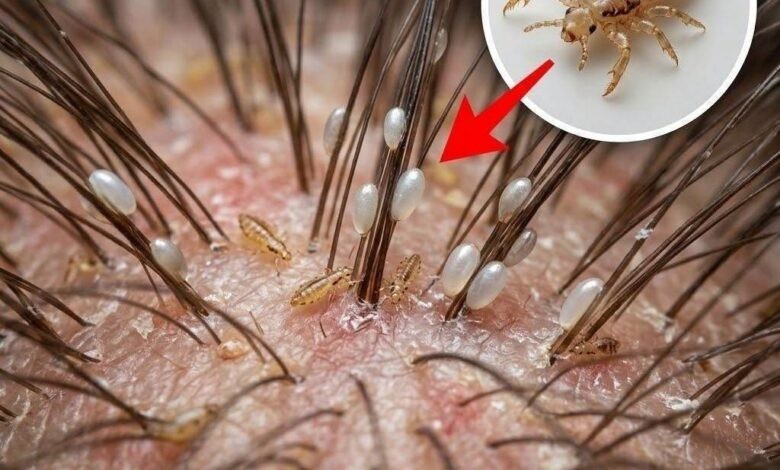
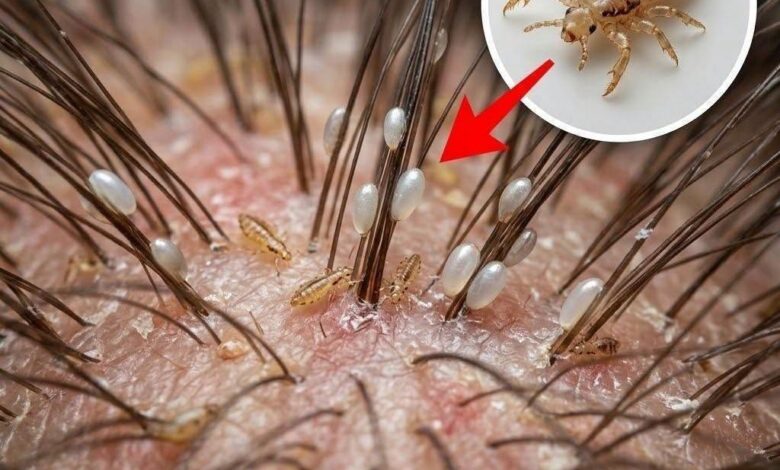
Head lice, known scientifically as Pediculus humanus capitis, are tiny wingless insects that live close to the human scalp and feed on small amounts of blood. They are different from body lice and pubic lice, which live in different areas and require different approaches. Head lice are adapted to cling to hair shafts with claw-like legs, allowing them to move quickly through hair but not to fly or jump.
An adult head louse is usually about the size of a sesame seed. It may appear tan, grayish, brown, or darker depending on its stage of development and the person’s hair color. Young lice, called nymphs, are smaller. Because they move quickly and avoid light, live lice can be hard to spot during a brief look in the mirror. A systematic wet-combing examination is often more reliable than simply looking through dry hair.
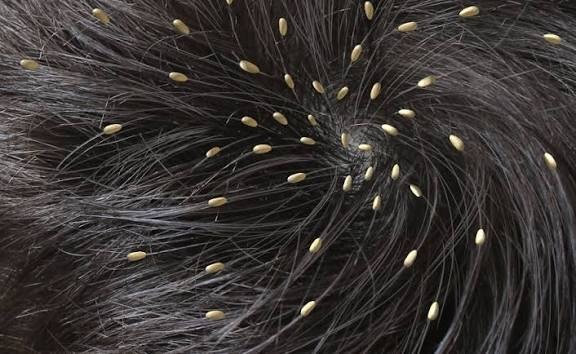
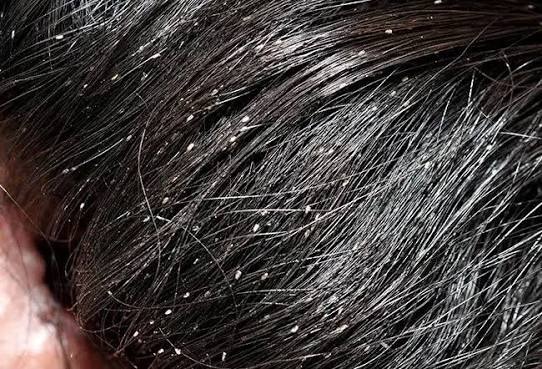
Lice lay eggs called nits. These eggs are attached firmly to individual hair shafts, usually close to the scalp where the temperature is favorable for development. Nits may be yellowish, tan, brown, or white, and they can resemble dandruff at a glance. Unlike loose flakes, however, viable or recently hatched nits tend to remain stuck to the hair and do not easily brush away.
Why Itching Behind the Ears and Neck Can Be a Clue
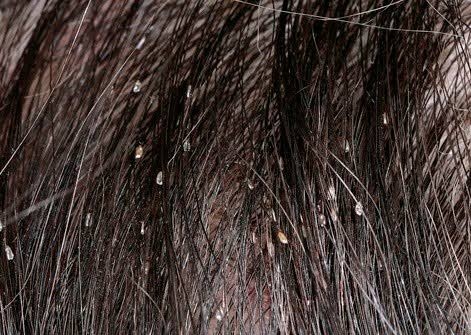
The skin behind the ears and around the back of the neck is often checked first because lice and nits are commonly found in these areas. This does not mean that itching there proves an infestation. It means these spots deserve close attention during a careful examination. Part the hair in small sections under bright light, paying particular attention to the scalp, the hairline behind both ears, and the nape of the neck.
Itching may develop when the body reacts to louse saliva after repeated bites. Some people notice a tickling or crawling sensation, while others develop small itchy bumps or mild irritation. Scratching can make the skin sore and may lead to broken skin. However, symptoms vary widely. A person with a first infestation may have little or no itching for several weeks, while another person may react more quickly.
Difficulty sleeping can also occur because lice are often more active in darkness. Still, sleep disruption and scalp discomfort have many possible causes. The presence of live, moving lice is the clearest evidence of an active infestation. Itching alone is not enough to make a reliable diagnosis.
How to Tell Head Lice From Dandruff and Other Scalp Conditions
One of the most common sources of confusion is the difference between nits and dandruff. Dandruff consists of loose flakes of skin that generally move or fall away when hair is shaken, brushed, or touched. Nits are cemented to the hair shaft and are difficult to slide off using the fingers. Hair casts, which are harmless sleeves of keratin around hairs, can also look similar to nits but are often easier to move along the hair shaft.
Other scalp conditions can produce redness, scaling, itching, or flakes. Seborrheic dermatitis, often called dandruff, can create oily or dry-looking scales. Eczema and contact dermatitis may occur after exposure to shampoos, hair dye, fragrances, styling products, or other irritants. Psoriasis can cause well-defined scaly patches. A pharmacist, nurse, doctor, or dermatologist may help clarify the cause if symptoms are persistent or uncertain.
A fine-toothed lice comb is a practical tool for identifying live lice. Many health organizations recommend wet combing: apply conditioner to damp hair, then comb methodically from the scalp to the ends, wiping the comb on a light-colored tissue or paper towel after each pass. This can make movement easier to see. Repeat across the entire scalp, working in small sections.
How Head Lice Spread
Head lice spread mainly through direct head-to-head contact. This is why transmission can occur among children playing closely together, taking group photographs, sharing close seating, or participating in activities that bring heads near one another. Lice crawl; they do not have wings and cannot jump from one person to another.
Transmission through objects such as hats, hairbrushes, helmets, headphones, pillowcases, and hair accessories is possible but considered much less common. Lice are dependent on the human scalp for food and warmth. Away from a host, they generally do not survive for long. This biological limitation is important because it explains why widespread household spraying and intensive disinfection are usually unnecessary.
Head lice also do not indicate that a home is unclean. They can affect people with clean or unwashed hair alike. Stigma can make children or adults feel embarrassed, isolated, or blamed. Calm, factual communication is useful: lice are common parasites, they can be treated, and having them says nothing about a person’s character or hygiene.
What to Do When Live Lice Are Found
If live lice are confirmed, check people in the same household and other close contacts. Treatment is generally recommended for those with an active infestation, rather than automatically treating every person without evidence of lice. Local public-health advice may vary, so families should follow instructions from a healthcare professional, pharmacist, school nurse, or local health authority when needed.
Several treatment options may be available depending on the country. These can include over-the-counter products designed to kill lice, prescription medicines, and mechanical removal with a fine-toothed comb. Product availability and recommendations differ by region, and resistance to some treatments has been reported in some communities. It is therefore important to choose a product appropriate for the person’s age and health status and to use it exactly as directed on the label or by a clinician.
Many treatments require a second application after a specified interval because some products do not kill every egg. A repeat treatment can target newly hatched lice before they mature and lay more eggs. Do not apply more product than instructed, combine treatments without professional advice, or use household pesticides on the body or scalp. These practices can cause irritation and do not improve results.
Wet combing may be used alongside or, in some circumstances, instead of medicated treatment. It requires patience and a consistent schedule. Hair should be combed carefully in sections, and the process may need repeating every few days for a number of weeks. The goal is to remove live lice before they can continue the life cycle. Because techniques and schedules differ, users should follow dependable local medical guidance.
Cleaning the Home Without Overreacting
When head lice are discovered, it is reasonable to wash items used recently by the affected person, such as pillowcases, bedding, hats, scarves, and clothing. Follow each item’s care label. Combs and brushes can be cleaned by removing hairs and washing them in hot water according to public-health guidance. Items that cannot be washed may be set aside for a period recommended by local health authorities.
However, extensive cleaning is not normally required. Insecticide foggers, sprays on furniture, repeated deep-cleaning of every room, and discarding household belongings are generally not recommended for routine head lice control. Such measures can expose people to unnecessary chemicals while offering little benefit. Vacuuming areas where the affected person recently rested may be done for reassurance, but the main priority is treating the scalp and checking close contacts.
Pets do not spread human head lice. Dogs, cats, and other household animals do not need lice treatment because human head lice are adapted to humans rather than pets. This is another reason to focus efforts where they matter most: the hair and scalp of people who may have active lice.
When to Seek Medical Advice
Medical advice can be helpful when a diagnosis is unclear, treatment has not worked after being used correctly, or the person has a health condition that affects which products are safe. Parents and caregivers should also consult a clinician or pharmacist before treating very young children, and anyone who is pregnant, breastfeeding, has allergies, or has a sensitive scalp should ask for individualized advice.
Seek medical attention if the scalp becomes increasingly painful, swollen, warm, or tender, or if there are sores, crusting, drainage, or signs of infection. These symptoms may result from intense scratching or may point to a different skin condition. Persistent itching after successful treatment does not always mean lice are still present; irritation from bites, scratching, or a treatment product can continue for some time. A recheck for live lice is more useful than repeating treatment solely because of itchiness.
Supporting Children and Reducing Stigma
For families, a lice episode can interrupt an ordinary evening with hair checks, combing, laundry, and phone calls to close contacts. Children may feel embarrassed if they believe lice are associated with being “dirty,” even though that belief is false. Adults can reduce anxiety by using calm language, explaining that lice are common, and avoiding blame.
Schools and childcare settings also play a role in reducing stigma. Many health authorities discourage “no-nit” exclusion rules because nits alone may remain after successful treatment and do not necessarily indicate that live lice are present. Policies vary by location, but public-health guidance generally favors prompt treatment and a practical return to normal routines rather than prolonged exclusion.
Families can encourage children to avoid prolonged head-to-head contact during an outbreak and not to share hairbrushes, hats, clips, or other personal hair items. These simple measures are more proportionate than alarm. Since head lice are spread chiefly through close contact, prevention is imperfect, but early detection and sensible communication can limit further spread.
Key Takeaways About Head Lice
Itching behind the ears or along the neck can be a reason to check for head lice, but it does not confirm an infestation. The most dependable sign is finding a live crawling louse. Nits that remain firmly attached to hair can support the diagnosis, while loose flakes are more likely to be dandruff or dry skin. A fine-toothed comb, strong light, and a methodical examination can help distinguish between these possibilities.
When lice are confirmed, use an evidence-based treatment plan, check close household contacts, and clean recently used items without turning the situation into a whole-house disinfection project. Avoid unnecessary pesticides and excessive scratching. Most importantly, remember that head lice are a common health nuisance, not a reflection of hygiene or personal worth. Clear information, appropriate care, and a calm approach can help households manage the problem effectively.
Sources
Disclaimer: This content is intended for entertainment purposes only and is not based on real events.