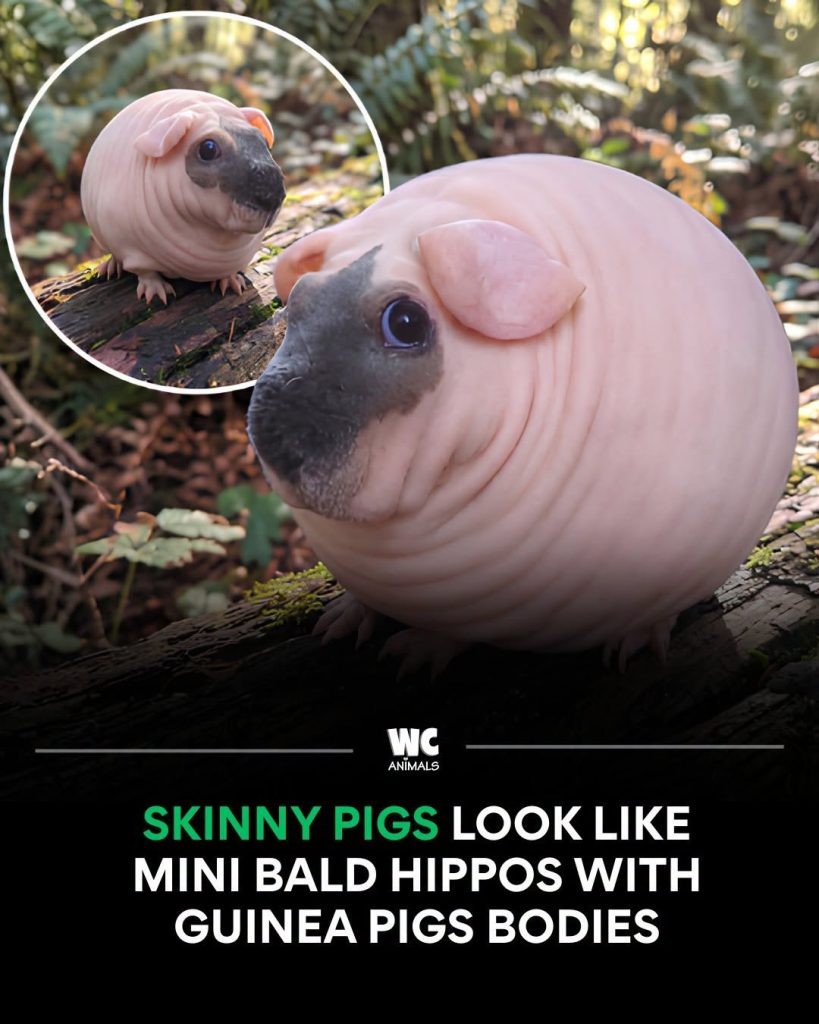
With their rounded bodies, short legs, oversized ears and folded skin, Skinny Pigs are among the most distinctive companion animals in the guinea pig world. A first look can be surprising: these nearly hairless guinea pigs are often compared to miniature hippopotamuses, tiny rhinoceroses or animated characters. Their wrinkled faces and expressive eyes have also made them popular in animal photographs and social media posts.
Behind their unusual appearance, however, Skinny Pigs are domestic guinea pigs with many of the same instincts, social needs and daily care requirements as their fur-covered relatives. They can be curious, vocal and affectionate, and they generally enjoy the company of other compatible guinea pigs. At the same time, their limited hair coverage means they need particularly thoughtful housing, nutrition and skin protection.
For prospective owners, understanding the difference between admiring a Skinny Pig’s appearance and meeting its long-term welfare needs is essential. These animals can be rewarding pets, but they are not low-maintenance novelty animals. Their care should be based on established guinea pig welfare guidance and advice from a veterinarian experienced with small mammals.
What Is a Skinny Pig?
A Skinny Pig is a variety of domestic guinea pig, scientifically known as Cavia porcellus, that has very little hair over most of its body. Many have a small amount of fur on the muzzle, feet and lower legs, while others may have sparse hair in additional areas. Their skin can be pink, black, brown, grey, red-toned, spotted or mottled. As with other guinea pigs, individual coloring and skin patterns vary widely.
Their lack of a full coat is linked to inherited traits affecting hair development. Skinny Pigs are therefore not a separate species from ordinary guinea pigs. They share the same general anatomy, social behavior and core nutritional requirements as other domestic guinea pigs, although their exposed skin and reduced insulation create additional practical considerations.
Some people use the terms “hairless guinea pig” and “Skinny Pig” interchangeably. It is worth noting that hairlessness can occur through different genetic lines. The term Skinny Pig is commonly used for the familiar pet variety that retains some hair around the face and feet. Owners should avoid assuming that all hairless-looking guinea pigs have identical needs, especially if an animal has a known medical condition affecting its coat or skin.
The History Behind Hairless Guinea Pigs
Hairless guinea pigs are commonly traced to a genetic mutation identified in laboratory guinea pig colonies in Canada during the late 1970s. The animals were initially of scientific interest because their skin and immune characteristics could be studied in a controlled setting. Over time, breeding programs established healthy domestic lines, and the animals later became known in the pet trade as Skinny Pigs.
This history helps explain why their appearance is so different from that of long-haired, short-haired and smooth-coated guinea pig breeds. Yet a distinctive appearance should never be the only reason to acquire one. Responsible ownership begins with considering whether a household can provide daily care, adequate space, veterinary support and companionship for the animal’s entire life.
Guinea pigs may live for several years, and their needs do not disappear once the novelty of a rare-looking pet fades. Before bringing home a Skinny Pig, families should research local veterinary options, budget for routine and unexpected care, and make sure they can maintain an appropriate indoor environment throughout the year.
Why Skinny Pigs Resemble Tiny Hippos
The “tiny hippo” comparison is mostly about proportions. Skinny Pigs have compact, barrel-shaped bodies, broad noses, small feet and skin folds that are more visible without a coat. Guinea pigs naturally have relatively large heads and expressive eyes for their body size, and these features stand out even more when fur is absent.
Their appearance may be unusual, but their behavior is recognizably guinea pig. A contented Skinny Pig may explore its enclosure, investigate new objects, nibble hay, communicate with soft vocalizations and seek familiar people at feeding time. Guinea pigs can make a range of sounds, including excited squeaks when they anticipate food. Some may also “popcorn,” a quick jumping movement often associated with excitement or playfulness.
Every animal has an individual temperament. Some Skinny Pigs become confident around people quickly, while others need more time and gentle handling to feel secure. Calm interaction, predictable routines and opportunities to hide are important for building trust. They should never be chased, grabbed suddenly or handled roughly, as guinea pigs can be easily frightened and physically injured.
Skinny Pig Social Needs and Enrichment
Guinea pigs are social animals and generally benefit from living with compatible companions. Welfare organizations commonly advise keeping guinea pigs with another suitable guinea pig rather than alone, provided introductions are managed carefully and the animals have enough room and resources. A knowledgeable rescue organization, veterinarian or experienced guinea pig welfare group can help owners understand appropriate pairings.
Companionship does not replace human care, but it can support normal social behavior. Paired guinea pigs may rest near each other, communicate vocally and explore together. Owners should still monitor all animals for signs of bullying, food guarding or injury. Each guinea pig needs access to hay, water, hiding places and feeding areas so that a more confident animal cannot block another from essential resources.
Enrichment is also important. Safe tunnels, paper bags without handles, untreated cardboard hiding places and species-appropriate chew items can encourage exploration. Rearranging the enclosure occasionally, while keeping familiar safe spaces available, can provide stimulation. Any item added to the habitat should be non-toxic, clean and free from small pieces that could be swallowed.
Temperature Control and Safe Housing for Skinny Pigs
One of the most important differences in Skinny Pig care is temperature management. Fur helps many mammals retain body heat and provides some protection from the environment. Because Skinny Pigs have very limited body hair, they may be more sensitive to cold conditions and drafts than fully furred guinea pigs.
They should be kept indoors in a stable, well-ventilated room away from direct drafts, radiators, fireplaces and air-conditioning outlets. Sudden temperature changes can be stressful. Their enclosure should also be protected from direct sunlight, because exposed skin may be vulnerable to sun damage. Outdoor housing may present additional risks from changing temperatures, weather, predators and parasites, so owners should discuss suitable arrangements with a veterinarian familiar with guinea pigs.
A roomy enclosure is essential for all guinea pigs. They need enough uninterrupted floor space to move, run, rest and separate from companions when desired. Solid flooring is safer than wire flooring, which can contribute to foot injuries. Bedding should be clean, dry, soft and low in dust. Rough materials, damp bedding and soiled areas can irritate exposed skin, so spot cleaning should be part of the daily routine.
Good hygiene does not mean creating a sterile environment or bathing the animal frequently. Over-bathing may dry or irritate the skin. Instead, owners should remove wet bedding, clean food areas, refresh water and inspect the enclosure regularly. If a Skinny Pig develops redness, flaking, sores, swelling, persistent scratching or changes in behavior, veterinary advice is important.
Diet: Hay, Vitamin C and Fresh Water
Skinny Pigs require the same foundations of guinea pig nutrition as other domestic guinea pigs. Unlimited access to good-quality grass hay is central to a healthy diet. Hay supports digestive function and helps wear down continuously growing teeth. Fresh, clean water should always be available.
Guinea pigs cannot make their own vitamin C, which means they need a reliable dietary source. A veterinarian can advise on a suitable feeding plan, but guinea pig diets commonly include measured amounts of a quality guinea pig pellet fortified with vitamin C alongside fresh vegetables that are appropriate for the species. Bell peppers and leafy greens are often discussed as dietary sources of vitamin C, although portions and variety matter.
Fresh produce should be introduced gradually because sudden dietary changes can upset a guinea pig’s sensitive digestive system. Not every fruit or vegetable is suitable, and sweet foods should be limited. Owners should use guidance from a qualified veterinarian or recognized animal welfare organization rather than relying on unverified online feeding lists.
Skinny Pigs are often described as having higher energy needs because they lack a dense fur coat. While this can be a reasonable practical consideration, feeding should be based on the individual animal’s body condition, activity, age and veterinary guidance rather than simply offering unlimited pellets or treats. Regular weighing is a useful way to spot gradual changes that may otherwise be difficult to notice.
Skin Care and Common Health Considerations
Healthy Skinny Pig skin should be monitored as part of routine care. Because there is little fur to conceal changes, owners may be able to notice dryness, scratches or irritation quickly. Gentle observation during handling can help identify concerns early. However, visible skin does not mean every wrinkle or color variation is a health problem; many folds and pigment patterns are normal.
Potential concerns that deserve veterinary attention include persistent itching, crusting, wounds, unusual lumps, flaky skin, discharge, reduced appetite, weight loss, diarrhea, breathing changes or a noticeable reduction in activity. Guinea pigs can hide illness, so subtle changes in eating habits or droppings should be taken seriously.
Regular health checks with an exotics or small-mammal veterinarian can help owners discuss diet, teeth, weight, nails, skin and housing. Veterinary guidance is especially valuable before using any lotion, shampoo, supplement or parasite treatment. Products made for people, dogs or cats may be unsuitable or harmful for guinea pigs.
Responsible breeders and rescues should place welfare above appearance. Prospective owners can ask about an animal’s medical history, socialization, diet and living conditions. They should also be wary of sellers who make unsupported claims, such as suggesting that hairless guinea pigs are automatically hypoallergenic. Allergies may be caused by proteins in animal saliva, dander or urine, not simply fur, so a lack of coat does not guarantee that a person with allergies will be unaffected.
Are Skinny Pigs Good Pets?
Skinny Pigs can be engaging companions for people prepared to meet their needs. Their expressive faces and unusual appearance may attract attention, but their value as pets comes from their behavior and individuality rather than their novelty. They can be gentle, entertaining animals that respond to routine and learn to recognize familiar voices and feeding cues.
They may be suitable for attentive adults, families able to supervise care, or experienced guinea pig owners seeking a variety with additional housing and skin-care considerations. They are less suitable for anyone looking for a pet that can be left alone for long periods or kept in a small enclosure with minimal daily attention.
Children can participate in feeding, gentle observation and supervised interaction, but an adult should remain responsible for the animal’s welfare, cleaning, health monitoring and veterinary decisions. As prey animals, guinea pigs often feel safest when handled close to the floor or while supported securely with both hands.
A Distinctive Guinea Pig Deserving Thoughtful Care
Skinny Pigs may look like tiny hippos, but they are sensitive domestic guinea pigs with real social, dietary and environmental needs. Their nearly hairless bodies make their wrinkles, colors and movements especially visible, creating an appearance that many people find memorable. Their care, however, requires more than admiration.
A stable indoor environment, clean and spacious housing, constant access to hay and water, vitamin C in an appropriate diet, compatible companionship and prompt veterinary attention are the foundations of responsible care. With informed owners and a welfare-first approach, Skinny Pigs can live comfortable, enriched lives as the curious and sociable little animals they are.
Sources
Disclaimer: This content is intended for entertainment purposes only and is not based on real events.