Why Your Tire Pressure Light Stays On After You’ve Added Air
An illuminated tire pressure warning light can be frustrating, especially when you have already added air and expected the alert to disappear. In many cases, the light is part of the vehicle’s tire pressure monitoring system, commonly called TPMS. Its purpose is to alert the driver when one or more tires may be significantly underinflated.
Adding air is often the right first step, but it does not always solve the underlying issue immediately. The tire may still be below the manufacturer’s recommended cold pressure, another tire may also be low, the system may need time or a reset procedure to update, or there may be a slow leak or TPMS-related fault. Understanding how tire pressure warnings work can help drivers respond safely, avoid unnecessary repairs, and know when a professional inspection is appropriate.
Tire pressure is not only a maintenance detail. Proper inflation can affect vehicle handling, tire wear, ride quality, and fuel efficiency. The National Highway Traffic Safety Administration notes that underinflation can contribute to tire damage and reduced vehicle control. For that reason, a warning light should not be ignored simply because the tires appear normal at a glance.
What the Tire Pressure Warning Light Means
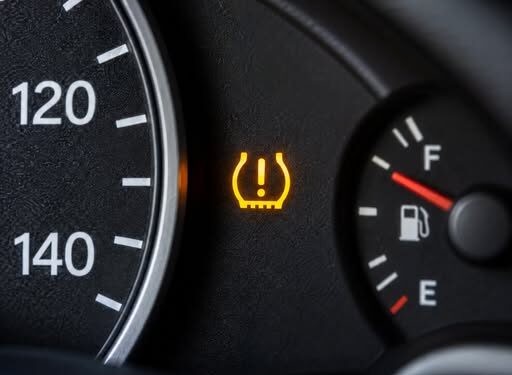
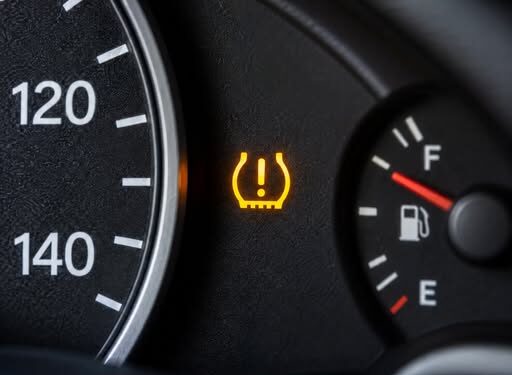
The amber symbol shaped like a tire cross-section with an exclamation point is generally the low-tire-pressure warning indicator. On many vehicles, a steady light means the monitoring system has detected low pressure in at least one tire. A flashing light that later stays on can indicate a malfunction in the TPMS itself, although the exact meaning varies by manufacturer and model year.
There are two broad types of tire pressure monitoring systems. Direct TPMS uses pressure sensors, usually mounted inside each wheel, to measure tire pressure. Indirect TPMS does not measure pressure directly; instead, it uses wheel-speed data from the vehicle’s anti-lock braking system to identify a tire that appears to be rotating differently from the others. Because these systems operate differently, the steps needed after inflating tires may also differ.
Some vehicles display the pressure reading for each tire on the instrument panel or infotainment screen. Others only show a general warning light. Even when a vehicle identifies a particular wheel, it remains wise to check all four tires with a reliable gauge. A second tire can be close to the warning threshold without triggering a separate message.
Check Every Tire When It Is Cold
The most useful starting point is a manual pressure check. Use a quality tire pressure gauge and measure each tire before driving, ideally after the vehicle has been parked for at least three hours. This is known as checking the tires “cold.” Driving heats the tires and raises the air pressure inside them, which can make a reading appear higher than the true cold pressure.
Compare the gauge readings with the tire information placard, which is typically located on the driver’s door jamb, door edge, or near the driver’s seat. Some vehicles place this information in the owner’s manual. The placard lists the recommended cold inflation pressure for the front and rear tires, and it may also include the spare tire if the spare is part of the monitoring system.
It is important not to use the number printed on the tire sidewall as the normal inflation target. That sidewall number generally indicates the tire’s maximum pressure rating under specified conditions, not the pressure recommended for your particular vehicle. Vehicle manufacturers establish placard pressure based on factors such as the car’s weight, suspension, tire size, load capacity, and handling characteristics.
If the placard calls for different front and rear pressures, follow those values. For example, a vehicle may require a slightly higher rear pressure when carrying passengers or cargo. If a driver adds the same amount of air to all four tires without checking the placard, one axle may remain outside the recommended range.
Why the Light May Not Turn Off Immediately After Adding Air
Many TPMS warnings do not disappear the moment air is added. A direct TPMS may need the vehicle to be driven for a short period before the sensors transmit updated readings and the system confirms that pressure is within its expected range. The time and distance required can vary by manufacturer.
Indirect TPMS systems may require a reset or calibration after tire pressures are corrected. This procedure tells the vehicle that the current tire pressures are the new reference point. In some cars, the reset is performed through a button or the vehicle settings menu. In others, the car may recalibrate automatically after being driven. The owner’s manual is the most reliable source for the specific process for a given vehicle.
Do not reset an indirect TPMS before verifying the pressure in every tire. Resetting the system while a tire is still underinflated can cause it to treat an incorrect condition as normal, reducing its ability to provide a useful warning later. Correct pressure should always come before calibration.

Temperature Changes Can Trigger a TPMS Warning
Seasonal weather changes are a common reason for a tire pressure light to appear. Air pressure decreases as temperatures fall, and a tire that was properly inflated during warm weather may become low enough to trigger a warning during a cold morning. The U.S. Department of Energy and tire industry guidance commonly note that tire pressure changes with ambient temperature.
This does not necessarily mean there is a puncture. However, temperature-related pressure loss still needs attention because the tire remains below the vehicle manufacturer’s recommended cold pressure. Check and adjust all tires when they are cold, rather than relying on how they look. Modern radial tires can appear reasonably inflated even when their pressure is lower than recommended.
Pressure can rise again when the weather warms, but drivers should not rely on that change as a substitute for maintenance. Consistently checking tires at least once a month and before long trips can help identify seasonal changes early and reduce the chance of an unexpected warning.
Look for a Slow Leak if One Tire Keeps Losing Air
If the tire pressure light returns after inflation, especially when one tire repeatedly needs air while the others remain stable, there may be a slow leak. A small puncture, a leaking valve stem, corrosion around the wheel rim, a damaged bead seal, or prior tire damage can allow air to escape gradually.
A visual inspection may reveal an obvious object in the tread, but a leak is not always visible. Avoid removing a nail, screw, or other object from a tire yourself if it appears to be holding air in place. Instead, arrange for a qualified tire professional to inspect the tire. They can identify the source of the leak using appropriate testing methods and advise whether the tire can be repaired safely.
Tell the technician which tire has lost pressure and how quickly the pressure drops. Useful details include the original pressure reading, how much air was added, whether the light appeared after a temperature change, and whether the tire was recently repaired. This information can help distinguish a routine seasonal adjustment from a persistent tire or wheel issue.
Recent Tire Service May Affect the TPMS
A tire rotation, wheel replacement, new tire installation, or seasonal wheel change can sometimes be followed by a TPMS warning. On vehicles with direct TPMS, the system may need to recognize the wheel sensors again or identify their new positions after a rotation. This is often called a relearn procedure.
Not every vehicle needs the same type of relearn. Some automatically identify sensor locations after driving, while others require a scan tool, a dashboard-menu procedure, or service equipment used by a tire shop or dealership. The owner’s manual can clarify whether a relearn is needed and what steps apply to the vehicle.
A temporary spare tire may also affect the system. Some temporary spares do not have a TPMS sensor, and some vehicles may display a warning or system message while the spare is installed. Drivers should follow the vehicle manufacturer’s instructions regarding temporary spare use, speed limitations, and required tire replacement or repair.
TPMS Sensor Problems and Battery Failure
If all tires match the door-placard pressure and the warning remains on after the proper driving or reset procedure, the TPMS may need inspection. Direct TPMS sensors are electronic components and are usually powered by small sealed batteries. These batteries have a limited service life and cannot typically be replaced separately from the sensor assembly.
A sensor can also be damaged during tire service, affected by corrosion, or fail because of age. In addition, the system’s receiver, wiring, or software may require diagnosis in less common cases. A flashing TPMS light is often a reason to consult the owner’s manual and schedule a qualified inspection, particularly if the warning persists.
Professional tire and automotive service providers can use diagnostic tools to read sensor data, identify non-communicating sensors, and check whether the system recognizes each wheel. It is still important for the technician to inspect the actual tire pressures and tire condition, because a sensor-related message does not rule out a real inflation issue.
How to Respond Safely to a Tire Pressure Warning
When the tire pressure warning light appears, reduce the risk of further tire damage by checking pressure as soon as it is practical and safe to do so. If a tire looks visibly low, the vehicle pulls noticeably, there is unusual vibration, or handling feels unstable, avoid extended driving and seek assistance. A severely underinflated tire may not be safe to drive on.
For a routine warning with no obvious tire damage, use this practical sequence:
- Park safely and allow the tires to cool if possible.
- Find the recommended cold pressure on the driver’s door placard or in the owner’s manual.
- Check each tire with a gauge, including the spare if the vehicle monitors it.
- Add or release air as needed to match the placard values.
- Replace valve caps securely after checking pressure.
- Follow the vehicle-specific TPMS reset, calibration, or driving procedure.
- Recheck pressure later if the warning returns.
Keeping a simple pencil-style, dial, or digital pressure gauge in the vehicle can make this task easier. Service-station air pumps can be convenient, but their built-in gauges may not always be as accurate as a dedicated gauge. Checking with your own tool provides a useful second reading.
When to Visit a Tire Professional
A tire shop or qualified automotive technician should inspect the vehicle if the pressure light remains on after all tires have been set to the proper cold pressure and the correct reset procedure has been completed. Professional attention is also appropriate when a tire repeatedly loses air, a warning light flashes, a tire has visible damage, or the vehicle recently had tire or wheel work.
Bring clear information to the appointment: when the light first appeared, whether it is steady or flashing, the pressure readings you recorded, recent weather changes, and any recent tire service. These details can make diagnosis faster and help avoid replacing parts unnecessarily.
Key Takeaway: Correct Pressure Comes Before TPMS Diagnosis
A tire pressure light that stays on after adding air does not automatically mean a failed sensor. The most common and important first step is to check every tire with a gauge while cold and set each one to the pressure listed on the vehicle’s door placard. Allow time for the system to update, and complete any reset or relearn procedure specified by the manufacturer.
If the warning returns, one tire loses pressure repeatedly, or the TPMS indicates a malfunction, a professional inspection can determine whether the cause is a leak, a wheel-service issue, or an electronic sensor problem. Regular pressure checks remain one of the simplest ways to support tire performance, safety, and efficient driving.
Sources
Disclaimer: This content is intended for entertainment purposes only and is not based on real events.