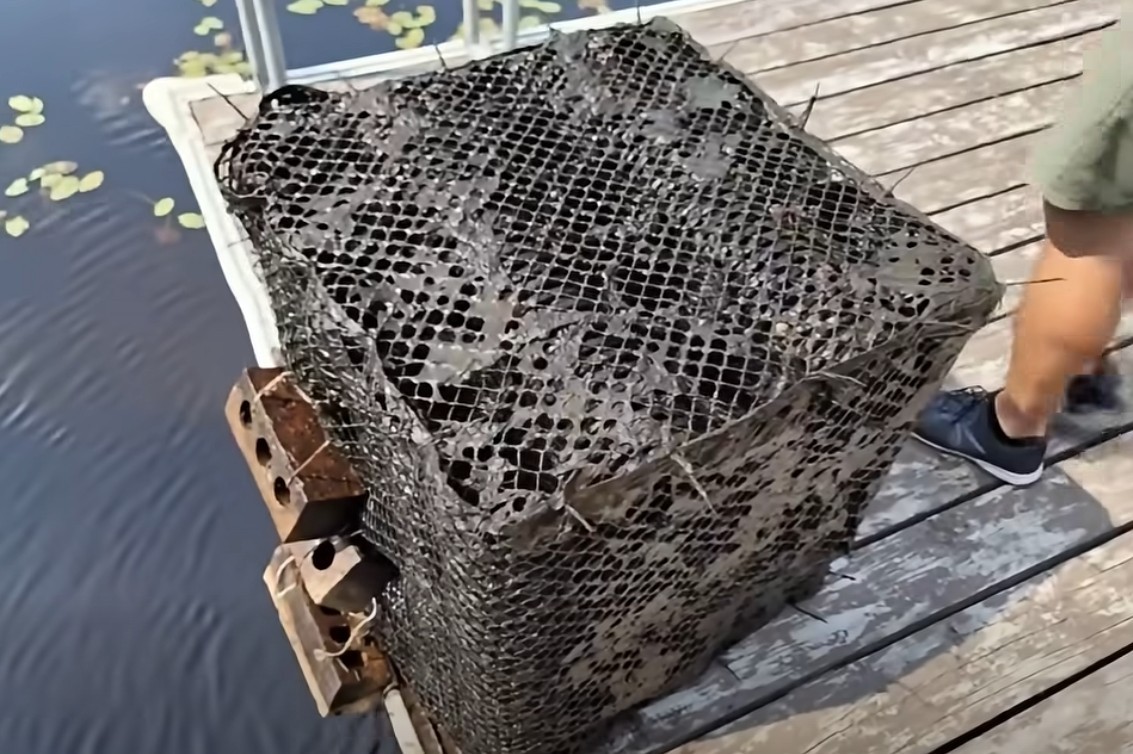
Why Fish Cribs Are Placed at the Bottom of Lakes
Lakes can appear calm and featureless from shore, yet the conditions below the surface are far more complex. Fish depend on a mix of depths, plants, rocks, fallen trees, and sheltered spaces throughout their lives. In lakes where natural underwater cover is limited, fisheries agencies and lake stewardship groups may install fish cribs: carefully placed structures designed to provide habitat near the lake bottom.
A fish crib is generally a weighted wooden framework filled with brush, logs, branches, or other approved materials. It creates a three-dimensional network of openings where fish can rest, avoid larger predators, find prey, and move through sheltered water. These structures are often called fish attractors because anglers may find fish nearby. However, the conservation purpose is broader than concentrating fish in one fishing location. When used appropriately, fish cribs can supplement missing habitat and increase structural diversity in a lake or reservoir.
The benefits of fish cribs are not automatic. A structure that attracts fish may simply gather individuals that were already present elsewhere. In other settings, especially where juvenile fish lack refuge, added cover may contribute to improved survival. Fisheries professionals therefore consider water depth, oxygen levels, seasonal conditions, lake-bottom stability, natural habitat, target species, and local regulations before deciding whether a crib is suitable.

What Are Fish Cribs?
Fish cribs are submerged habitat structures, traditionally made from wood and brush. A common design uses a square or rectangular timber frame weighted with rocks and packed with branches. Once submerged, the branching material creates gaps of many sizes. Tiny fish and aquatic invertebrates can use the tight interior spaces, while larger fish may occupy the edges or patrol nearby water.
The term can describe several related forms of fish habitat enhancement. Depending on the lake and the project goals, managers may use brush piles, anchored logs, woody debris bundles, rock structures, artificial reefs, or manufactured habitat units designed for freshwater use. The best design depends on the type of cover that is missing and the fish communities present in the waterbody.
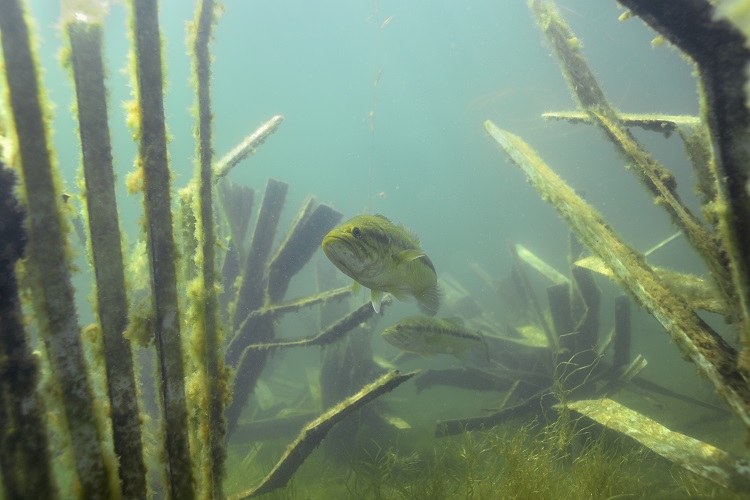
Natural wood is an important habitat feature in many lakes, rivers, and wetlands. Fallen trees and submerged branches create complex spaces that are difficult to replicate with a smooth lakebed. They can provide refuge from predators, surfaces for algae and biofilm, and habitat for insects and other small animals. These organisms form part of the aquatic food web and can become prey for fish.
Fish cribs attempt to restore some of this complexity where shorelines have been developed, where fallen trees have historically been removed, or where reservoirs have limited natural woody cover. They are generally placed on the bottom because the lakebed provides a stable base and allows the structure to remain in a predictable location. Proper anchoring is essential to prevent movement during storms, changing water levels, or strong currents.
Why Underwater Cover Matters for Fish Habitat
Fish habitat is more than open water. Different species and life stages need different conditions. Young fish often need shallow or moderately deep areas with vegetation, woody cover, rocks, or other shelter. Adult fish may use deeper water at certain times of year but still move toward cover to feed, rest, or avoid disturbance.
Cover can be especially valuable for smaller fish. A dense brush structure contains narrow openings that may be inaccessible to larger predators. This does not make young fish completely safe, but it can create opportunities to escape and reduce exposure in areas that would otherwise be open. The spaces around a crib can also support aquatic insects, crustaceans, and other invertebrates that fish eat.
For larger predatory fish, a fish crib may serve as a feeding location because smaller fish congregate near structure. This relationship is a natural part of lake ecology. Habitat projects are not intended to create a simple “more fish equals better fishing” outcome. Instead, their value depends on whether they strengthen the overall habitat network and support a balanced fish community.
Structural diversity is particularly important in lakes with broad, uniform bottoms. A lakebed made mostly of silt, sand, or mud may offer few places for fish to hide or forage. Adding a limited number of approved structures can create distinct habitat patches. Fish may use those patches differently across seasons, water temperatures, and stages of their life cycle.
Why Fish Cribs Are Placed at the Bottom of Lakes
Fish cribs are placed on the bottom of lakes for practical and ecological reasons. First, the bottom offers a foundation for a weighted structure. A crib that is securely anchored is less likely to drift, float, or become a hazard to navigation. Second, fish often use habitat features positioned close to the lakebed, particularly when those features create sheltered routes between shallow and deeper water.
Placement depth is one of the most important parts of a habitat project. Water conditions can change significantly with depth, particularly in stratified lakes during warm months. In some lakes and reservoirs, deeper water may lose dissolved oxygen as summer progresses. Fish require adequate oxygen, so a crib located in poorly oxygenated water may be unavailable when temperatures are high.
For that reason, fisheries biologists examine local conditions before choosing a location. They may review depth maps, water-quality data, temperature patterns, seasonal oxygen levels, bottom composition, shoreline access, and water-level fluctuations. A site that appears ideal during one season may be unsuitable at another time of year.
Lake-bottom conditions also matter. Soft sediment may not support certain structures as effectively as firmer substrates. A crib may need additional ballast or a different design to remain stable. In reservoirs, annual drawdowns can expose structures that were intended to remain underwater, so managers must account for normal changes in water level.
Public safety is another essential consideration. Fish habitat structures should not interfere with boat traffic, swimming areas, docks, water intakes, or other lake uses. Many agencies maintain rules governing what may be placed in public waters. Permits or written authorization may be required, and unauthorized materials can create environmental or navigational problems.
Fish Attraction Versus Fish Production
One of the most important questions about fish cribs is whether they increase fish populations or simply attract fish already living in the lake. These outcomes are not the same.
When fish gather around a new structure, the immediate result is called attraction. The crib may make fish easier to observe, survey, or catch because it concentrates activity in one area. Anglers often recognize this effect, which is why agencies sometimes publish maps of approved fish attractors. Attraction can be useful for fishing access and can show that fish are using the habitat.
Production, by contrast, refers to an increase in the number or survival of fish supported by the lake. A habitat structure may contribute to production if it provides shelter that improves juvenile survival, supports food resources, or fills a meaningful shortage of cover. Demonstrating this effect requires more than observing fish at the crib. Researchers need to compare information across the lake and over multiple seasons or years.
Scientists and fisheries managers may use electrofishing surveys, netting surveys, underwater observations, angler reports, tagging studies, population sampling, and habitat assessments to understand how fish respond. They may look at species composition, fish size, juvenile abundance, growth, survival, and use of nearby habitat. Results can vary substantially among lakes.
This distinction explains why habitat enhancement should be part of a larger management plan rather than a stand-alone solution. Fish populations are influenced by water quality, fishing pressure, invasive species, spawning habitat, shoreline development, nutrient pollution, aquatic vegetation, temperature, and natural predator-prey relationships. A crib can address one habitat limitation, but it cannot resolve every challenge facing a lake.
Natural Shorelines and Existing Habitat Remain Essential
Fish cribs are most useful when they address a documented habitat gap. They are not a replacement for protecting healthy shorelines, wetlands, aquatic plants, or naturally fallen trees. In many lakes, these natural features provide extensive habitat that is more connected and ecologically varied than any individual artificial structure.
Native shoreline vegetation can help reduce erosion, filter runoff, shade nearshore water, and support insects that become food for fish and wildlife. Aquatic plants also provide nursery habitat and cover for many freshwater species. Large woody material, including logs and branches that enter the water naturally, can create complex habitat along the shore.
In some places, people remove woody debris because it appears untidy or because it complicates boating. While safety concerns must be addressed, widespread removal of natural cover can reduce habitat complexity. Fisheries agencies often encourage lake residents to consult local specialists before clearing submerged trees or undertaking shoreline modifications.
A practical conservation approach starts by protecting what is already functioning well. If a lake has abundant native vegetation, stable shorelines, natural wood, and suitable water quality, habitat protection may provide greater long-term value than adding cribs. Where those features are scarce, approved habitat structures may help restore diversity without replacing the need for broader conservation measures.
How Fish Cribs Can Support Anglers and Lake Communities
Fish cribs can also have educational and recreational value. A mapped fish attractor gives anglers a clear example of how fish relate to underwater structure. For beginners, learning to fish around a brush pile, submerged log, or rock feature can make lake ecology easier to understand. It demonstrates that fish do not occupy every part of a lake in the same way.
Many habitat projects involve partnerships among fisheries agencies, conservation organizations, lake associations, volunteer groups, and local anglers. These collaborations can build awareness of water quality, shoreline stewardship, invasive species prevention, and responsible recreation. They can also improve project documentation, ensuring that structures are installed legally and recorded accurately.
Public maps and location information should be used responsibly. Anglers should follow local fishing regulations, respect private property, avoid damaging shoreline vegetation, and observe boating safety requirements. A fish crib is a habitat feature, not a guarantee of catch success, and excessive pressure on a small area can undermine management goals.
Best Practices for Fish Crib Projects
Individuals or groups interested in installing fish habitat should begin by contacting the relevant fisheries, natural resources, or waterway authority. Requirements differ by jurisdiction, and officials can identify whether permits, site inspections, approved materials, or environmental reviews are necessary.
Projects should use clean, durable, approved materials. Dumping household debris, treated lumber, tires, metal objects, plastic materials, or unapproved waste into a lake is not a habitat project and may be illegal. Such materials can pose risks to water quality, wildlife, swimmers, and boaters. Purpose-built structures and natural woody materials should only be used when local regulators approve them.
Monitoring is equally important. Recording installation locations, depths, materials, dates, and observed use can help agencies evaluate the project. Long-term monitoring helps distinguish temporary attraction from meaningful habitat benefits and can guide future restoration efforts.
Fish Cribs as One Tool in Lake Conservation
Fish cribs are placed at the bottom of lakes because they can add stable, complex underwater cover where natural habitat is limited. Their branches, logs, and protected spaces may offer refuge for small fish, feeding opportunities for larger fish, and surfaces that support aquatic life. Yet their effectiveness depends on thoughtful design, suitable placement, proper authorization, and an understanding of the lake’s wider ecology.
The presence of fish around a crib is encouraging, but it does not by itself prove that the lake’s fish population has increased. The most successful projects are guided by local data and combined with efforts to protect water quality, native vegetation, wetlands, natural shorelines, and existing woody habitat. In that context, a fish crib can be a useful addition beneath the surface: a small but purposeful part of a healthier lake ecosystem.
Sources
Disclaimer: This content is intended for entertainment purposes only and is not based on real events.