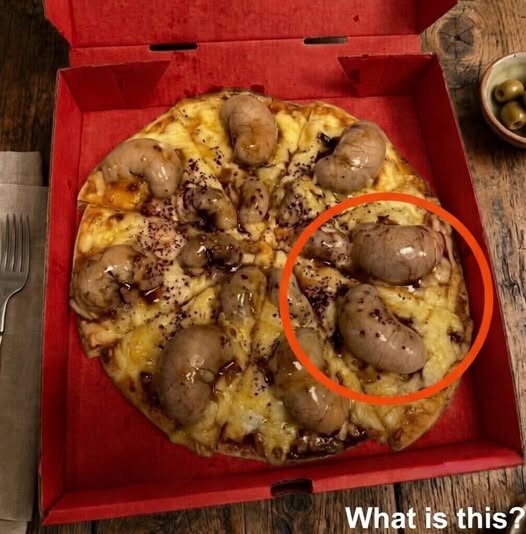
A pizza can look unexpectedly different when it arrives with smooth, shiny bubbles rising across the cheese. The crust may be golden, the toppings may appear fresh, and the aroma may be familiar, yet the raised domes can make an otherwise ordinary meal seem questionable. For many people, food is judged first by appearance, so an unfamiliar change in texture or shape can naturally create hesitation.
In most cases, however, bubbles on melted pizza cheese are a normal result of baking. They develop through a combination of high heat, moisture, steam, trapped gases, dough expansion, and the melting behavior of cheese. Far from being an automatic warning sign, these bubbles often show that the pizza has been exposed to the intense temperatures needed to bake dough and melt cheese quickly.
Understanding why pizza bubbles form can make the experience less mysterious. It also offers a useful reminder that food can change dramatically during cooking without becoming unsafe or spoiled. From the chemistry of mozzarella to the physics of steam, pizza provides a simple example of how ingredients react when heat is applied.
What Are the Bubbles on Pizza Cheese?
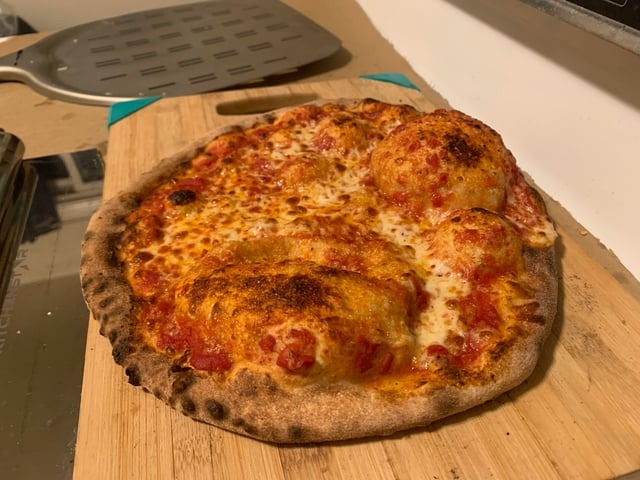
The raised bubbles seen on a pizza are usually pockets of steam or hot air beneath the surface of melted cheese. They may appear as small glossy blisters, larger dome-shaped areas, or uneven sections that rise above the rest of the topping. Some collapse shortly after the pizza comes out of the oven, while others remain visible until the first slice is served.
These bubbles are especially common on pizzas baked at high temperatures, including pizzas cooked in commercial deck ovens, conveyor ovens, and wood-fired ovens. Pizza ovens often operate at temperatures substantially higher than a typical home oven. At these temperatures, heat quickly changes the structure of dough and cheese, causing water to turn into steam and gases to expand.
The appearance of the bubbles can vary widely. A thin layer of cheese may form small, scattered blisters. A thicker layer may create larger pockets because it provides more material for steam and air to lift. Toppings, sauce distribution, baking time, and the position of the pizza in the oven can also affect how the cheese looks.
How Heat Creates Steam and Air Pockets
Pizza dough contains water, and most cheeses used on pizza also contain a significant amount of moisture. When the pizza enters a hot oven, this water begins to heat. As temperatures rise, some of the moisture turns into steam. Steam occupies much more space than liquid water, so it pushes outward as it forms.
At the same time, small pockets of air already exist in pizza dough. Dough is mixed, kneaded, fermented, stretched, and shaped before it is baked. During fermentation, yeast produces carbon dioxide, which helps create the dough’s airy structure. Although much of that gas changes or escapes during handling and baking, some air spaces remain within the dough.
As the pizza bakes, expanding gases from the dough and steam from moisture can push against the cheese layer above. Melted cheese is flexible enough to stretch temporarily, allowing a bubble to form. Once the steam escapes or the pizza cools slightly, the bubble may deflate. This is why a pizza can look especially bubbly when first removed from the oven but flatter a few minutes later.
The Role of Mozzarella and Other Pizza Cheeses
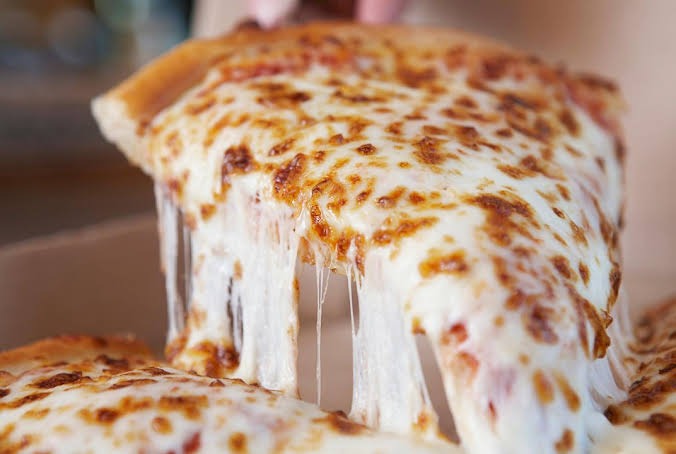
Mozzarella is one of the most common pizza cheeses because it melts well, stretches easily, and develops a mild flavor that works with many toppings. Its behavior in the oven is closely related to its water content, protein structure, and fat content. Fresh mozzarella generally contains more moisture than low-moisture mozzarella, so it can release more water and steam during baking.
Low-moisture mozzarella is widely used by pizzerias because it melts consistently and is less likely to make a pizza watery. Even so, it still contains enough moisture for steam pockets and surface blisters to form. Fresh mozzarella can create a different appearance, including wetter patches, small pools of moisture, or more pronounced bubbles, particularly if it is added in generous pieces.
Cheese blends may also influence bubbling. Provolone, Monterey Jack, cheddar, parmesan, and other cheeses have different melting properties. Some brown more easily, some release more oil, and some develop a firmer surface. A blend can therefore produce an uneven, textured finish that looks different from the smooth blanket of cheese many people expect from a standard pizza.
Oil released from cheese during baking can also contribute to a glossy surface. This does not necessarily mean the pizza is undercooked or poor quality. Cheese naturally contains fat, and heat can separate some fat from the protein network as the cheese melts. The result may be a shiny surface around bubbles or browned spots.
Why Pizza Dough Can Affect the Cheese Surface
Although bubbles are visible on the cheese, the dough underneath often plays an important part. Pizza dough continues to change rapidly during the first stage of baking. The gases within the dough expand, yeast activity briefly continues as the dough warms, and steam develops from its internal moisture. This process is sometimes called oven spring, referring to the early rise that occurs when bread or pizza dough is exposed to heat.
If part of the dough rises more strongly than the surrounding area, it can lift the sauce and cheese above it. This can create a larger bubble or a raised section across a slice. Thin-crust pizzas may show this effect differently from deep-dish or pan pizzas because the structure, hydration level, and baking method are not the same.
Uneven stretching can also matter. If dough is thinner in one area and thicker in another, heat and steam may move differently through the base. A thin section may crisp quickly, while a thicker section may hold more moisture and create a more noticeable rise. These variations are common in handmade pizzas and are often part of their distinctive character.
High-Temperature Baking and Pizza Blisters
Pizza is often baked quickly at high heat. This method helps create a crisp base, browned crust, melted cheese, and cooked toppings in a relatively short period. The speed of baking means moisture and gases do not always escape evenly. Instead, they can become temporarily trapped beneath sauce, cheese, or a rapidly setting surface.
In a very hot oven, the outside of the cheese can begin to set while moisture below it continues to heat. As steam expands, it may lift this surface into a blister. The same basic principle can occur with bread crusts, pancakes, flatbreads, and other foods that have moisture inside and a heated outer layer.
Browned or lightly charred spots are also common on pizzas baked at high temperatures. Browning develops through chemical reactions involving proteins and sugars as food heats. A small amount of browning can add flavor and visual contrast. However, excessive burning may create an unpleasant taste, so pizzerias generally aim for a balance between browning, crispness, and moisture.
Are Cheese Bubbles on Pizza Safe to Eat?
Cheese bubbles by themselves are not a reliable sign that pizza is unsafe. In a freshly prepared pizza, raised bubbles are generally a normal baking effect. They usually collapse easily when cut or bitten and may add a slightly airy or crisp variation to the texture.
Food safety should instead be assessed through practical factors such as preparation, storage, temperature, and obvious signs of spoilage. Pizza should be cooked thoroughly and served hot. Perishable foods should not be left at room temperature for extended periods. The United States Department of Agriculture advises refrigerating perishable food within two hours, or within one hour when the ambient temperature is above 90 degrees Fahrenheit, or about 32 degrees Celsius.
If pizza has an unusual sour odor, visible mold, an unexpectedly sticky texture after storage, or other clear signs of spoilage, it should not be eaten. Those issues are separate from ordinary bubbles created during baking. When in doubt about food that has been stored improperly or appears spoiled, the safest choice is to discard it.
Why an Unusual Appearance Can Cause Concern
People often rely on visual cues to decide whether food is appealing and safe. A smooth, evenly melted cheese layer may feel familiar because it matches a common expectation of how pizza should look. When bubbles appear, that expectation is interrupted. The reaction is understandable, especially when a meal has been delivered and the customer did not see how it was prepared.
Yet cooking is not a perfectly uniform process. Ingredients vary from batch to batch, ovens have hotter and cooler zones, and pizzas are assembled by hand or processed at high speed. Even two pizzas made from the same recipe can emerge with different textures and patterns. A cheese bubble is often simply evidence of this natural variation.
Learning the basic science behind food can help distinguish a harmless difference from a genuine concern. In this case, the explanation is straightforward: heat changes water into steam, gases expand, dough rises, and melted cheese can stretch over those forces. What first appears strange may be an ordinary result of the oven doing its job.
How Pizzerias Can Reduce Excessive Bubbling
While cheese bubbles are normal, pizza makers may take steps to limit unusually large bubbles or uneven melting. Using properly drained fresh mozzarella can reduce excess moisture. Applying cheese in an even layer can help prevent thick patches from trapping large amounts of steam. Some kitchens also adjust baking temperatures, conveyor speed, or pizza placement to improve consistency.
Dough preparation matters as well. Adequate fermentation, careful stretching, and consistent portioning can help the base bake more evenly. Pizza makers may also dock dough, meaning they create small holes in it before baking, for certain styles of pizza. Docking allows steam to escape and can reduce large air pockets in the crust. However, many traditional pizza styles intentionally avoid heavy docking because an airy crust is desirable.
These choices reflect style as much as science. A hand-stretched artisan pizza may naturally have more variation than a highly standardized product. Neither approach is automatically better; they simply create different eating experiences.
A Small Lesson in Everyday Food Science
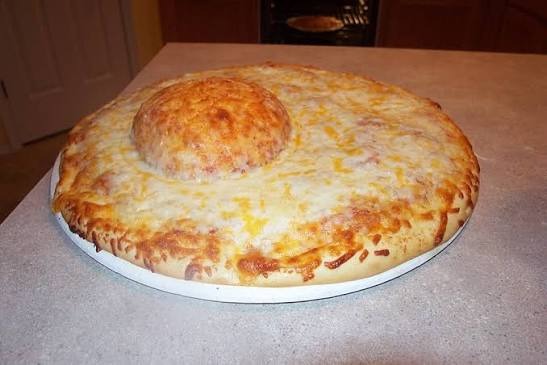
A bubbly cheese surface can transform a routine pizza meal into a moment of curiosity. At first, the unfamiliar appearance may suggest that something has gone wrong. A closer look at baking science shows otherwise. Moisture turns to steam, gases expand in the dough, cheese melts and stretches, and temporary pockets form beneath the surface.
For most freshly cooked pizzas, these glossy domes are harmless and normal. They do not change the flavor in a meaningful way, and they often disappear as the pizza cools or is sliced. More importantly, they show how a familiar food is shaped by the interaction of ingredients, temperature, and time.
Pizza bubbles are a useful reminder that appearance alone does not always tell the full story. Small variations in a meal can have simple, scientific explanations. By understanding those processes, diners can replace uncertainty with informed curiosity and enjoy a slice with greater confidence.
Sources
Disclaimer: This content is intended for entertainment purposes only and is not based on real events.