
Walnuts are widely recognized as a nutrient-dense food that can fit well into a balanced eating pattern. They provide unsaturated fats, plant protein, fiber, vitamins, minerals, and naturally occurring compounds called polyphenols. Research has linked regular nut consumption, including walnuts, with several potential health benefits, particularly for cardiovascular health.
However, walnuts are not a cure-all, and their effects depend on the overall diet, portion size, individual health needs, and how they are prepared. A small serving of plain, unsalted walnuts can be a practical addition to meals and snacks, while large portions or heavily sweetened and salted products may not offer the same nutritional advantages.
This guide explains what is known about walnuts, their possible benefits, important precautions, and realistic ways to include them in an everyday diet.
Walnut Nutrition: What Is in a Serving?
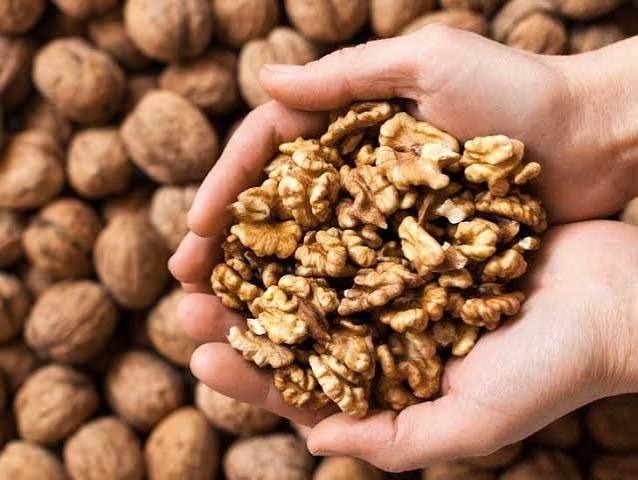
A standard serving of walnuts is about 1 ounce, or 28 grams. This is roughly a small handful, often described as 14 walnut halves. According to the United States Department of Agriculture, this portion contains around 185 calories, about 18 grams of total fat, 4 grams of protein, and nearly 2 grams of fiber.
Although walnuts are relatively high in calories, much of their fat is unsaturated. Unsaturated fats are generally considered more favorable for heart health when they replace foods high in saturated fat, such as fatty processed meats, butter, and some commercially baked foods.
Walnuts also supply several micronutrients, including copper, manganese, magnesium, phosphorus, and vitamin B6. They contain small amounts of iron, zinc, potassium, and folate as well. Their nutritional profile makes them more than a simple snack: they can contribute useful fats, minerals, and plant-based nutrients to meals.
Walnuts Are a Plant Source of Omega-3 Fat
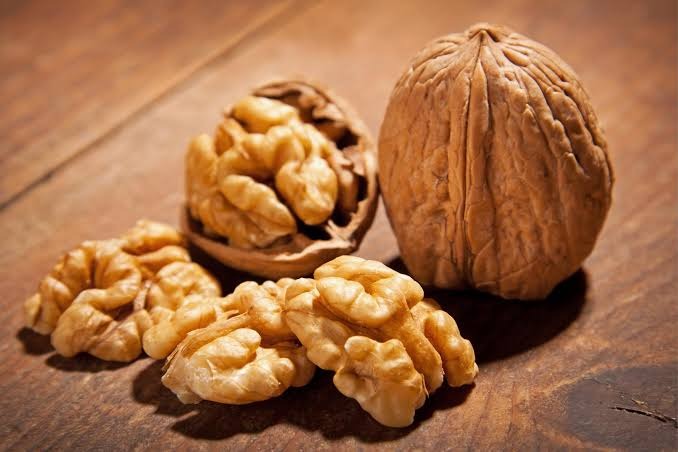
One notable feature of walnuts is their alpha-linolenic acid, or ALA, content. ALA is an essential omega-3 fatty acid, meaning the body cannot make it in sufficient amounts and it must come from food. Walnuts are among the most significant tree-nut sources of ALA.
ALA differs from the omega-3 fats found in fish and seafood, known as EPA and DHA. The body can convert a limited amount of ALA into EPA and DHA, but that conversion is relatively inefficient. For this reason, walnuts should not necessarily be viewed as a direct substitute for oily fish in people who eat seafood. Still, they are a valuable plant-based source of omega-3 fats, especially for people following vegetarian or largely plant-based eating patterns.
Research on omega-3 fats suggests they may support normal cardiovascular function as part of a healthy dietary pattern. Health professionals commonly emphasize the importance of choosing foods rich in unsaturated fats rather than focusing on a single “superfood.” Walnuts can be one useful option within this broader approach.
Potential Heart Health Benefits of Eating Walnuts
The strongest evidence around walnuts concerns heart health. Studies have found that diets including walnuts may help improve certain cardiovascular risk factors, particularly cholesterol levels. Their combination of polyunsaturated fats, monounsaturated fats, fiber, plant sterols, and polyphenols may contribute to these effects.
Low-density lipoprotein, commonly called LDL cholesterol, can contribute to the buildup of plaque in arteries when levels are elevated. Replacing some foods high in saturated fat with walnuts may help lower LDL cholesterol for some people. The U.S. Food and Drug Administration permits a qualified health claim stating that eating 1.5 ounces of most nuts per day, including walnuts, as part of a diet low in saturated fat and cholesterol may reduce the risk of heart disease. The claim also notes that nuts are high in fat and calories.
Scientific reviews and clinical trials have generally reported modest improvements in LDL cholesterol when walnuts are incorporated into healthy diets. Results vary among individuals, and no food can replace medical treatment for high cholesterol, high blood pressure, diabetes, or heart disease. Anyone prescribed medication for these conditions should continue to follow guidance from a qualified healthcare professional.
The wider dietary context remains important. Walnuts are most likely to support heart health when used to replace less nutritious foods, rather than simply being added on top of an already high-calorie diet. For example, swapping chips or pastries for a measured serving of walnuts may be more helpful than eating walnuts in addition to those foods.
Antioxidants and Plant Compounds in Walnuts
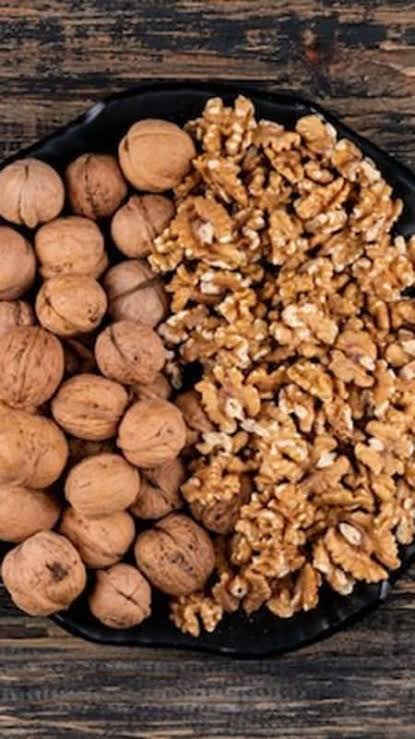
Walnuts contain polyphenols, naturally occurring plant compounds that have antioxidant activity. Antioxidants help protect cells from oxidative processes that occur naturally in the body. Nutrition researchers are interested in how polyphenol-rich foods may influence inflammation and long-term health, although the effects of individual foods are complex and cannot be reduced to one nutrient alone.
The thin, slightly bitter skin around walnut pieces contains many of these plant compounds. Removing it is unnecessary for most people and may reduce some of the nut’s naturally occurring polyphenols. The mild bitterness is normal and does not mean the walnuts are unsafe, provided they have been stored properly and do not smell rancid or show signs of mold.
It is important to avoid overstating the role of antioxidants. Eating walnuts does not “detox” the body or prevent disease on its own. Instead, walnuts can contribute to a dietary pattern rich in plant foods, including vegetables, fruit, legumes, whole grains, seeds, and nuts. This type of overall pattern has stronger scientific support than claims made about any single ingredient.
Can Walnuts Support Brain Health?
Walnuts are often discussed in relation to brain health because they contain ALA, polyphenols, vitamin E, and other nutrients involved in normal bodily functions. Some observational studies have found associations between nut consumption and better cognitive performance in older adults. However, an association does not prove that walnuts directly prevent cognitive decline or neurological disease.
Clinical research on walnuts and cognitive outcomes is ongoing. While the results are promising in some areas, experts generally agree that more high-quality research is needed before making strong conclusions about walnuts preventing memory loss or dementia. Brain health is influenced by many factors, including physical activity, sleep, social connection, blood pressure management, diabetes prevention, education, and overall nutrition.
For practical purposes, walnuts may be included in a brain-supportive eating pattern such as the Mediterranean-style diet, which emphasizes vegetables, fruit, beans, whole grains, fish, olive oil, and nuts. This approach has been studied more extensively than relying on one food to improve memory.
Walnuts, Appetite, and Weight Management
Because walnuts contain fat, protein, and fiber, they may help people feel satisfied after eating. This can make a measured portion useful as a snack or as part of a meal. Fiber adds bulk to the diet, while protein and fats can slow digestion compared with refined carbohydrates.
Despite their calorie density, nuts are not automatically linked with weight gain when eaten in appropriate amounts. Some studies suggest that people who regularly eat nuts may have better long-term weight outcomes than those who rarely eat them. Possible explanations include increased fullness, incomplete absorption of some nut calories, and the tendency for nuts to replace lower-quality snack foods.
Still, portion awareness matters. One ounce of walnuts has roughly 185 calories, and several handfuls can add up quickly. People trying to manage body weight may find it useful to measure servings rather than eating directly from a large container. Buying walnut halves or pieces in individual snack portions can also help support mindful eating.
Combining walnuts with fiber-rich foods may create a more balanced snack. Examples include plain yogurt with berries and chopped walnuts, apple slices with a small handful of walnuts, or oatmeal topped with walnuts and cinnamon. These options provide a mix of carbohydrates, protein, fats, and fiber without depending on highly processed ingredients.
Effects on Blood Sugar and Meal Balance
Walnuts contain very little sugar and relatively few digestible carbohydrates compared with many snack foods. When added to a meal containing carbohydrates, their fat, protein, and fiber may help create a slower, more balanced eating experience. This can be useful for people seeking meals that are filling and less reliant on refined grains or added sugars.
However, walnuts should not be considered a treatment for diabetes or a replacement for prescribed care. People with diabetes can discuss individual nutrition goals with their physician, registered dietitian, or diabetes educator. Portion size remains relevant because walnuts are energy-dense even though they are low in sugar.
Sleep Claims: What the Evidence Actually Shows
Walnuts contain small amounts of melatonin and the amino acid tryptophan, both of which are involved in sleep-related biological processes. This has led to interest in whether walnuts may support sleep. At present, evidence is not strong enough to say that eating walnuts reliably improves sleep for everyone.
A small serving of walnuts can be a nutritious evening snack if it suits a person’s dietary needs, but it should not be presented as a remedy for insomnia. Persistent difficulty sleeping, loud snoring, excessive daytime tiredness, or breathing interruptions during sleep should be discussed with a healthcare professional.
Possible Risks and Precautions
Tree-nut allergy is the most important safety consideration. Walnuts can cause allergic reactions in people with a tree-nut allergy, and reactions may be serious. Anyone who has experienced symptoms after eating walnuts or other nuts should seek medical advice. People diagnosed with a walnut or tree-nut allergy should avoid the food and carefully read ingredient labels, including labels on baked goods, sauces, snack mixes, and prepared foods.
Walnuts may also cause digestive discomfort for some people when eaten in large quantities. Their high fat and fiber content can lead to bloating, stomach upset, or changes in bowel habits in sensitive individuals. Starting with a small serving and drinking enough water may help people assess their tolerance.
Storage is another practical concern. The unsaturated fats in walnuts can become rancid when exposed to heat, light, and air for extended periods. Store walnuts in an airtight container in the refrigerator for several months or in the freezer for longer storage. Walnuts that have an unpleasant paint-like, sour, or stale smell should be discarded.
How to Add Walnuts to a Balanced Diet
Plain, raw, or dry-roasted unsalted walnuts are usually the simplest choices. Flavored varieties can contain substantial amounts of added salt, sugar, or oils, so checking the nutrition label is worthwhile.
Easy ways to use walnuts include sprinkling them over oatmeal, salads, or roasted vegetables; blending them into pesto; adding them to whole-grain baking; mixing them into yogurt; or using crushed walnuts as a topping for soups and grain bowls. They can also add texture to lentil dishes, vegetable-based pasta sauces, and homemade trail mixes.
For many adults, about one ounce per day is a reasonable starting portion, though individual calorie and nutrition needs differ. A registered dietitian can offer personalized guidance for people with medical conditions, food allergies, digestive concerns, or specific weight-management goals.
The Bottom Line on Eating Walnuts
Walnuts are a nutritious food with evidence-based advantages, particularly as part of a heart-conscious dietary pattern. They offer plant-based omega-3 ALA, unsaturated fats, fiber, protein, minerals, and polyphenols. Regularly choosing a modest portion of walnuts in place of less nutritious snacks may support healthy cholesterol levels, fullness, and overall diet quality.
The benefits are best understood in context. Walnuts do not replace medication, guarantee better memory, or solve sleep problems, but they can be a valuable component of balanced meals. Choosing plain walnuts, watching portion sizes, storing them correctly, and avoiding them when an allergy is present are practical steps for enjoying them safely.
Sources
Disclaimer: This content is intended for entertainment purposes only and is not based on real events.