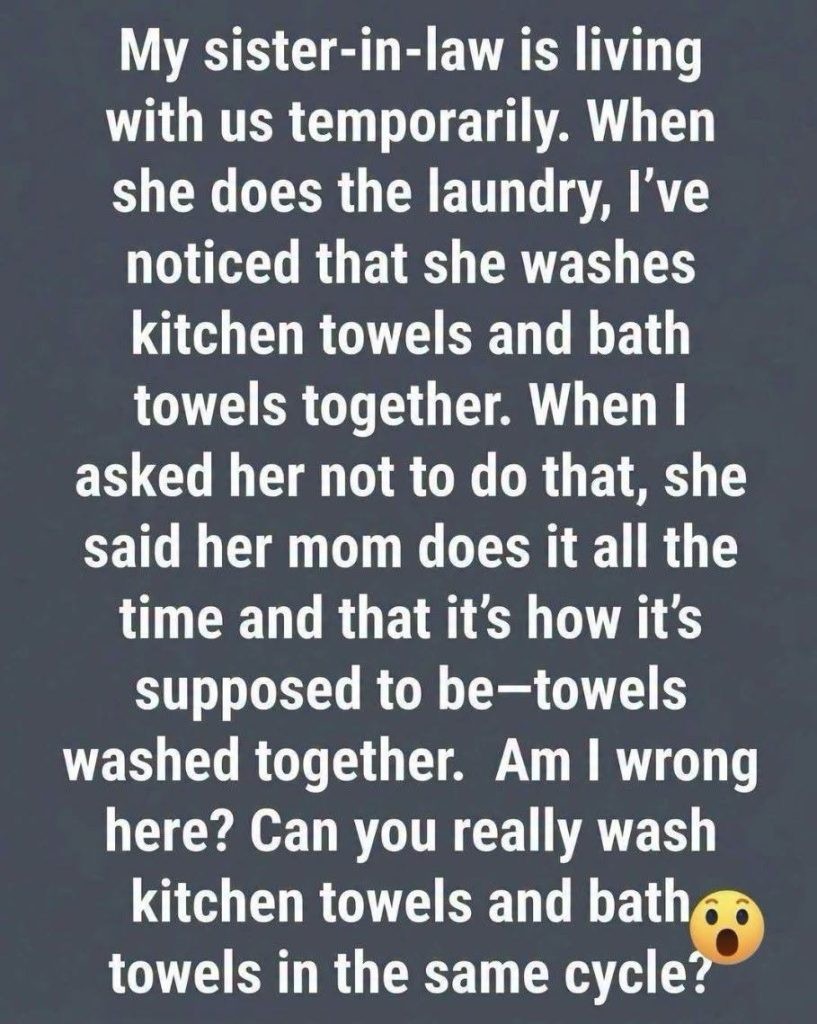
Can You Wash Kitchen Towels and Bath Towels Together?
Kitchen towels and bath towels do not always need to be washed in separate loads. In many households, lightly used kitchen towels can be laundered with bath towels when the fabrics, colours, and care labels are compatible. The more important question is not where a towel was used, but what it was used for and how soiled it has become.
A towel used only to dry freshly washed dishes or clean hands is different from a cloth used to wipe up food spills, clean greasy surfaces, or handle residue from raw ingredients. Likewise, a bath towel used after a shower has a different type of soil from a kitchen cloth, but both can hold moisture, body oils, skin cells, and microorganisms if they remain damp for long periods.
The practical approach is to sort towels by their condition and intended wash settings. Clean or lightly used towels may often share a load. Heavily soiled kitchen cloths, cleaning rags, and towels exposed to raw meat or poultry juices should be washed separately from personal towels and clothing. Good detergent use, an appropriate wash cycle, and complete drying are central to keeping household linens clean and fresh.
When Can Kitchen Towels and Bath Towels Be Washed Together?
It is generally reasonable to wash kitchen towels with bath towels when the kitchen towels have been used for low-risk tasks and are not visibly soiled. Examples include towels used to dry clean dishes, handle dry cookware, or dry hands after ordinary handwashing. If the towels are made from similar materials, such as durable cotton, and their care labels recommend comparable settings, combining them can be a convenient and efficient option.
Before placing towels in the same machine load, consider three basic factors: the level of soil, the type of fabric, and the colour. A white cotton dish towel and white cotton bath towels may be suitable for the same warm or hot wash if the care labels permit it. However, a delicate decorative kitchen towel, a microfiber cleaning cloth, or a brightly coloured towel that may bleed dye should be washed according to its own instructions.
Combining lightly used towels can also help households run fuller, more efficient laundry loads. However, a full load should still leave enough room for water and detergent to circulate through the fabrics. Overloading a washing machine can reduce cleaning performance, leave detergent behind, and make towels more difficult to rinse thoroughly.
Why Kitchen Towels Can Require Extra Care
Kitchen towels often perform several jobs throughout the day. They may dry hands, clean counters, absorb spills, hold hot pans, or wipe dishes. This frequent use means they can collect food particles, moisture, grease, and residues from food preparation. When towels stay wet or bunched up, microorganisms can multiply more readily than they would on a dry fabric.
Food-safety guidance commonly advises people to use clean towels and to wash reusable cloths regularly, particularly after they have been used around food preparation areas. The U.S. Department of Agriculture notes that dishcloths and towels can be a source of cross-contamination when they are not cleaned or replaced often enough. This does not mean every kitchen towel is unsafe to place with bath linens, but it does mean that a towel’s use matters.
Households can simplify this decision by assigning separate purposes to their kitchen textiles. For example, one towel can be reserved for drying clean dishes, another for drying hands, and disposable paper towels or designated washable cloths can be used for spills involving raw food. This routine makes it easier to identify which items belong in a standard towel load and which need prompt, separate laundering.
When You Should Wash Kitchen Towels Separately
Some kitchen towels should not be mixed with bath towels. Separate washing is the more cautious choice when a cloth has been used to clean up raw meat, poultry, seafood, eggs, or their juices. The same applies to towels with visible food residue, strong odours, grease, cleaning chemicals, or heavy stains. These items should be handled as kitchen cleaning laundry rather than as ordinary household towels.
Washing heavily soiled cloths separately reduces the possibility that food residue or grease will transfer to other fabrics during the wash. It also lets you choose the cycle and temperature most appropriate for those items, provided the manufacturer’s care label allows it. A separate load can be particularly useful when there are vulnerable people in the home, such as older adults, infants, or people with weakened immune systems, because careful cleaning routines become even more important.
It is also sensible to separate towels used for cleaning bathrooms, pet areas, floors, or other household surfaces. Although laundry detergent and washing action are designed to remove soil, keeping heavily contaminated cleaning rags apart from personal towels is a straightforward hygiene practice.
How Often Should You Wash Kitchen and Bath Towels?
Washing frequency depends on how often a towel is used, how quickly it dries, and the task it performs. Kitchen towels used repeatedly for food preparation or hand drying should be changed frequently, especially if they become damp, stained, or develop an odour. A clean replacement towel is often the simplest choice after a spill involving food or after extensive kitchen work.
Bath towels can typically be used more than once if they are used by one person and allowed to dry fully between uses. A towel that remains damp in a poorly ventilated bathroom, however, may need laundering sooner. Towels should also be washed promptly after illness, after being shared by multiple people, or whenever they smell musty or feel less absorbent than usual.
There is no single schedule that fits every household. A family in a humid climate, a home with limited drying space, or a busy kitchen may need to change towels more often. The most useful rule is to avoid leaving used towels wet in a pile, laundry basket, washing machine, or closed cupboard for extended periods.
Choosing the Right Wash Temperature and Detergent
The care label should guide every wash. Many cotton towels can tolerate warm or hot washing, but temperature recommendations vary by fabric, dye, trim, and manufacturer. Higher wash temperatures can support thorough cleaning for durable towels, while cooler settings may be necessary for delicate fibres, bright colours, or towels with special finishes.
Detergent is essential because it helps lift oils, soil, and residues from fabric. Use the amount recommended for the load size, soil level, water hardness, and washing machine type. Adding more detergent than necessary does not automatically make towels cleaner; excess detergent can remain in the fibres and may contribute to stiffness or reduced absorbency if rinsing is inadequate.
If towels are heavily soiled, pretreating a stain according to the product directions may be helpful. Avoid mixing cleaning products or adding chemicals that are not intended for laundry use. In particular, chlorine bleach should never be mixed with ammonia, acids, or other household cleaners because dangerous fumes can result. When bleach is used, it should be used only as directed on both the product label and the fabric care label.
Do Not Overload the Washing Machine
Towels absorb a substantial amount of water, making them heavier than many other laundry items. Packing too many towels into the drum can prevent water and detergent from reaching all surfaces of the fabric. It may also make the machine less balanced during spinning and leave the load wetter at the end of the cycle.
For more effective laundering, place towels loosely in the machine rather than compressing them tightly. A moderately sized load allows the items to move, rinse, and spin properly. If the machine has a towel, cotton, sanitation, or heavy-duty setting, use it only when it is suitable for the fabric and the care instructions.
It can also be useful to wash lint-producing towels separately from clothes that attract lint, such as dark synthetic garments. This is not primarily a hygiene issue, but it can improve the appearance of the laundry and help keep towels performing well.
Drying Towels Thoroughly Matters
Thorough drying is as important as washing. Damp towels left in the washing machine can develop a stale or musty smell. Once washed, remove them promptly and dry them completely in a dryer or on a drying rack in a well-ventilated area. Outdoor line drying can be an energy-saving option where weather and local conditions permit.
For tumble drying, follow the towel’s care label and avoid excessive heat for fabrics that may shrink or become damaged. Do not store towels until they are fully dry. A cupboard or drawer can trap moisture if even slightly damp towels are folded and put away, creating unpleasant odours and making them less pleasant to use.
Between washes, hang bath towels spread out rather than folded over a hook. In the kitchen, hang dish towels where air can circulate and replace them when they become wet, soiled, or odorous. These small habits can make a meaningful difference in how clean and fresh towels remain.
Best Practices for Hygienic Towel Laundry
A simple towel routine can reduce uncertainty and help prevent cross-contamination in the home:
- Sort towels by soil level rather than by room alone.
- Wash lightly used kitchen towels with bath towels only when fabric care instructions are compatible.
- Wash towels used around raw foods, grease, or significant spills separately.
- Use detergent and the warmest appropriate setting allowed by the care label.
- Do not overload the washer, as towels need room to circulate.
- Dry towels promptly and completely before storing them.
- Replace kitchen towels frequently when they are damp or used repeatedly during food preparation.
- Keep bathroom cleaning cloths, floor rags, and pet-cleaning textiles out of ordinary towel loads.
The Bottom Line: Sort Towels by Use and Condition
Kitchen towels and bath towels can often be washed together, but they should not automatically be treated as identical laundry. A clean, lightly used dish towel may safely share a compatible load with bath towels. A kitchen cloth used to wipe food spills, absorb grease, or clean up after raw ingredients is better washed separately.
Following care labels, using detergent correctly, avoiding overloaded loads, and drying every item thoroughly are practical steps that support both cleanliness and towel longevity. Rather than relying on a strict rule that all kitchen and bathroom textiles must be separated, assess each towel based on what it has touched, how wet or soiled it is, and whether it can tolerate the same wash conditions as the rest of the load.
Sources
Disclaimer: This content is intended for entertainment purposes only and is not based on real events.