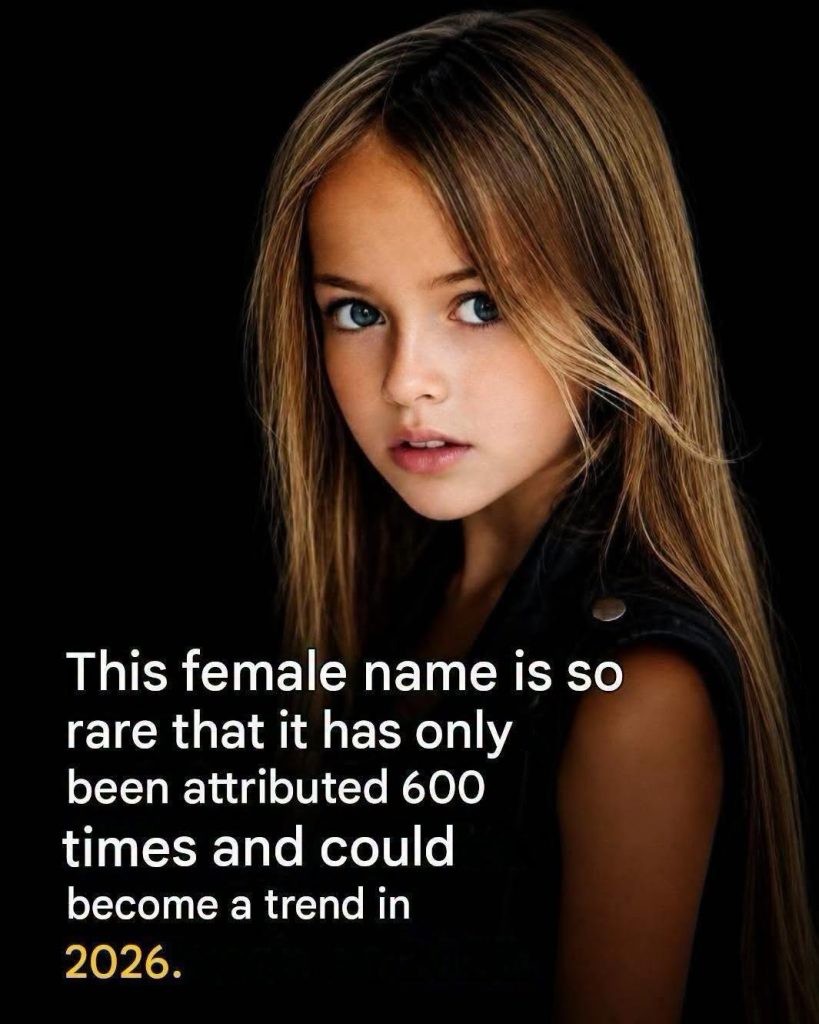
Choosing a baby name is a personal decision shaped by family history, culture, language, sound, and meaning. Among the names that have remained widely admired across generations, Sophia stands out for its elegant sound, ancient roots, and clear meaning. Used in many countries and adapted into several languages, Sophia is a name that feels both traditional and current.
The name is often associated with intelligence, thoughtfulness, grace, and timeless style. Its popularity has risen and fallen at different times and in different places, but it has remained familiar across much of Europe, North America, Latin America, and beyond. For many parents, Sophia offers a balance that can be difficult to find: it is recognizable without being tied to only one era, culture, or pronunciation.
This guide examines the meaning and history of Sophia, its global variations, its use in official baby-name statistics, and the cultural factors that have helped the name retain its appeal.
What Does the Name Sophia Mean?

Sophia comes from the ancient Greek word sophia, meaning “wisdom.” In Greek philosophy, wisdom was not simply the accumulation of facts. It could also refer to insight, sound judgment, learning, and the ability to understand important questions about life and society. This meaningful origin has given the name a strong intellectual and reflective association for centuries.
The Greek concept of wisdom was central to classical thought. The word appears in philosophical traditions connected with thinkers such as Plato and Aristotle, although the name itself later became especially prominent through religious and cultural history. As a personal name, Sophia has long suggested qualities such as discernment, knowledge, and maturity.
Names with positive meanings are often appealing to families because they can express a hope or value. A parent choosing Sophia may appreciate its sound, its international familiarity, or its connection to wisdom. These reasons can overlap, and there is no single explanation for why the name continues to resonate with so many people.
Ancient Greek Origins and Historical Background
The history of Sophia reaches back to the Greek-speaking world of antiquity. Although it began as a Greek word, its use spread widely through the influence of the Byzantine Empire, Christianity, European royal families, migration, literature, and changing naming traditions.
One important historical association is Hagia Sophia in Istanbul, whose name is commonly translated as “Holy Wisdom.” First built in the sixth century during the reign of Byzantine emperor Justinian I, the building has held major religious and cultural significance for many centuries. Its name reflects the theological concept of divine wisdom rather than a specific person named Sophia, yet it helped keep the Greek word familiar across a wide geographic area.
Sophia also became established in Christian naming traditions. Several saints and historical religious figures are associated with the name, contributing to its use in Eastern Orthodox, Roman Catholic, and other Christian communities. Over time, the name moved across Europe through local languages and royal courts.
In European history, Sophia and related forms were used by aristocratic and royal families, particularly in German-speaking, British, Russian, and Scandinavian contexts. Royal usage does not alone explain a name’s modern popularity, but it can help preserve a name’s prestige and visibility. The name’s long record in historical documents also gives it a sense of continuity that many parents value.
Sophia, Sofia, Sophie, and Other International Variations
One reason for Sophia’s enduring international appeal is its adaptability. The core sound and meaning have traveled well between languages, while each culture has developed its own spelling, pronunciation, or familiar form. These variations allow families to choose a version that suits their linguistic background.
Sophia is widely used in English-speaking countries and is also common internationally. Sofia is another major spelling and is especially familiar in Spanish, Italian, Portuguese, Scandinavian, Slavic, and many other language communities. In Spanish, it may be written as Sofía, with an accent indicating stress. Sophie is a well-known French and English form, while Sofie appears in several northern European languages.
Other related forms include Sonja or Sonya, which developed from Russian diminutives associated with Sofia, as well as Zsófia in Hungarian. Pronunciation varies. English speakers often say Sophia with a long “ee-a” ending, while other languages may place the stress differently or use a shorter final vowel sound.
These forms are connected by history, but baby-name records generally count them separately. This is important when discussing popularity. A ranking for Sophia does not necessarily include Sofia, Sophie, Sofía, or other related spellings. As a result, claims about how many children worldwide have a particular name should be treated carefully unless the underlying data clearly explains the country, year, spelling, and method used.
How Popular Is the Name Sophia?
Sophia has been one of the most popular girls’ names in several countries during the twenty-first century. In the United States, the Social Security Administration’s annual baby-name data shows that Sophia spent many years near the top of the national rankings. It was the number-one name for girls in the United States from 2011 through 2013, reflecting a period of especially strong national interest.
Even when a name moves down in the rankings, that does not mean it has become rare. Rankings measure relative position, not only the number of babies given a name. A name can fall a few places because other names gained popularity, while still being chosen by thousands of families. The number of births in a country, the diversity of names in use, and changing preferences all affect these lists.
In England and Wales, official data from the Office for National Statistics has also shown Sophia among commonly registered names in recent years, though rankings change annually. Sofia has appeared prominently in name lists in a range of European countries as well. Because national registration systems differ, comparisons between countries should be made with care.
There is no single official worldwide database that tracks every baby name across all nations. Many countries publish national or regional records, while others publish limited information or use different methods. Therefore, broad statements such as “only a small number of girls are named Sophia worldwide” are usually not reliable unless they are supported by transparent, comprehensive evidence. The available official records instead show that Sophia and its close variants have enjoyed substantial and continuing use in many places.
Why Sophia Has Such Lasting Appeal
The long-term appeal of Sophia is likely the result of several factors rather than one simple trend. First, the meaning is widely positive and easy to explain. “Wisdom” is a value recognized across cultures and belief systems, which helps the name feel significant without being overly specific.
Second, Sophia has a sound that many people perceive as gentle and balanced. It begins with a soft consonant, includes open vowel sounds, and ends with a flowing rhythm. Preferences for name sounds are subjective, and no scientific standard can establish one name as universally more beautiful than another. Still, names with clear pronunciation and a melodic structure often travel easily across languages.
Third, the name works at different stages of life. Some parents look for a name that sounds suitable for a child but also feels professional and established in adulthood. Sophia can be shortened informally to Sophie, Soph, Fia, or other family nicknames, while the full form remains formal and recognizable.
Its versatility also contributes to its appeal. Sophia fits comfortably beside traditional surnames, contemporary names, and a wide range of middle names. It is familiar enough that many people know how to spell and pronounce it, yet it offers choices through international variants such as Sofia and Sophie.
Culture, Media, and the Visibility of Sophia
Popular culture can influence naming trends, although it is rarely the only reason a name becomes popular. Well-known actors, writers, athletes, fictional characters, and public figures named Sophia or Sofia have helped maintain the name’s visibility. Examples include Italian actor Sophia Loren, whose international career made her name recognizable far beyond Italy, and numerous contemporary public figures who use related spellings.
Media exposure can make a name feel familiar to a new generation of parents. However, the history of Sophia shows that its popularity cannot be attributed to a single celebrity, television series, or social-media trend. The name was in use long before modern entertainment and has remained relevant because of its deep linguistic and cultural roots.
In many communities, Sophia is also chosen to honor a relative or connect a child with family heritage. A family with Greek, Italian, Spanish, Russian, French, or Eastern European roots may select a form of the name that reflects its language and traditions. This ability to bridge heritage and modern use is one of Sophia’s distinguishing strengths.
Things to Consider Before Choosing Sophia
Popularity can be both an advantage and a consideration. A widely used name is often easy for others to recognize, spell, and pronounce. It may also connect a child to a name with a rich shared history. At the same time, parents who prefer a more unusual name may find that Sophia is too familiar in their local area or social circle.
Checking recent official baby-name data can help families understand how common the name is where they live. It is useful to review Sophia alongside Sofia, Sophie, and other variants, since all may be common in the same community. Local trends can differ substantially from national rankings.
Families may also want to consider pronunciation. In multilingual households, Sophia may be pronounced differently by relatives who speak different languages. For some parents, this flexibility is a benefit. For others, selecting a specific spelling or accent mark may help signal the preferred pronunciation and cultural connection.
Ultimately, a name does not determine a child’s personality, achievements, or future. The traditional meaning of Sophia may be inspiring, but it should be understood as cultural symbolism rather than a prediction. A thoughtful naming decision is one that reflects the family’s values, language, and personal sense of connection.
The Enduring Legacy of the Name Sophia
Sophia remains a meaningful choice because it combines an ancient origin with a modern international presence. Its Greek meaning, “wisdom,” gives the name depth, while its graceful sound and many variations make it accessible across cultures. From historical religious traditions and European royal families to present-day birth records, Sophia has demonstrated remarkable staying power.
Its continued popularity should not be reduced to a passing trend. Although individual rankings will change over time, Sophia has the qualities of a classic name: a clear origin, a positive meaning, flexible forms, and broad recognition. Whether chosen as Sophia, Sofia, Sofía, Sophie, or another related version, the name continues to offer families a connection to history, language, and a lasting idea of wisdom.
Sources
Disclaimer: This content is intended for entertainment purposes only and is not based on real events.