Florida Private Jet Crash Report: What Can Be Verified
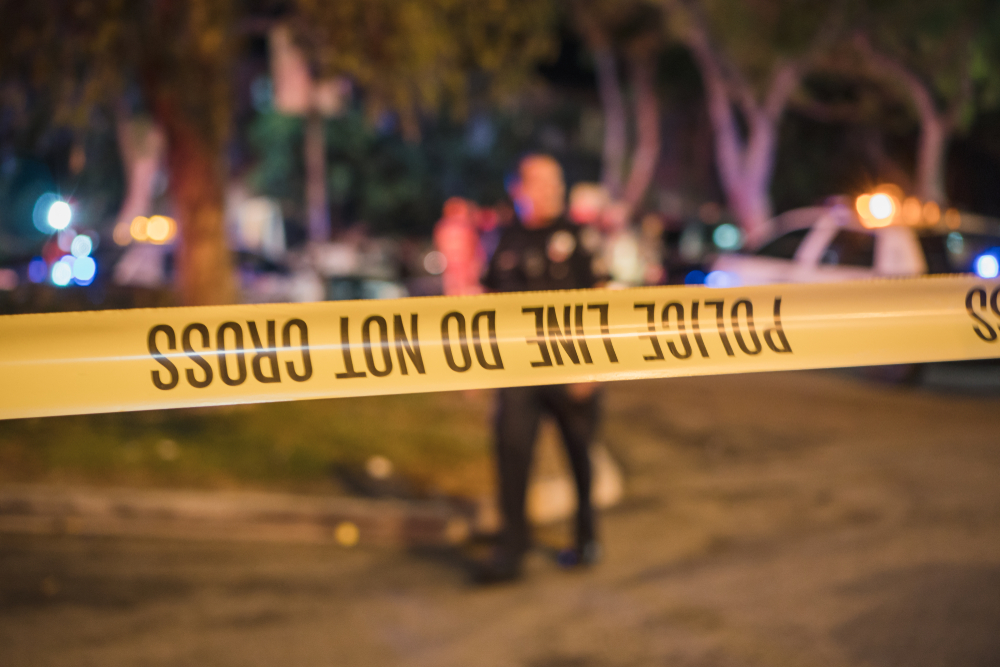
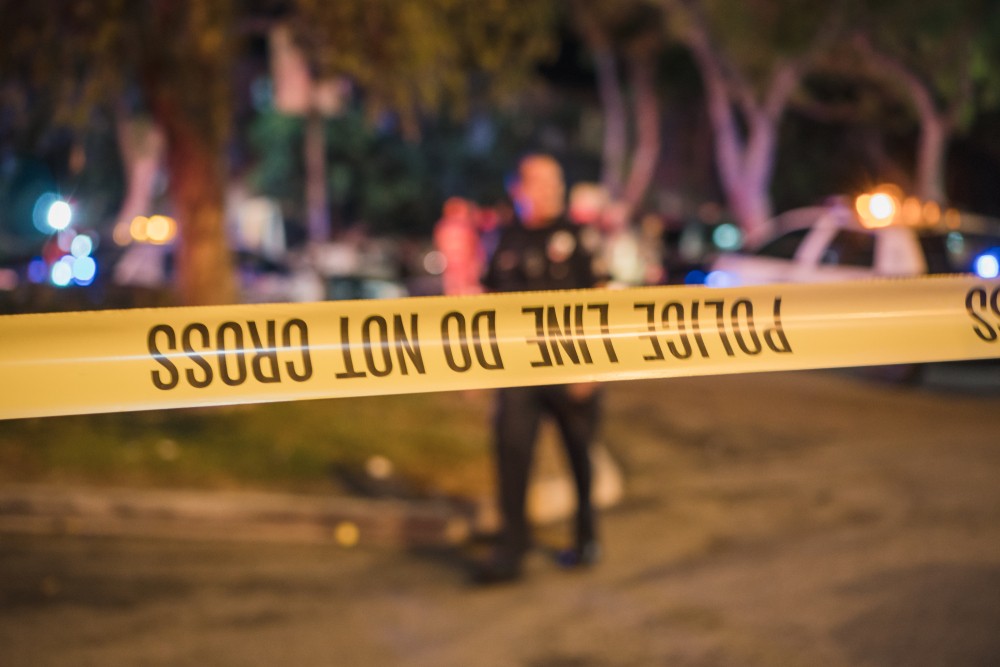
Reports circulating online about an alleged private jet crash in a Florida residential area have prompted widespread concern and debate. However, claims involving aviation accidents require careful verification through official investigators, local emergency agencies, and established news organisations before they should be treated as confirmed fact.
The draft account describes a Learjet 60 reportedly travelling from Austin, Texas, to North Eleuthera in the Bahamas before crashing near Greenacres in Palm Beach County, Florida. It also includes specific claims about people on board, weather conditions, air traffic control communications, road closures, and reactions from nearby residents.
Because the account gives a date of November 1, 2026, and does not provide a confirmed accident report from the National Transportation Safety Board (NTSB), the Federal Aviation Administration (FAA), Palm Beach County authorities, or another primary source, its details should be treated as unverified. Aviation incidents are complex events, and early accounts can contain inaccurate, incomplete, or misunderstood information.
Why Verification Matters After a Reported Aircraft Accident
In the immediate aftermath of a reported plane crash, photographs, short videos, social-media posts, and recordings can spread quickly. Such material may be authentic, but it can also be old, unrelated, cropped without context, or incorrectly linked to a new event. For this reason, aviation safety specialists and journalists generally rely on official agencies before confirming the aircraft involved, the flight route, the number of occupants, injuries, or the cause of an accident.
In the United States, the NTSB is the independent federal agency responsible for investigating civil aviation accidents. The FAA may provide information about aircraft registration, air traffic operations, and regulatory issues, while local fire rescue departments, law-enforcement agencies, airports, and emergency management offices usually provide initial public-safety updates.
Authorities often release only limited details in the first hours of an investigation. This approach helps ensure that families are notified properly, that evidence is protected, and that investigators can establish a reliable factual record. A preliminary report may take time, while a final NTSB report can take months or longer depending on the complexity of the case.
Online Debate Does Not Establish What Happened
The draft article focuses in part on online discussion about two people who were reportedly seen walking near a damaged roadway after the alleged crash. Some social-media users criticised the individuals, while others suggested they may have been local residents who left their homes unexpectedly.
Without verified information about the location, timing, and circumstances of the footage, it is not possible to draw firm conclusions about the people shown. During emergencies, residents may be displaced, confused, distressed, or following instructions from first responders. They may also lack access to personal belongings, including shoes, medication, identification, or communication devices.
Emergency management guidance consistently stresses the importance of avoiding disaster scenes unless authorities direct people to evacuate. Accident sites may contain hazards that are not immediately visible, including damaged pavement, fuel, smoke, sharp debris, downed utility lines, or restricted investigation areas. Members of the public should follow official instructions, keep clear of emergency vehicles, and use designated alternate routes.
What Investigators Examine After a Business Jet Accident
If a Learjet 60 or another business aircraft were involved in a crash, NTSB investigators would typically examine a wide range of evidence. Their task is not to assign blame in a criminal sense but to determine the probable cause and identify safety issues that could help prevent future accidents.
Investigators may assess the aircraft’s maintenance history, flight crew qualifications, dispatch records, weather briefings, air traffic control communications, radar data, aircraft performance, and the condition of the wreckage. They may also review cockpit voice recorder and flight data recorder information when those devices are installed and recoverable.
Weather can be an important area of inquiry. Pilots receive weather information from multiple sources before and during a flight, including forecasts, radar products, pilot reports, and advisories. Reports of turbulence, icing, or precipitation alone do not establish why an aircraft may have encountered difficulty. Investigators must determine the actual conditions, the aircraft’s operating limitations, crew decisions, available alternatives, and the sequence of events.
Any alleged final radio transmissions should also be handled cautiously. Air traffic control recordings can be valuable evidence, but isolated clips posted online may be incomplete or lack context. Official investigators compare communications with radar data, flight records, witness statements, and physical evidence before reaching conclusions.
How Emergency Services Respond to an Aviation Incident
Aviation emergencies in populated areas can require a coordinated response from fire rescue personnel, police, emergency medical services, public works teams, utility companies, and aviation investigators. The first priorities are rescuing survivors, protecting the public, containing fire risks, identifying hazards, and securing the scene.
Road closures are common near a crash location. They allow emergency vehicles to reach the area, help prevent additional injuries, and give investigators space to document evidence. Motorists should avoid attempting to bypass barricades or enter restricted areas. Residents should use official county, city, and law-enforcement channels for the latest information on closures, evacuation instructions, and reunification arrangements.
Officials may also establish a family assistance process after a confirmed aviation accident. Airlines, charter operators, local agencies, and federal partners can provide information and support to relatives. Responsible reporting should respect privacy and avoid publishing names until authorities confirm that next-of-kin notifications have been completed.
Business Aviation Safety and Learjet Operations
Business jets are used for corporate travel, private charter flights, medical transport, and other specialised operations. In the United States, they operate within a tightly regulated aviation system that includes pilot certification requirements, aircraft maintenance rules, air traffic control services, and operational standards set by the FAA.
The Learjet brand has played a significant role in business aviation for decades. Like all aircraft, Learjet models are subject to inspection requirements, airworthiness directives where applicable, and manufacturer-recommended maintenance procedures. Safe flight operations depend on many factors, including training, weather planning, aircraft performance, equipment condition, and sound decision-making by pilots and operators.
It is important not to speculate about an aircraft’s safety history or potential mechanical issues based solely on a reported incident. The make or model of an aircraft does not explain an accident on its own. Investigators need evidence from the specific flight and aircraft involved before determining whether maintenance, weather, operations, human factors, or another issue played a role.
How the Public Can Identify Reliable Information
For major incidents, official sources are generally the most reliable place to start. The NTSB publishes investigation updates and preliminary reports, while the FAA may issue operational information or statements related to airspace and aviation activity. Local sheriff’s offices, fire rescue services, and county governments can provide verified road and public-safety updates.
Established news organisations may also provide useful reporting when they clearly identify their sources and distinguish confirmed facts from preliminary information. Readers should be cautious with posts that use dramatic language, make claims without documentation, or rely entirely on anonymous accounts and unverified video.
Before sharing footage or claims online, people can ask several simple questions: Is the date known? Is the location confirmed? Has a public agency addressed the event? Does the post link to a primary source? Is the video being presented with context? These checks can reduce the spread of misinformation during a fast-moving emergency.
Supporting Communities After a Reported Disaster
Even when information remains uncertain, reports of a possible aviation disaster can be upsetting for residents, families, witnesses, and emergency workers. Community members can help by avoiding speculation, respecting restricted areas, and allowing first responders to carry out their work without interference.
People who have witnessed a distressing event may experience anxiety, difficulty sleeping, confusion, or heightened stress. Support can come from trusted family members, local community organisations, health professionals, and crisis resources. Those experiencing immediate emotional distress or a mental-health emergency in the United States can call or text 988 to reach the Suicide & Crisis Lifeline.
Above all, a careful and humane approach is essential. The facts surrounding any aviation accident should come from qualified investigators and public authorities, not from assumptions based on online footage or commentary. Accurate information protects affected communities, respects potential victims and their families, and supports the broader goal of aviation safety.
Sources
- National Transportation Safety Board — Aviation Investigations
- Federal Aviation Administration
- National Transportation Safety Board — Safety Recommendations
- National Weather Service — Aviation Weather Safety
- Centers for Disease Control and Prevention — Mental Health Resources
- 988 Suicide & Crisis Lifeline
Disclaimer: This content is intended for entertainment purposes only and is not based on real events.