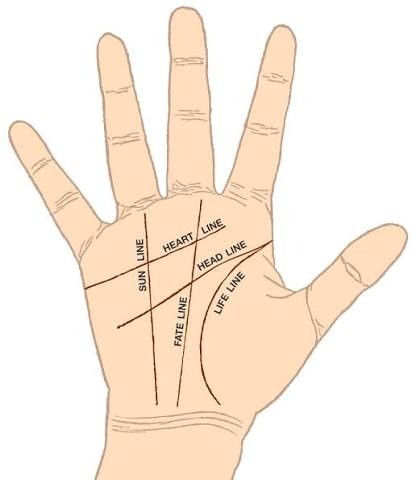
The lines on our palms are among the most recognizable features of the human hand. Some people view them simply as natural skin patterns, while others believe they carry symbolic meanings connected to personality, emotions, and life experiences.
This interpretation is known as palmistry, an ancient practice that examines the shapes, patterns, and lines of the hands. Across different cultures, palmistry has been associated with traditional beliefs about human character and personal destiny.
Although palmistry remains popular in many parts of the world, it is important to understand that its interpretations are not scientifically established methods of predicting the future. Nevertheless, learning about the traditional meanings of palm lines offers an interesting look at cultural history and symbolism.

What Is Palmistry?
Palmistry, sometimes called chiromancy, is the traditional practice of interpreting the lines and features of the hands.
Its history is associated with several ancient cultural traditions, particularly in parts of Asia and Europe. Over time, different systems of palm reading developed, each assigning symbolic meanings to particular lines, shapes, and markings.
In traditional palmistry, readers generally examine three major lines:
-
The heart line
-
The head line
-
The life line
These lines are usually among the most noticeable creases on the palm. Each has a different symbolic interpretation within palmistry traditions.
Modern science, however, explains palm creases through the natural development and movement of the hands. Their appearance does not provide a reliable way to determine someone’s personality, future, or lifespan.
1. The Heart Line: A Symbol of Emotions and Relationships
The heart line is generally the uppermost major crease on the palm. It usually runs horizontally beneath the fingers, although its length, depth, and shape vary between individuals.
In traditional palmistry, this line is associated with emotions, affection, and relationships.
Palm readers often interpret a long, clearly defined heart line as a symbol of emotional openness and a strong interest in personal connections. A shorter line may be associated with independence, while a curved line is sometimes interpreted as representing an expressive emotional nature.
Other traditional interpretations focus on whether the heart line appears straight, curved, or interrupted.
However, these descriptions belong to cultural symbolism rather than medical or psychological science. There is no established scientific evidence that the shape of someone’s heart line reveals their romantic preferences or emotional personality.
2. The Head Line: Traditionally Associated With Thinking
The head line is usually located near the middle of the palm, below the heart line. It often extends horizontally from the area between the thumb and index finger toward the outer edge of the hand.
In palmistry, this line represents intellectual abilities, decision-making, concentration, and ways of approaching problems.
Some traditional interpretations suggest that a long head line symbolizes careful thinking and an analytical approach. A line that slopes downward is sometimes associated with imagination and creativity.
A relatively straight head line may traditionally represent practical thinking and a preference for logical decisions.
An interrupted or irregular head line also has different symbolic interpretations depending on the palmistry system being used.
It is worth remembering that these descriptions should not be treated as psychological assessments. A person’s intelligence, creativity, and decision-making abilities cannot be accurately measured by examining the creases on their palm.

3. The Life Line: What Does It Really Represent?
The life line is often the most recognizable feature discussed in palmistry. It generally begins between the thumb and index finger before curving around the raised area at the base of the thumb.
Its traditional interpretation is associated with vitality, personal experiences, major life changes, and general energy.
One common misconception is that the length of the life line determines how long someone will live.
This belief is not supported by scientific evidence.
A long life line does not guarantee a longer lifespan, and a short life line does not indicate a shorter one. The line is simply a natural crease in the palm.
Traditional palmistry assigns several symbolic meanings to its appearance:
A long and clearly defined line: Sometimes interpreted as a symbol of vitality and stability.
A short line: Traditionally associated with independence or changes in personal circumstances.
A curved line: Sometimes interpreted as representing enthusiasm and an active approach to life.
An interrupted line: Often associated symbolically with transitions, changes, or new stages of life.
These interpretations vary between palmistry traditions and should be understood as folklore rather than predictions.
Do Palm Lines Change Over Time?
One interesting aspect of palmistry is the belief that the lines on the hands can change throughout a person’s life.
From a scientific perspective, palm creases can vary in appearance as the hands develop and experience changes in skin condition, flexibility, and physical activity.
The three major creases are formed during early development before birth. Their appearance can differ naturally from one person to another.
Age, skin texture, and repeated hand movements may also influence how noticeable certain creases become.
However, there is no reliable evidence that changes in palm lines correspond to specific future events or changes in personality.
Is There Really a Lucky Line on Your Palm?
Some palmistry traditions describe particular markings as symbols of good fortune, success, or positive opportunities.
These may include unusual intersections, additional lines, or distinctive patterns near the major palm creases.
The interpretation depends on the specific palmistry tradition. There is no universally accepted definition of a special lucky line.
More importantly, scientific research has not established that any palm marking can predict wealth, success, romantic relationships, or future opportunities.
The idea of a lucky line is therefore best understood as a traditional belief rather than a proven characteristic.
Why Are People So Interested in Reading Their Palms?
Palmistry continues to attract attention because it combines symbolism, personal curiosity, and cultural tradition.
Many people enjoy comparing their palm lines with traditional interpretations, discussing similarities, and learning about the history of fortune-telling practices.
For some, palm reading is a form of entertainment. Others approach it as part of a broader cultural or spiritual tradition.
Its popularity also reflects a natural human interest in understanding ourselves and finding meaning in everyday details.
However, important decisions about health, relationships, education, and finances should always be based on reliable information rather than palm readings.

Conclusion: Your Palm Lines Are Unique, but They Do Not Determine Your Future
The heart line, head line, and life line are three of the most familiar features examined in traditional palmistry. Each has its own symbolic interpretation, covering emotions, thinking, and vitality.
Although these interpretations have been passed down through generations, they are not scientifically validated methods of understanding personality or predicting future events.
Every person’s hands have naturally distinctive patterns, making them an interesting part of human anatomy.
Whether you enjoy palmistry as a cultural tradition or simply find the patterns on your hands fascinating, one thing remains clear: the lines on your palm do not define your potential, determine your lifespan, or decide what opportunities lie ahead.