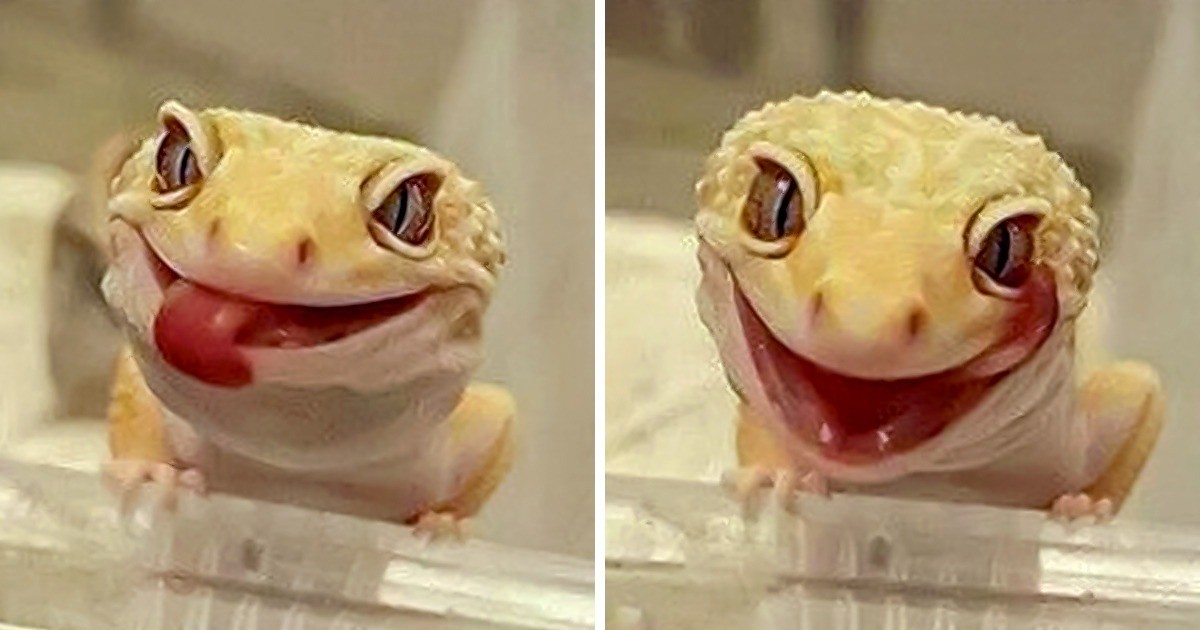
Have you ever walked into a room at night, switched on the light, and noticed a small lizard clinging to the wall?
For many people, the immediate reaction is to step back, grab a broom, or look for a way to get the unexpected visitor outside. Its quick movements, unusual appearance, and occasional high-pitched calls can make it seem like an unwelcome guest.
But that little creature may be doing something useful around your home.
It is probably a house gecko, a small reptile that has adapted remarkably well to living alongside people. These animals are often seen near windows, ceilings, outdoor lights, and other places where insects gather.
Although they are not everyone’s favorite household visitors, geckos play a role in the local food chain. They hunt various insects and other small invertebrates, and their presence can sometimes help reduce the number of unwanted bugs around a property.
That does not mean you should invite every wild animal indoors or ignore basic hygiene. However, before chasing away a harmless gecko, it is worth understanding why these small reptiles can be useful.
Here are five interesting reasons to appreciate them.
1. Geckos Help Control Insects Around Your Home
One of the most practical benefits of having house geckos nearby is their appetite for insects.
Many common house geckos are nocturnal, meaning they are most active during the evening and nighttime. This is also when numerous insects become active around artificial lights.
If you have ever noticed small moths gathering near a porch lamp, you may have also spotted a gecko waiting nearby.
It is not there by accident.
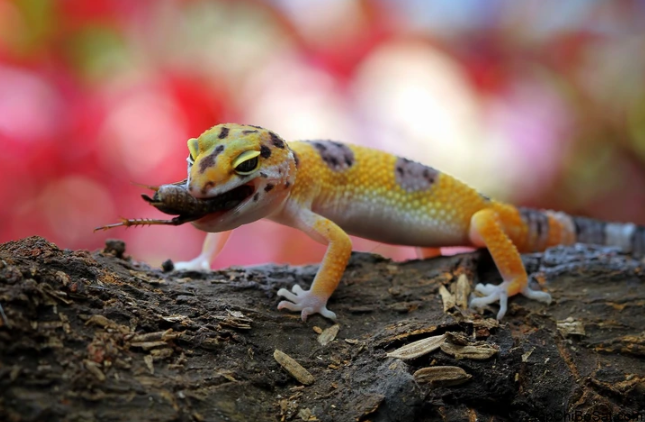
House geckos are opportunistic hunters. They often position themselves near lights, windows, and other areas where insects are likely to appear. When an insect comes within reach, the gecko can move quickly and catch it with its mouth.
Their diet varies depending on the species and environment, but common prey includes moths, flies, cockroaches, beetles, and other small insects.
Some species also eat spiders and other small arthropods.
Research and university extension resources describe house geckos as useful insect predators around buildings, particularly because they feed on insects attracted to outdoor lighting.
This does not mean a few geckos can eliminate every pest in your home. They are not a replacement for proper cleaning, waste management, or professional pest control when an infestation develops.
Nevertheless, they are part of a natural system that helps keep insect populations in balance.
Instead of viewing every gecko as a problem, consider that it may be taking advantage of an available food source while providing a small ecological benefit in return.
2. Their Presence Can Tell You Something About Your Local Environment
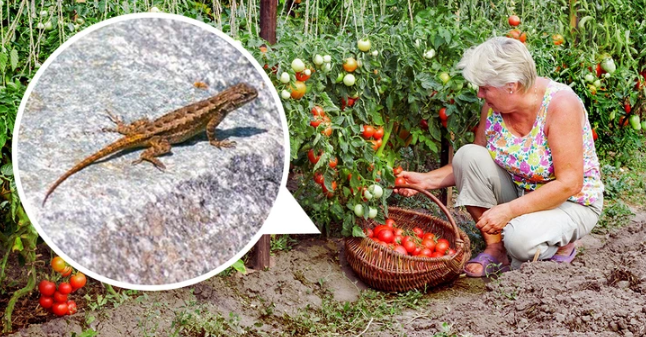
Seeing a gecko in your garden or near your house can be an interesting reminder of the wildlife living around you.
These reptiles need suitable conditions to survive. They require access to food, places to hide, and appropriate environmental conditions for their particular species.
Gardens with vegetation, insects, sheltered spaces, and nearby structures may provide useful habitats for some geckos.
However, there is an important distinction to make.
Finding a gecko does not automatically prove that your garden is environmentally clean or free from chemicals. Some gecko species are highly adaptable and can live successfully in urban areas, including places where human activity has significantly changed the natural environment.
Their presence should therefore not be treated as a scientific test of environmental quality.
Still, geckos are part of the biodiversity around your home. Their presence can remind us that even small urban gardens and residential spaces can provide shelter and food for wildlife.
There is also a practical reason to avoid using unnecessary pesticides.
Chemical pest-control products can affect more than the insects they are intended to target. Depending on the substance, application method, and exposure, other organisms may also be affected.
If you want to encourage a healthier garden, consider using integrated pest management instead of relying exclusively on chemical sprays.
This approach can include removing standing water, keeping food waste covered, maintaining plants, sealing entry points, and using targeted pest-control methods when necessary.
A garden does not need to be completely free of insects to be healthy. In fact, a variety of small organisms is part of a functioning ecosystem.
Geckos are one small part of that picture.
3. Most House Geckos Are Not Interested in Your Fruits and Vegetables
Gardeners sometimes worry that every animal visiting their plants will damage their crops.
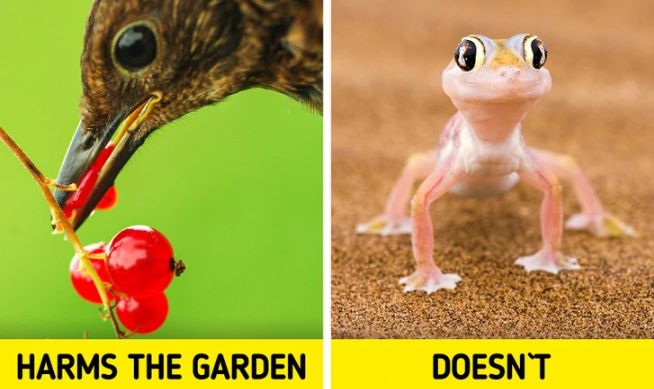
Birds, for example, may feed on berries, fruits, seeds, and insects. Depending on the species, they can become unwelcome visitors around certain crops.
House geckos generally have a different feeding strategy.
Most common house geckos are primarily insectivorous. They hunt small animals rather than deliberately searching for ripe tomatoes, strawberries, or vegetables.
This makes them different from many larger garden visitors.
A gecko sitting on a wall near your plants is more likely to be waiting for an insect than planning to eat your harvest.
However, it would be inaccurate to claim that every gecko species eats only insects under all circumstances. Some house-dwelling geckos have been observed feeding opportunistically on other foods, including fruit and human food scraps.
Their diets depend on the species and the opportunities available in their surroundings.
Even so, common house geckos are generally much more interested in small insects than in the vegetables growing in your garden.
If you are trying to encourage natural insect predators around your property, geckos can be useful visitors.
Just remember that protecting a garden requires a balanced approach. Different animals contribute in different ways, and no single species will solve every pest problem.
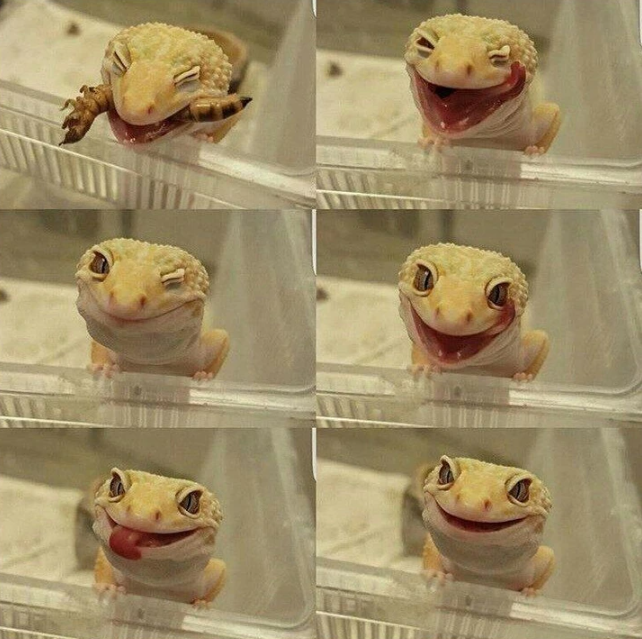
4. Common House Geckos Are Generally Harmless to People
Another reason people sometimes chase geckos away is fear.
Their appearance is unfamiliar to some homeowners. Their toes seem almost magical as they cling to walls, and their sudden movements can be startling.
Some species also make distinctive clicking or squeaking sounds, especially when communicating or feeling disturbed.
But these behaviors are not signs that the animal is preparing to attack.
Common house geckos are generally not dangerous to people. They are small reptiles that prefer to avoid larger animals rather than confront them.
They do not normally seek contact with humans, and they are not interested in chasing people around a room.
If a gecko feels threatened or is handled roughly, it may attempt to escape or bite defensively. Even so, bites from common small house geckos are uncommon and are generally not a major concern.
It is still best not to pick one up unnecessarily.
Like other wild animals, geckos can become stressed when handled. Their small bodies and delicate tails can also be injured through rough contact.
Their ability to climb walls and ceilings is another fascinating feature.
Gecko feet contain microscopic structures that interact with surfaces, allowing many species to attach themselves to smooth materials. This remarkable ability has inspired scientific research into adhesives and climbing technologies.
For an animal that may be smaller than your hand, its climbing skills are extraordinary.
So, if you see one resting quietly on a wall, there is usually no reason to panic.
You can simply leave it undisturbed or gently guide it outside if you do not want it indoors.
5. Geckos Can Carry Salmonella, So Basic Hygiene Still Matters
Appreciating geckos does not mean ignoring the precautions associated with wild reptiles.
One important point is that reptiles, including geckos, can carry Salmonella bacteria.
The bacteria may be present in their digestive systems and shed through their droppings. A reptile can carry Salmonella without looking sick or dirty.
People may become infected if contaminated material reaches their mouths or food.
For example, touching reptile droppings and then handling food without washing your hands can create a potential route of transmission.
The U.S. Centers for Disease Control and Prevention explains that reptiles can carry Salmonella even when they appear healthy. Its guidance also emphasizes handwashing after contact with reptiles, their droppings, or their environments.
This is particularly important in households with young children.
Children under five, older adults, and people with weakened immune systems are at greater risk of serious illness from Salmonella infections.
A few simple habits can help reduce the risk:
-
Avoid touching wild geckos with your bare hands.
-
Keep food and cooking surfaces away from areas where reptiles or their droppings may be present.
-
Clean gecko droppings carefully rather than allowing them to accumulate.
-
Wash your hands thoroughly with soap and water after cleaning contaminated areas.
-
Keep children from handling wild reptiles.
-
Avoid allowing geckos into food-storage and food-preparation areas.
If you find droppings on a surface, clean and disinfect the affected area appropriately.
These precautions do not mean that every gecko carries Salmonella or that every encounter will cause illness. They simply recognize that wild reptiles can carry bacteria and should be treated with sensible hygiene practices.
The CDC’s advice is especially important for people who keep reptiles as pets, but the same basic awareness is useful when encountering wild geckos around the home.
Why Do Geckos Keep Appearing Inside Houses?
If you regularly find geckos indoors, there is usually a simple explanation: your home provides access to food and shelter.
Artificial lighting attracts insects, and insects attract predators.
A porch light, outdoor lamp, or illuminated window can become a convenient hunting location. Small geckos may wait nearby, catching insects that gather around the light.
They can also enter through small gaps around doors, windows, plumbing openings, and other parts of a building.
During the day, they may hide in cracks, behind furniture, or in sheltered spaces where they are less likely to be disturbed.
If you want to reduce the number of geckos entering your home without harming them, focus on preventing access.
Check window screens, repair damaged door seals, and close gaps around pipes and other openings.
You can also reduce the number of insects around your property by keeping outdoor lights away from open doors when practical, covering food, and maintaining clean surroundings.
University of Florida IFAS Extension recommends sealing entry points and managing the conditions that allow house geckos to enter buildings.
These methods address the reasons geckos visit in the first place rather than relying on harmful traps or unnecessary chemicals.
What Should You Do If You Find a Gecko Indoors?
The best response depends on where the gecko is and whether it is creating a genuine problem.
If it is sitting quietly on a wall or near a window, you may simply leave it alone.
If you prefer not to have it inside, you can guide it outdoors using a gentle method.
One option is to place a container over the animal and carefully slide a piece of stiff paper underneath. Once it is safely contained, take it outside and release it in a sheltered location.
Avoid grabbing its tail or squeezing its body. Some geckos can shed their tails as a defense mechanism, and rough handling may injure them.
Never use glue traps if you want to remove a gecko humanely. These traps can cause severe distress and injuries, making escape difficult.
If geckos repeatedly enter your home, focus on repairing screens and sealing gaps. Reducing insects around doors and windows can also make your property less attractive to them.
If you are unsure which species you have found, avoid handling it. Not every small lizard is necessarily the same type of gecko, and local wildlife can vary considerably.
Small Creatures Deserve a Place in the Ecosystem
It is easy to overlook the animals that live quietly around our homes.
A gecko may be little more than a fleeting shadow on the wall, but it has its own role in the environment. It hunts insects, provides food for larger predators, and demonstrates how wildlife can adapt to human-made surroundings.
That does not mean every homeowner must welcome reptiles indoors. People have different comfort levels, and keeping living spaces clean and hygienic is important.
But there is a difference between removing an animal safely and harming it simply because it looks unfamiliar.
The next time you see a small gecko near your porch light or resting on a garden wall, take a moment to observe it.
It may be waiting patiently for its next insect meal, using its remarkable feet to navigate a surface that would seem impossible to climb.
And while it may not be the most popular visitor in your home, this little reptile is often doing more good than you realize.
Sometimes, the smallest creatures are also some of the most useful neighbors.