
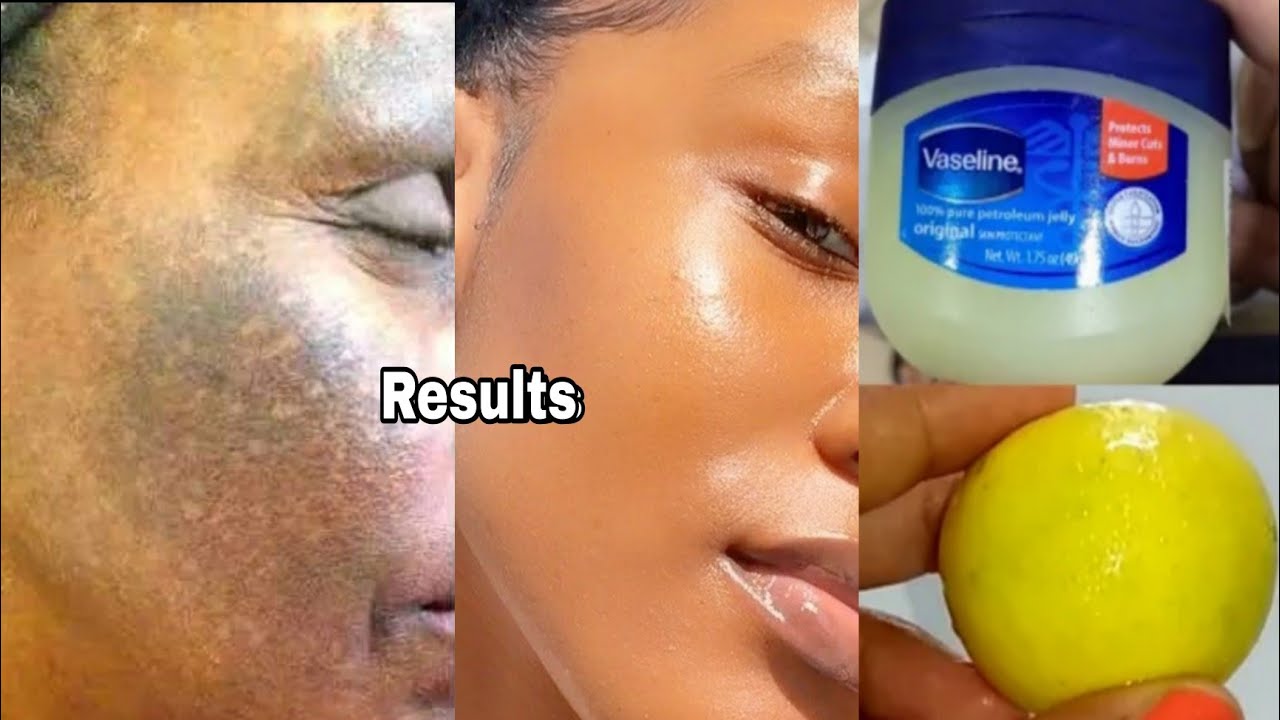
A combination of Vaseline and lemon juice has circulated widely in online beauty tips, with claims that this simple mixture can moisturize the skin, reduce dark spots, and create a brighter complexion. Both ingredients are familiar household products, but do they really work better when combined?
Before trying this homemade skincare mixture, it is important to understand what each ingredient does, what dermatological research supports, and which potential risks should not be overlooked.
1. Why Is Vaseline Used in Skincare?
Vaseline, also known as petroleum jelly or petrolatum, is a widely used skincare product recognized for its protective and moisturizing properties.
Its primary function is to help reduce water loss from the skin by forming a protective layer on the surface. This makes it particularly useful for people experiencing dry, rough, or chapped skin.
A 2024 clinical review published in the Journal of the American Academy of Dermatology examined the history, uses, and safety of petroleum jelly. The review highlighted its established role as an effective moisturizer and its applications in dermatological care.
Some common uses include:
-
Helping protect dry and chapped skin
-
Reducing moisture loss from the skin’s surface
-
Protecting minor skin irritations
-
Softening rough areas such as elbows and heels
-
Helping protect dry lips
Petroleum jelly works primarily by preventing moisture from escaping rather than supplying water to the skin itself.
For this reason, it is often applied over slightly damp skin or after using a regular moisturizer.

2. What Does Lemon Juice Do for the Skin?
Lemons contain vitamin C and citric acid, which have attracted attention in the skincare industry.
Vitamin C is an antioxidant used in many professionally formulated skincare products. Certain stabilized vitamin C formulations have been studied for their potential role in supporting collagen production and improving the appearance of uneven skin tone.
Citric acid belongs to a group of ingredients known as alpha-hydroxy acids (AHAs). In carefully formulated skincare products, AHAs can help exfoliate the outermost layer of the skin.
However, fresh lemon juice is not equivalent to a professionally formulated vitamin C serum or exfoliating treatment.
Its acidity and composition can vary, making it difficult to predict how it will affect individual skin types. Applying undiluted lemon juice directly to the face may cause irritation, particularly for people with sensitive skin.
3. Can Mixing Vaseline and Lemon Remove Dark Spots?
One of the most popular claims surrounding this homemade combination is that it can reduce pigmentation and brighten the complexion.
However, there is no reliable clinical evidence establishing that mixing petroleum jelly with fresh lemon juice removes dark spots or produces a more even skin tone.
Vaseline helps protect the skin and reduce moisture loss, but it is not a skin-lightening ingredient.
Similarly, fresh lemon juice should not be considered a proven treatment for hyperpigmentation.
In fact, citrus juice can sometimes create additional skin problems. When certain compounds from citrus fruits come into contact with the skin and are followed by sunlight exposure, they can trigger a reaction called phytophotodermatitis.
This reaction may cause redness, irritation, blistering, and subsequent dark pigmentation.
The American Academy of Dermatology and medical resources such as DermNet explain the potential relationship between citrus exposure and sunlight-related skin reactions.

4. Is the Vaseline and Lemon Mixture Safe?
Although both ingredients are familiar, combining them does not automatically make a safe or effective skincare treatment.
There are several considerations worth understanding before experimenting with homemade beauty recipes.
Skin irritation: Fresh lemon juice is acidic and may cause irritation, especially when applied to sensitive or already damaged skin.
Sun sensitivity reactions: Citrus compounds can react with ultraviolet light, potentially causing phytophotodermatitis and changes in skin pigmentation.
Unpredictable results: Homemade mixtures do not have standardized concentrations, stability testing, or controlled formulations.
Individual skin differences: People with sensitive skin or existing skin conditions may respond differently to cosmetic ingredients.
For these reasons, dermatologists generally favor properly formulated skincare products over untested combinations of household ingredients.
5. Better Ways to Keep Skin Hydrated and Healthy
If your main goal is softer, healthier-looking skin, a simple skincare routine is often more useful than experimenting with multiple ingredients.
Here are several practical approaches:
Use a Gentle Moisturizer
Choose a moisturizer appropriate for your skin type. Ingredients such as glycerin, ceramides, and hyaluronic acid are commonly used in skincare products to help maintain skin hydration.
Petroleum jelly can also be applied as a protective layer over dry areas when appropriate.
Apply Sunscreen Daily
Sun exposure can contribute to uneven pigmentation and premature skin aging.
Using broad-spectrum sunscreen with SPF 30 or higher is an important part of everyday skincare, particularly if you are concerned about dark spots.
Choose Formulated Vitamin C Products
If you are interested in vitamin C for your complexion, consider a professionally formulated serum rather than fresh lemon juice.
Formulated products are designed with controlled concentrations and suitable ingredients to improve stability and usability.
Avoid Harsh Homemade Treatments
Natural ingredients are not automatically safe for topical use.
Lemon juice, baking soda, and other household substances may irritate the skin when applied without appropriate formulation or testing.
A gentle routine is generally preferable to aggressive treatments that may compromise the skin barrier.
6. Can Vaseline Be Used Every Day?
Petroleum jelly can be suitable for regular use on dry areas of the skin when applied appropriately.
Its protective properties make it useful for maintaining moisture, particularly in areas exposed to cold weather, frequent washing, or environmental dryness.
However, people with specific skin conditions or concerns about facial products should consider asking a dermatologist which products are appropriate for them.
It is also important to use clean hands and avoid contaminating the product container.
Conclusion: Is This Popular Beauty Mixture Worth Trying?
Mixing Vaseline with lemon juice may sound like an inexpensive way to create a homemade skincare treatment, but the claimed benefits are not supported by sufficient clinical evidence.
Vaseline has well-established moisturizing and protective properties, while fresh lemon juice can irritate the skin and cause unwanted reactions following sun exposure.
If your goal is to improve skin hydration, petroleum jelly can be a useful option. If you want to address dark spots or uneven pigmentation, professionally formulated skincare products and appropriate sun protection are more reliable choices.
Ultimately, healthy skincare does not require complicated homemade recipes. Understanding the ingredients you use and choosing products supported by dermatological evidence can help you maintain a comfortable, healthy-looking complexion.