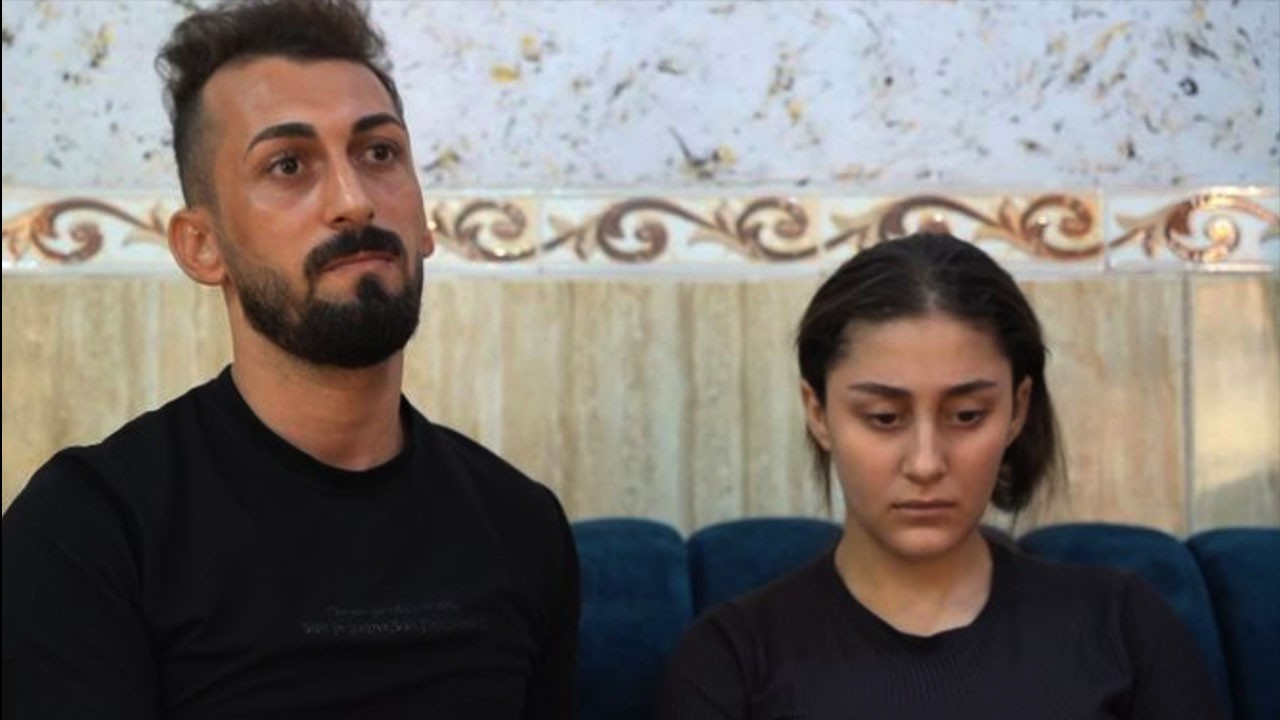
Bride and Groom Who Lost Relatives in Iraq Wedding Fire Decide They Cannot Stay in Their Town
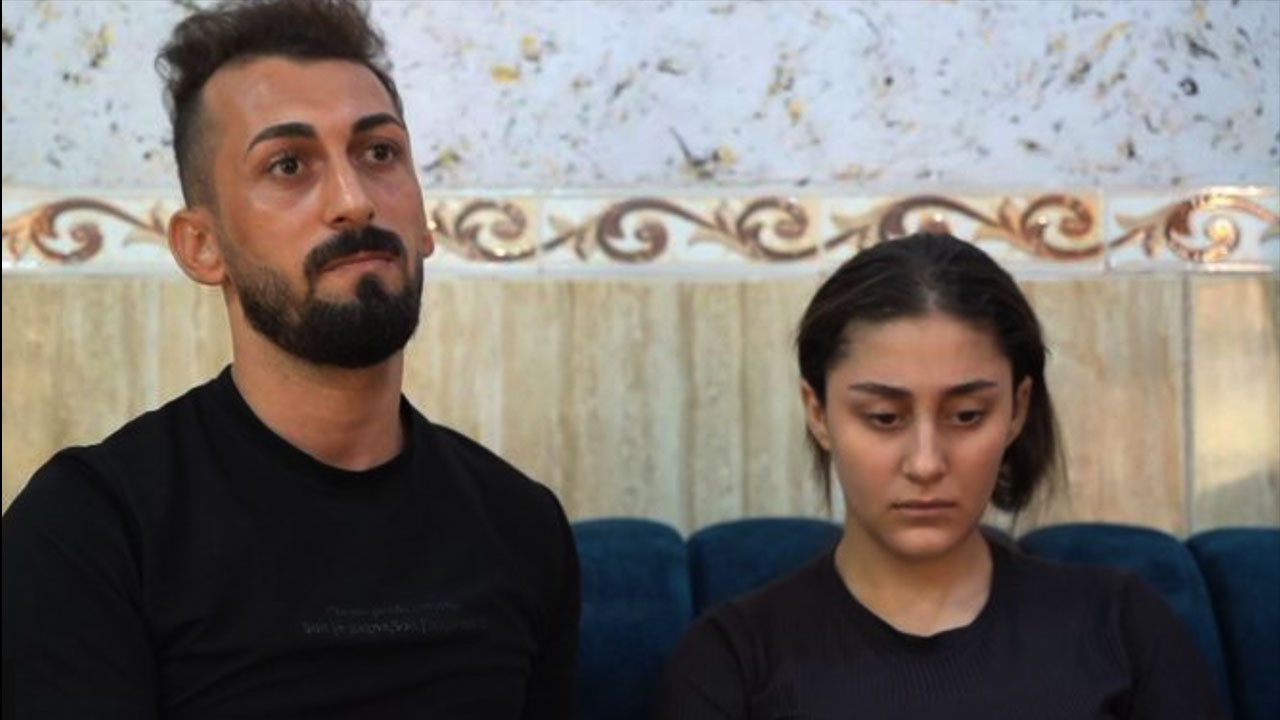
A bride and groom who survived the devastating wedding hall fire in northern Iraq in 2023 said they could not remain in the town where they lost dozens of relatives. Revan and Haneen had gathered with family, friends and members of their community to celebrate their marriage in Qaraqosh when a fire rapidly spread through the venue, turning a planned celebration into a tragedy that affected families across the area.
The fire at the wedding venue on September 26, 2023, drew international attention to questions of public safety, building standards and enforcement in Iraq. More importantly, it left survivors and bereaved families facing an enduring personal loss. For Revan and Haneen, the event was not only a national tragedy reported by major news organizations; it was the day they lost close relatives and the sense of security associated with their hometown.
Qaraqosh, also known as Hamdaniya or Bakhdida, is a predominantly Christian town in Iraq’s Nineveh Plains. Its residents have experienced years of upheaval, including displacement during the conflict with the so-called Islamic State group and a gradual return to rebuild homes, churches and community life. Weddings therefore carry particular cultural and emotional importance: they bring extended families together and represent continuity after periods of uncertainty.
The Qaraqosh Wedding Hall Fire
Revan, who was 27 at the time, and Haneen, then 18, were married at a reception attended by a very large number of guests. Contemporary reporting indicated that around 900 people were at the venue. During the celebration, a fire broke out and spread quickly, prompting panic as people tried to find a way out of the hall.
Video footage and witness accounts reported by international media showed the couple dancing shortly before the emergency unfolded. Indoor pyrotechnic devices were being used during the reception. Investigators later said that flames or sparks from those devices ignited highly flammable decorative materials near the ceiling, allowing the fire to spread at speed.
In an interview with Sky News shortly after the incident, Revan described trying to get Haneen to safety as guests rushed toward exits. Haneen was injured amid the confusion. Their accounts illustrated a recurring reality of mass-casualty emergencies: survivors often have only seconds to react, and the conditions inside a crowded venue can change rapidly when lighting fails, smoke develops and people are uncertain where exits are located.
Authorities and news agencies reported differing casualty figures during the immediate aftermath as hospitals and officials worked to identify victims. Later reporting by Agence France-Presse put the death toll at 134 people. Many more people were injured. The victims included guests of different ages and several members of the newly married couple’s extended families.
A Family’s Loss and the Decision to Leave
Revan and Haneen said they lost 25 relatives between them. Haneen lost 10 relatives, including her mother and brother, while Revan lost 15 relatives, including his mother. Their grief reflected the scale of the loss for many families in Qaraqosh, where close social ties mean that a major community disaster can affect nearly every household either directly or through friends and relatives.
Speaking to Sky News days after the fire, Revan said that although they were physically alive, they felt emotionally numb. He said the couple could not continue living in their town, explaining that the location had become inseparable from what happened to their families. Haneen, grieving the loss of her mother and brother, appeared beside him during the interview.
Deciding to leave a hometown after a traumatic event is a deeply personal choice. It does not erase grief, nor does it mean a survivor is abandoning a community. For many people, familiar streets, venues and celebrations can become painful reminders after a disaster. At the same time, leaving can create additional challenges, including separation from support networks, changes in work or housing, and the difficult task of rebuilding everyday routines.
Public-health organizations recognize that emotional responses following a disaster can vary widely. Grief, shock, sleep disruption, anxiety and difficulty concentrating can affect survivors, witnesses and bereaved relatives. Community support, access to health care and respectful remembrance can all be important parts of recovery. No single timeline applies to trauma or bereavement, particularly when losses involve several close family members.
What Investigators Said Caused the Fire
Iraqi investigators said indoor fireworks were a central factor in the disaster. According to reports from AFP and other international outlets, the pyrotechnic effects ignited low-cost, flammable ceiling decorations. Once alight, the materials reportedly allowed fire to move across the ceiling quickly.
The incident also raised concerns about whether the hall met basic safety requirements for a venue holding hundreds of people. Fire safety in public gathering spaces depends on more than one safeguard. It includes suitable construction materials, clearly marked and accessible exits, adequate emergency lighting, properly maintained fire extinguishers and alarms, trained staff, evacuation planning, occupancy limits and regular official inspections.
Early reporting said that the hall’s owner may have believed the incident was an electrical problem and cut the power supply, leaving the venue darker while guests were trying to escape. Authorities continued to investigate the circumstances, including the use of pyrotechnics and the safety standards in place at the venue.
Revan publicly questioned whether the hall had sufficient working firefighting equipment. He told reporters that he believed there was only one fire extinguisher and that it did not function. Such claims were part of the wider public discussion surrounding the tragedy, though the definitive findings of investigators and courts are the most important record when assessing legal responsibility.
Arrests, Accountability and the Court Case
In the days after the fire, Iraqi authorities announced arrests connected to the venue and the event. Reports said that 14 people were detained, including the owner of the wedding hall. The case became a major test of whether regulations governing public venues would be enforced and whether those found responsible would face meaningful consequences.
In December 2024, AFP reported that a court sentenced the hall owner to 10 years in prison for negligence. For families who lost loved ones, the ruling was a formal acknowledgment that serious failures had occurred. Yet legal outcomes do not remove the human consequences of a disaster. Some relatives publicly said they did not believe the sentence was sufficient given the number of people who died and the lasting effect on the community.
Accountability after a major public safety failure has several dimensions. Criminal proceedings can determine whether individuals violated the law or neglected their duties. Administrative investigations can identify failures in licensing, inspections and permits. Long-term prevention requires authorities, venue operators and event organizers to apply the lessons consistently, rather than only in the period immediately following a high-profile tragedy.
For Iraq, the Qaraqosh fire renewed debate about safety oversight in wedding halls and other gathering spaces. Public venues are often used for celebrations, religious events, school functions and family occasions. When facilities are crowded, small safety shortcomings can become far more serious. The tragedy demonstrated why regulations must be backed by regular inspections, transparent enforcement and practical training for staff.
Why Indoor Pyrotechnics Create Serious Risks
Indoor pyrotechnics are often used to create celebratory visual effects, but they require careful professional management. Even devices marketed as lower-temperature “cold spark” effects can present risks if they are used near combustible decorations, curtains, ceiling panels or other materials that can ignite. The safety of any effect depends on the equipment, its installation, the setting, the distance from people and flammable items, and compliance with local laws.
Fire safety experts generally stress that decorative materials should meet appropriate flame-resistance standards, while event venues should have multiple unobstructed exits and systems that remain effective during a power failure. Emergency exits must be visible, unlocked and large enough for the building’s permitted occupancy. Staff should know how to respond immediately, direct guests and contact emergency services.
These precautions are not merely technical details. In a crowded room, an emergency can become more dangerous when people cannot see exit routes or when movement toward a small number of doors creates congestion. Prevention begins before an event: organizers and venue managers should conduct risk assessments, understand the venue’s capacity, avoid unsafe effects and ensure that emergency procedures are realistic.
The Wider Significance for Qaraqosh and Iraq
The fire was especially painful in Qaraqosh because the town has long been a focal point of Iraq’s Christian heritage. The Nineveh Plains are home to ancient religious and cultural communities that have faced displacement and demographic change over many years. Residents returning after previous crises have worked to restore homes, businesses and places of worship. A disaster at a wedding therefore struck at a moment intended to affirm family life and community resilience.
International media coverage focused on the immediate human loss, while Iraqi officials faced pressure to explain how a venue hosting such a large event could become the site of a preventable disaster. The incident also prompted condolences from religious and political figures, including Pope Francis, who expressed sorrow for those affected. These responses reflected the event’s significance beyond one town, but they could not replace the local support needed by bereaved families.
For survivors such as Revan and Haneen, public attention may be difficult. Their story was widely shared because of the contrast between a wedding celebration and the loss that followed. However, the essential issue is not the symbolism of the event. It is the real and continuing impact on two people who began their marriage while grieving parents, siblings and other relatives.
Lessons on Fire Safety and Community Recovery
The Qaraqosh wedding hall fire remains a reminder that safety standards at public events are a matter of life and death. Authorities can reduce risk by inspecting venues, enforcing occupancy rules, regulating pyrotechnic displays and ensuring that building materials meet fire-safety requirements. Venue owners can protect guests by maintaining equipment, keeping escape routes clear and training employees. Families and event organizers can also ask practical questions about exits, capacity and emergency plans before booking a location.
Recovery, meanwhile, requires more than infrastructure repairs or court decisions. People who survive or lose relatives in a disaster may need time, privacy, compassionate support and access to mental-health services. Communities can help by respecting individual choices about grieving, remembrance and whether to remain in or leave a place associated with trauma.
Revan and Haneen’s decision to move away from Qaraqosh underscores the long aftermath of a public tragedy. The wedding hall fire was not over when the flames were extinguished or when the legal case progressed. Its consequences continue in the lives of relatives, survivors and a town that lost many of its people in a single night. Meaningful remembrance includes honoring those losses while making sustained improvements that help prevent similar disasters in the future.
Sources
- Sky News: Interview with the bride and groom after the Qaraqosh wedding fire
- Reuters: Middle East reporting and coverage of Iraq
- BBC News: Middle East coverage
- Agence France-Presse: International reporting on the Iraq wedding hall case
- World Health Organization: Mental health in emergencies
- U.S. Centers for Disease Control and Prevention: Disaster preparedness and recovery information
Disclaimer: This content is intended for entertainment purposes only and is not based on real events.