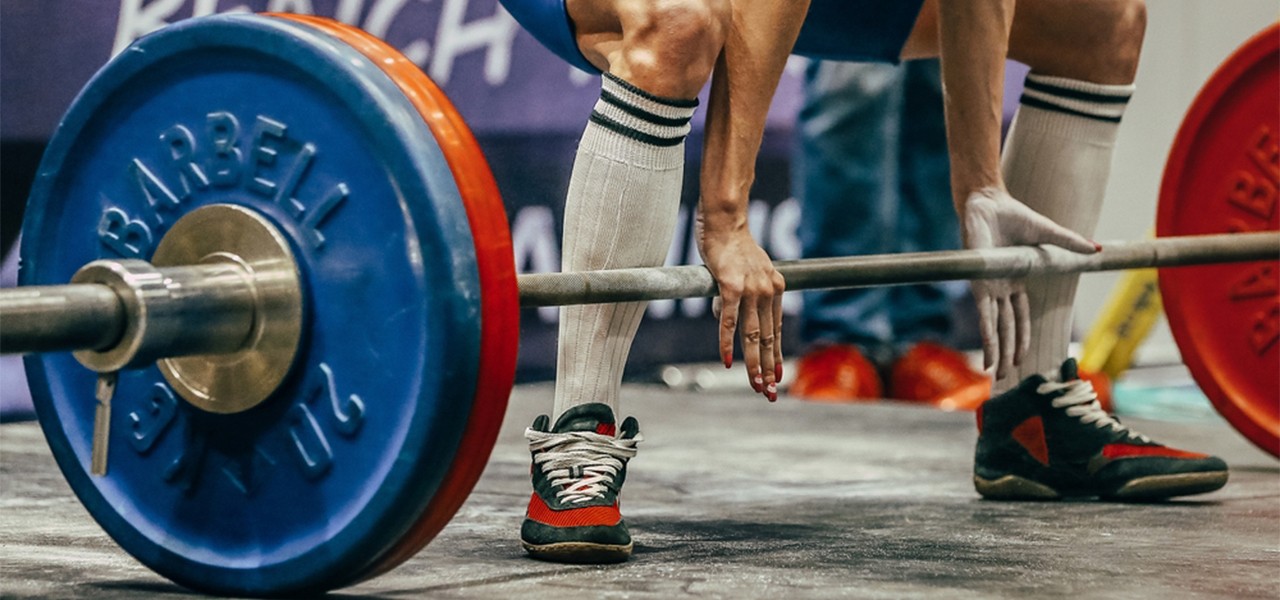
Brazilian Powerlifter Renata Touma Addresses Competition Mishap After 424-Pound Deadlift Attempt
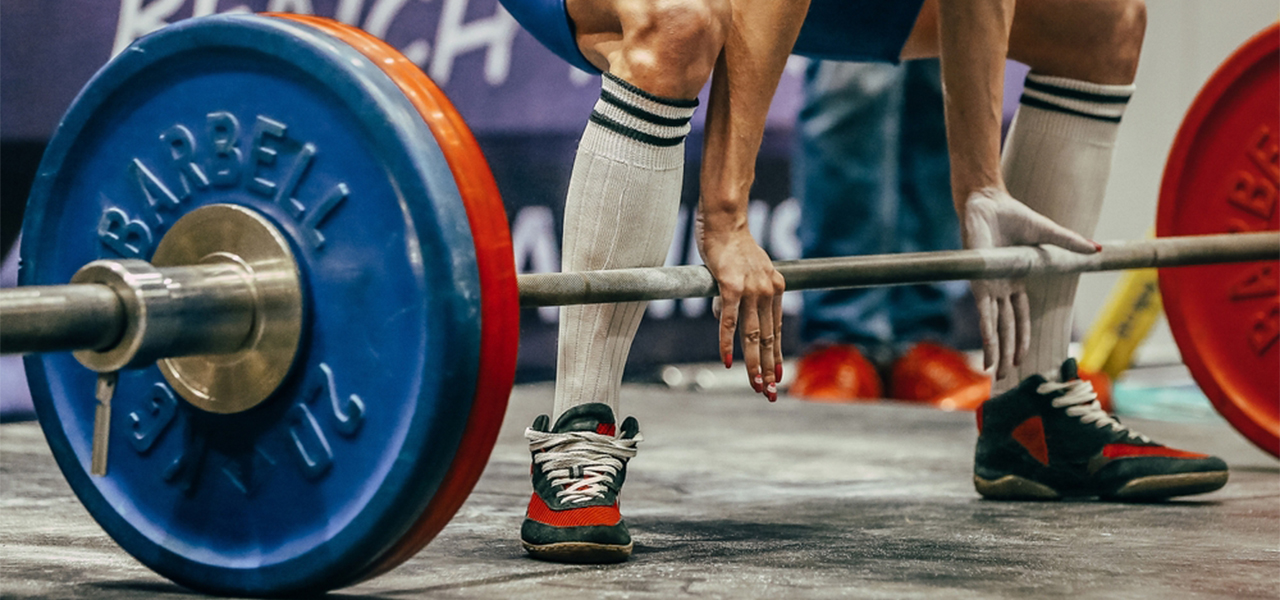
Brazilian powerlifter Renata Touma has spoken openly about an unexpected moment during a demanding deadlift attempt at a competition in São Paulo, Brazil. The video, which Touma shared herself, drew widespread attention online and prompted a broader conversation about the physical realities of high-level strength sports, pelvic floor health, and how athletes handle public setbacks.
The incident occurred during the Copa SP de Levantamento Terra, a deadlift-focused event held in São Paulo on October 17. Touma attempted to lift 192.5 kilograms, or approximately 424 pounds, from the floor. During the effort, she appeared to experience involuntary urine leakage and was unable to complete the lift.
Although clips of the attempt circulated rapidly on social media, Touma chose not to hide the experience. Instead, she used her own platform to discuss the discipline, decision-making, and resilience required in competitive powerlifting. Her response shifted attention away from a single difficult moment and toward the realities that can accompany intense athletic performance.
Renata Touma’s 424-Pound Deadlift Attempt
Powerlifting is a strength sport built around three competition lifts: the squat, bench press, and deadlift. Athletes receive attempts at each lift and aim to produce the highest successful total across the three movements. In a deadlift, the competitor pulls a loaded barbell from the floor and must reach a controlled upright position with the knees and hips locked before receiving a down command from officials.
Touma, who identifies herself publicly as a nutritionist, personal trainer, and competitive powerlifter, was competing in the 150-pound division. Her 192.5-kilogram attempt represented a substantial weight and a major physical challenge. A deadlift at that level requires not only muscular strength but also technical preparation, grip strength, trunk stability, breathing control, and the ability to manage intense pressure throughout the body.
In the footage, Touma approaches the barbell, sets her position, and begins the pull. The lift does not reach completion, but the video became notable because of the athlete’s willingness to share it rather than present only successful attempts or polished highlights.
“Strength isn’t just about the weight you lift,” Touma wrote in a social-media post addressing the moment. “It’s also about the decisions you make, the discipline you build and how you respond to challenges.” She also emphasized that athletes cannot control every outcome, but can control their response to circumstances within their reach.
That perspective reflects a familiar reality in competitive sport. Athletes often train for months for a small number of attempts on one day, and even careful preparation cannot eliminate fatigue, technical errors, equipment variables, nerves, or unexpected physical responses. An unsuccessful attempt can be disappointing, but it does not erase the work that led an athlete to the platform.
Why Heavy Lifting Can Place Pressure on the Pelvic Floor
The online discussion surrounding Touma’s video included jokes and criticism, but many viewers also pointed out that involuntary urine leakage during strenuous exercise is a health issue that deserves a more informed and respectful response.
One possible explanation for leakage during high-intensity exercise is stress urinary incontinence. According to the Mayo Clinic, stress incontinence occurs when physical movement or activity puts pressure on the bladder and leads to urine leakage. Despite the term “stress,” the condition is related to physical pressure rather than emotional stress.
Activities that may trigger symptoms can include coughing, sneezing, laughing, running, jumping, and lifting heavy objects. In strength sports, athletes may generate substantial intra-abdominal pressure while bracing their torso to stabilize the spine and transfer force during a lift. This pressure-management strategy is commonly used in heavy resistance training, but it can also increase demand on the pelvic floor muscles and surrounding structures.
The pelvic floor is a group of muscles and connective tissues at the base of the pelvis. It helps support the bladder, bowel, and reproductive organs, while also contributing to continence and core stability. Pelvic floor function is influenced by many factors, including pregnancy and childbirth history, hormonal changes, age, genetics, training load, previous injury, and an individual’s overall health.
Importantly, leakage during exercise should not automatically be interpreted as a sign that someone lacks fitness, has failed at training, or has done something wrong. Medical professionals generally recommend that persistent, new, or bothersome symptoms be discussed with a qualified healthcare provider. A pelvic floor physical therapist or other clinician can help assess symptoms and provide individualized guidance.
What Research Says About Urinary Leakage in Female Athletes
Research has found that urinary incontinence can affect women who participate in high-impact and high-intensity physical activity, including athletes. Studies have reported symptoms among participants in sports involving repeated jumping, running, gymnastics, CrossFit-style training, and strength exercise. However, estimates vary considerably depending on the sport, the age and background of participants, the definitions used, and the way information is collected.
A systematic review published in the British Journal of Sports Medicine found that urinary incontinence is reported by women participating in sport and exercise, with prevalence differing across athletic groups. Researchers have noted that high-impact activities may expose the pelvic floor to repeated loading. At the same time, physical activity has significant health benefits, and the presence of symptoms should not be used to discourage women from exercise or sport participation.
In powerlifting specifically, the deadlift may create unique demands because athletes often brace forcefully before pulling a heavy barbell. Competitive lifters may use techniques intended to increase stability and force production, but training decisions should be made with qualified coaches and healthcare professionals when symptoms arise.
Experts generally caution against simplistic conclusions. Pelvic floor health is not determined by one exercise, one competition result, or one type of athlete. Some people lift heavy weights without experiencing leakage, while others may experience symptoms at lower levels of exertion. The appropriate response depends on the individual, their symptoms, training history, and medical context.
Reducing Stigma Around Pelvic Floor Health in Sport
Touma’s decision to speak publicly matters because urinary symptoms are often underreported. People may feel embarrassed, assume leakage is inevitable, or avoid discussing it with a healthcare professional. That silence can prevent athletes from receiving support, evidence-based information, or modifications that may help them continue training comfortably.
Health organizations and pelvic health specialists often emphasize that urinary leakage is common, but it is not something people simply have to accept without seeking advice. Assessment may include a discussion of symptoms, fluid intake, medications, bowel habits, training routines, and pelvic floor muscle function. Treatment options can vary and may include pelvic floor muscle training, changes to exercise technique, bladder habit education, or other medical care when appropriate.
For athletes, the conversation is also connected to coaching culture. A supportive environment can make it easier for competitors to raise concerns without fear of ridicule. Coaches can encourage athletes to report symptoms, avoid dismissing physical discomfort, and work with qualified health professionals when needed. Respectful language is particularly important because public mockery can reinforce shame around a common health issue.
The response from many users to Touma’s post reflected this point. While some comments focused on the viral nature of the moment, others defended the athlete and urged viewers to treat the topic with greater maturity. Their reactions highlighted an increasing awareness that performance sport involves real bodies, real pressure, and occasional outcomes that athletes do not choose.
Powerlifting, Failure, and Athletic Resilience
In powerlifting, a missed lift is part of the competition format. An athlete may fail an attempt because the weight is too heavy on that day, because of technical issues, because of fatigue, or because officials determine that the lift did not meet competition standards. Successful competitors must learn to evaluate those moments without allowing one result to define their progress.
Touma’s comments after the event focused on that larger process. She described the attempted weight as something that had once seemed distant and said that it had become her third attempt in competition. Her message suggested that the goal remains within reach and that she intends to continue progressing in future meets.
That outlook is consistent with the long-term nature of strength training. Progress rarely follows a straight line. Athletes may improve rapidly at certain stages, then face periods of slower development as they refine technique, recover from demanding sessions, or adjust goals. Training plans are often built around gradual increases in load, recovery periods, nutrition, sleep, and competition preparation.
For public figures in sport, social media adds another layer to this process. A video can be viewed far beyond the original fitness community, sometimes without the context needed to understand what viewers are seeing. Touma’s choice to address the incident directly allowed her to frame it as one part of an ongoing athletic journey rather than an isolated spectacle.
A More Informed Conversation About Women in Strength Sports
The visibility of women’s strength sports has grown significantly in recent years. More women are participating in powerlifting, weightlifting, bodybuilding, CrossFit, recreational resistance training, and other forms of structured exercise. This growth has also increased attention to issues that were previously discussed less openly, including menstrual health, pregnancy and postpartum return to training, energy availability, injury prevention, and pelvic floor symptoms.
Accurate information is important in these discussions. Women who experience leakage during sport should not be told that it is merely normal and unavoidable, nor should they be shamed for it. A more helpful message is that these symptoms can occur, that they are worthy of attention, and that qualified healthcare professionals can provide individualized assessment and support.
For spectators, Touma’s experience is also a reminder to view athletes with empathy. Strength competitions are designed to test limits. The physical and emotional demands of attempting a personal best in front of judges, competitors, and an audience are significant. Reducing an athlete’s effort to a viral clip overlooks the preparation, courage, and persistence involved in stepping onto the platform.
Renata Touma Looks Ahead to Her Next Competition
Despite the unwanted attention surrounding the failed deadlift, Touma has indicated that she plans to continue competing and pursue an even heavier lift. Her response reflects the mindset shared by many strength athletes: a missed attempt can provide information for the next training cycle rather than a reason to stop.
Her public comments have turned a difficult moment into an opportunity to discuss resilience and health without sensationalizing either subject. The broader lesson is not simply about one competition or one lift. It is about treating athletes with dignity, recognizing that physical symptoms can arise under extreme exertion, and making room for evidence-based conversations about pelvic health in sport.
As powerlifting continues to attract new participants and audiences, those conversations may help create a more informed and supportive culture. Athletic strength is not measured only by a successful lift. It can also be seen in the willingness to learn, seek support when needed, and return to the platform with renewed focus.
Sources
Disclaimer: This content is intended for entertainment purposes only and is not based on real events.