Family DNA Testing, Privacy, and Reconnecting Parents and Children
Family secrets can shape relationships for years, particularly when they involve questions of parentage, adoption, pregnancy, or a child’s biological background. A discovery that begins with a physical resemblance, family story, or consumer DNA test can quickly become emotionally significant for parents, children, siblings, and close friends.
Situations involving unexpected biological relationships require patience, compassion, and respect for privacy. While DNA technology can help clarify biological connections, genetic information alone does not determine how families should communicate, make decisions, or build relationships. The wellbeing of the child or young person involved should remain central throughout the process.
This article explores the practical and emotional issues that can arise when a family learns of a previously unknown parent-child relationship. It also examines the importance of consent in DNA testing, the value of professional counseling, and thoughtful ways families can approach difficult conversations.
Why Family Resemblances Can Raise Questions
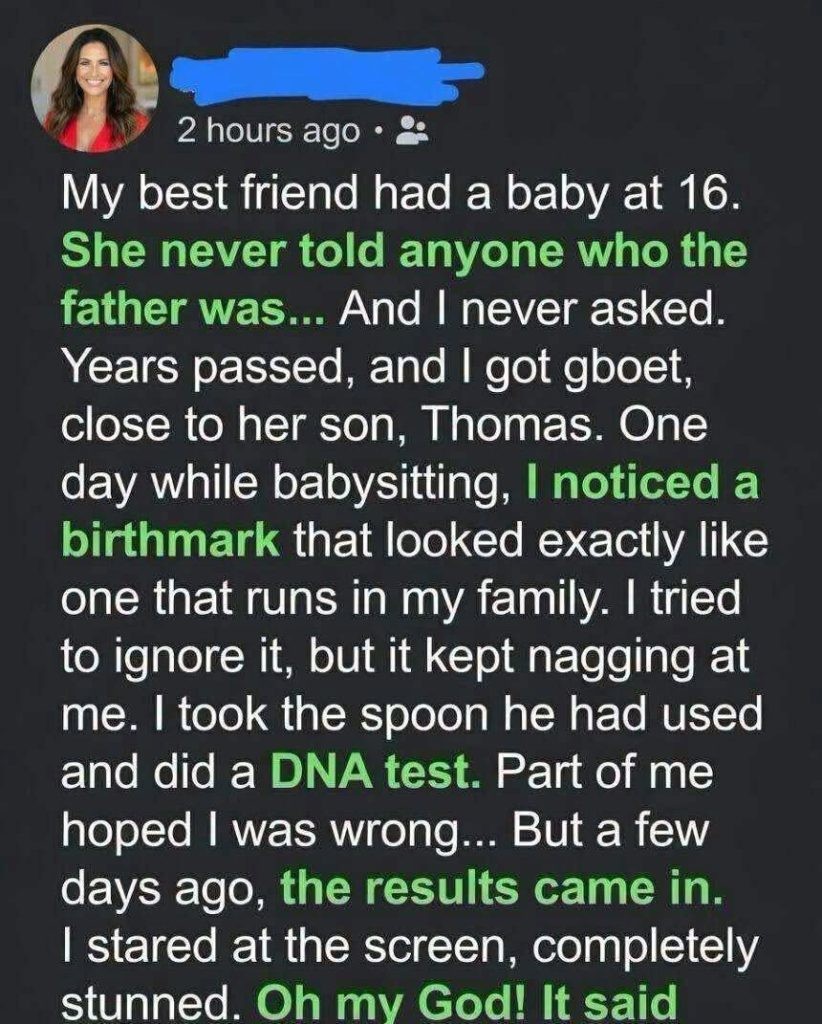
Families often notice similarities in appearance, mannerisms, voices, interests, or medical history. Features such as eye color, smiles, hair patterns, or birthmarks may prompt curiosity, but they are not reliable proof of a biological relationship. Many physical traits are common in the general population, and people can share noticeable characteristics without being closely related.
For that reason, a resemblance should be approached as a question rather than a conclusion. Making assumptions based on appearance can create stress, damage trust, and place unfair pressure on a parent or child. If a family has genuine reasons to seek answers, a legally appropriate and consensual DNA test may provide more reliable information than speculation.
Genetic testing can identify biological relationships with a high degree of accuracy when conducted by an accredited laboratory. However, the process is not merely scientific. It can reveal information that affects personal identity, family bonds, inheritance questions, health history, and long-standing emotional wounds.
DNA Testing and the Importance of Informed Consent
DNA testing has become more accessible through direct-to-consumer ancestry services and laboratory-based relationship testing. While these services can offer useful information, they also raise important ethical and privacy concerns. Genetic data is highly personal, and testing a child or collecting someone’s genetic material without their knowledge or permission may be inappropriate, unlawful, or both, depending on local laws and circumstances.
Parents and legal guardians generally have responsibilities regarding medical and genetic decisions for minors. Even when a parent believes a test could answer an important family question, it is advisable to consider the child’s privacy, emotional needs, and right to age-appropriate information. Consulting a qualified healthcare professional, family-law adviser, or genetic counselor can help families understand their options.
There is also a meaningful difference between a consumer test and a formal legal test. A consumer genetic test may offer information about potential relatives, but its results may not meet the legal standards needed for court proceedings, custody matters, immigration processes, or changes to official records. Where a legally recognized result is required, families should use a laboratory that follows documented identity verification and chain-of-custody procedures.
Unexpected Parentage Discoveries Can Affect Everyone
When a possible biological parent is identified years after a child’s birth, every person involved may experience a range of reactions. A child may feel curious, confused, excited, worried, or protective of the parent who raised them. A biological parent may feel grief over missed years, regret about past circumstances, or uncertainty about how to begin a relationship. The parent who carried and raised the child may fear judgment, disruption, or loss of stability.
Other relatives can also be deeply affected. Grandparents, siblings, aunts, uncles, and family friends may need time to process the information. Even those who feel relieved that the truth is known may struggle with the consequences of years of silence or misunderstandings.
It is important to avoid framing these situations as a simple story of blame. Teenage pregnancy, family pressure, limited financial resources, social stigma, relationship breakdowns, and incomplete communication can all influence decisions. People may have acted under stress or with limited support. Understanding the context does not erase harm, but it can create room for honest conversations and healthier next steps.
Putting the Child’s Emotional Wellbeing First
For a young person, learning unexpected information about a biological parent can be life-changing. Experts commonly advise adults to share important family information in a way that is truthful, calm, and appropriate for the child’s age and maturity. Children and teenagers may need more than one conversation because they often process complex news gradually.
Adults should make clear that the child is not responsible for the situation and did nothing wrong. They should also avoid asking the child to manage adult emotions, choose sides, or immediately form a relationship with a newly identified parent. Trust develops over time, especially when there has been a long absence.
A supportive conversation may include simple, reassuring messages such as:
- You are loved and supported by the people who care for you.
- This information is about adults’ past decisions, not anything you caused.
- You can ask questions now or later.
- You are allowed to have many feelings about this.
- No one expects you to make immediate decisions about contact or relationships.
Children may also benefit from having a trusted person outside the immediate family to talk to, such as a licensed counselor, school wellbeing professional, or pediatric healthcare provider. Professional support can help a child express feelings without worrying about upsetting a parent.
How Family Counseling Can Help
Family counseling can provide a structured setting for conversations that may otherwise feel overwhelming. A qualified therapist can help relatives communicate respectfully, set boundaries, and recognize the difference between biological connection and established parental roles.
For example, a biological father who has only recently learned about a child may want to make up for lost time. That wish can be understandable, but the child may need a slower pace. Counseling can help adults establish expectations for calls, visits, messages, holidays, and involvement in school or healthcare decisions. It can also help a parent who raised the child navigate understandable fears about change.
Therapy is not about forcing reconciliation. In some cases, the healthiest outcome may involve limited contact, gradual contact, or a pause while individuals process the information. A successful outcome is one that prioritizes safety, honesty, stability, and the child’s needs rather than one that follows a predetermined idea of what a family should look like.
Building a Relationship After Years Apart
When a parent and child decide to get to know one another, consistency is more meaningful than grand gestures. A newly involved parent can begin by listening, respecting existing routines, and showing up when they make commitments. Small interactions, such as shared activities, regular calls, or conversations about interests, can help create a sense of familiarity.
It is also important to recognize the role of the parent or caregiver who has been present throughout the child’s life. A new biological relationship does not automatically replace existing bonds. Children can have room in their lives for more than one caring adult when the adults communicate respectfully and avoid competition.
Parents should avoid making promises they may not be able to keep. Statements about future involvement, financial support, living arrangements, or family roles should be discussed carefully and, where needed, with legal guidance. Reliability and honesty are especially important when a child has experienced uncertainty.
Legal and Practical Considerations in Parentage Cases
Biological parentage and legal parenthood are related but not always identical. Laws vary by country, state, and region, and family circumstances can be complex. A confirmed DNA relationship may lead to questions involving parental rights, child support, custody, medical decision-making, inheritance, or updates to official documents.
Families should seek advice from a qualified family-law professional in their jurisdiction before making major decisions based on a DNA result. Legal guidance can clarify the rights and responsibilities of each adult while helping to protect the child’s stability.
Healthcare is another practical consideration. Accurate family medical history can be valuable, particularly when relatives have known inherited conditions. However, medical information should be shared carefully and through appropriate channels. A physician or genetic counselor can help explain whether a particular family history has implications for screening or preventive care.
Lessons About Privacy, Trust, and Truth
Discovering a hidden biological relationship often brings difficult questions about whether someone should have known sooner. There is no single answer that applies to every family. Some people may have withheld information because of fear, pressure, uncertainty, or a desire to protect others. Yet secrecy can become harder to maintain over time, especially as children grow older and genetic testing becomes increasingly common.
Honesty matters, but so does the way truth is shared. Revealing sensitive information without consent or preparation can cause distress, even if the underlying facts are accurate. Families should aim for a process that respects privacy, avoids public exposure, and gives those directly affected an opportunity to participate in decisions.
For friends and extended relatives, the appropriate role is often supportive rather than investigative. A concerned loved one can encourage open communication, offer practical help, and suggest professional resources. They should be cautious about taking actions that involve another person’s medical or genetic information without clear permission.
A Compassionate Path Forward for Families
Unexpected DNA discoveries can alter a family’s understanding of the past, but they do not have to determine the future. With consent, transparency, professional guidance, and patience, families can address difficult truths in a way that protects children and respects everyone involved.
The most constructive approach is usually gradual. Confirm important information through appropriate channels, seek legal or counseling support when needed, communicate honestly in age-appropriate language, and allow relationships to develop at a pace that feels safe. Biological connections may be significant, but lasting family relationships are built through care, respect, responsibility, and trust.
Sources
- Centers for Disease Control and Prevention: Genomics and Family Health History
- National Human Genome Research Institute: Genetic Testing Fact Sheet
- American Academy of Pediatrics: Children’s Mental Health Resources
- NHS: Mental Health Support and Information
- World Health Organization: Mental Health
- Mayo Clinic: Family Therapy Overview
Disclaimer: This content is intended for entertainment purposes only and is not based on real events.