
Chagas Disease: Why Earlier Testing, Treatment and Awareness Matter
Chagas disease is a potentially serious but often overlooked parasitic infection that affects millions of people, mainly in Latin America. It can remain undetected for years, which is why health professionals frequently describe it as a “silent” disease. Many people feel well during the early phase and may not know they are infected until testing is performed during pregnancy, blood donation screening, organ-donor evaluation, or an investigation into heart or digestive symptoms.
For families affected by Chagas disease, a diagnosis can bring fear and uncertainty. One woman, Rodríguez, learned that she carried the infection while she was pregnant. Her daughter later tested negative, illustrating an important point: transmission from parent to child can occur, but it does not happen in every pregnancy. Another parent, Elvira Hernández, learned about Chagas disease only after her son received a positive test result. Her experience reflects a wider challenge: many patients struggle to find clinicians with experience in diagnosing, monitoring, and treating the infection.
Better awareness, timely testing, and access to appropriate care can make a meaningful difference. Chagas disease is treatable, especially when detected early, and public-health programs can reduce the risk of transmission through pregnancy, blood transfusions, organ transplantation, and insect control measures.
What Is Chagas Disease?
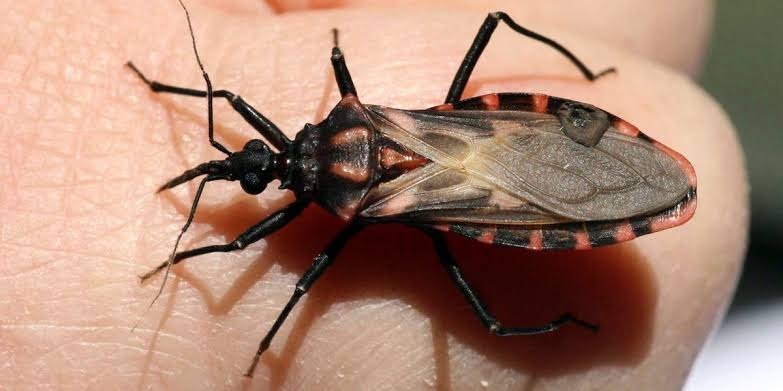
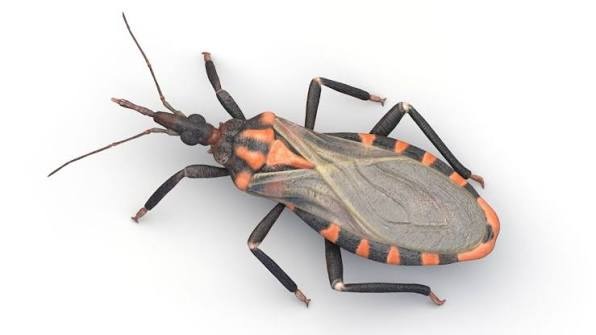
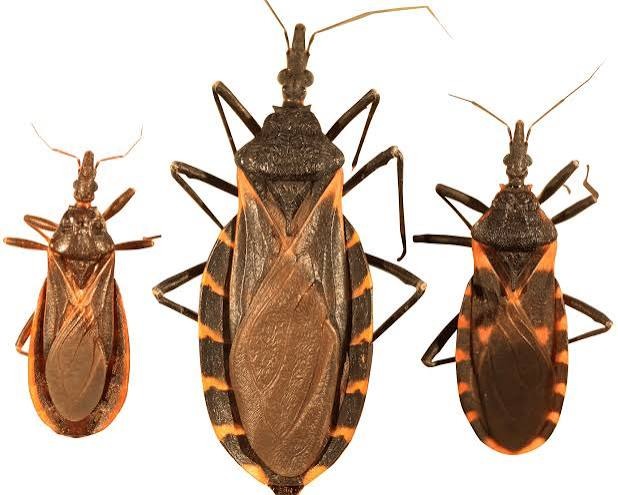
Chagas disease is caused by the parasite Trypanosoma cruzi. It is also known as American trypanosomiasis. The disease is most common in parts of continental Latin America, where certain triatomine insects can carry the parasite. These insects are sometimes called “kissing bugs” because they may bite people around the face while they sleep, although bites can occur elsewhere on the body.
The name can be misleading if it suggests that the bite itself is the main route of infection. In the most common vector-borne transmission process, the insect deposits parasite-containing feces near the bite site. The parasite can enter the body when a person unintentionally rubs the area, touches their eyes or mouth, or scratches broken skin. Improving housing, reducing insect habitats, and using effective vector-control programs have helped lower transmission in several countries.
According to the World Health Organization, an estimated 6 million to 7 million people worldwide live with Chagas disease. Most cases are in Latin America, but international travel and migration mean that the disease is now diagnosed in many other regions, including the United States, Canada, Europe, Japan, and Australia. Chagas disease is therefore a global health issue, not solely a rural or regional concern.
Why Chagas Disease Can Go Undiagnosed for Years
Chagas disease has two broad clinical stages: an acute phase shortly after infection and a chronic phase that may last for decades. During the acute phase, some people experience no noticeable symptoms. Others may have mild, non-specific symptoms such as fever, tiredness, body aches, headache, rash, or swelling near the site where the parasite entered the body. These signs can resemble many other common illnesses, making diagnosis difficult without targeted testing.
After the acute stage, many people enter what is often called the indeterminate chronic phase. They may have no symptoms for years or even for life. However, the parasite can persist in the body. The U.S. Centers for Disease Control and Prevention states that about 20% to 30% of people with chronic infection may eventually develop cardiac, digestive, or neurological complications.
Possible long-term effects include abnormal heart rhythms, enlargement of the heart, heart failure, blood clots, and digestive changes involving the esophagus or colon. Not every infected person develops these complications, and the course of disease differs between individuals. Regular medical follow-up helps clinicians identify changes early and discuss the most appropriate care.
How Chagas Disease Is Transmitted
Vector-borne infection through triatomine insects remains an important route of transmission in areas where the insects and parasite are present. However, Chagas disease can also spread in other ways. Understanding these routes is essential for preventing new infections and protecting families.
- Congenital transmission: A pregnant person with Chagas disease can pass the parasite to their baby during pregnancy or childbirth. Early testing of newborns is important because treatment is highly effective in infancy.
- Blood transfusion: The parasite can be transmitted through contaminated blood. Screening programs in many countries have substantially reduced this risk.
- Organ transplantation: Transmission can occur if an infected donor provides an organ. Careful donor screening and recipient monitoring are key safeguards.
- Foodborne transmission: In rare outbreaks, food or drink contaminated with the parasite has been linked to infection.
- Laboratory exposure: This is uncommon but possible when safety procedures are not followed.
Chagas disease is not spread through everyday casual contact such as hugging, sharing meals, or being near someone who has the infection. Clear communication about transmission can reduce unnecessary stigma and help people seek testing without fear or embarrassment.
Pregnancy, Newborn Testing and Family Care
Pregnancy screening is one of the most important opportunities to identify Chagas disease. A person may have lived with the infection for many years without symptoms and discover it only through prenatal testing. This can be emotionally difficult, but diagnosis also creates an opportunity to protect the newborn and assess other family members who may benefit from testing.
International health authorities recommend considering Chagas testing for pregnant people who were born in, lived in, or have a parent born in areas where the disease is endemic. Recommendations can vary by country and health system, so patients should discuss their individual risk with a qualified clinician.
If a pregnant person tests positive, clinicians may recommend testing the baby after birth and arranging follow-up testing according to local guidelines. Detecting congenital Chagas disease early is especially valuable because antiparasitic treatment in newborns and infants has very high success rates. Treatment decisions during pregnancy require specialist medical advice, since the main antiparasitic medicines are generally not used during pregnancy.
Testing can also be relevant for siblings and close relatives, particularly when family members share similar geographic exposure or maternal history. A diagnosis is not a reason for panic; it is a reason to obtain reliable information, follow medical guidance, and ensure that appropriate testing is available.
Diagnosis: Why Specialized Testing Is Often Needed
Diagnosis depends on the stage of infection. During the acute phase, health professionals may be able to identify the parasite directly in blood samples. In chronic disease, diagnosis usually relies on blood tests that detect antibodies to T. cruzi. Because no single antibody test is considered perfect, health authorities often recommend confirmation using two different tests based on distinct methods.
People who test positive may need additional evaluation, including an electrocardiogram and other tests that assess heart function. Depending on symptoms and clinical findings, physicians may also evaluate digestive health. These assessments do not mean that complications are inevitable; they help establish a baseline and guide follow-up care.
Access remains uneven. In some settings, clinicians may have limited familiarity with Chagas disease, and laboratories may not routinely offer diagnostic testing. Patients who believe they may be at risk can ask their primary-care clinician about referral to an infectious-disease, tropical-medicine, cardiology, maternal-fetal medicine, or public-health specialist as appropriate.
Treatment Options for Chagas Disease
Two antiparasitic medicines, benznidazole and nifurtimox, are used to treat Chagas disease. Both medicines have been used for decades, and both require medical supervision. They are most effective when given early in the infection, including in congenital cases and acute infections. Treatment is also generally recommended for children and for many adults with chronic infection, especially younger adults or those without advanced heart disease.
The decision to treat chronic Chagas disease in adults should be individualized. Factors may include age, duration of infection, heart condition, other health concerns, pregnancy status, and the potential for medication side effects. Benznidazole and nifurtimox can cause adverse effects, including skin reactions, digestive symptoms, appetite changes, weight loss, nerve-related symptoms, and fatigue. These effects can be significant for some patients, but they do not mean treatment is automatically unsuitable.
Patients should not stop medication without speaking to their healthcare team. Clinicians can monitor for side effects, adjust care when needed, and determine whether a different approach is appropriate. For people with established cardiac or digestive complications, treatment may also include specialist care directed at those specific conditions.
Research Gaps and the Need for Better Access to Care
Researchers continue to investigate safer, shorter, and more effective treatments for Chagas disease. Progress can be slower than patients and advocates would like, partly because Chagas has historically received less research investment than many other infectious diseases. It is often classified as a neglected tropical disease, a term used for conditions that disproportionately affect communities with limited access to healthcare, safe housing, sanitation, and diagnostic services.
Experts emphasize that progress requires more than new medicines. Stronger screening programs, reliable laboratory access, trained healthcare workers, sustained vector control, and affordable treatment are all essential. Community education is also important. People are more likely to seek care when they understand that Chagas disease is a medical condition that can be tested for and managed, rather than an inevitable outcome of where they were born or lived.
In Mexico and other countries across Latin America, public-health efforts have improved blood screening and insect-control programs, but access can vary between urban and rural areas. In the United States, estimates have suggested that hundreds of thousands of people may be living with Chagas disease, many without a diagnosis. The CDC notes that cases are most often associated with prior residence or extended travel in areas where transmission occurs, although triatomine insects are found in parts of the southern United States.
Reducing Stigma and Supporting People Living With Chagas Disease
The experience of families such as Rodríguez’s and Hernández’s highlights the human side of an underrecognized disease. Learning about a possible lifelong infection, particularly during pregnancy or after a child’s diagnosis, can be overwhelming. Supportive care should include clear explanations, access to interpreters when needed, and practical guidance about testing, treatment, and family follow-up.
Public discussions should avoid blaming individuals or communities. Chagas disease is linked to environmental exposure, health-system access, and broader social conditions. Respectful communication helps reduce stigma and encourages people to pursue care. Patient organizations and public-health agencies can also provide trusted educational materials for affected families.
When to Speak With a Healthcare Professional
People should consider discussing Chagas disease testing with a clinician if they were born in, lived in, or spent extended time in areas where the disease occurs; if their mother had possible exposure; if they received a blood transfusion or organ transplant in an area with limited screening; or if they are pregnant and have relevant exposure history. A clinician can assess personal risk and explain whether testing is appropriate.
Early identification offers important benefits. It can support timely treatment, newborn testing where needed, long-term heart monitoring, and reassurance for family members who test negative. Greater awareness among the public and healthcare professionals is a practical step toward reducing the long-term burden of Chagas disease.
Sources
Disclaimer: This content is intended for entertainment purposes only and is not based on real events.