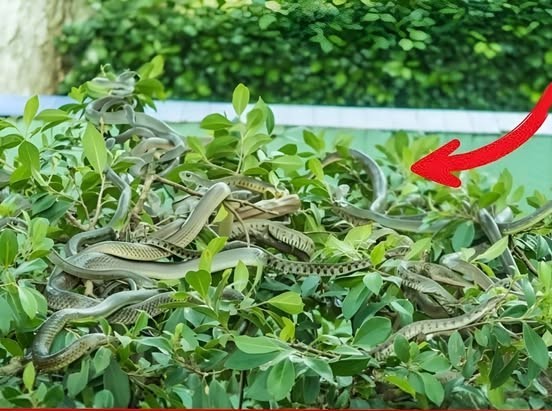
Avoid These Snake Attracting Plants in Your Home or Garden
Gardens can provide valuable habitat for wildlife, including snakes. Although plants do not usually “attract” snakes in the same direct way that nectar attracts pollinators, certain landscaping choices can create sheltered, cool, or food-rich conditions that snakes may use. Understanding the difference can help homeowners make practical, humane decisions about garden maintenance.
Snakes are an important part of many ecosystems. Most species are nonvenomous, avoid people, and help control populations of rodents and other small animals. Still, many people prefer to reduce the chance of unexpectedly encountering a snake near patios, paths, children’s play areas, pet spaces, sheds, or entrances.
The most effective approach is not to focus on a single “snake-attracting” plant. Instead, it is useful to consider the overall habitat created by vegetation, irrigation, ground cover, stored materials, and potential prey. Dense plants, leaf litter, fallen fruit, birdseed, and rodent shelter can combine to make a yard more appealing to wildlife, including snakes.

Do Plants Actually Attract Snakes?
There is no reliable scientific basis for claiming that common ornamental plants lure snakes through scent or flowers. Snakes do not visit gardens to eat vegetation. They are carnivorous animals, and their presence is more often linked to shelter, suitable temperatures, water, and access to prey.
For example, a thick planting beside a foundation may offer shade during hot weather and cover from predators. If mice, rats, frogs, lizards, insects, or other small animals are also present nearby, the area may become part of a snake’s usable habitat. In this sense, landscaping can indirectly influence where snakes rest or travel.
Local conditions matter greatly. A plant that forms dense cover in a humid subtropical region may function very differently in a dry climate. Snake species also vary in their preferred habitat, activity patterns, and food sources. Homeowners should therefore avoid broad claims that any one plant inevitably causes snakes to appear.
Dense Ground Cover and Climbing Plants
Thick ground cover is one of the most common landscaping features associated with concealed wildlife activity. Ivy, sprawling vines, low-growing shrubs, and plants that form matted foliage can make it difficult to see the soil surface. These areas may provide shade, moderate temperatures, and a protected route through the garden.
Jasmine is sometimes included on lists of plants associated with snakes because some varieties grow densely when allowed to spread over fences, walls, or the ground. The plant itself is not a food source for snakes. However, an overgrown jasmine planting can create a sheltered pocket where small animals may hide and where a snake could remain unnoticed.
Ivy can create similar conditions, particularly when it covers the ground, climbs around structures, or accumulates dry leaves beneath its growth. Regular trimming, keeping vines away from foundations, and maintaining clear visibility near walkways can reduce concealed spaces without requiring homeowners to remove every climbing plant from their property.

Ornamental Grasses and Tall, Dense Plantings
Large ornamental grasses can be visually striking, but their dense bases may provide cover for many small animals. Pampas grass, for example, develops a substantial clump of long leaves and can be difficult to inspect at ground level. In suitable climates, tall grass around fences, outbuildings, drainage areas, or property edges may provide sheltered travel corridors for rodents and reptiles.
Lemongrass is another plant often mentioned in gardening discussions. It does not repel or attract snakes in a proven way. Yet, when planted in large, untrimmed clumps, it can create low, shaded cover similar to other dense grasses. Keeping ornamental grass edges tidy and leaving a visible buffer between large clumps and frequently used areas can make a garden easier to monitor.
Rather than avoiding all grasses, homeowners can place them strategically. Consider using them farther from doors, outdoor seating, play equipment, compost areas, and pet enclosures. Periodic division of mature clumps and removal of dead material can also limit dense, undisturbed spaces at ground level.
Moisture-Retaining Plants and Irrigated Areas
Snakes need water, especially in dry or hot environments, but moisture alone does not explain their presence. Watered garden beds may also support insects, amphibians, and small mammals, creating a more active food web. Plants with broad leaves or dense stems can help keep soil damp and shaded, which may be attractive to a range of wildlife.
Banana plants, bird of paradise, and large aloe plantings are sometimes described as snake-friendly because their foliage can create layered cover near the ground. In warm regions, these plants may also be placed near irrigation systems, pools, ponds, or shaded walls. Again, the issue is the habitat structure around the plants rather than any unique property that draws snakes.
A well-maintained landscape can still include these species. The practical goal is to prevent thick clusters from becoming inaccessible. Keep leaves and fallen debris cleared, repair leaking irrigation lines, avoid unnecessary standing water, and leave open sightlines around commonly used parts of the yard.

Sunflowers, Seeds, and the Importance of Rodent Control
Sunflowers are beneficial to pollinators and can provide food for birds. However, dropped seeds may attract birds and small mammals. If seed debris accumulates near the ground, it can contribute to rodent activity, and rodents are a food source for some snake species.
This does not mean sunflowers should be treated as a direct snake attractant. It means seed-producing plants, bird feeders, pet-food bowls, and outdoor feed storage should be managed carefully. Sweep up spilled seed, use rodent-resistant storage containers, and avoid leaving pet food outdoors overnight. These steps can reduce the food resources that support rodents around a home.
Bird feeders deserve special attention because seed hulls and scattered feed can create a dependable feeding area for mice and rats. Position feeders away from buildings where possible, clean below them regularly, and use designs intended to limit spillage. A cleaner feeding area supports both responsible wildlife viewing and better household pest management.
Trees, Shrubs, and Garden Features That Create Cover
Cypress trees and other evergreens may create shaded spaces beneath low branches, especially where needles, mulch, or fallen limbs accumulate. The concern is not the tree species itself. It is the sheltered, seldom-disturbed area that may develop around its base.
The same principle applies to densely planted shrubs, stacked firewood, rock piles, compost heaps, stored pots, and garden equipment. These features can offer cover to rodents, lizards, frogs, and snakes. Keeping stored materials raised off the ground where practical and away from the home’s foundation is a widely recommended prevention measure.
Mulch also deserves a balanced approach. Mulch can conserve water, protect soil, and support healthy plants, but a very deep layer close to a house can conceal small animals. In areas where snakes are a regular concern, many extension services recommend keeping vegetation and loose ground cover managed near foundations. Gravel or stone may improve visibility in some settings, although it is not a guaranteed snake deterrent and should be selected with local climate and plant needs in mind.

How to Create a Less Attractive Habitat Near Your Home
Reducing the likelihood of snake encounters is generally about making the immediate area around buildings less suitable for hiding and prey activity. These measures are humane because they focus on prevention rather than harming wildlife.
- Keep lawns, path edges, and vegetation near doors and foundations trimmed.
- Prune shrubs so that lower branches do not form dense cover directly against buildings.
- Remove piles of leaves, brush, boards, unused pots, and other ground-level clutter.
- Store firewood neatly, preferably elevated and located away from the house.
- Seal gaps around foundations, pipes, vents, crawl spaces, and utility openings where rodents may enter.
- Reduce rodent food sources by securing trash, cleaning up fallen fruit, and limiting spilled birdseed or pet food.
- Repair leaking outdoor taps and irrigation equipment, and manage standing water where feasible.
- Use outdoor lighting thoughtfully so paths and entrances can be checked safely at night.
These measures can also reduce the likelihood of rodents and other household pests. Because snakes often follow available prey, rodent prevention is among the most meaningful steps a homeowner can take.
Choosing Plants for an Open, Manageable Garden
A garden designed for visibility does not need to be bare or lacking in biodiversity. Upright perennials, raised containers, well-spaced shrubs, and plants with clearly maintained edges can offer color and habitat while making the ground easier to inspect.
When planning beds near a home, consider mature plant size rather than how small plants look at purchase. Leave access space for pruning and maintenance. Avoid creating uninterrupted bands of dense vegetation that connect wooded areas, sheds, or fence lines directly to entrances. Where privacy screening is needed, choose plants that can be pruned to maintain air flow and clear lower visibility.
Native plants can remain an excellent choice because they support local birds, insects, and other wildlife. The key is thoughtful placement and routine maintenance, not the assumption that native or ornamental species are inherently unsafe. Gardeners can support biodiversity while maintaining a comfortable buffer around living spaces.

What to Do If You See a Snake in Your Garden
If a snake is seen outdoors, the safest response is usually to remain calm, keep people and pets at a distance, and allow the animal an escape route. Do not attempt to touch, capture, or identify a snake at close range. Species identification can be difficult, and a frightened animal is more likely to behave defensively.
If the snake is inside a building, repeatedly appearing in a high-use area, or cannot leave safely, contact a local wildlife agency, animal control service, or licensed wildlife professional. Guidance differs by location, particularly in regions with venomous species. Local authorities can explain which snakes occur in the area and what removal or relocation rules apply.
For anyone who believes they may have been bitten by a snake, emergency medical help should be sought immediately. Public-health guidance generally advises keeping the affected person calm and still while obtaining urgent medical care. Cutting the wound, attempting to suck out venom, applying ice, or using a tourniquet can cause harm and should not be used.
A Balanced Approach to Garden Safety and Wildlife
Snakes are not automatically a sign that a garden is neglected. They may simply be moving through their natural range or responding to seasonal weather. In many places, they provide ecological benefits by helping regulate populations of rodents and other animals.
However, homeowners are reasonable to want clear, well-maintained outdoor spaces. The most evidence-based strategy is to reduce hiding places near the home, manage rodents and food waste, maintain landscaping, and seek local professional advice when necessary. Rather than blaming a specific plant, focus on the combination of shade, cover, moisture, and prey that may make an area suitable for snakes.

With regular maintenance and sensible planting choices, it is possible to create a healthy, attractive garden that is less likely to provide concealed habitat immediately around the home. This approach supports both household safety and respectful coexistence with local wildlife.

Sources
Disclaimer: This content is intended for entertainment purposes only and is not based on real events.