
Why Some Travelers Roll a Water Bottle Under a Hotel Bed
Checking into a hotel room is usually an exciting part of travel, whether the trip is for work, a family holiday, or a short break. Most guests focus on unpacking, connecting to Wi-Fi, checking the view, or finding the nearest restaurant. However, some experienced travelers have adopted a small arrival routine before settling in: rolling a water bottle under the hotel bed.
The idea is simple. A guest gently pushes or rolls a bottle beneath the bed and watches whether it travels freely to the other side. If the bottle moves smoothly, the space may be relatively clear. If it stops, changes direction, or does not emerge, something may be underneath the bed. That object could be as ordinary as dust, a towel, a forgotten charging cable, or an item left behind by a previous guest.
This hotel room check is not an official security procedure, and it should not be presented as a guarantee of safety. Still, it is a quick, low-effort habit that may help travelers inspect a hard-to-see area and feel more aware of their surroundings when arriving in unfamiliar accommodation.
What Is the Water Bottle Under the Bed Travel Tip?
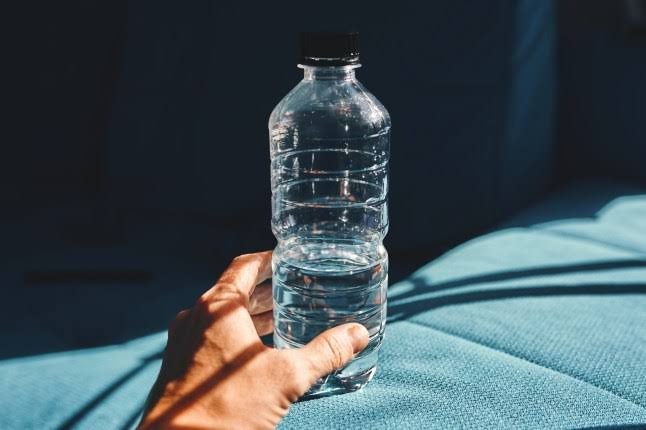
The water bottle tip is a practical way to check whether there are objects under a hotel bed without immediately getting down on the floor. Hotel beds are often heavy, low to the ground, and positioned close to walls or bedside furniture. As a result, the area beneath them can be inconvenient to inspect visually.
To try the method, a traveler can use an empty or tightly closed plastic bottle and gently roll it beneath the bed from one accessible side. The bottle’s movement may indicate whether the space is open or whether an obstruction is present. A reusable bottle, a small ball, or another lightweight item may work in a similar way, although a bottle is commonly suggested because many travelers already have one with them.
If the bottle stops, there is no need to assume the worst. In many cases, it may have caught on a bed frame, carpet edge, storage base, dust buildup, luggage tags, or another harmless object. The next step is simply to look more closely using a phone flashlight or ask hotel staff to inspect and clean the area if necessary.
Why Travelers Check Under Hotel Beds
There are several reasonable reasons why guests may want to inspect the space under a hotel bed. The most common is cleanliness. Even well-managed hotels can occasionally miss areas that are difficult to reach during routine housekeeping. Dust, paper items, wrappers, and belongings accidentally left behind can collect under furniture.
Another reason is lost-property awareness. Guests may find an item left by a previous visitor, such as a sock, toy, phone charger, or document. Finding personal belongings in a room can be inconvenient, but notifying the front desk gives hotel staff an opportunity to remove the item and, where possible, return it through their lost-and-found process.
Some travelers also use simple room checks as part of a broader routine that helps them feel organized. This can be particularly useful for people traveling alone, arriving late at night, visiting an unfamiliar city, or staying in several hotels during a long journey. A few brief checks can create a sense of confidence without turning arrival into an anxious or time-consuming process.
What the Water Bottle Trick Can and Cannot Do
The water bottle method has limited but practical value. It can help reveal whether there is an obstruction under the bed. It may also prompt a closer look at an area that guests would otherwise ignore. For cleanliness purposes, that can be useful.
However, it is important to keep expectations realistic. A bottle rolling freely does not prove that a room is completely clean or secure. Likewise, a bottle getting stuck does not indicate a serious problem. Hotel room layouts differ widely, and many beds have support bars, storage platforms, divans, or upholstered bases that can prevent an object from passing through.
Travel safety guidance is generally based on straightforward precautions: keep valuables secured, use locks correctly, know how to contact the front desk, and remain aware of the immediate environment. Travelers should not rely on viral “hotel hacks” as substitutes for practical judgment or established safety measures.
A Practical Hotel Room Arrival Checklist
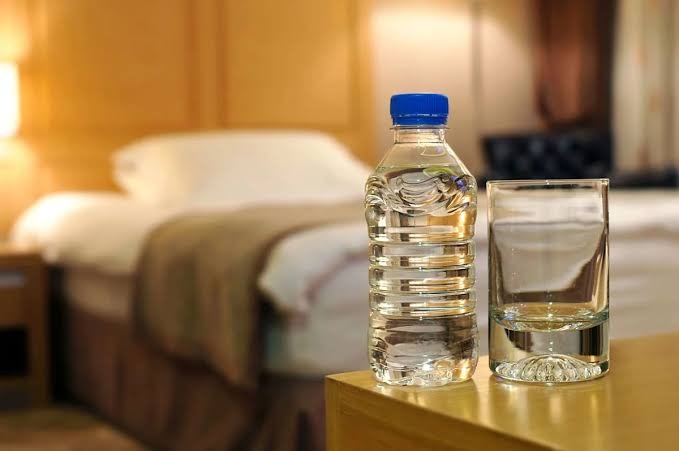
Rather than focusing on one trick, guests can use a short hotel room checklist that combines cleanliness, comfort, and security considerations. Most of these steps take only a few minutes.
1. Confirm That the Door Locks Properly
After entering, check that the room door closes and locks as intended. If the room has a deadbolt, privacy latch, or security bar, make sure it works. If any lock appears damaged or unreliable, contact the front desk and request assistance or a different room.
When in the room, avoid opening the door to unexpected visitors. If someone identifies themselves as hotel staff and you are unsure why they are there, call the front desk using the hotel’s listed number to confirm before opening the door.
2. Locate Emergency Information
Hotels commonly provide an evacuation map on the back of the guest-room door or nearby. Take a moment to identify the nearest exit and review the route. This is especially helpful in larger hotels, resorts, or buildings with long corridors and multiple wings.
Guests should also note the hotel’s address and reception contact details. Saving this information on a phone can be helpful when using taxis, arranging deliveries, or seeking help while outside the property.
3. Inspect the Room for General Cleanliness
A quick visual check can help guests identify issues that should be reported promptly. Look at the bathroom, bedding, towels, major surfaces, and floor. If anything is visibly unclean, damaged, or missing, contact the front desk early in the stay. Reputable hotels generally prefer to resolve concerns quickly, whether that means sending housekeeping, replacing an item, or offering another room.
Travelers with allergies or specific health needs may also wish to check for strong fragrances, smoke odors, or signs that the room’s advertised features are not available. Reporting these concerns immediately is usually more effective than waiting until checkout.
4. Check Under and Behind Easily Accessible Furniture
Rolling a bottle under the bed can fit into this step, but it is only one option. A phone flashlight can be useful for checking beneath the bed, behind curtains, inside drawers, and around bedside tables. The purpose is not to conduct an extensive search. It is simply to identify obvious forgotten items, trash, or maintenance issues.
If you find another guest’s belongings, avoid handling sensitive items unnecessarily. Notify the hotel reception so staff can follow their lost-property procedures.
5. Secure Valuables Sensibly
Keep passports, cash, electronics, and essential medication in a secure place. Many hotels provide an in-room safe, although guests should follow the property’s instructions and decide what is appropriate for their circumstances. For high-value items, some travelers prefer to carry them or use secure storage offered by the hotel.
It is also sensible to avoid leaving valuables in plain sight near windows, open doors, or common access areas. Before leaving the room, check that the door has fully closed behind you.
Why Hotel Cleanliness Matters to Guests
Cleanliness strongly influences how people evaluate hotel stays. A room can have attractive décor and convenient amenities, but visible dust, debris, or poorly maintained furniture can quickly affect a guest’s confidence. This is why hotel housekeeping standards and clear systems for responding to guest concerns are important across the hospitality industry.
International public health guidance emphasizes the value of routine cleaning and hygiene practices in shared spaces. Hotels, like other accommodation providers, are expected to maintain sanitary environments and follow applicable local health, workplace, and safety requirements. Travelers can support good hygiene by washing hands regularly, keeping personal items organized, and reporting any concern that requires attention.
It is worth remembering that no hotel environment can be entirely free from ordinary dust or minor wear. The relevant question is whether the room is reasonably clean, maintained, and responsive to guest needs. If it is not, guests are entitled to ask the property to address the issue.
When to Contact Hotel Staff
Most findings under a bed are minor. A bottle that does not roll through may simply be blocked by the bed’s construction or an overlooked item. However, guests should contact hotel staff if they find significant cleanliness concerns, damaged furniture, personal belongings left by another guest, or anything that makes them uncomfortable.
When reporting an issue, a calm and specific explanation is often most effective. Guests can describe what they found, where it was located, and what resolution they would prefer. For example, they may ask for housekeeping, removal of an item, maintenance assistance, or a room change. Taking a photo may be useful for documenting a cleanliness or maintenance concern, but guests should respect privacy and avoid photographing other people’s personal information.
Hotel teams handle a wide range of practical requests every day. Giving staff an opportunity to respond early can make the rest of the stay more comfortable and can help the property improve its service.
Common Sense Is More Useful Than Fear
Social media travel advice often turns simple habits into dramatic claims. The water bottle under the bed tip is best understood as a modest convenience check, not as evidence that hotels are inherently unsafe or that guests must be suspicious of every room.
Most hotel stays are routine, and most rooms are prepared by professional housekeeping teams. At the same time, travelers are reasonable to inspect their accommodation, ask questions, and report concerns. A balanced approach is more useful than alarm: stay observant, use normal precautions, and contact staff when something needs attention.
For many people, the appeal of the water bottle trick is its simplicity. It takes seconds, requires no special equipment, and may reveal whether an inaccessible part of the room needs a closer look. Combined with checking the door lock, reviewing emergency information, and keeping valuables secure, it can become part of a practical hotel arrival routine.
Final Thoughts on the Hotel Bed Water Bottle Trick
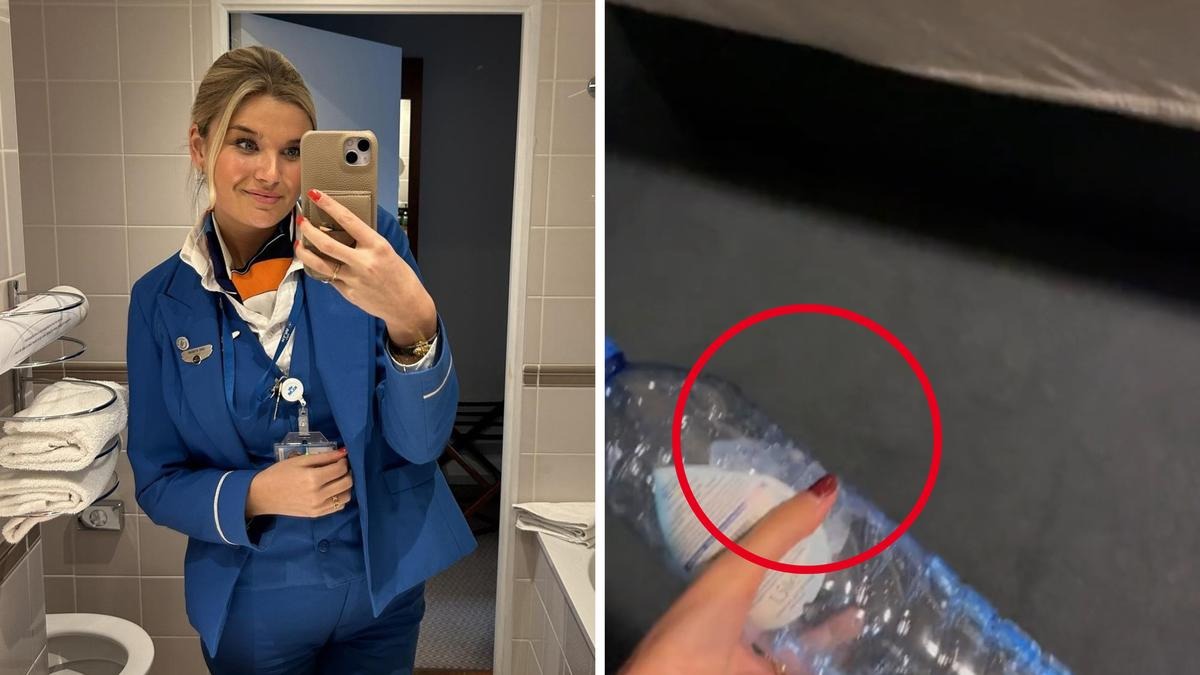
Rolling a water bottle under a hotel bed is a small travel habit, not a foolproof safety test. Its main benefit is that it offers a quick way to identify possible obstructions, overlooked debris, or forgotten belongings in a space that is often difficult to see.
Travelers do not need to overthink the method. If the bottle rolls freely, the area may be clear. If it does not, use a flashlight or ask hotel staff to inspect it. The most important goal is comfort and awareness, not worry.
A thoughtful arrival routine can help guests begin a stay with greater confidence. By checking basic room features, practicing sensible hygiene, securing important possessions, and communicating respectfully with hotel staff, travelers can focus on what matters most: enjoying their trip.
Sources
Disclaimer: This content is intended for entertainment purposes only and is not based on real events.