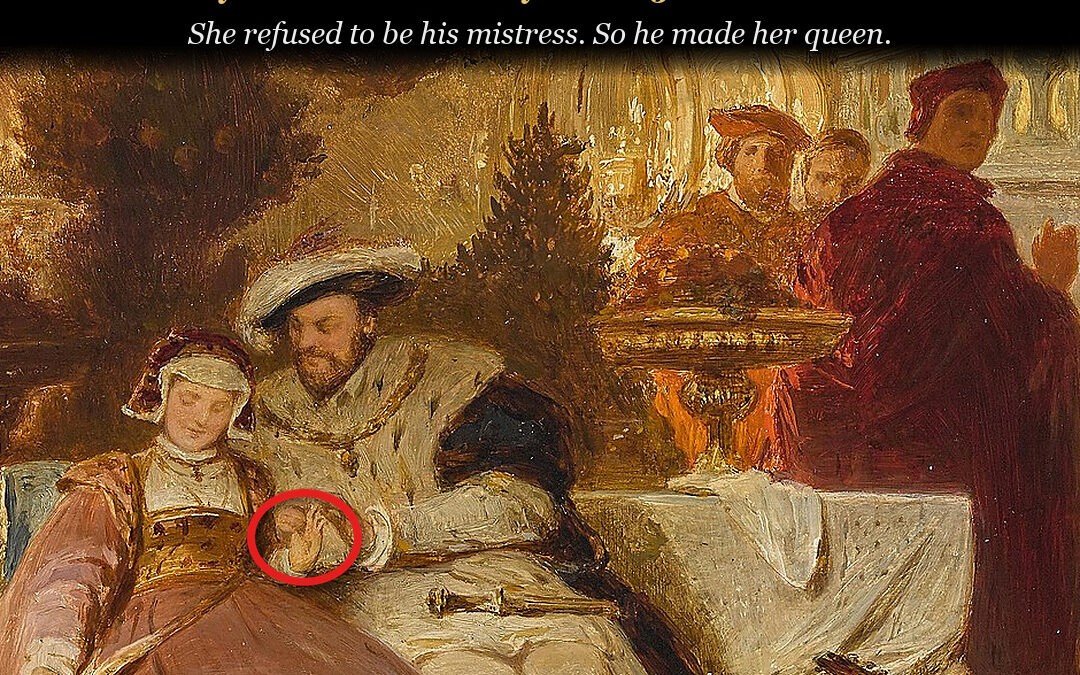
Inside the Tower: The Perilous Life of Henry VIII’s Mistress
Anne Boleyn’s Last Morning: A Turning Point in English History
At dawn on May 19, 1536, an expectant crowd gathered within the infamous Tower of London to witness the execution of Anne Boleyn, the second wife of King Henry VIII. Her death marked not only the tragic end of a queen but also a pivotal moment in England’s tumultuous history. The executioner—a swordsman specially brought from Calais—made the process swift, and in an instant, Anne Boleyn was gone.
Henry VIII’s rapid move to marry Jane Seymour—betrothed the day after Anne’s execution and married eleven days later—underscored the consequences Anne faced as she became entangled in the dangerous political and personal games at court.
Anne’s story is often romanticized, but the reality she faced was shaped not only by her choices but by the perilous nature of the Tudor world: the intrigues, the risks, and the consequences faced by women at the center of royal attention.
The Tudor Court: Far from Fairy-Tale
The Tudor court, often depicted as filled with candlelit splendor, was in truth overcrowded, unsanitary, and fraught with danger. The court moved with Henry from palace to palace, with hundreds—sometimes more than a thousand—courtiers, servants, soldiers, and officials circulating through its halls.
Despite attempts to enforce cleanliness—with legends of red crosses painted on walls at Hampton Court to deter public urination—the realities of life at court were harsh. The court was rife with dirt, odors, and the ever-present risk of disease. Historians document Henry’s battles against these conditions, but, even with royal privilege, the king was not immune.
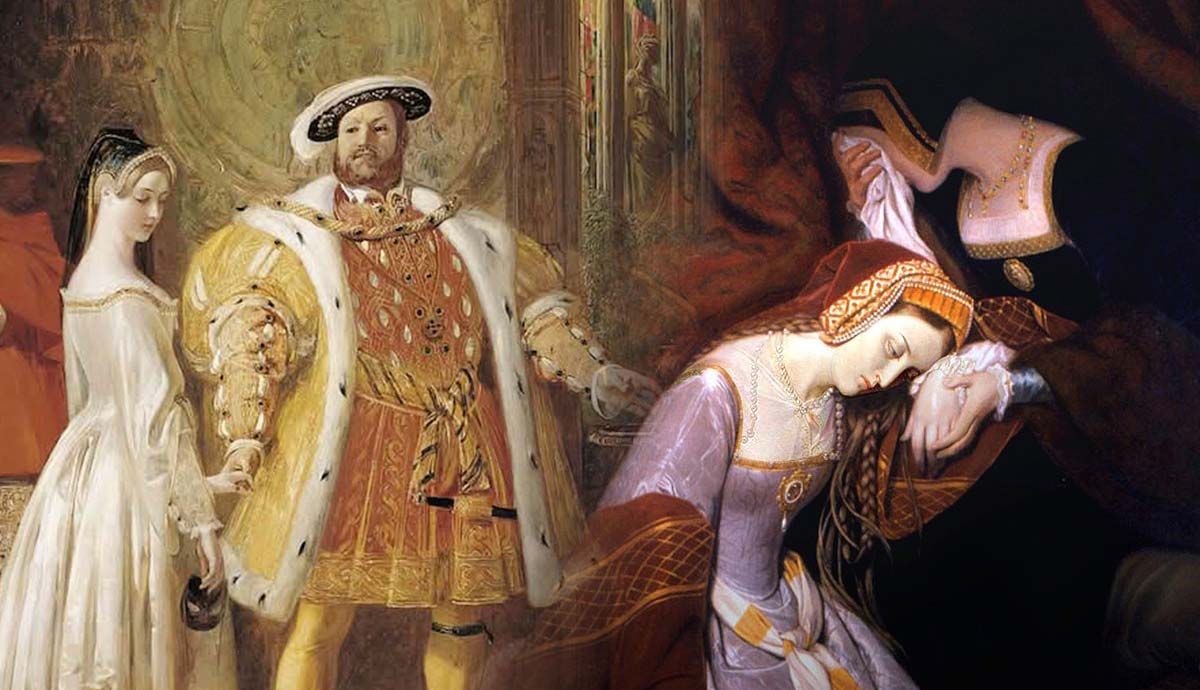
Health and Hygiene: Living in the Shadows of Disease
Contrary to modern expectations, bathing was infrequent. Tudor physicians believed hot water opened pores, making the body susceptible to disease. Instead, the people relied on linen shirts and smocks to draw out dirt, rubbed themselves clean, and used fragrant pomanders to mask unpleasant smells.
Even Henry, with his unique access, had a private bathroom at Hampton Court, illustrating the lengths he took to protect himself.
The greatest threat was the “sweating sickness.” This disease struck suddenly and fatally, often within hours. It claimed the lives of prominent courtiers, including William Carey—the husband of Mary Boleyn—and nearly killed Anne Boleyn herself. The king, terrified, would flee palaces at the first sign of the illness, illustrating the precariousness of life—even for royalty.
Political Dangers: The Court That Listened
Physical threats were matched by political peril. The Tudor court was a web of intrigue, with Thomas Cromwell serving as Henry’s chief minister, orchestrating a network of informers and spies. Letters were monitored, servants gossiped, and secret conversations rarely remained private. Even a passing remark about the king’s health or future could prove fatal, as seen in the Exeter Conspiracy, where private comments led to executions for treason.
Life at court required constant vigilance; the dangers lay as much in words as in actions.
Familial Ambitions and the Court’s Intricate Games
Young women from noble families entered the queen’s household not for personal gain but to serve their family’s ambitions. The plan was always to form advantageous connections and, if possible, catch the king’s eye for the benefit of their relatives.
When the king noticed a woman, her life changed instantly. Refusal was rarely an option—Henry’s immense power as monarch and Supreme Head of the Church of England made his desires almost unquestionable. The fate of the family, as well as personal survival, hinged on compliance.
The Boleyn family exemplified this dynamic. Thomas Boleyn was a seasoned diplomat who maneuvered his daughters, Mary and Anne, into prominent positions. Mary, attractive and well-connected, became Henry’s mistress after marrying William Carey. Though her family benefited through grants and offices, Mary herself gained no lasting rewards or titles, and her children’s parentage became the subject of unresolved rumor.
Comparative Fates: Bessie Blount and Mary Boleyn
Bessie Blount, Henry’s mistress before Mary, gave birth to Henry Fitzroy—publicly acknowledged and raised as Duke of Richmond and Somerset. Fitzroy’s elevation illustrated the potential rewards, but Mary Boleyn, despite rumors of royal paternity, received no such favor.
Mary’s story became even more tumultuous when her husband died of sweating sickness, leaving her vulnerable. Remarriage to William Stafford, for love and without royal consent, resulted in her withdrawal from court, effectively ending her influence.
Anne Boleyn: The Woman Who Said No
Anne Boleyn observed her sister’s experience and resolved not to repeat it. She refused to become Henry’s mistress, instead holding out for marriage. Surviving letters from Henry reveal his passion and frustration—he broke with the Church of Rome, created the Church of England, and married Anne to make her queen. Yet, playing the game well did not guarantee victory.
Anne gave birth only to daughters and miscarried a much-desired son soon after Henry’s life-threatening jousting accident. By May 1536, she was imprisoned, accused without credible evidence of adultery, incest, and treason. Historians agree Thomas Cromwell orchestrated her downfall for both political and personal reasons. Anne’s execution was swift, but its impact persisted.
Surviving Henry VIII: The Court’s Unforgiving Machine
Becoming the king’s mistress—or queen—was not only perilous but also subject to constant scrutiny. The private rooms were managed by men who controlled access; the queen’s ladies observed everything, and discretion became currency at court. Any favor or relationship could turn quickly to rivalry and danger.
Ambitious families hoped to gain influence, but the risks were severe. Rivals would exploit any opportunity, the queen might become hostile, and, ultimately, the king’s moods were unpredictable. Catherine of Aragon endured Henry’s affairs with dignified silence; Anne Boleyn, a former mistress herself, reacted more strongly, which no longer benefitted her as queen.
Catherine Howard: The “Rose Without a Thorn”
Catherine Howard, Anne Boleyn’s cousin, illustrates the vulnerability of women at court. Married to Henry at seventeen, her youthful indiscretions came to light through palace investigations. The king initially refused to believe the evidence, but eventually, Catherine and her confidant, Jane Boleyn, were executed. Court life was unforgiving, and even the appearance of betrayal proved fatal.

The Scale of Execution: Myths and Realities
While some claim up to seventy-two thousand executions during Henry’s reign, historians agree this figure is unsubstantiated. However, the regime saw the deaths of two queens, senior ministers, monks, nobles, and many others. The climate of fear and rapid punishments made survival unlikely for anyone who fell out of favor.
Bessie Blount’s story, while less tragic, showed the best possible outcome: leaving court, being largely forgotten, and watching her son rise, only to lose him to disease.
Mary Boleyn’s fortunes declined after her lover’s interest waned, and only through a second marriage did she find a measure of peace, outside the court’s intrigues.
The Fates of Henry VIII’s Wives
Anne Boleyn and Catherine Howard did not survive, executed for their perceived transgressions. Jane Seymour, Henry’s beloved third wife, died shortly after giving him the long-awaited son. Catherine of Aragon, after being set aside, spent her last years in isolation, separated from her daughter and subject to rumors about her death which modern medical experts attribute to cancer.
Even royal favor could not shield women from danger; the bill for favor or love might arrive at any moment, and there was no appeal against Henry’s will.
One Night: A Lifetime of Consequences
It took only the king’s passing interest—one evening across a crowded hall—to upend a woman’s life. Family ambitions ignited, rivals maneuvered, and the queen’s security was threatened. From that moment, the power dynamics shifted; the woman became a pawn in an ever-moving political game, with little control and less protection.
The Women at the Center: Strength in Adversity
The women who survived the Tudor court were not weak; they were resourceful and resilient, facing a system designed to exploit and discard them. Bessie Blount left quietly; Mary Boleyn found some personal happiness after her exile; Anne Boleyn challenged the rules and lost; Catherine Howard, tragically young, was unable to navigate the treacherous environment.
Survival required more than cleverness or strength—it demanded navigating a system where power, politics, and favor shifted unpredictably, and the cost could be fatal. The legacy left by these women is a testament to their fortitude and the enduring complexity of gender and power during Henry VIII’s reign. The king retained his power, the court thrived on drama, and the women—central but vulnerable—paid the highest price.
Sources
Disclaimer: This content is intended for entertainment purposes only and is not based on real events.